Like
Share
멍실장
신증후군 (단백뇨·저알부민혈증)

Nephrotic Syndrome (Proteinuria, Hypoalbuminemia)

KidneyQ&AMeongsiljang Veterinary Advisory Board

Nephrotic syndrome is a kidney disease characterized by glomerular damage, leading to proteinuria, hypoalbuminemia, edema, and hypercholesterolemia. Early diagnosis and consistent management are key.

What is Nephrotic Syndrome?

A pet owner holding a dog showing symptoms of edema
Nephrotic syndrome is a kidney disease in which damage to the glomeruli—the blood-filtering units of the kidney—leads to the simultaneous appearance of four signs: proteinuria, hypoalbuminemia, edema, and hypercholesterolemia. Early detection is key. If your pet develops a distended abdomen, swollen limbs, or excessive foam in the urine, glomerular damage may already be quite advanced, so you should have your veterinarian perform a urine protein-to-creatinine ratio test right away.

What Causes It?

Nephrotic syndrome begins when damage to the glomeruli allows proteins that should remain in the body, particularly albumin, to leak into the urine. When this damage compromises the selective permeability of the glomerular filtration barrier, proteinuria develops. What starts as a localized issue in the glomeruli can then spread, causing inflammation and fibrosis in the renal tubules, and progress into a broader kidney disease. The main causes include glomerulonephritis, where immune complexes deposit in the glomeruli; amyloidosis, characterized by protein accumulation; and infections such as heartworm or other parasites, as well as autoimmune diseases like systemic lupus erythematosus (SLE). These conditions create immune complexes that damage the glomeruli. Therefore, identifying the underlying cause is the first step in treatment.

The 4 Major Signs of Nephrotic Syndrome at a Glance

ItemWhat It MeansSigns the Owner Can Observe
ProteinuriaProtein leaks out into the urineUrine has a lot of foam that does not dissipate easily
HypoalbuminemiaLow albumin concentration in the bloodFatigue and decreased appetite
Edema/AscitesFluid accumulates in tissues and the abdomenSwelling of the legs or face, or a distended abdomen
HypercholesterolemiaElevated blood cholesterolDetectable only through blood testing

Even if only 2–3 of the four appear, nephrotic syndrome should be suspected and detailed testing is needed.

Symptoms That Raise Suspicion
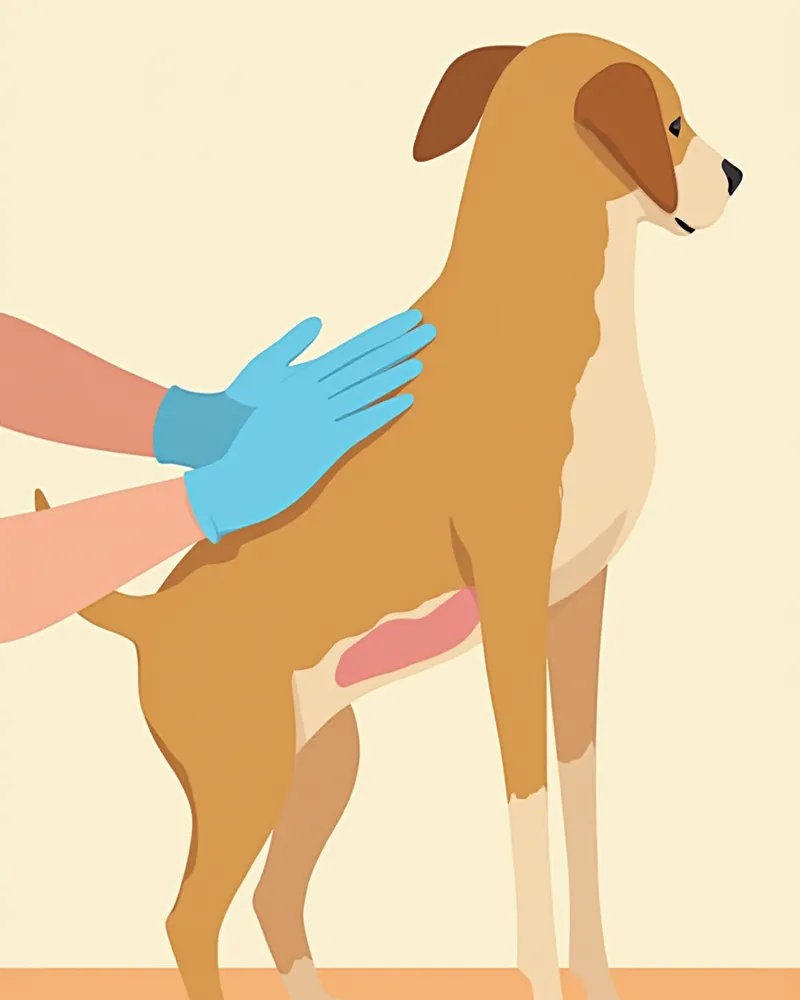
According to veterinary internal medicine textbooks, nephrotic syndrome should be suspected when the following signs occur together: - Foamy urine: Urine contains abundant foam that does not dissipate within 30 seconds. - Edema: Soft swelling in the ankles, face, and hind legs that leaves an indentation when pressed. - Abdominal distension: The abdomen becomes protruding due to the accumulation of ascites. - Lethargy and anorexia: Low energy levels resulting from decreased albumin. - Dyspnea: Shortness of breath caused by the accumulation of pleural effusion.
Examining leg swelling caused by nephrotic syndrome

Signs Requiring Immediate Veterinary Attention

If you notice any of the following symptoms, they could indicate emergency complications such as thrombosis, acute kidney injury, or pulmonary edema: - Sudden difficulty breathing or coughing - Swelling or coldness in only one leg (suspected thrombosis) - A sudden decrease in urine output or complete absence of urine - Vomiting, seizures, or decreased consciousness In nephrotic syndrome, anticoagulant proteins are lost along with urine, leading to a hypercoagulable state where blood clots more easily. This significantly increases the risk of thrombosis, often requiring anticoagulant management. If any unusual symptoms persist for more than 24 hours, please visit an emergency clinic immediately, even at night.

How Is It Diagnosed at the Clinic?
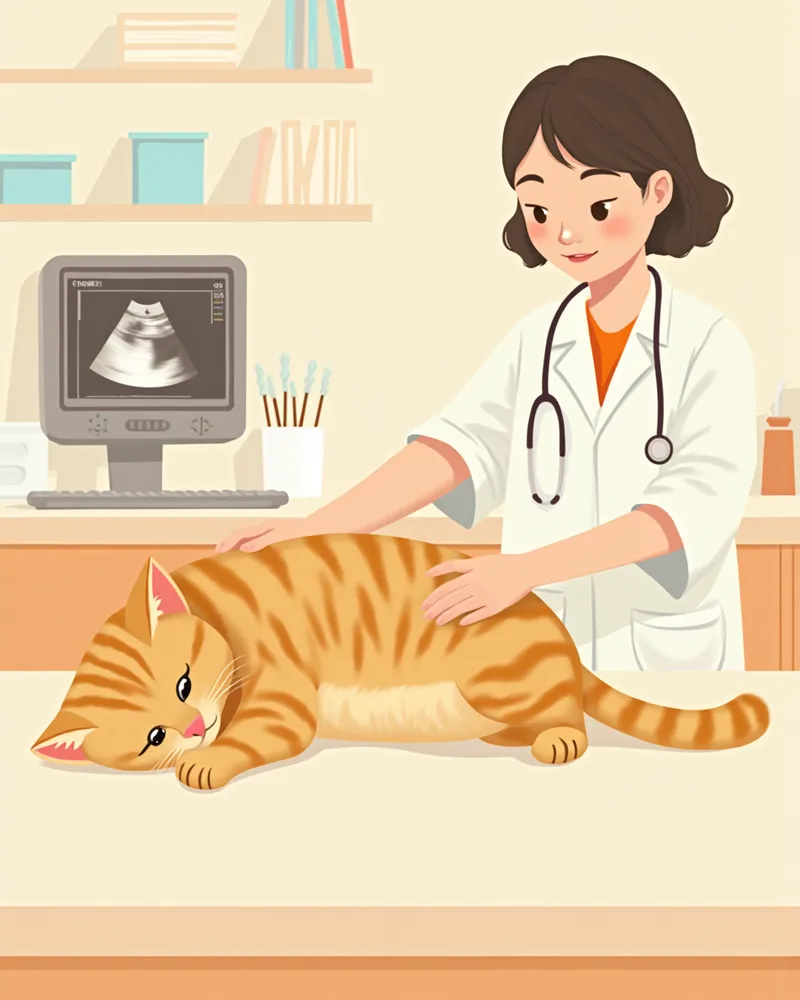
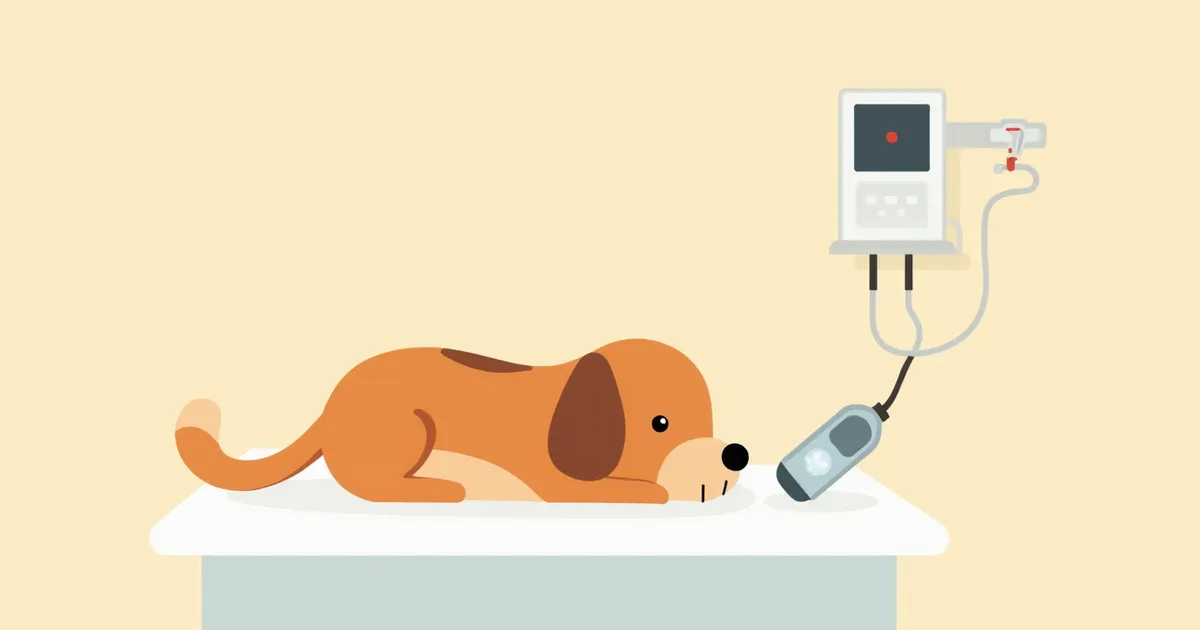
Diagnosing nephrotic syndrome goes beyond a simple urinalysis. Veterinarians typically combine the following tests to reach a diagnosis: - Urine Protein-to-Creatinine Ratio (UPC): This key metric quantifies the severity of proteinuria. Persistently high values suggest significant glomerular damage (amyloidosis, in particular, tends to present with notably high UPC levels). - Blood Tests: Assessing albumin, cholesterol, creatinine, and blood urea nitrogen (BUN). - Blood Pressure Measurement: To check for concurrent hypertension. - Abdominal Ultrasound: To evaluate kidney structure and check for ascites. - Renal Biopsy: To differentiate between underlying causes, such as glomerulonephritis versus amyloidosis. A biopsy is considered based on the patient’s overall health and with owner consent, provided there are no contraindications such as small, fibrotic kidneys, uncontrolled hypertension, or coagulopathies.
A cat undergoing an abdominal ultrasound to examine its kidneys.

How Is Treatment Managed?

Nephrotic syndrome is a condition managed by slowing disease progression and preventing complications rather than aiming for a complete cure. Treatment generally falls into four categories: - Treating the underlying cause: Addressing root issues such as heartworm disease, autoimmune disorders, or infections. - Reducing proteinuria: Using ACE inhibitors or angiotensin receptor blockers. - Preventing blood clots: Administering low-dose antiplatelet agents, as determined by your veterinarian. - Dietary management: Controlling protein quality, reducing salt intake, and supplementing with omega-3 fatty acids. Your veterinarian will determine the specific medications and dosages based on your pet’s weight and blood test results.

What to Monitor at Home?

Here’s a summary of key home care points: - Prescription renal diet: Feed only the veterinarian-prescribed food and minimize treats. - Hydration: Always provide fresh, clean water; encourage intake using soups or milk-based fluids. - Weight and abdominal circumference monitoring: Record measurements at the same time once a week. - Urine observation: Take photos to document changes in foam, color, and volume, which will be helpful during veterinary visits. - Regular rechecks: Monitor UPC, blood pressure, and albumin every 4–8 weeks. Never stop medications or add supplements on your own without veterinary guidance.

Breed and Species-Specific Precautions

Certain breeds are genetically predisposed to a higher risk of glomerular disease, which can manifest as proteinuria even at a young age. - Dogs: Samoyeds, Dalmatians, Bull Terriers, and English Cocker Spaniels (hereditary nephropathy due to a defect in the glomerular basement membrane collagen) - Cats: Abyssinians (familial amyloidosis and nephrotic syndrome have been reported) Although nephrotic syndrome is less common in cats than in dogs, the prognosis is more guarded when it does occur. If you have one of these breeds, it is advisable to have a health checkup that includes a urinalysis every six to twelve months.

Reviewed by a veterinarian

Dr. Tony — Punnawat Phongkittirak

Dr. Tony — Punnawat Phongkittirak

Veterinarian

A veterinarian who majored in veterinary medicine at Khon Kaen University, Thailand, and completed the IVSA program at North Carolina State University in the United States. Drawing on clinical experience at animal hospitals, he works in the pet healthcare field and is dedicated to building a digital care environment that connects pet parents with veterinarians.

Frequently Asked Questions

Is nephrotic syndrome curable?
If the underlying condition is curable, such as in cases of heartworm removal, proteinuria may also resolve. However, if there is structural damage, as seen in glomerulonephritis or amyloidosis, lifelong management to slow disease progression is necessary.
Should I completely withhold protein from my pet’s diet?
Not at all. Simply reducing protein intake can lead to muscle loss and a weakened immune system. The key is providing the right amount of high-quality protein. Prescription diets are specifically formulated to maintain this balance.
What causes thrombosis?
Anticoagulant proteins, such as antithrombin III, are lost through the urine, causing the blood to clot more easily. This makes blood clots likely to form in the pulmonary and hind limb arteries, which is the most dangerous complication of nephrotic syndrome.
If the kidney values are normal, can I be reassured?
Not necessarily. Creatinine and BUN levels typically don’t rise until more than 75% of kidney function is lost. UPC (urine protein-to-creatinine ratio) and albumin are more sensitive early indicators.
What is the prognosis?
The prognosis depends on the underlying cause, disease stage, and response to treatment. A favorable outlook is associated with a reduction in UPC by more than half following therapy, whereas the presence of thrombosis or acute kidney injury significantly increases short-term risk. It is essential to monitor and adjust treatment through regular rechecks every 4 to 8 weeks.

Share

Related Guides

References

[1] Ettinger SJ, Feldman EC, Cote E. Textbook of Veterinary Internal Medicine, 8th Ed. Chapter: Glomerular Disease

[2] Nelson RW, Couto CG. Small Animal Internal Medicine, 6th Ed. Chapter: Glomerulonephritis and Nephrotic Syndrome

[3] Notes on Canine Internal Medicine, 4th Ed. Chapter: Urinary System Disorders

[4] IRIS (International Renal Interest Society) Glomerular Disease Study Group Consensus Recommendations, 2013

This information is based on veterinary literature and does not replace diagnosis or treatment. Please consult a veterinarian for specific health concerns.

Metapet Co., Ltd. | CEO: Park Sung-yong | Business Reg. No. 417-88-02562 | Seoul, South Korea | Customer Center

Nephrotic Syndrome in Dogs & Cats: Proteinuria & Edema | Meongsiljang