Like
Share
멍실장
강아지 췌장 외분비 부족(EPI) 증상과 식이

Symptoms and Dietary Management of Canine Exocrine Pancreatic Insufficiency (EPI)

DigestiveQ&AMeongsiljang Veterinary Advisory Board

We’ve put together an easy-to-understand guide for pet owners on the main symptoms, diagnostic tests, enzyme supplementation, and dietary management for dogs with exocrine pancreatic insufficiency (EPI).

What Exactly Is Canine EPI?
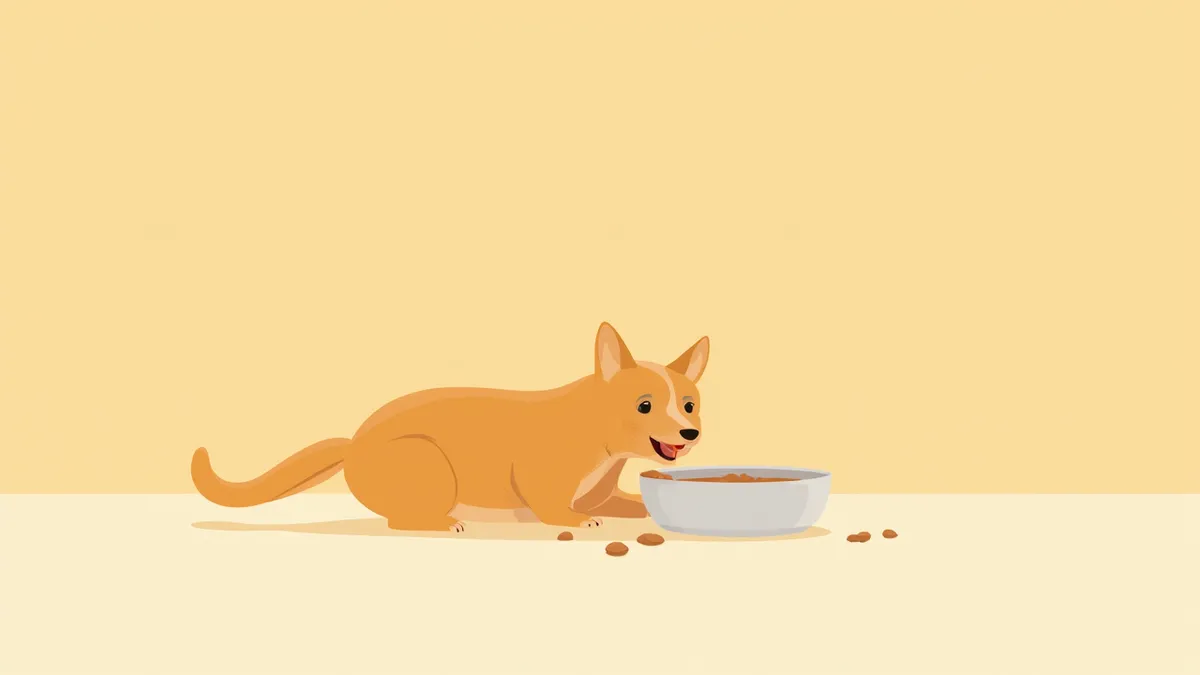
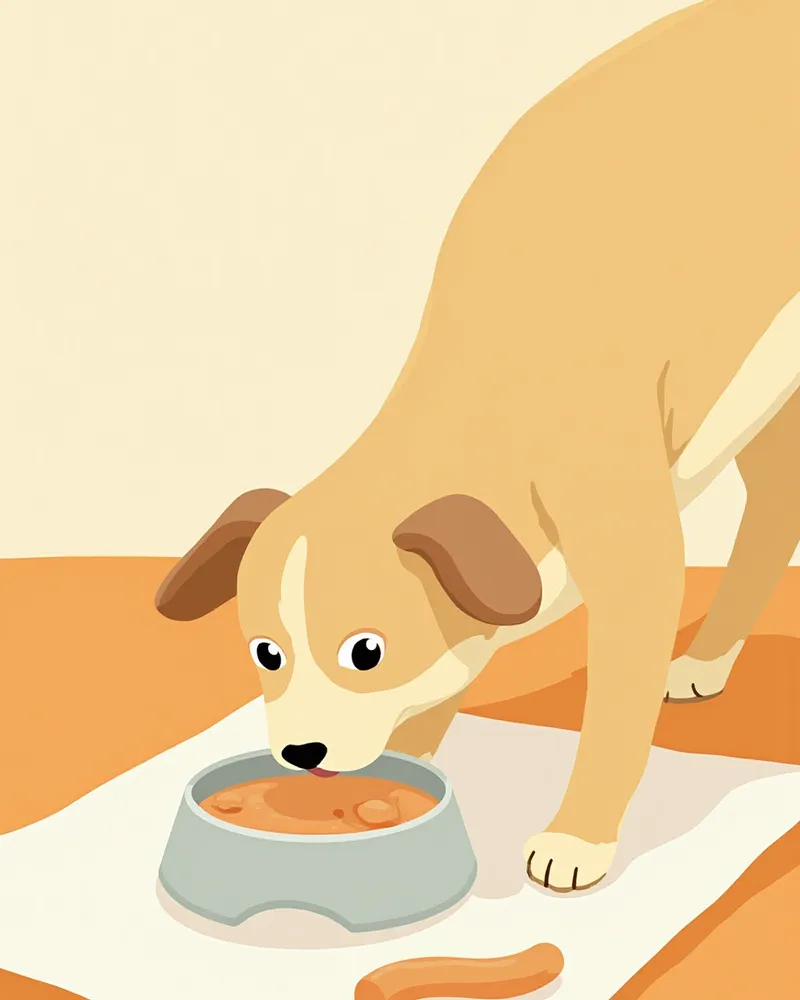
A puppy that eats well but still appears underweight
Canine exocrine pancreatic insufficiency (EPI) is a chronic digestive disorder in which the pancreas fails to secrete enough digestive enzymes, preventing proper digestion and absorption of nutrients. The key warning sign is a dog that eats well yet continues to lose weight. If your dog is losing weight despite a good appetite and has recurring gray, soft stools, it may not be simple enteritis but rather EPI. The first step is to confirm the diagnosis quickly with a blood test for trypsin-like immunoreactivity (TLI).

Causes and Pathogenesis

Exocrine pancreatic insufficiency (EPI) most commonly develops when the enzyme-producing cells of the pancreas, known as acinar cells, are progressively destroyed. There are two primary causes. The first is pancreatic acinar atrophy (PAA), a genetic condition characterized by the atrophy of acinar cells, which is frequently seen in German Shepherds and Rough Collies. The second is a decline in enzyme production capacity due to tissue fibrosis resulting from recurrent chronic pancreatitis. The prognosis and management approach vary depending on the underlying cause.

Suspect EPI If You See These Symptoms

The first thing owners usually notice is the paradox of their pet losing weight despite eating well. If any of the following symptoms persist for more than two weeks, a veterinary examination is necessary.
Weight loss: The pet loses weight to the point where its ribs can be felt, even though its food intake remains unchanged.
Polyphagia: The pet eats more than usual and may even show interest in other pets' food or feces.
Grayish stool: Due to poor fat digestion, the stool appears pale gray and greasy.
Increased stool volume: There is a noticeable increase in both the frequency and amount of daily bowel movements.
Deteriorating coat condition: The fur becomes rough and dry, and dandruff increases.
Gray, greasy stools and an empty food bowl in puppies with EPI

Key Differences Between EPI and Chronic Enteropathy (IBD)

ItemEPIChronic enteritis (IBD)
AppetitePolyphagia (actually increased)Normal or decreased
Stool colorGray & pale yellowNormal brown or mucoid stool
Stool volumeGreatly increasedSmall amounts frequently
Body weightLoss despite eating wellLoss due to reduced appetite
Confirmatory testBlood TLI (cTLI)Endoscopy & biopsy
First-line treatmentDigestive enzyme supplementationImmunosuppressive dietary therapy

The two conditions can occur together, so a comprehensive assessment by the veterinarian is needed.

When to Seek Immediate Veterinary Care

While Exocrine Pancreatic Insufficiency (EPI) typically progresses gradually, the sudden onset of dehydration and weakness may indicate a recurrence of chronic pancreatitis or a severe deficiency of cobalamin (vitamin B12). We recommend seeking veterinary care on the same day if you notice any of the following signs: • Vomiting or severe diarrhea lasting more than a day • Pale gums or difficulty standing • Weight loss exceeding 10% within a month • Worsening symptoms despite enzyme supplementation

How Is EPI Diagnosed?
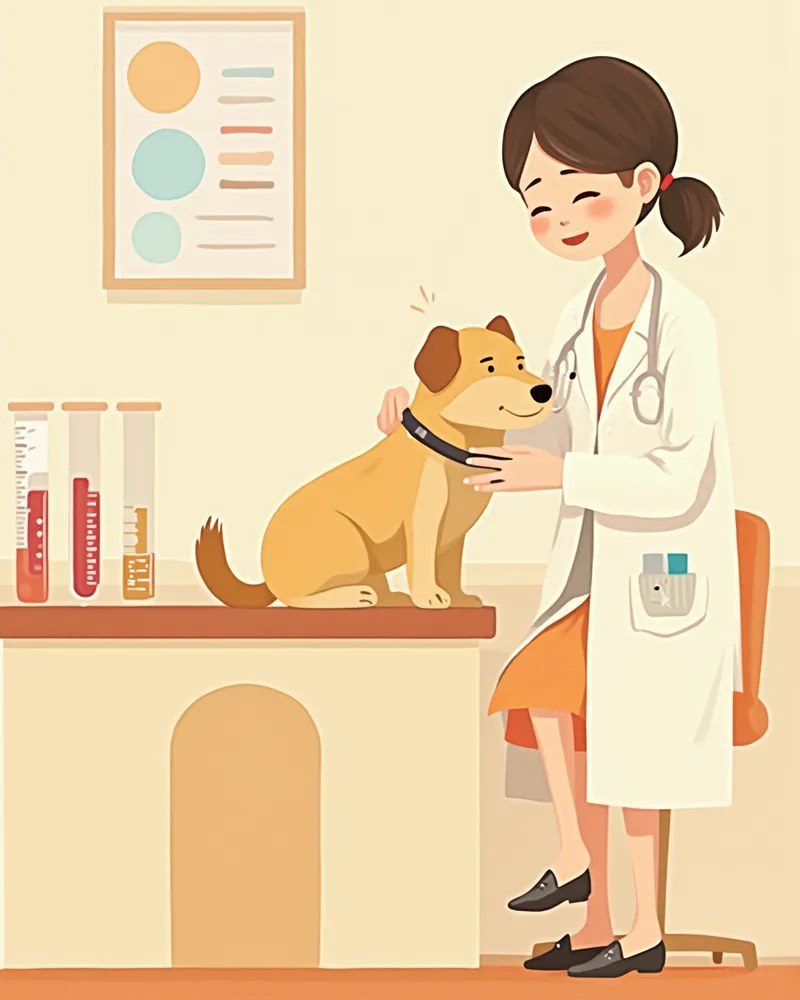
A definitive diagnosis of EPI cannot be made based on symptoms alone; blood tests are essential. Veterinary internal medicine textbooks recommend cTLI (canine trypsin-like immunoreactivity) as the primary diagnostic test. Following your veterinarian’s instructions for appropriate fasting before blood collection, a low cTLI level confirms EPI. Cobalamin (B12) and folate levels should also be assessed, as significantly low B12 may indicate concurrent intestinal malabsorption, requiring a separate supplementation plan.
A puppy undergoing a blood test to diagnose EPI.

The Cornerstone of Treatment: Enzyme Supplementation

While Exocrine Pancreatic Insufficiency (EPI) is difficult to cure completely, your pet can return to a normal daily life with lifelong enzyme supplementation. Enzyme replacement is the cornerstone of EPI treatment, so veterinary pancreatic enzymes (derived from porcine or bovine pancreas) should be mixed into food and administered consistently with every meal. However, starting doses vary by individual, so rather than applying a standard fixed amount, it is safer to begin with the dose prescribed by your veterinarian and adjust it together based on stool consistency and weight changes. There is no need to soak the enzymes in food for long periods beforehand; simply mix them in right before feeding. Since pancreatic enzymes can be partially broken down by stomach acid and proteolytic enzymes, consistency in administering them with every meal is more important than excessive pre-treatment.

Dietary Management: What Foods and Treats Are Best?

Just as important as enzyme supplementation is the composition of the daily diet and treats. Here are the dietary principles outlined in veterinary nutrition textbooks. Highly digestible protein and diet: Ingredients with high digestibility and low burden, such as chicken and salmon, should form the foundation. Highly digestible diets have been reported to aid nutrient absorption and improve cobalamin (B12) levels. Do not reduce fat uniformly: Whether "low-fat" is always the correct answer remains debated. Digestibility is more important than simply being low in fat, and fat levels should be determined in consultation with a veterinarian based on the individual’s condition and any comorbidities. Avoid excessive protein: Avoid excessively high protein content, and maintain appropriate levels in consultation with a veterinarian. Consult your veterinarian regarding fiber: Dietary fiber content should be adjusted under veterinary guidance, depending on the individual’s condition and comorbidities. Treats should also focus on low-fat meats: Be especially cautious with high-fat sausages and butter-like products, particularly if pancreatitis is present.
Easily digestible food and enzyme supplements for puppies with EPI

Don’t Miss Vitamin B12 (Cobalamin) Supplementation

A significant number of dogs with exocrine pancreatic insufficiency (EPI) are deficient in vitamin B12 (cobalamin). The pancreas secretes intrinsic factor, which is necessary for B12 absorption; in EPI, this function is impaired, and the resulting deficiency is often compounded by intestinal bacterial imbalance (dysbiosis). In fact, hypcobalaminaemia is reported in most dogs with EPI, and diets adequately supplemented with cobalamin have been shown to aid recovery and improve overall condition. Therefore, if your dog is not gaining weight despite diligent enzyme supplementation, please have their B12 levels rechecked via blood test and, based on your veterinarian’s assessment, ensure consistent supplementation via injection or oral administration.

Daily Management Tips for Home Care

You can significantly reduce the risk of recurrence and worsening by following these four daily management tips.
Consistent feeding times: Divide meals into 2–3 portions given at the same time each day.
Weight and stool log: Record your pet’s weight once a week and monitor stool consistency daily.
Avoid high-fat treats: Steer clear of cheese, butter, and fatty processed meats.
Stress management: If chronic pancreatitis is present, avoid feeding immediately after intense exercise.
Since the exact ingredients in human food are often unknown, it’s safest to rely on prescribed pet food and approved treats.

Reviewed by a veterinarian

Dr. Tony — Punnawat Phongkittirak

Dr. Tony — Punnawat Phongkittirak

Veterinarian

A veterinarian who majored in veterinary medicine at Khon Kaen University, Thailand, and completed the IVSA program at North Carolina State University in the United States. Drawing on clinical experience at animal hospitals, he works in the pet healthcare field and is dedicated to building a digital care environment that connects pet parents with veterinarians.

Frequently Asked Questions

Can EPI in dogs be cured?
While a complete cure may be challenging, maintaining a consistent enzyme supplement and tailored diet can help your dog achieve a quality of life similar to that of other dogs. With ongoing treatment and management, many dogs experience gradual stabilization in their weight and stool consistency.
Are German Shepherds particularly prone to EPI?
Yes, Rough Collies are indeed one of the breeds most genetically predisposed to pancreatic acinar atrophy (PAA). If your dog from this breed experiences unexplained weight loss or abnormal stools, it’s advisable to have a cTLI test performed early on.
Should I soak the enzyme powder in the pet food beforehand?
No, it’s not necessary. It’s widely recommended to simply mix the pancreatic enzymes into the food right before feeding. Since stomach acid and proteolytic enzymes partially break down these enzymes, soaking them for longer doesn’t improve their effectiveness. In fact, leaving them mixed in for too long may pose hygiene concerns.
Should I reduce fat intake for a puppy with exocrine pancreatic insufficiency (EPI)?
“Always choosing low-fat” isn’t always the right answer. Whether a low-fat diet is truly necessary remains debated, and digestibility is often more important. The appropriate fat level depends on concurrent conditions (especially chronic pancreatitis) and the individual’s health status, so always determine it together with your veterinarian.
Can I give my pet human digestive enzyme supplements?
We don’t recommend it. Because the dosage and active units vary, the effect is inconsistent, and there’s also a risk of side effects from additives. Always use a pancreatic enzyme product specifically formulated for animals.

Share

Related Guides

References

[1] Schaer M, Gaschen F. Clinical Medicine of the Dog and Cat, 4th Ed, Ch.11 Diseases of the Exocrine Pancreas

[2] Stockham SL, Scott MA. Fundamentals of Veterinary Clinical Pathology, 3rd Ed, Exocrine Pancreatic Insufficiency

[3] Delaney SJ, Fascetti AJ. Applied Veterinary Clinical Nutrition, 2nd Ed, Ch. Pancreatic Disorders

This information is based on veterinary literature and does not replace diagnosis or treatment. Please consult a veterinarian for specific health concerns.

Metapet Co., Ltd. | CEO: Park Sung-yong | Business Reg. No. 417-88-02562 | Seoul, South Korea | Customer Center

Canine EPI: Symptoms, Diagnosis & Dietary Management Guide | Meongsiljang