
Lethargy vs. Fatigue vs. Illness in Dogs and Cats: How to Tell the Difference?
Lethargy, fatigue, and illness can be distinguished by the speed of recovery and accompanying symptoms. If the condition persists for more than 24 hours or is accompanied by a decreased appetite or vomiting, it may be a sign of illness.
How Do Lethargy, Fatigue, and Disease-Related Weakness Differ?
Defining Fatigue, Lethargy, and Disease-Related Weakness
Comparison Table of the Three Conditions
| Item | Simple fatigue | Lethargy | Illness-related weakness |
|---|---|---|---|
| Duration | Within a few hours | Half a day to a day | 24 hours or more |
| Appetite | Normal | Similar to usual | Decreased or refusing |
| Recovery speed | Immediately after rest | Gradually after sleep | Does not recover |
| Accompanying symptoms | None | Almost none | Vomiting, fever, coughing, etc. |
| Responsiveness | Normal | Somewhat slow | Dull response when called |
| Veterinary visit | Unnecessary | Decide after observation | Immediately needed |
If 3 or more checklist items fall under the 'Illness-related weakness' column, same-day veterinary care is recommended
Observation Checklist to Check at Home

Go to the Vet Immediately If You See These Signs
If lethargy is accompanied by any of the following symptoms, it constitutes a medical emergency: if your pet hasn’t eaten for more than a day, is experiencing repeated vomiting or diarrhea, is panting heavily, or has pale gums, you should go to an emergency veterinary clinic immediately. In particular, if a cat’s loss of appetite persists for several days, the risk of fatty liver disease (hepatic lipidosis) increases significantly, so do not overlook a state of near-complete anorexia. For senior dogs, senior cats, or pets with underlying health conditions, it is safer to have them examined even if they appear lethargic for just one day.
Potential Diseases That May Be Hidden Behind Lethargy
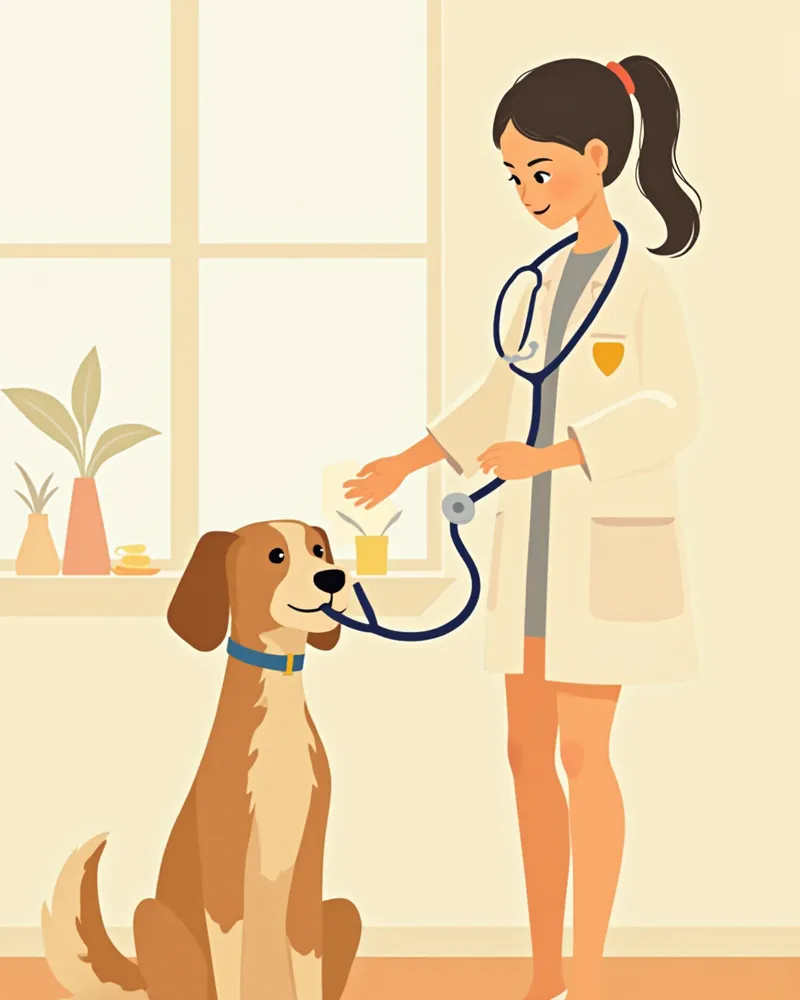
Home Care Tips and Recording Methods
Additional Precautions by Breed and Age
In senior dogs and cats aged seven and older, lethargy can be an early sign of heart, kidney, or tumor-related diseases. In brachycephalic breeds (French Bulldogs, Pugs, Persians), fatigue due to breathing difficulties is common, making it especially difficult to distinguish normal tiredness from concerning lethargy. In large-breed dogs (Golden Retrievers, Dobermans), dilated cardiomyopathy should be considered, while in cats, hypertrophic cardiomyopathy is a possibility. Even with the same symptoms, the level of risk varies depending on age and breed, so if you sense that your pet is “not acting like their usual self,” it’s a good idea to consult your veterinarian.
Reviewed by a veterinarian

Dr. Tony — Punnawat Phongkittirak
VeterinarianA veterinarian who majored in veterinary medicine at Khon Kaen University, Thailand, and completed the IVSA program at North Carolina State University in the United States. Drawing on clinical experience at animal hospitals, he works in the pet healthcare field and is dedicated to building a digital care environment that connects pet parents with veterinarians.
Reviewed 2026-04-29
Frequently Asked Questions
Is it okay for my pet to sleep all day?
Is it normal for my dog to be completely exhausted after a walk?
Cats are naturally big sleepers, but how can you tell the difference between normal rest and lethargy?
Can I give my pet nutritional supplements when they’re feeling lethargic?
Would taking your pet’s temperature be helpful?
Share
Related Guides

7 Behavioral Enrichment Strategies for Mental Stimulation Recommended by Veterinarians
Top 5 Recommended Cognitive Supplements for Cats in 2026

Top 5 Calming Supplements for Dogs and Cats in 2026
Is Dog Surgery Anesthesia Safe? From Risk Assessment to Recovery Management
Types and Necessity of Canine Genetic Testing

Checklist for Preparing to Raise Your First Puppy
Is Rehoming Your Dog Really the Answer? — Considerations and Alternatives Before Deciding
A Complete Guide to Cat Vaccination Costs

What Are Prescription Diets? Types and Feeding Guide

The Ultimate Guide to Choosing Dog Food (by Age and Constitution)
References
[1] Silverstein, D., Hopper, K., Small Animal Critical Care Medicine, 3rd Edition, Elsevier, 2022
[2] Little, S., The Cat: Clinical Medicine and Management, 2nd Edition, Elsevier, 2024
[3] National Research Council, Nutrient Requirements of Dogs and Cats, National Academies Press, 2006