Like
Share
멍실장
고양이 화장실 빈도와 정상 패턴, 하루 몇 번이 정상일까?

Cat Litter Box Frequency and Normal Patterns: How Many Times a Day Is Normal?

ImmunityQ&AMeongsiljang Veterinary Advisory Board

A healthy cat typically urinates 2–4 times and defecates 1–2 times per day. A sudden change in frequency could signal an underlying issue, such as cystitis or constipation.

Cat Litter Box Frequency: How Many Times a Day Is Normal?
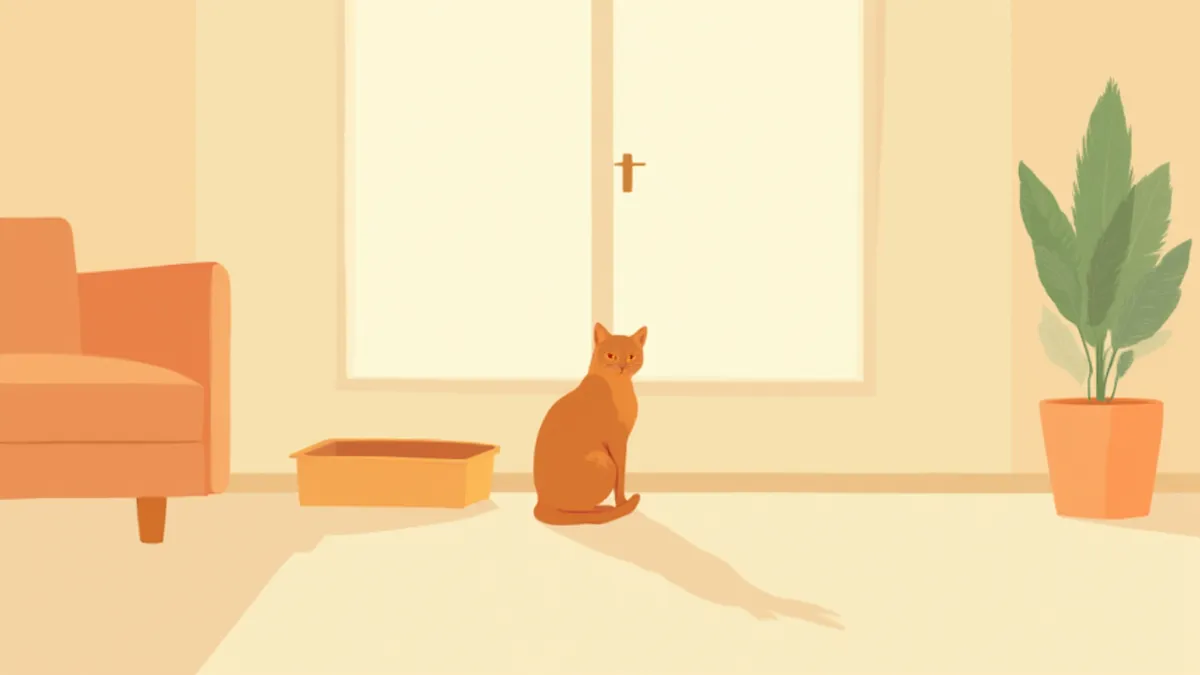
A cat sitting next to the litter box
Litter box habits vary widely among cats, so even healthy adult cats may have slightly different urination and defecation frequencies. What truly matters is your cat’s individual baseline. Veterinary textbooks emphasize that when assessing elimination habits, you should consider not just frequency, but also volume and consistency. If your cat is using the litter box significantly more often than usual, or hasn’t urinated at all for over 24 hours, immediate veterinary care is necessary. Straining to urinate or changes in frequency can be the earliest signs of lower urinary tract diseases such as cystitis or urinary stones.

Why You Should Check Litter Box Frequency Daily

Cats are skilled at hiding pain and discomfort, so the first warning sign owners often notice is a change in their litter box habits. According to veterinary internal medicine textbooks, lower urinary tract disease (FLUTD) initially presents with increased urination frequency or straining during urination. Moreover, the act of straining without producing urine can be mistaken for constipation, which itself is a common issue that causes pain and straining during defecation. Therefore, developing the habit of monitoring the frequency, volume, and appearance of urine and feces daily is the starting point for effective health management.

Normal Elimination Frequency Guidelines by Life Stage

ItemKitten (under 3 months)Adult cat (1–7 years)Senior cat (10 years and older)
Urination frequency/day4–6 times2–4 times2–3 times (watch for decrease)
Defecation frequency/day2–3 times1–2 timesOnce or every other day
Urine volumeSmall·frequentClumped at onceTends to become looser
Warning signsDiarrhea·dehydrationHematuria·difficulty urinatingPolyuria·polydipsia (kidney failure)

Because there are individual differences, 'your own cat's usual pattern' is the most important standard

What Normal Urine and Stool Look Like

Check your cat’s litter box each time you clean it. Normal urine is clear yellow to dark yellow, and the clumps on top of the litter should be firm and about the size of a ping-pong ball to a golf ball. Normal stool is chocolate brown, sausage-shaped, and firm enough to hold its shape when picked up. Red or coffee-colored urine, black or gray stool, or stool mixed with mucus or blood are all abnormal signs that require a veterinary visit within 24 hours.
Illustration showing how to check for clumping in cat litter

Emergency Signs Requiring Immediate Veterinary Care

Seek immediate veterinary care if you notice any of the following: 1) No urination for more than 24 hours (especially in males); 2) Frequent trips to the litter box with only a few drops of urine produced; 3) Crying or vocalizing during urination; 4) Red or pink urine; 5) No bowel movement for more than 48 hours; 6) A sudden increase in accidents outside the litter box. In particular, urethral obstruction in male cats is a life-threatening emergency that can be fatal within hours.

If Frequency Suddenly Increases: 3 Suspected Conditions

If your pet is urinating more than twice as often as usual, consider these three possibilities: - Feline Idiopathic Cystitis (FIC): A stress-related inflammation of the bladder, characterized by frequent small-volume urination and signs of pain during voiding. - Urinary Tract Stones: Crystals irritate the urethra, causing frequent straining during urination. - Diabetes or Kidney Failure: Increased water intake leads to a higher overall urine volume. Since the underlying causes and treatments differ significantly, it’s helpful to keep a record of the changes in urination frequency to share with your veterinarian during the visit.
A pet owner observing their cat’s litter box usage

If Frequency Decreases or Is Absent: Constipation and Urethral Obstruction

If your pet hasn’t urinated or defecated for more than a day, it may actually be a sign of a more serious problem. - Urethral obstruction: This is especially common in male cats. Their longer, narrower urethra makes blockages more likely, and if urine flow is blocked, it can lead to kidney damage. - Constipation and megacolon: Insufficient water intake or reduced intestinal motility can cause stool to become hard and accumulate. - Stress-related withholding of elimination: Changes such as a new family member, moving, or a new litter box can sometimes cause temporary withholding. Regardless of the cause, if symptoms persist, veterinary care is necessary.

5 Environmental Management Tips to Increase Litter Box Use
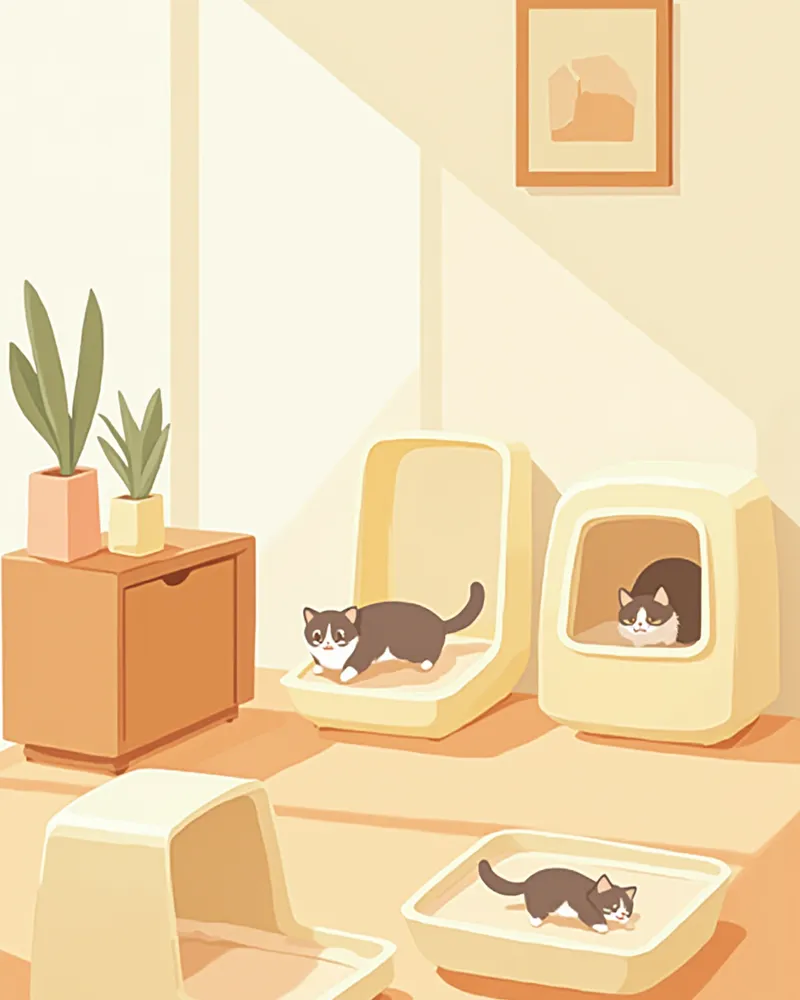
- Number: As a general rule, provide one more litter box than the number of cats. - Location: Choose a quiet, easily accessible spot that is separate from their food and water bowls. - Size: The box should be at least 1.5 times the length of the cat’s body, with open-top designs generally preferred. - Litter: Most cats prefer fine-grained bentonite litter. Avoid making sudden changes to a new type of litter. - Hygiene: Scoop the litter box 1–2 times daily and completely replace the litter once a week. Veterinary behavior textbooks emphasize that a “clean litter box” is the most powerful factor in encouraging voluntary use.
Several clean cat litter boxes

Senior Cats Require Closer Attention to 'Decreased Frequency'

Senior cats aged 10 and older may avoid using the litter box or experience pain during urination and defecation due to arthritis, obesity, or cognitive decline. To help them, place several large litter boxes with low entry thresholds in easily accessible locations. Conversely, if your cat drinks excessively and produces noticeably more urine (polydipsia and polyuria), suspect systemic conditions such as chronic kidney disease or diabetes. Regular health checkups and urinalysis are recommended for senior cats.

Reviewed by a veterinarian

Dr. Tony — Punnawat Phongkittirak

Dr. Tony — Punnawat Phongkittirak

Veterinarian

A veterinarian who majored in veterinary medicine at Khon Kaen University, Thailand, and completed the IVSA program at North Carolina State University in the United States. Drawing on clinical experience at animal hospitals, he works in the pet healthcare field and is dedicated to building a digital care environment that connects pet parents with veterinarians.

Frequently Asked Questions

My cat only urinates once a day. Is this normal?
Once a day is on the low side for an adult cat. Make sure they’re drinking enough water, and if this pattern persists for more than two days or the clumps are small, visit the vet. In male cats, this could be an early sign of urethral obstruction, so don’t delay.
My kitten is going to the litter box too frequently.
Puppies under three months old have small bladders, so urinating four to six times a day is normal. However, if diarrhea or signs of dehydration—such as dry gums and reduced skin elasticity—are also present, it’s important to consult a veterinarian to rule out parasites or infections.
The frequency of bowel movements remains the same, but the amount has decreased.
The amount per session is just as important as the frequency. If you notice your pet’s urine clumps are significantly smaller, it could indicate difficulty urinating or insufficient water intake. Increase the number and variety of water bowl locations, and if symptoms persist for more than three days, have a urinalysis performed.
How should I keep track of how many times my pet uses the bathroom?
Simply noting the number of times your pet urinates and defecates in a calendar app is sufficient. Counting the scoops of litter or using the tracking feature of an automatic litter box can make this easier. Showing your veterinarian the records from the past two weeks during a visit can greatly aid in diagnosis.
In a multi-cat household, how can I tell which cat used the litter box and how many times?
If it’s hard to tell which cat is using the litter box, avoid using different-colored, dye-free markers for each cat. Instead, we recommend placing a CCTV or pet camera near the litter box area, or using a litter box with an automatic weight-recording scale to track which cat is using it.

Share

Related Guides

References

[1] Little, S.E., The Cat: Clinical Medicine and Management, 2nd Edition, Elsevier, 2011

[2] Shaw, J. & Martin, D., Canine and Feline Behavior for Veterinary Technicians and Nurses, Wiley Blackwell, 2015

[3] Overall, K.L., Manual of Clinical Behavioral Medicine for Dogs and Cats, Elsevier, 2013

This information is based on veterinary literature and does not replace diagnosis or treatment. Please consult a veterinarian for specific health concerns.

Metapet Co., Ltd. | CEO: Park Sung-yong | Business Reg. No. 417-88-02562 | Seoul, South Korea | Customer Center

Normal Cat Bowel Movement Frequency: How to Spot Abnormal Signs | Meongsiljang