

Kitten Deworming Schedule FAQs — Key Information Every Owner Must Know
Deworming for kittens should begin at two weeks of age. Regular deworming is essential to prevent parasitic infections and support healthy growth.
Kitten Deworming Begins at Two Weeks of Age

Start Deworming at Two Weeks of Age, Then Repeat Every Two Weeks
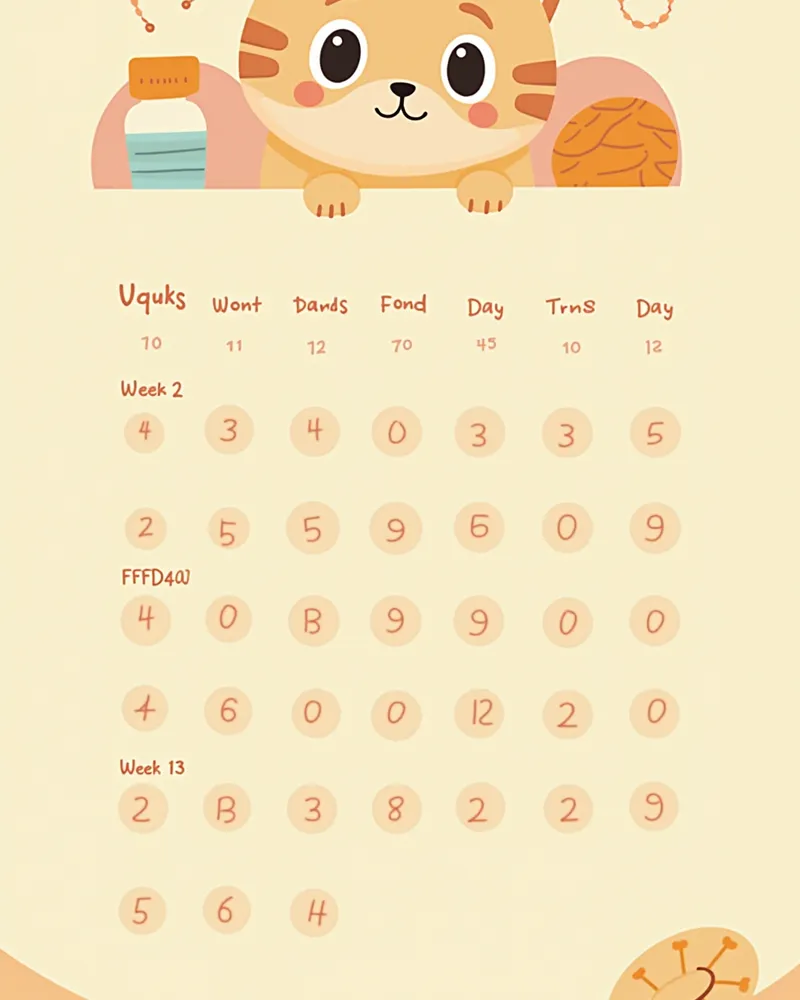
Select Deworming Medication in Consultation with a Veterinarian, Based on Breed and Body Weight

Comparison of Key Stages by Deworming Schedule
| Item | Key Behaviors | Required Actions | Precautions |
|---|---|---|---|
| 2–4 weeks of age | Early stage vulnerable to parasitic infection | Decide the timing to start deworming with your veterinarian based on age and product label guidelines | Veterinary consultation is essential |
| 5–8 weeks | A period requiring attention to parasite activity | Repeat deworming at appropriate intervals per veterinary judgment | Check the product label's applicable age and body weight criteria |
| After 9 weeks | Transition to adult cat deworming management | Maintain intervals according to veterinary recommendations | Perform regular fecal examinations |
The deworming schedule may vary depending on body weight and the type of parasite. Consult your veterinarian.
Changes in Stool After Deworming Are Normal; It Is the Process of Expelling Parasites

Overdosing on Deworming Medication Is Dangerous; Never Self-Prescribe
Deworming medication must be administered at the exact dose based on your pet’s body weight. Overdosing can cause central nervous system damage or liver injury. Never adjust the dosage on your own.
Regular Fecal Exams Are Necessary Outside of Deworming Seasons

Reviewed by a veterinarian

Dr. Tony — Punnawat Phongkittirak
VeterinarianA veterinarian who majored in veterinary medicine at Khon Kaen University, Thailand, and completed the IVSA program at North Carolina State University in the United States. Drawing on clinical experience at animal hospitals, he works in the pet healthcare field and is dedicated to building a digital care environment that connects pet parents with veterinarians.
Reviewed 2026-06-29
Frequently Asked Questions
When should you start deworming kittens?
How should I determine the deworming schedule?
What happens if a pet takes deworming medication incorrectly?
Is it okay if I see parasites in my pet’s stool after deworming?
Can I administer deworming medication to my pet at home?
Share
Related Guides

5 Flea and Tick Preventives for Cats Recommended by Veterinarians — Ingredient Safety Comparison

The Ultimate Guide to Differentiating Symptoms, Managing Internal Parasites in Dogs, and Choosing the Best Products

Best Practices and Selection Criteria for Dog Heartworm Antigen Testing

What Is a Feline Food Allergy Trial? — From Elimination Diet Procedure to Interpretation
Understanding Feline Idiopathic Cystitis (FIC) in Detail
How to Separate Territories in a Multi-Cat Household?

Can Cats Be Walked Too? — Key Points and Precautions for Harness Training

How to Use a Cat Puzzle Feeder: Nosework Benefits and How to Start

The Complete Guide to Catnip Effects and Types

Why Do Cats Love Sunbathing Spots? — How to Create a Safe Sunbathing Spot
References
[1] The Cat, Clinical Medicine and Management, 2nd Edition. Elsevier, 2022.
[2] Principles and Practices of Canine and Feline Clinical Parasitic Diseases. Wiley-Blackwell, 2021.
[3] American Association of Feline Practitioners (AAFP). Feline Parasite Control Guidelines, 2023.