
Like
Share
멍실장
고양이 참진드기 예방·제거 자주 묻는 질문 Q&A — 보호자가 꼭 알아야 할 핵심

Cat Tick Prevention & Removal FAQ — Key Information Every Owner Must Know

Infection/ParasitesQ&AMeongsiljang Veterinary Advisory Board

We’ve compiled the essential information every cat owner should know about preventing and removing ticks from their cats. Learn about prevention methods, precautions during removal, and how to identify symptoms—all in one place.

5 Key Questions on Cat Tick Prevention & Removal

A cat sitting by the window and a tick removal tool
Cat ticks attach to the skin to feed on blood, potentially transmitting infectious diseases and causing anemia in severe cases. While they are most active in spring and autumn, climate change has increased the risk of year-round infestations, making prevention essential. - Tick preventatives: Use cat-specific products to repel ticks or kill them quickly after attachment. - Removal method: Avoid pulling by hand, as this can leave mouthparts behind; instead, use a dedicated tick remover to extract the tick slowly and completely. - Prevention timing: Due to the increased risk of year-round occurrence, regular application from spring through autumn is ideal. - Product selection: Use only cat-specific products containing veterinary-approved ingredients such as fipronil, fluralaner, moxidectin, or eprinomectin. - When to visit the vet: If fever, loss of appetite, or swelling persists after tick removal, consult your veterinarian immediately.

Why Are Tick Preventives Essential?

Ticks attach to a cat’s skin and feed on its blood, which can lead to anemia or viral diseases. They are especially active in spring and fall, making prevention essential. - Effectiveness of preventives: Various active ingredients have been proven effective in veterinary medicine, and regular use helps reduce the risk of tick infestation. - How they work: Preventives either repel ticks or kill them within 24 hours of attachment. - Year-round prevention needed: Due to climate change, ticks can remain active even in winter, so consistent year-round management is important. - Precautions: Products formulated for dogs can be fatal to cats, so never use them on felines. - Veterinary recommendation: For the safest approach, consult your veterinarian to choose a preventive tailored to your cat’s needs.
A scene showing the application of a spot-on flea and tick preventive on a cat's back

Tick Removal Methods: Risks of Improper Technique
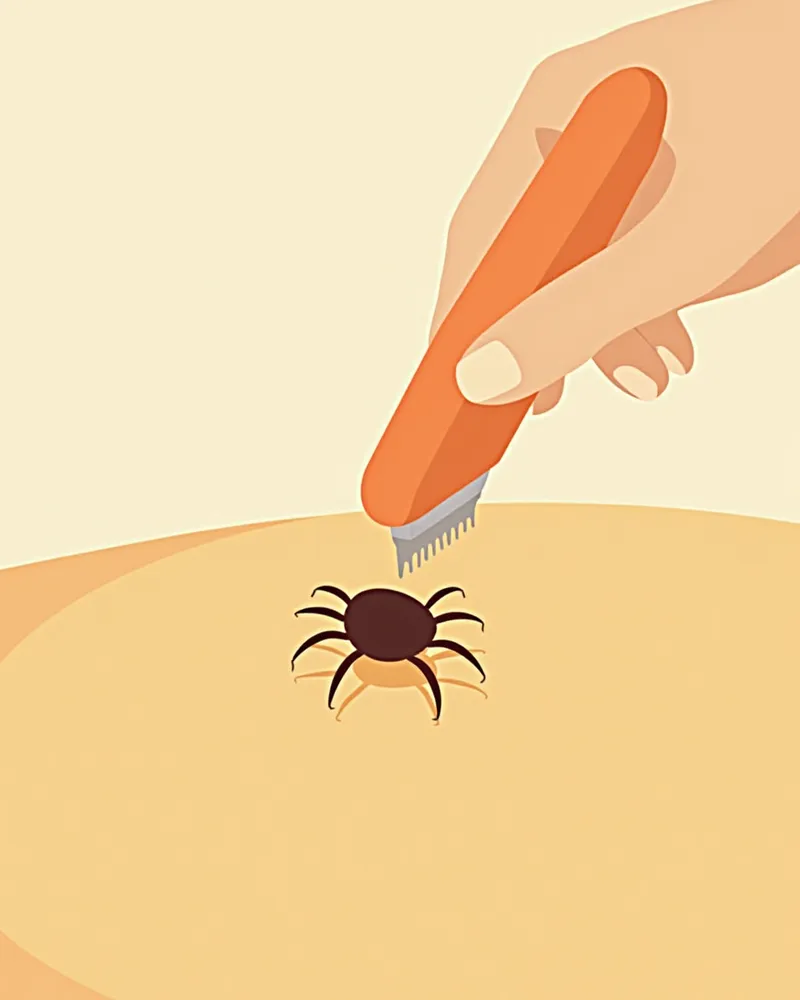
Removing ticks requires specialized tools. - Tick removal tool: A dedicated tool grasps the tick’s mouthparts precisely, allowing for complete removal without breaking. - Pulling by hand: Attempting to remove a tick by hand can leave mouthparts embedded in the skin, potentially causing inflammation or infection. - Post-removal care: Dispose of the removed tick in a sealed container and wash your hands thoroughly with soap. - Monitor for skin reactions: If redness, swelling, or itching occurs within 24 hours of removal, consult your veterinarian. - Continue prevention: Regular use of preventive treatments remains essential even after removal.
Using a tick removal tool to extract ticks from a cat's skin

Comparison of Tick Preventive Types

ItemDuration of EffectMethod of UsePrecautions
Spot-on product1 monthApply directly to the skinUse only cat-specific products
Collar type2–3 monthsWorn around the neckMay cause skin irritation
Oral medication1 monthTaken in treat formRecommended to take after a meal

Use only cat-specific products. Products made for dogs can be fatal.

When Should Tick Prevention Begin?

While tick activity peaks from spring through autumn, climate change has increased the risk of year-round exposure. Therefore, it’s ideal to begin prevention before spring arrives. - When to start prevention: Starting preventive treatment before spring helps effectively block tick infestations. - Regular use recommended: During spring and autumn, apply preventives regularly as directed on the product label—typically every month. Since ticks can remain active even in winter, consistent year-round care is essential. - Check after outdoor activities: After your pet spends time outdoors, carefully inspect their ears, paws, neck, and between the hairs for any signs of ticks. - Veterinary guidance: Consult your veterinarian to develop a safe, personalized year-round prevention plan. - Prevention effectiveness: Preventive products help reduce the risk of tick-borne infections, and consistent use is key to maintaining protection.
A calendar showing the months with high tick activity in spring and fall

Visit the Vet Immediately If Abnormal Symptoms Appear After Tick Removal

After removing the ticks, if your cat shows signs of fever, loss of appetite, lethargy, or if the affected area becomes swollen or continues to bleed, you should take them to the vet immediately. These could be signs of infection or a toxic reaction. Especially if a product intended for dogs was mistakenly used, it could lead to fatal consequences.

Key Points to Consider When Choosing a Preventive

When choosing a tick preventive for your cat, it’s important to carefully consider the active ingredients, safety profile, and ease of use. - Active Ingredients: Fipronil, fluralaner, moxidectin, and eprinomectin are ingredients with proven efficacy in veterinary medicine. - Species Specificity: Always ensure the product is specifically formulated for cats; never use products intended for dogs. - Application Methods: Options include spot-on liquids applied to the back of the neck, sprays, and oral medications (such as isoxazolines). - Veterinary Consultation: For the safest choice, consult your veterinarian to select a product that suits your cat’s health status and living environment. - Side Effects: Some products may cause side effects like vomiting or skin irritation, so it’s important to monitor your cat closely when using a new product for the first time.
A shelf stocked with tick preventatives specifically formulated for cats

Reviewed by a veterinarian

Dr. Tony — Punnawat Phongkittirak

Dr. Tony — Punnawat Phongkittirak

Veterinarian

A veterinarian who majored in veterinary medicine at Khon Kaen University, Thailand, and completed the IVSA program at North Carolina State University in the United States. Drawing on clinical experience at animal hospitals, he works in the pet healthcare field and is dedicated to building a digital care environment that connects pet parents with veterinarians.

Frequently Asked Questions

What should I do if my cat has been bitten by a tick?
Use a tick removal tool to gently and slowly extract the tick, then dispose of it. Afterward, disinfect the area and monitor for any unusual symptoms over the next 24 hours.
I used a dog tick preventive on my cat. Is it dangerous?
This is very dangerous. Products intended for dogs can be fatal to cats, so you need to take your cat to a veterinarian immediately. In particular, the ingredient permethrin is highly toxic to cats.
Do I need to use tick preventatives every month?
It varies depending on the product. Some are used monthly, while others are used every three months. It is important to use them regularly according to the instructions for use.
What symptoms might a cat exhibit after being bitten by a tick?
Symptoms may include skin itching, swelling, bleeding, fever, loss of appetite, and fatigue. In severe cases, anemia or infectious diseases may develop.
Can ticks still attach even after using a tick preventive?
Yes, while it’s difficult to provide complete protection, you can reapply the product if its effectiveness diminishes. Regular use and checking your pet after outdoor activities are key.

Share

Related Guides

References

[1] BSAVA Manual of Canine and Feline Dermatology, 4th Ed. (2023). BSAVA Publications.

[2] Principles and Practices of Canine and Feline Clinical Parasitic Diseases. (2008). Shoorijeh et al., Turkish Journal of Veterinary and Animal Sciences.

[3] Fipronil-based spot-on products for tick control in cats: Efficacy and safety evaluation. (2021). Journal of Feline Medicine and Surgery.

This information is based on veterinary literature and does not replace diagnosis or treatment. Please consult a veterinarian for specific health concerns.

Metapet Co., Ltd. | CEO: Park Sung-yong | Business Reg. No. 417-88-02562 | Seoul, South Korea | Customer Center

Cat Tick Prevention & Removal: 5 FAQs | Meongsiljang