
Like
Share
멍실장
강아지 고양이 해외 이주 검역 완벽 가이드

The Ultimate Guide to Pet Quarantine for International Relocation

ImmunityQ&AMeongsiljang Veterinary Advisory Board

We’ve outlined the step-by-step quarantine procedures, rabies antibody testing, and country-specific requirements for relocating overseas with your pet.

What Is Pet Quarantine for International Relocation?

Dogs and cats looking out at the world from inside their travel carriers
Pet quarantine for international relocation is a system designed to prevent the cross-border spread of infectious diseases, involving procedures such as microchip registration, rabies vaccination, antibody testing, and the issuance of a health certificate, all in accordance with each country’s specific regulations. The most critical factor is timing. The process from the rabies antibody test to entry can take anywhere from 30 days to over six months, so you must coordinate your schedule with a veterinary clinic and the quarantine authority as soon as you decide to move. Missing even a single document can result in your pet being returned at the airport or placed in local isolation.

Overview of the Entire Quarantine Process

Overseas relocation quarantine generally involves four main steps. First, your pet must have a microchip implanted and registered. Second, after receiving the rabies vaccination, you must wait a specified period before undergoing a rabies antibody titer test. The rabies vaccine is only considered valid if administered after 12 weeks of age, and most countries require a minimum waiting period of 21 days post-vaccination before your pet is eligible to depart. Third, you must obtain an Animal Health Certificate and a Quarantine Certificate within 10 days of your departure date. Please note that the Health Certificate is invalid if issued more than 10 days before departure, so timing is critical. Fourth, your pet will undergo document inspection at the airport quarantine desk before departure. Cats follow the same procedure, though some countries may require additional treatments such as tapeworm deworming or extra vaccinations. Since waiting periods and specific requirements vary significantly by country, it is crucial to follow the correct sequence; skipping or reversing any step may require restarting the entire process from the beginning.

Comparison of Pet Entry Requirements by Major Country

ItemEuropean Union (EU)USAJapanAustralia
MicrochipTrueTrueTrueTrue
Rabies vaccinationRequiredRequired2 or more requiredRequired
Antibody titer testRequired (some exemptions)Mostly not requiredRequired (0.5 IU/ml or higher)Required
Waiting period after vaccination21 days30 days180 days180 days or more
Estimated preparation period1–3 months1–2 months7 months or more7–12 months

As of April 2026; subject to change, so checking with the Animal and Plant Quarantine Agency before departure is essential

Rabies Antibody Titer Test — The Most Critical Step
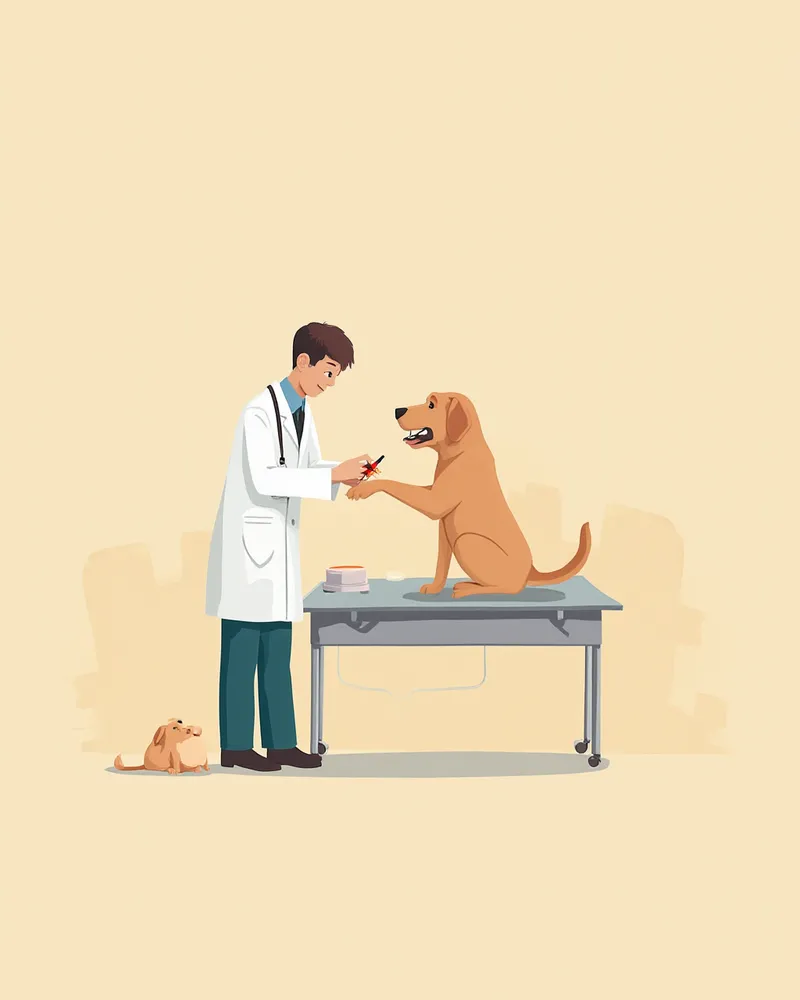
Antibody testing is a blood test that confirms whether the rabies vaccine has actually taken effect. The rabies vaccine is only considered effective when administered at 12 weeks of age or older, and you must wait at least 21 days after vaccination before proceeding with departure procedures. If the antibody titer falls below the threshold set by the destination country (many countries require at least 0.5 IU/ml), you will need to revaccinate and retest, which will delay your relocation schedule accordingly. Please remember that this threshold is not a diagnostic value from veterinary textbooks, but rather an "import requirement" established by each country's quarantine authorities. The test is only valid if performed at an internationally accredited laboratory designated by the Animal and Plant Quarantine Agency, and the result certificate must be issued in English. For young puppies and kittens, earlier vaccination can sometimes result in lower antibody titers, so it is best to adhere to the vaccination schedule after 12 weeks of age.
A puppy having blood drawn at the animal hospital.

Why You Must Start Preparing 3–4 Months Before Departure

After rabies vaccination, it takes at least 30 days for antibody testing, and an additional 2–3 weeks to receive the test results. Some countries (such as Japan and Australia) require a mandatory 180-day waiting period after vaccination. Rushing the process may result in having to change flights or even postpone the move. As soon as your departure date is confirmed, schedule a timeline with your veterinarian.

Required Documents and Issuance Procedures

You’ll need five basic documents. - Microchip registration certificate: Must comply with the 15-digit ISO standard. - Rabies vaccination certificate: Must include the manufacturer, lot number, and vaccination date. - Antibody test result: Issued by an internationally accredited laboratory. - Animal health certificate: Issued by a veterinarian within 10 days of departure. - Quarantine certificate: Issued by the Animal and Plant Quarantine Agency on the day of departure or the day before. An English version is mandatory, and some countries also require notarization or an apostille.
The neatly organized pet quarantine documents on the desk

Air Transport and Care After Arrival

Airlines have different rules for pets traveling in the cabin, as checked baggage, or as cargo. - In-cabin travel: Most airlines only allow small dogs and cats weighing 7–8 kg or less. - Cargo transport: An IATA-compliant kennel is mandatory, and booking at least 30 days before departure is recommended. - Arrival at destination: Some countries (e.g., Australia and New Zealand) require pets to undergo mandatory quarantine for 10–30 days after arrival. Long-haul flights carry a high risk of stress and dehydration, so begin kennel acclimation training at least two weeks before departure.

Special Precautions for Cats, Senior Dogs, and Brachycephalic Breeds

Cats are prone to idiopathic cystitis triggered by stress, so it’s important to carefully monitor their water intake before and after travel. For senior dogs and those with heart or kidney disease, consult your veterinarian first to confirm whether air travel is safe. Brachycephalic breeds such as Bulldogs and Pugs are often denied cargo transport by many airlines, so you’ll need to find flights that allow them in the cabin.

Reviewed by a veterinarian

Dr. Tony — Punnawat Phongkittirak

Dr. Tony — Punnawat Phongkittirak

Veterinarian

A veterinarian who majored in veterinary medicine at Khon Kaen University, Thailand, and completed the IVSA program at North Carolina State University in the United States. Drawing on clinical experience at animal hospitals, he works in the pet healthcare field and is dedicated to building a digital care environment that connects pet parents with veterinarians.

Frequently Asked Questions

Can an adult dog that has never received a rabies vaccination still be eligible for international relocation?
It is possible, but it takes at least 30 days for antibodies to develop after vaccination, and depending on the destination country, a waiting period of up to 180 days may be required, which extends the preparation time. Start the vaccination process as soon as your move is confirmed.
What should I do if the antibody test result is less than 0.5 IU/mL?
After receiving a rabies vaccine booster, wait at least 30 days before undergoing a follow-up test. Since this will delay your departure, be sure to plan your schedule with plenty of time to spare.
Can pregnant or nursing pets also be relocated?
Most veterinarians advise against long-haul flights during pregnancy and lactation due to the significant stress from both travel and vaccinations. Please schedule your travel only after confirming that your pet has fully recovered their health following whelping and weaning.
What should I do if the microchip is not ISO-compliant?
Most destination countries require a 15-digit ISO 11784/11785 compliant microchip. If your pet’s current chip doesn’t meet this standard, you’ll need to have a new ISO-compliant chip implanted, and all subsequent documentation must be issued using the new chip number.
Can I send my pet ahead without accompanying them?
It is possible, but commercial export regulations apply, which increases paperwork and costs. Traveling on the same flight as your pet is the fastest and most cost-effective option.

Share

Related Guides

References

[1] 농림축산검역본부, 반려동물 수출입 검역 안내

[2] World Organisation for Animal Health (WOAH), Terrestrial Animal Health Code, Chapter 8.14 Rabies, 2023

[3] Greene's Infectious Diseases of the Dog and Cat, 5th Ed, Chapter on Rabies

[4] EU Regulation (EU) No 576/2013 on non-commercial movement of pet animals

This information is based on veterinary literature and does not replace diagnosis or treatment. Please consult a veterinarian for specific health concerns.

Metapet Co., Ltd. | CEO: Park Sung-yong | Business Reg. No. 417-88-02562 | Seoul, South Korea | Customer Center

Pet Quarantine for International Relocation: Full Guide | Meongsiljang