

Frequently Asked Questions (FAQ) on Fungal Respiratory Infections (Aspergillus) in Cats — Key Information for Pet Owners
Fungal respiratory infections in cats are serious conditions caused by Aspergillus fungi, making early detection and appropriate treatment crucial. Here’s a summary of key information for pet owners to know.
What Are Fungal Respiratory Infections (Aspergillus) in Cats?
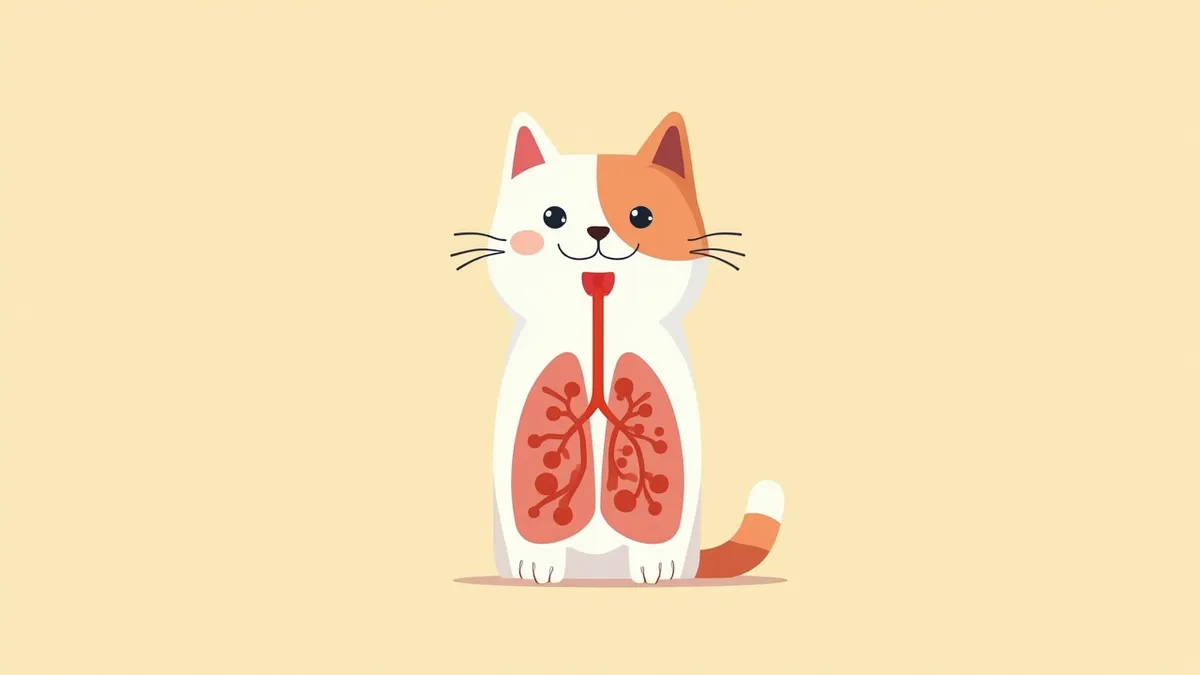
Why Are Cats Vulnerable to Aspergillus Infections?

Understanding Key Symptoms and Signs

Signs Requiring Immediate Veterinary Care
If you notice worsening bloody nasal discharge (epistaxis) from one or both nostrils, facial swelling, bulging eyes, or vision loss, or if your pet is breathing rapidly and struggling for air, seek veterinary care immediately. These signs indicate that a fungal infection may have spread beyond the nasal cavity and sinuses to the eyes or brain (specifically the cribriform plate), causing serious damage, so prompt consultation with a veterinarian is essential.
Comparison of Symptoms and Management by Infection Severity
| Item | Mild | Moderate | Severe |
|---|---|---|---|
| Main Symptoms | Nasal discharge from one nostril, sneezing, mild epistaxis | Increased purulent nasal discharge, both nostrils affected, frequent nosebleeds | Facial swelling·exophthalmos, decreased vision, neurological symptoms |
| Treatment Duration | Approximately 3 months | 3 to 10 months | More than 10 months; poor prognosis with ocular·systemic involvement |
| Treatment Method | Oral antifungal agent (e.g., itraconazole) | Endoscopic fungal plaque removal + long-term oral antifungal agent | Surgical removal·local infusion therapy + long-term antifungal agent (careful prognostic evaluation for severe cases) |
The treatment duration and method may vary depending on the cat's condition and the strain. The veterinarian decides based on body weight and health status.
Diagnostic Tests for Accurate Diagnosis
Treatment Methods and Duration

Home Care Management Points

Precautions During Treatment
Antifungal medications can place a strain on the liver, so it’s important to monitor liver function with regular blood tests during treatment. Additionally, because drug interactions may occur, always inform your veterinarian if your pet is taking any other medications. Overdosing can lead to serious side effects.
Reviewed by a veterinarian

Dr. Tony — Punnawat Phongkittirak
VeterinarianA veterinarian who majored in veterinary medicine at Khon Kaen University, Thailand, and completed the IVSA program at North Carolina State University in the United States. Drawing on clinical experience at animal hospitals, he works in the pet healthcare field and is dedicated to building a digital care environment that connects pet parents with veterinarians.
Reviewed 2026-06-29
Frequently Asked Questions
Is my cat’s runny nose a sign of infection?
Can Aspergillus infections be transmitted to humans?
Can the condition recur after treatment?
How can we prevent it?
Do antifungal medications have many side effects?
Share
Related Guides

Top Recommended Feline Bronchodilators and Selection Criteria: A Complete Guide

Best Recommendations and Selection Criteria for Monitoring Your Cat’s Respiratory Rate (RR) During Sleep for Heart Care

Best Recommendations and Selection Criteria for Monitoring Your Dog’s Respiratory Rate (RR) During Sleep for Heart Care

Dog Scabies (Mange) FAQ — Key Information Every Pet Owner Should Know

Puppy Deworming Schedule FAQ — Key Information Every Owner Should Know

Dog Internal Parasite Symptoms and Differentiation: Frequently Asked Questions (Q&A) — Key Points Every Pet Owner Should Know

Dog Heartworm Prevention and Treatment FAQ — Key Information Every Pet Owner Must Know

Canine Giardiasis FAQ — Key Information Every Pet Owner Should Know

Dog Flea Allergy Dermatitis FAQ — Key Information Every Pet Owner Should Know

Dog Fecal Parasite Testing Methods FAQ — Key Points Every Pet Owner Should Know
References
[1] Barrs, V. et al. (2007). Feline sino-orbital aspergillosis: an emerging clinical syndrome. Australian Veterinary Journal, 85(3), N23.
[2] Camps, S.M.T. et al. (2012). Discovery of a hapE mutation that causes azole resistance in Aspergillus fumigatus through whole genome sequencing and sexual crossing. PLoS ONE, 7(11), e50034.
[3] Trivedi, S.R. et al. (2011). Clinical features and epidemiology of cryptococcosis in cats and dogs in California: 93 cases (1988–2010). Journal of the American Veterinary Medical Association, 239(3), 357–369.