

Dog and Cat Surgical Site Infections: From Prevention to Management
We’ve put together a clear, easy-to-understand guide on how to prevent infections after surgery and what to do if an infection occurs.
What Are Surgical Site Infections?

Causes of Surgical Site Infections
Suspect an Infection If You Notice These Symptoms
Seek Veterinary Care Immediately in These Cases
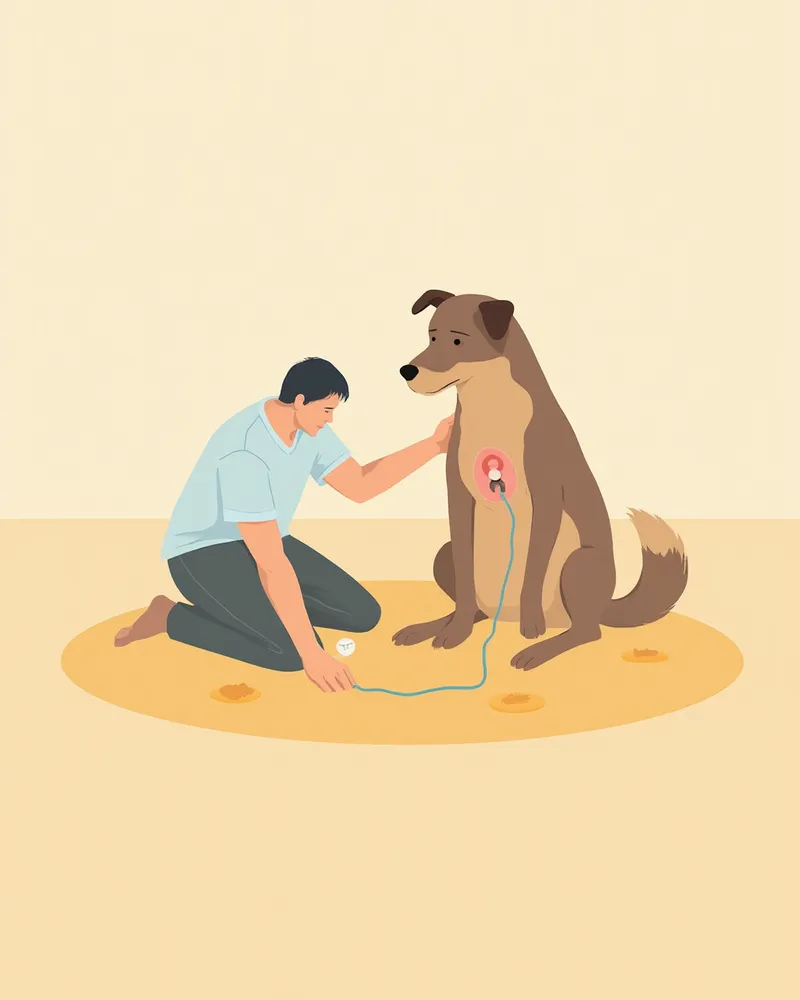
If you notice pus draining from the surgical site, the incision opening up, or your pet refusing food for more than 48 hours, seek veterinary care immediately. Deep infections can progress to life-threatening systemic illness, so prompt action is crucial. For at least two weeks after surgery, carefully monitor the incision daily and visit the clinic right away if you observe any signs of complications.
How to Prevent Infections Before and After Surgery

How to Care for Your Pet at Home After Surgery
Pets That Require Extra Attention
Pets that are overweight or have endocrine disorders such as diabetes or Cushing’s disease are reported to have a higher risk of surgical site infections. Additionally, if there are other infections in the skin or urinary tract before surgery, recovery may be delayed, so it’s best to identify and treat them beforehand. For these pets, be sure to carefully discuss the infection risk and prevention plan with your veterinarian before surgery.
How Infections Are Treated
Reviewed by a veterinarian

Dr. Tony — Punnawat Phongkittirak
VeterinarianA veterinarian who majored in veterinary medicine at Khon Kaen University, Thailand, and completed the IVSA program at North Carolina State University in the United States. Drawing on clinical experience at animal hospitals, he works in the pet healthcare field and is dedicated to building a digital care environment that connects pet parents with veterinarians.
Reviewed 2026-04-19
Frequently Asked Questions
When does infection most commonly occur after surgery?
Will my pet really get an infection if I don’t use a neck collar?
Is it normal for clear fluid to leak from the surgical site?
Do cats also get surgical site infections easily?
Should I continue giving antibiotics until the end of the prescribed course, even if the symptoms improve?
Share
Related Guides

Primary vs. Secondary Veterinary Hospitals: A Comparison

5 Easy-to-Raise Cat Breeds for First-Time Owners — Grooming Difficulty Comparison

Top 7 Short-Legged Dog Breeds

Emergency Response for Canine Gastric Dilatation-Volvulus (GDV)

Feline Ringworm (Fungal Dermatitis): Symptoms and Treatment

Cat Allergy Types and Management

How to Get and Test Puppy Food Samples

Canine Meningoencephalitis Symptoms and Treatment – A Comprehensive Guide from Causes to Prognosis

Complete Guide to the Safe Use of NSAIDs in Cats — Key Points for Pet Owners

Frequently Asked Questions About Feline Nebulizer Therapy — Key Information Every Cat Owner Should Know
References
[1] Fossum TW. Preoperative and intraoperative care of the surgical patient. In: Fossum TW, Duprey LP, O'Connor D, editors. Small Animal Surgery. 3rd ed. Boston, MA: Elsevier; 2007.
[2] Eugster S, Schawalder P, Gaschen F, Boerlin P. A prospective study of postoperative surgical site infections in dogs and cats. Vet Surg. 2004;33(5):542-550.
[3] Small Animal Anesthesia and Pain Management: A Color Handbook. 3rd Edition. CRC Press.
[4] Turk R, Singh A, Weese JS. Prospective surgical site infection surveillance in dogs. Vet Surg. 2015;44(1):2-8.