Like
Share
멍실장
고양이 티트리 오일 노출 시 증상과 응급 처치 가이드 — 24시간 골든타임 체크리스트

Symptoms and First Aid Guide for Cat Tea Tree Oil Exposure — 24-Hour Golden Time Checklist

Emergency/ToxicityQ&AMeongsiljang Veterinary Advisory Board

Cats lack certain liver detoxification enzymes, making them susceptible to poisoning from even tiny amounts of tea tree oil—far less than what would affect humans or dogs. Based on veterinary data, we’ve outlined the neurological symptoms that appear after exposure, along with first aid steps and the typical course of treatment at an animal hospital.

What Exactly Is Cat Tea Tree Oil Toxicity and Why Is It Dangerous?
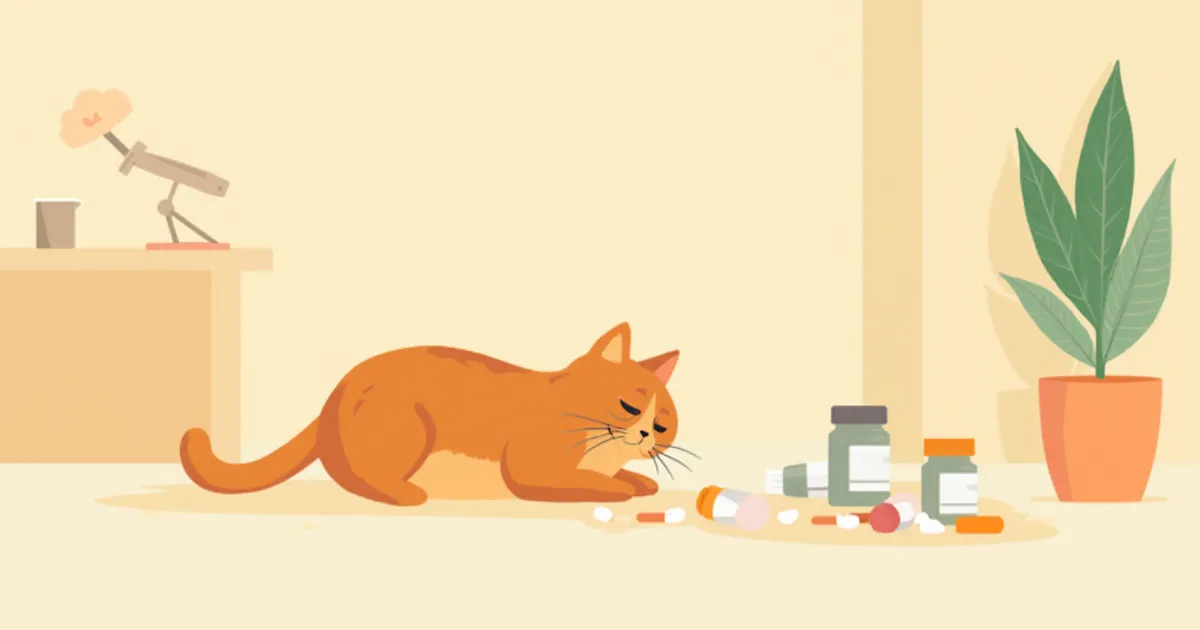
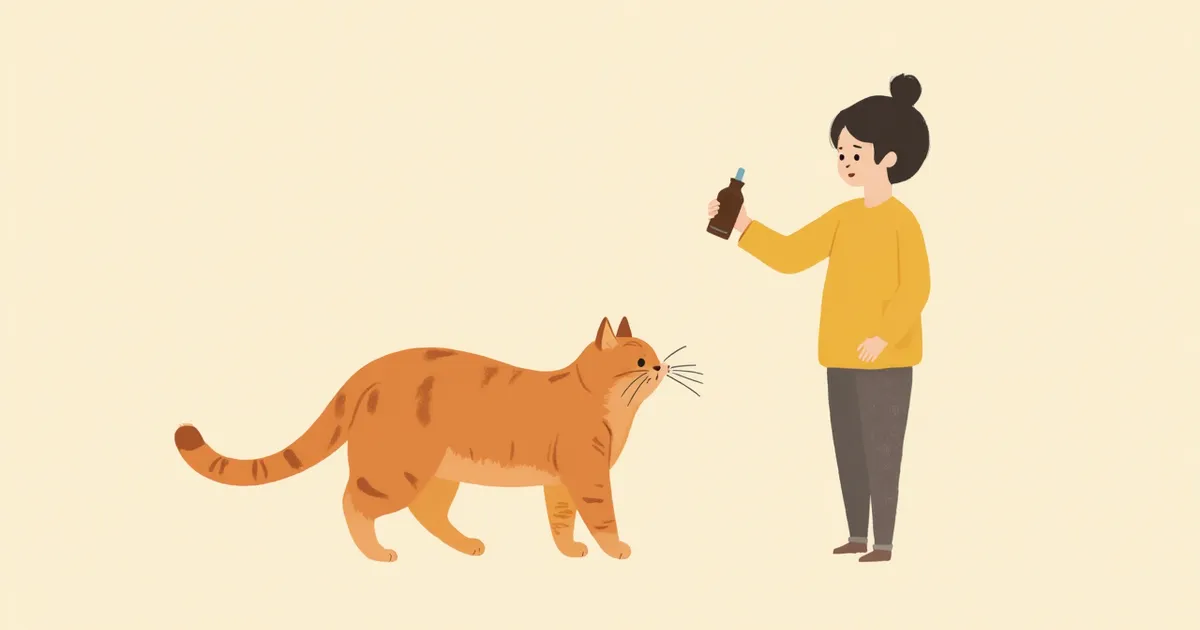
A curious cat approaching a bottle of essential oil
Tea tree oil toxicity in cats is an emergency condition caused by the terpenes in the essential oil extracted from the Australian Melaleuca alternifolia tree. These compounds are absorbed through the skin, mouth, and respiratory tract, primarily causing toxicity to the central nervous system. Early detection is key. If symptoms such as lethargy, ataxia (staggering), hypothermia, or drooling appear within 1 to 2 hours of exposure (or up to 12 hours in delayed cases), do not waste time trying to wipe the oil off yourself; go directly to a 24-hour veterinary clinic. Cats lack the glucuronidation ability in their liver needed to detoxify essential oil components, making them more sensitive to these substances than dogs. Therefore, caution is required, as symptoms can occur even with small amounts or low concentrations.

Why Are Cats More Susceptible to Toxicity Than Dogs, Even in Smaller Amounts?

Cats lack a key liver detoxification pathway called glucuronidation. As a result, they cannot efficiently metabolize the terpene compounds found in essential oils, which humans and dogs process relatively quickly, making cats more sensitive to these substances. The metabolized compounds are slowly eliminated, mostly through urine over two to three days and in smaller amounts through feces, leading to a slower recovery. While the exact toxic dose of tea tree oil has not been firmly established, poisoning is most commonly reported when 100% concentrated oil is applied directly or licked. Even diluted shampoos or lotions can lead to cumulative exposure if repeatedly ingested through grooming.

At-a-Glance Risk Levels by Exposure Route

There are four main ways cats can be exposed to tea tree oil. While pure, undiluted oil (100%) poses the greatest risk in any scenario, even diluted products like cosmetics, shampoos, and ointments can accumulate in the body as they are ingested during grooming. Diffusers expose cats through both inhalation and skin contact simultaneously.

Comparison of Risk Levels by Exposure Route

ItemSkin ApplicationGrooming IngestionDiffuser InhalationDirect Drinking
Risk LevelHighVery HighModerate to HighVery High
Common ScenarioApplied to treat fleas or dermatitisLicking or grooming after applicationUse of aroma diffusers or candlesKnocking over the bottle and licking it
Onset of Symptoms1–2 hours (up to 12 hours)1–12 hoursSeveral hours to days (cumulative)30 minutes to several hours
Main SymptomsSkin irritation and neurological signsCombined neurological and gastrointestinal signsCoughing, lethargy, decreased appetiteVomiting, rapidly worsening neurological signs

A summary of the typical clinical course of Melaleuca (tea tree) oil poisoning; a precise toxic dose has not yet been established (see Khan et al. 2014, 443 cases, etc.).

Suspect Poisoning If These Symptoms Appear

Neurological symptoms are typically the first to appear. If any of the following signs develop within 1–2 hours after exposure (up to 12 hours in delayed cases), poisoning should be suspected. - Ataxia: Loss of balance, stumbling, and leaning to one side - Lethargy: Sluggish response compared to normal, lying down persistently - Hypothermia: Cold nose and paws, accompanied by shivering - Excessive drooling: Wet mouth corners and visible foam - Muscle tremors: Whole-body shaking or convulsive-like tremors - Vomiting: May occur within a few hours after exposure
An illustration showing six main symptoms of tea tree oil poisoning in cats

Emergency Signs Requiring Immediate Veterinary Care

If you notice any of the following symptoms, do not attempt home treatment and take your pet to a 24-hour veterinary clinic immediately: seizures, inability to stand, decreased consciousness, difficulty breathing, repeated vomiting, or lethargy lasting more than four hours after exposure. Be sure to bring the product label or a photo of the product used, as this will help the veterinarian quickly identify the concentration and ingredients, thereby shortening the time to treatment.

First Aid You Can Do at Home Before Going to the Vet?
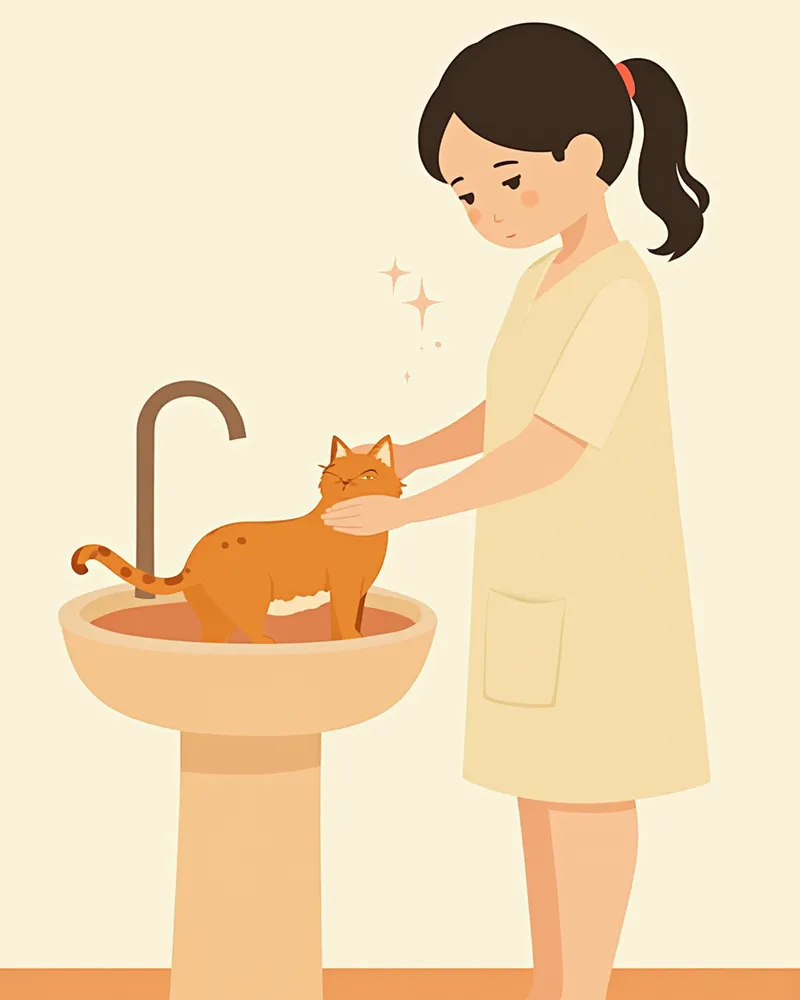
1) If the skin has been exposed, immediately wash the area with lukewarm water and a gentle, cat-specific shampoo, ensuring you rinse thoroughly at the end. 2) If ingested, never induce vomiting. Essential oils are viscous, which significantly increases the risk of aspiration pneumonia if the cat vomits. 3) Home remedies like milk or cooking oil are not recommended, as they can actually increase absorption. 4) Write down the time of exposure, the product name, concentration, and your cat’s weight to share with the vet. After washing, keep your cat warm with a towel and prioritize getting them to the clinic immediately.
A caregiver gently washing a cat with warm water.

How Is Diagnosis and Treatment Handled at the Veterinary Clinic?
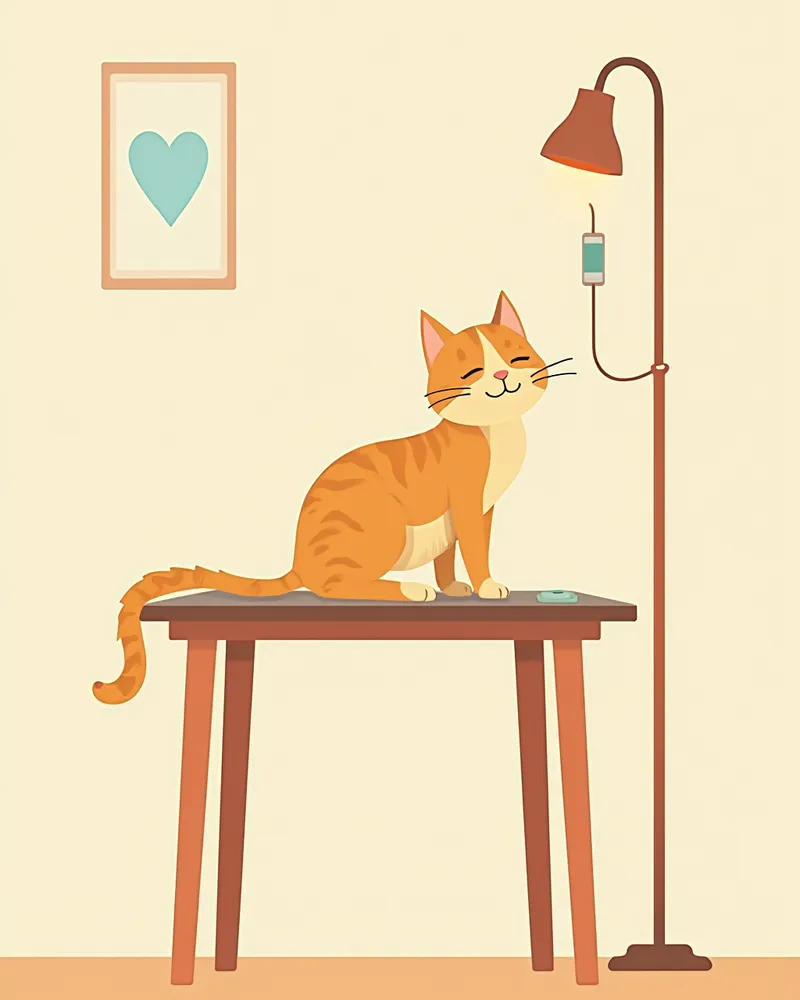
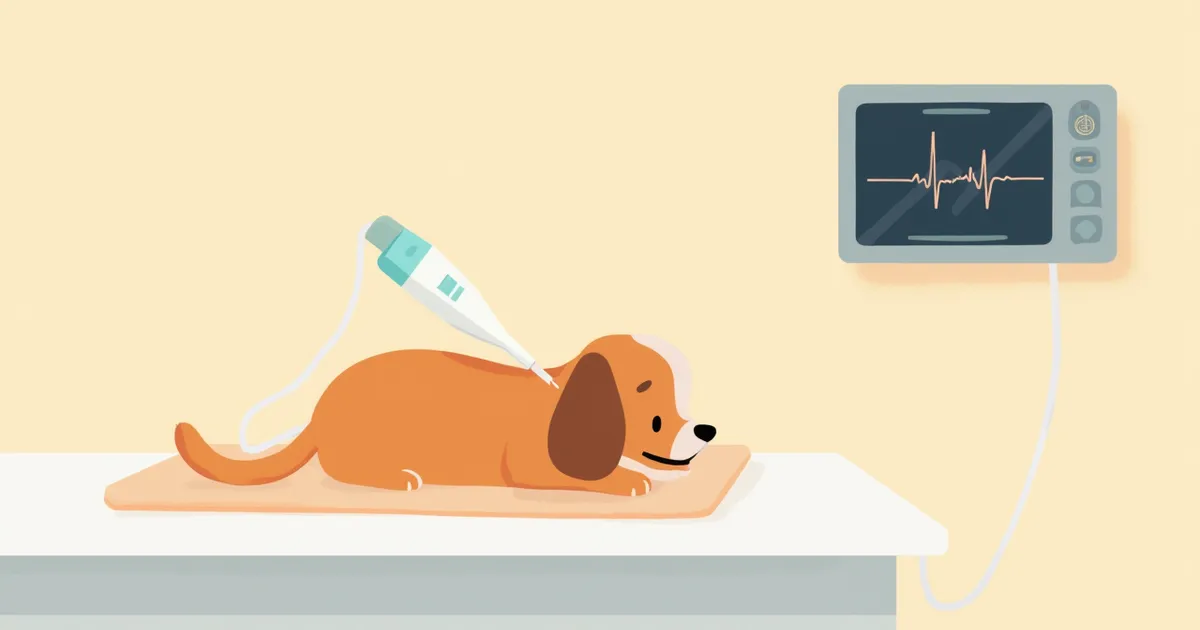
Veterinarians first check body temperature, respiration, and neurological reflexes, then assess liver enzyme levels (ALT and AST) and the degree of dehydration through blood tests. The cornerstone of treatment involves administering activated charcoal to block further absorption, providing intravenous fluids to maintain hydration and tissue perfusion while promoting elimination, and applying warmth to correct hypothermia. If necessary, hepatoprotectants such as S-adenosylmethionine (SAMe) and antiemetics are used concurrently. In cases of severe central nervous system depression, oxygen therapy, endotracheal intubation, mechanical ventilation, and hospitalization may be required. Symptoms typically improve gradually over two to four days, with mild cases sometimes recovering within a few hours, though the rate of recovery depends on the exposure level and concentration. The veterinarian will determine the appropriate medication schedule and dosage based on the pet’s body weight.
A cat receiving treatment with an IV drip at the animal hospital

Prevention Guidelines for Homes with Cats

In homes with cats, it’s safest to avoid keeping 100% concentrated tea tree oil altogether. If using a diffuser, operate it briefly in a well-ventilated area. Be cautious with human cosmetics, shampoos, and ointments containing tea tree ingredients to prevent your cat from licking them. For natural oils intended for flea control or dermatitis treatment, always follow a veterinarian’s prescription, and we do not recommend diluting and using human products on your own.

Reviewed by a veterinarian

Dr. Tony — Punnawat Phongkittirak

Dr. Tony — Punnawat Phongkittirak

Veterinarian

A veterinarian who majored in veterinary medicine at Khon Kaen University, Thailand, and completed the IVSA program at North Carolina State University in the United States. Drawing on clinical experience at animal hospitals, he works in the pet healthcare field and is dedicated to building a digital care environment that connects pet parents with veterinarians.

Frequently Asked Questions

Can I use tea tree oil in a diffuser?
We do not recommend using them. Cases have been reported in which cats became lethargic or staggered after being exposed to diffusers in small, poorly ventilated rooms, as the substances are absorbed through both the respiratory tract and the fur. If you do choose to use a diffuser, run it for only a short time in a room where your cat is not present, keep the door open for ventilation, and ensure your cat cannot enter that room.
Is diluted tea tree shampoo or spray safe?
Even human-grade diluted products can cause toxicity if they accumulate on your pet’s coat through regular grooming. Tea tree oil products vary widely in concentration, from under 1% to 100%, and while the exact toxic dose hasn’t been firmly established, most cases of poisoning have been linked to concentrated (100%) formulations. For safety, avoid using any product not specifically labeled for cats, and always choose items clearly marked for animal use and recommended by a veterinarian.
How many days should I monitor my pet after exposure?
For at least 3 to 5 days, you should check your pet’s appetite, activity level, jaundice, and urine color every day. Because metabolic byproducts are slowly eliminated over 2 to 3 days, your pet may appear fine on the first day, but delayed symptoms such as elevated liver enzymes can develop on the second day.
Are cats really more dangerous than dogs?
Yes. Cats lack a sufficient glucuronic acid conjugation pathway in their liver, which means they cannot efficiently process essential oil components and may react more sensitively to them. As a result, symptoms can appear even at lower doses or concentrations compared to dogs, so extra caution is needed in households with cats.
Should I take my pet to the vet even if only one drop was spilled?
If a concentrated (100%) product has been ingested or absorbed through a large area of skin, it is safer to visit the clinic even if the amount seems small. This is because there is no established toxic dose, making it difficult to determine a "safe" amount. If a diluted product has only lightly come into contact with the fur, wash the area first and then monitor your pet's appetite and mobility. If you notice any abnormal signs, go to the clinic immediately.

Share

Related Guides

References

[1] Khan SA, McLean MK, Slater MR. Concentrated tea tree oil toxicosis in dogs and cats: 443 cases (2002–2012). J Am Vet Med Assoc 2014;244:95–99.

[2] Bischoff K, Guale F. Australian tea tree (Melaleuca alternifolia) oil poisoning in three purebred cats. J Vet Diagn Invest 1998;10:208–210.

[3] Villar D, Knight MJ, Hansen SR, Buck WB. Toxicity of melaleuca oil and related essential oils applied topically on dogs and cats. Vet Hum Toxicol 1994;36:139–142.

[4] Hovda LR, Brutlag AG, Poppenga RH, Epstein SE (eds). Blackwell's Five-Minute Veterinary Consult Clinical Companion: Small Animal Toxicology, 3rd ed. Wiley, 2024.

This information is based on veterinary literature and does not replace diagnosis or treatment. Please consult a veterinarian for specific health concerns.

Metapet Co., Ltd. | CEO: Park Sung-yong | Business Reg. No. 417-88-02562 | Seoul, South Korea | Customer Center

Cat Tea Tree Oil Poisoning: Symptoms & 24-Hour First Aid Guide | Meongsiljang