

Antifreeze Poisoning in Dogs — Why Even a Single Lick Can Be Fatal
Antifreeze poisoning in dogs is a medical emergency that can cause acute kidney failure from just a single lick, due to its sweet taste. Administering an antidote within three hours of exposure is the golden window for treatment. We’ve outlined the three stages of symptoms, home care steps, and prevention guidelines.
Why Is Antifreeze Poisoning in Dogs an Emergency After Just One Lick?
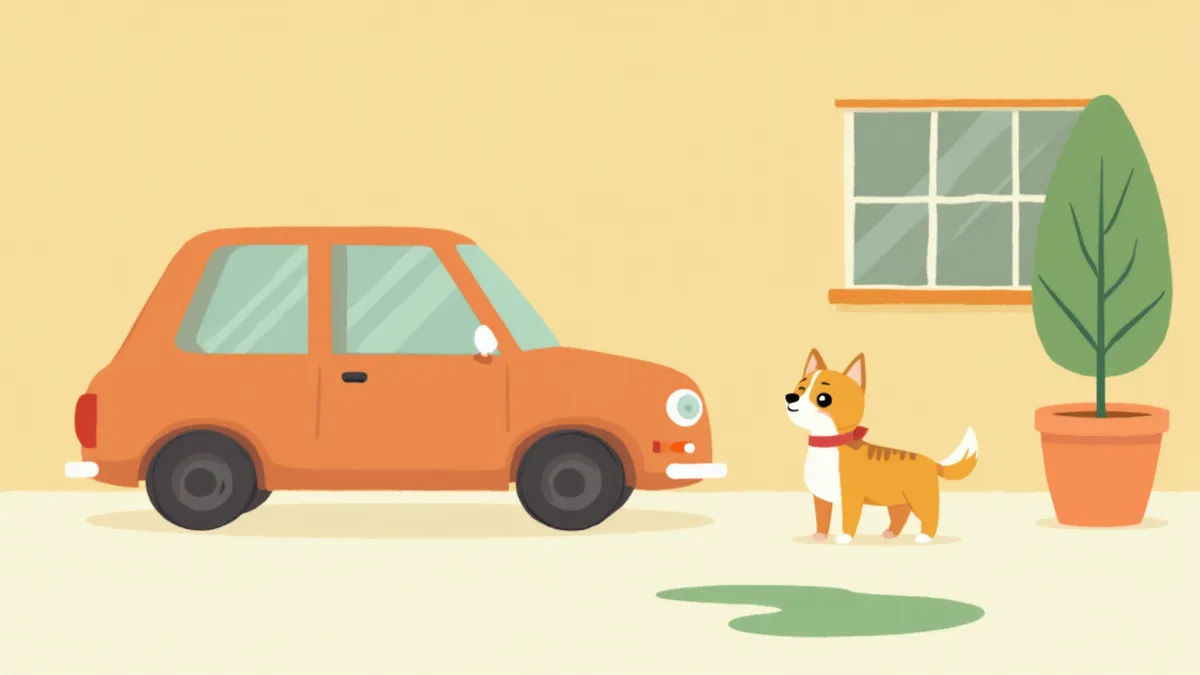
Why Is Antifreeze So Dangerous?
Three Stages of Symptoms by Time Since Exposure
| Item | Stage 1 (30 min–12 hr) | Stage 2 (12–36 hr) | Stage 3 (36–72 hr) |
|---|---|---|---|
| Nervous system | Staggering as if drunk (ataxia), dulled consciousness | Appears outwardly recovered (deceptive window) | Seizures, coma |
| Digestive | Vomiting, drooling | No particular symptoms | Severe vomiting, loss of appetite, oral ulcers |
| Kidney | Increased thirst and urination (polydipsia/polyuria) | Kidney values (BUN, creatinine) begin to rise on bloodwork (roughly 24–48 hr) | Acute kidney failure, oliguria/anuria |
| Prognosis | Most recover with aggressive treatment | Treatable but damage is progressing | Very high mortality rate |
Stage 2 is the most dangerous 'deceptive window' where symptoms may temporarily appear to improve while kidney damage progresses. Dogs typically develop oliguric/anuric kidney failure 36–72 hours after exposure, so do not be reassured just because Stage 1 symptoms have disappeared.
How Is It Diagnosed at the Veterinary Clinic?
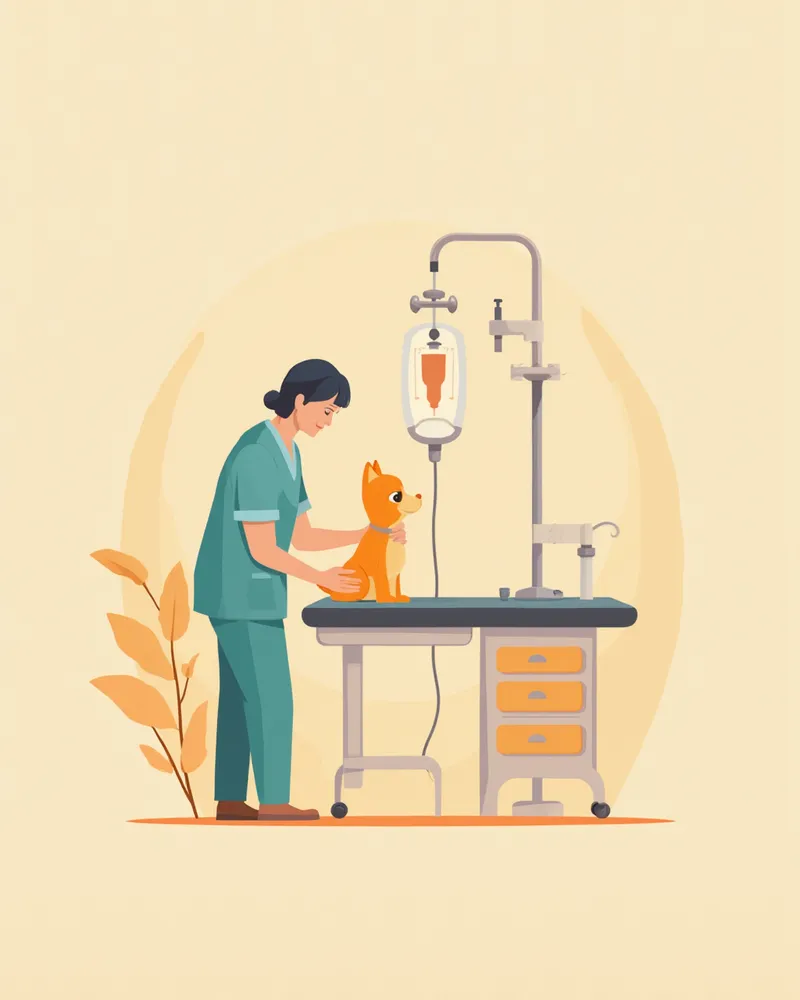
Head to the Emergency Room Immediately — Decisions Are Made by the Minute
If you notice any of the following signs, do not monitor your pet at home—head to a 24-hour veterinary clinic immediately. Staggering or appearing intoxicated: Ataxia and decreased consciousness typically appear within 30 minutes to 12 hours of exposure. Excessive thirst and increased urination: Common early signs after antifreeze ingestion. Vomiting and drooling: Rapid-onset signs caused by gastrointestinal irritation. Seek care even for suspected minor exposure: While the minimum lethal dose for dogs is approximately 6.6 ml/kg of undiluted antifreeze (about 33 ml for a 5 kg dog), even smaller amounts can be dangerous. For dogs, starting the antidote (4-methylpyrazole) within 8 hours of exposure is the critical window to save the kidneys. As time passes, toxic metabolites accumulate, rapidly narrowing the window for effective treatment.
How Is It Treated at the Clinic?
What Pet Owners Should Do the Moment You Suspect Exposure
Daily Prevention Tips to Prevent Recurrence
Reviewed by a veterinarian

Dr. Tony — Punnawat Phongkittirak
VeterinarianA veterinarian who majored in veterinary medicine at Khon Kaen University, Thailand, and completed the IVSA program at North Carolina State University in the United States. Drawing on clinical experience at animal hospitals, he works in the pet healthcare field and is dedicated to building a digital care environment that connects pet parents with veterinarians.
Reviewed 2026-05-07
Frequently Asked Questions
Even if you're not sure whether your pet licked antifreeze, should you still go to the vet?
Is propylene glycol (Propylene Glycol) antifreeze also dangerous?
Can antifreeze poisoning occur even in the summer?
Will the kidneys return to normal after treatment?
My dog drank from a puddle during our walk—could it have been antifreeze?
Share
Related Guides
Top 5 Emergency Poisoning Kits for Dogs Recommended by Veterinarians
7 Emergency Checklist Items for Cat Poisoning — Signs to Check Immediately After Exposure
Is Your Cat’s Hunting Instinct Too Strong? — Just Play or Does It Need Management?

Is Your Cat Avoiding the Litter Box? — Key Q&A on Causes and Solutions

Do Cats Grieve Too? — Behavioral Changes and Care Q&A After Pet Loss

If Your Cat Licks Until It Loses Fur — Signs of Compulsive Behavior and When to Visit the Vet
Why Do Cats Fight? — Causes and Management of Same-Species Aggression

Why Has My Cat Changed Since the Baby Arrived? — Behavioral Changes and Adaptation Timing
Dog Mammary Tumors FAQ — Key Information Every Pet Owner Must Know

My Cat Is Urinating Outside the Litter Box — Is It a Simple Mistake or a Sign of Disease?
References
[1] Blackwell's Five-Minute Veterinary Consult Clinical Companion: Small Animal Toxicology, 3rd Edition — Ethylene Glycol
[2] Plumb's Veterinary Drug Handbook, 10th Edition — Fomepizole, Ethanol
[3] Clinical Medicine of the Dog and Cat, 4th Edition — Decontamination and Intoxicants