
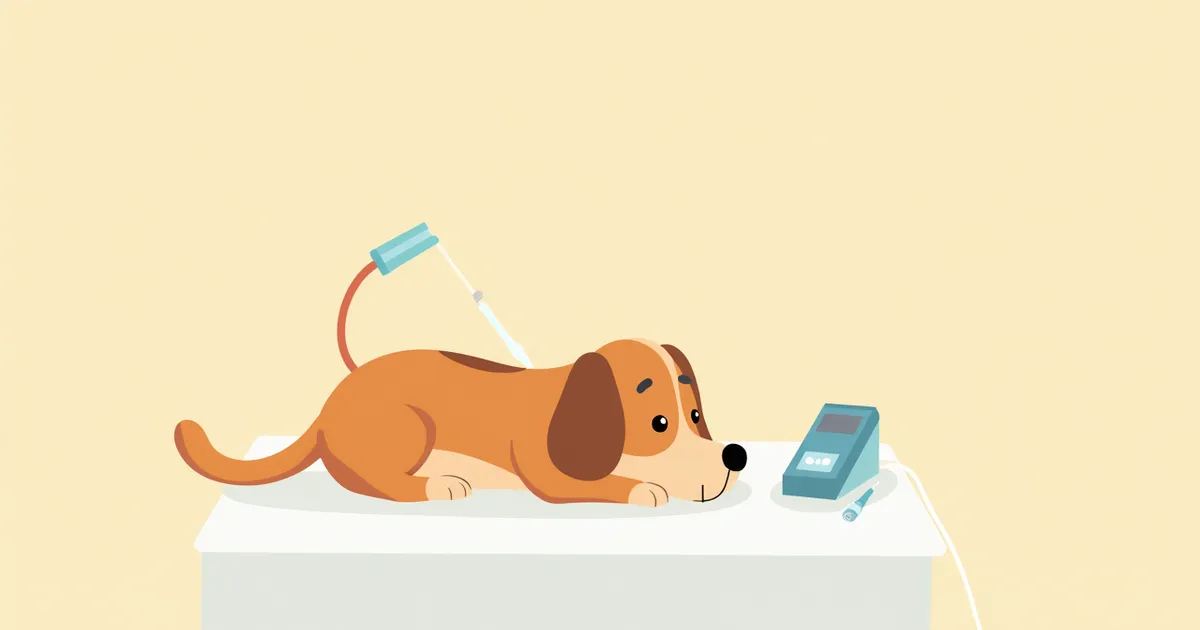
Fluid in a Dog’s Abdomen — Cardiac Ascites and Abdominocentesis, When to Visit the Vet
Canine cardiac ascites is a condition in which fluid accumulates in the abdominal cavity due to impaired heart function. It can be diagnosed and treated through abdominocentesis. Here’s a summary of the key information every pet owner should know.
What Is Canine Abdominocentesis (Cardiac Ascites)?

What Are the Main Reasons Abdominocentesis Is Necessary?

How Is the Abdominocentesis Procedure Performed?

Immediate Veterinary Visit Required in These Cases
If your pet experiences severe abdominal swelling, fever, loss of appetite, or repeated vomiting after abdominal paracentesis, seek veterinary care immediately, as these may indicate infection or internal bleeding. Additionally, if the ascites fails to drain and continues to accumulate, or if your pet develops labored breathing or severe coughing, these are signs of worsening heart function. In such cases, a veterinary visit is absolutely essential.
Post-Abdominocentesis Care Points
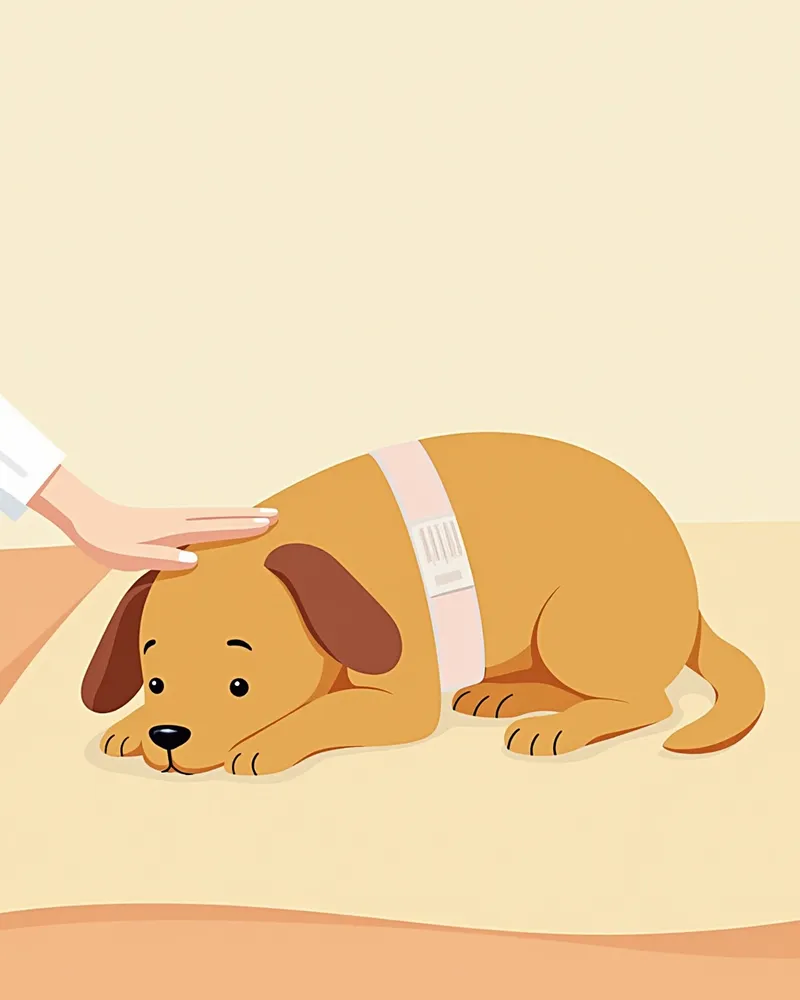
Before and After Abdominocentesis: Precautions and Expected Effects
| Item | Before Tap | After Tap |
|---|---|---|
| Abdominal condition | Severe swelling, rapidly enlarging | Reduced swelling, decreased size |
| Respiratory condition | Shortness of breath, coughing induced | Stable breathing, reduced coughing |
| Activity level | Restricted movement, fatigue | Able to perform daily activities, energy restored |
| Appetite | Decreased or absent | Normal recovery, increased appetite |
Abdominocentesis is an important procedure that reduces abdominal burden and aids in diagnosing the underlying cause.
Management Methods to Prevent Recurrence After Abdominocentesis

Reviewed by a veterinarian

Dr. Tony — Punnawat Phongkittirak
VeterinarianA veterinarian who majored in veterinary medicine at Khon Kaen University, Thailand, and completed the IVSA program at North Carolina State University in the United States. Drawing on clinical experience at animal hospitals, he works in the pet healthcare field and is dedicated to building a digital care environment that connects pet parents with veterinarians.
Reviewed 2026-06-03
Frequently Asked Questions
Is abdominal paracentesis painful?
How often should abdominal paracentesis be performed?
What home care steps can I take after my pet has had abdominal fluid drained?
What should I do if fluid builds up in the abdomen again after abdominal paracentesis?
Is abdominal paracentesis only possible at a veterinary clinic?
Share
Related Guides

Coenzyme Q10 Benefits and Administration Guide

7 Best Prescription Diets for Feline Heart Disease Recommended by Veterinarians — Criteria for Choosing Low-Sodium Food

Top Prescription Heart Disease Diets for Dogs: Best Picks and Selection Criteria

Frequently Asked Questions About Feline Urinary Stone Prevention Diets — Key Essentials for Pet Owners

Feline Urethral Stricture FAQ — Key Information Pet Owners Must Know

Feline Urethral Obstruction FAQ — Key Information Every Pet Owner Should Know

Frequently Asked Questions (FAQ) on Cat Urethral Catheter Care — Key Points Every Pet Owner Must Know

Feline Ureteral Stones: Frequently Asked Questions — Key Information for Pet Owners

Frequently Asked Questions About Feline Pyelonephritis — Key Information for Pet Owners

Frequently Asked Questions About Feline Frequent and Urgent Urination — Key Points for Pet Owners
References
[1] Bain, M.J. and Fan, C.M. (2012). Animal behavior case of the month. J. Am. Vet. Med. Assoc. 240 (6): 673–675.
[2] Textbook of Cardiovascular Medicine in Dogs and Cats (2019). Elsevier.
[3] Drobatz, K.J., Hopper, K., Rozanski, E., Silverstein, D.C. (2019). Textbook of Small Animal Emergency Medicine. Wiley.