Like
Share
멍실장
강아지 고양이 스테로이드 장기 투여, 부작용과 안전한 관리법

Long-Term Steroid Use in Dogs and Cats: Side Effects and Safe Management

ImmunityQ&AMeongsiljang Veterinary Advisory Board

I’ve summarized the potential side effects of long-term steroid use, as well as how to properly taper and discontinue the medication, based on veterinary textbooks.

Why Caution Is Needed for Long-Term Steroid Use
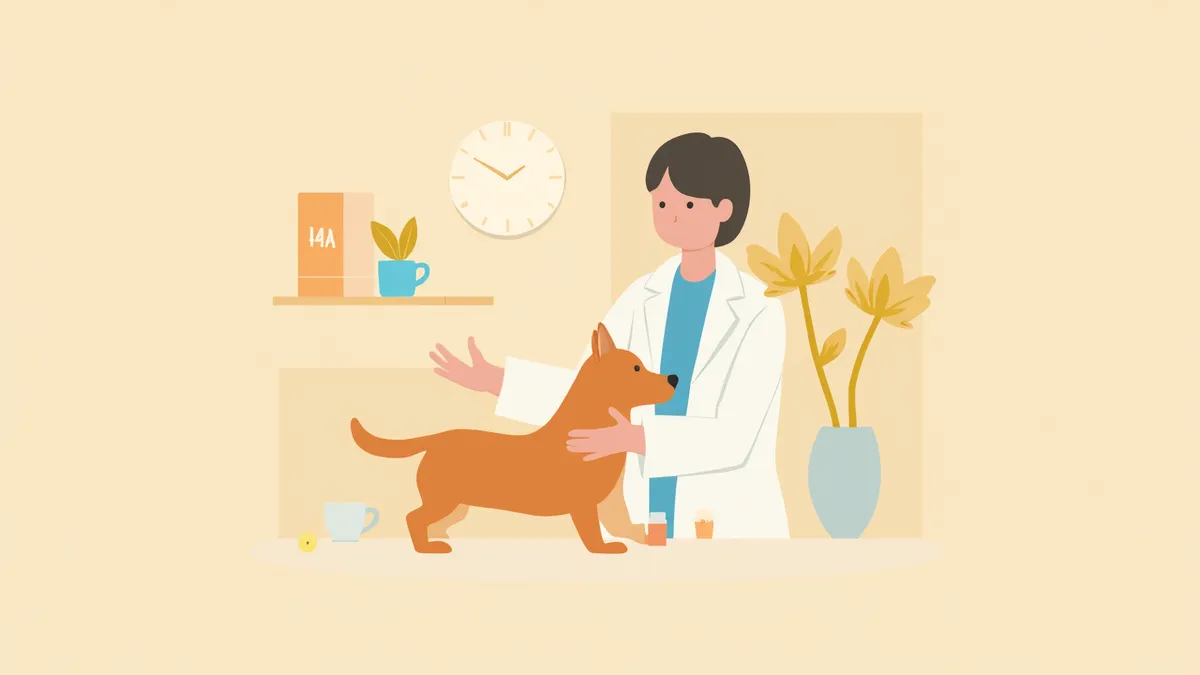
A veterinarian explaining medication administration to a pet owner
Long-term steroid therapy refers to the continuous use of glucocorticoid medications for several weeks or more to treat conditions such as allergies and autoimmune diseases. Regular monitoring is essential and should never be overlooked. While steroids quickly reduce inflammation, prolonged use can lead to side effects like increased urination, excessive appetite, and skin changes. The safest approach is to work with your veterinarian to maintain the lowest effective dose and frequency while undergoing regular check-ups.

Common Conditions for Which Steroids Are Prescribed

Thanks to their potent anti-inflammatory and immunosuppressive effects, steroids are prescribed for a wide range of conditions. Common examples include atopic dermatitis, immune-mediated hemolytic anemia, inflammatory bowel disease, and autoimmune disorders like pemphigus. They’re also frequently used short-term for acute allergic reactions or severe itching. The challenge is that many of these conditions require long-term management, which can naturally lead to extended steroid use.

Major Side Effects of Long-Term Steroid Use

Increased urine and water intake: This is the most common change. Your pet will drink much more water than usual and urinate more frequently.
Excessive appetite and weight gain: Even after eating, your pet may still seem hungry, and their weight can increase rapidly.
Skin changes: The skin may become thin and easily torn with minor irritation, and hair loss may occur.
Muscle weakness: As leg muscles weaken, your pet may have difficulty walking or may fall easily.
Decreased immunity: Your pet becomes more susceptible to bacterial and fungal infections, which can lead to recurring skin infections or urinary tract infections.
Dogs that drink a lot of water

Go to the Vet Immediately If You See These Symptoms

If a pet on steroids suddenly starts vomiting, has diarrhea, passes blood in their stool, or becomes severely lethargic and reluctant to move, it could indicate gastrointestinal ulcers or a serious infection. Immediate veterinary care is also necessary if the abdomen appears abnormally distended or if breathing becomes labored.

Why Side Effects Differ Between Short-Term and Long-Term Use

When steroids are used short-term for a few days to one or two weeks, side effects are often limited to increased urination or changes in appetite. However, with long-term use lasting several weeks or more, the body can develop changes similar to those seen in naturally occurring Cushing’s disease, due to the external steroid intake. Veterinary dermatology textbooks refer to this condition as iatrogenic hyperadrenocorticism. Alongside this, the hypothalamic-pituitary-adrenal (HPA) axis becomes suppressed, reducing the adrenal glands’ ability to produce hormones naturally, which causes the body to become increasingly dependent on the externally administered steroids. Prolonged use can also increase the risk of skin calcification (calcinosis), muscle atrophy, and diabetes.

Key Management Points to Minimize Side Effects
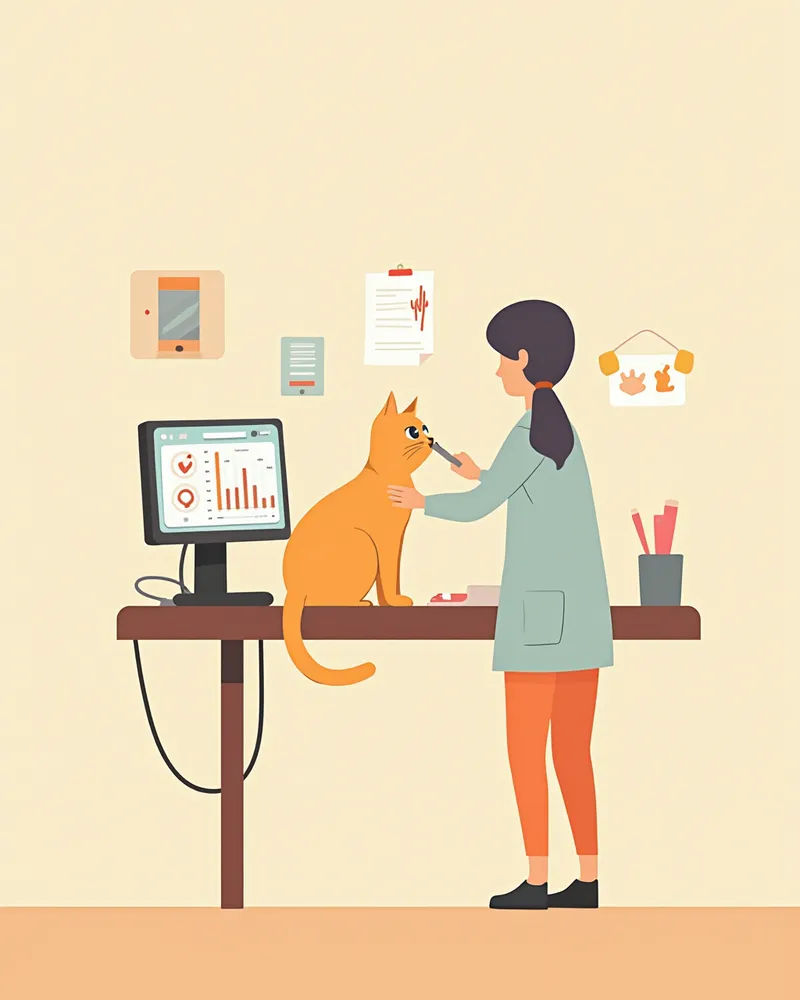
Regular blood and urine tests: Periodically checking liver enzymes, blood glucose, and urine concentration helps detect side effects early. When medication is administered long-term, it is important to undergo regular check-ups at intervals determined by your veterinarian.
Maintain the minimum effective dose: Your veterinarian will adjust the treatment to the lowest dose and frequency necessary to control symptoms. Switching to every-other-day dosing can help reduce adrenal suppression.
Weight management: Because appetite often increases, it is important to adjust portion sizes in advance and monitor your pet’s weight regularly.
A veterinarian reviewing blood test results with a cat at the animal hospital.

What You Must Know When Tapering or Discontinuing Steroids

If your pet has been on steroids for a long time, never stop the medication abruptly. The body may have reduced its own hormone production, and suddenly discontinuing the drug can trigger an adrenal crisis. This dangerous condition can cause vomiting, dehydration, severe lethargy, and even shock. Your veterinarian will create a tapering schedule to gradually reduce the dose over several weeks. It is extremely dangerous for pet owners to adjust the dosage or skip doses on their own.
A pet owner carefully administering medication to their dog at home

Important Information for Cat Owners

Cats are less efficient than dogs at converting prednisone to prednisolone, so prednisolone is typically prescribed directly for cats. Although cats generally have a higher resistance to glucocorticoid side effects than dogs, diabetes mellitus—which can occur transiently—is a complication that requires particular attention. The risk is higher in obese cats, making blood glucose monitoring essential during long-term administration.

Reviewed by a veterinarian

Dr. Tony — Punnawat Phongkittirak

Dr. Tony — Punnawat Phongkittirak

Veterinarian

A veterinarian who majored in veterinary medicine at Khon Kaen University, Thailand, and completed the IVSA program at North Carolina State University in the United States. Drawing on clinical experience at animal hospitals, he works in the pet healthcare field and is dedicated to building a digital care environment that connects pet parents with veterinarians.

Frequently Asked Questions

Should I stop the medication immediately if my pet shows side effects from steroids?
Never stop the medication on your own. If you notice any side effects, inform your veterinarian immediately so they can adjust the tapering schedule. Abruptly discontinuing the drug can lead to an adrenal crisis.
Can other medications be given alongside long-term steroid treatment?
Steroids alone carry a risk of gastrointestinal ulcers, and their side effect profile may change when used in combination with other medications. Be sure to inform your veterinarian about every medication your pet is currently taking, including supplements.
Are there any medications that can be used instead of steroids?
Depending on the condition, cyclosporine or oclacitinib may be used as alternatives or in combination with other treatments. Your veterinarian will determine the best combination for your pet’s specific needs.
Does long-term use of steroids shorten a pet's lifespan?
Steroids themselves don’t directly shorten a pet’s lifespan. However, long-term use without proper management can lead to complications such as diabetes or recurrent infections, so regular check-ups are essential.
Which is safer, steroid injections or oral medications?
Oral medications are easier to adjust in dosage, making them more suitable for long-term administration. In contrast, once an injection is given, the medication remains in the body for an extended period, which can make it difficult to manage if side effects occur.

Share

Related Guides

References

[1] BSAVA Manual of Canine and Feline Dermatology, 4th Ed, Chapter 29: Immune-modulating therapies

[2] Handbook of Veterinary Pharmacology, Section VI: Anti-inflammatory Drugs

[3] The Veterinary Workbook of Small Animal Clinical Cases, Case 33: Glucocorticoid therapy

This information is based on veterinary literature and does not replace diagnosis or treatment. Please consult a veterinarian for specific health concerns.

Metapet Co., Ltd. | CEO: Park Sung-yong | Business Reg. No. 417-88-02562 | Seoul, South Korea | Customer Center

Long-Term Steroid Use in Dogs & Cats: Side Effects & Safety | Meongsiljang