
Frequently Asked Questions About Feline Struvite Stones — Key Information for Pet Owners
Feline struvite stones are mineral deposits that form in the urinary tract, posing a particularly high risk to male cats. Early detection and proper management are essential.
What Are Feline Struvite Stones?
Why Do Cats Develop Struvite Stones?
What Are the Main Symptoms of Struvite Stones?
Signs Requiring Immediate Veterinary Visit
If your male cat is unable to urinate, has a distended abdomen, or is repeatedly vomiting, you should take him to the vet as soon as possible. Urinary tract obstruction is a life-threatening emergency.
Step-by-Step Symptoms and Responses for Struvite Stones
| Item | Stage | Main symptoms | Management approach |
|---|---|---|---|
| Mild | Frequent attempts to urinate | Slight decrease in urine volume | Begin dietary adjustment after consulting the veterinarian |
| Moderate | Takes a long time to urinate | Hematuria, pained expression | Perform urinalysis and ultrasound examination |
| Severe | No urine at all | Vomiting, lethargy, distended abdomen | Immediate veterinary visit; urethral dilation or surgery needed |
Urinary tract obstruction in male cats is life-threatening, so early intervention is essential.
What Are the Treatment Options?
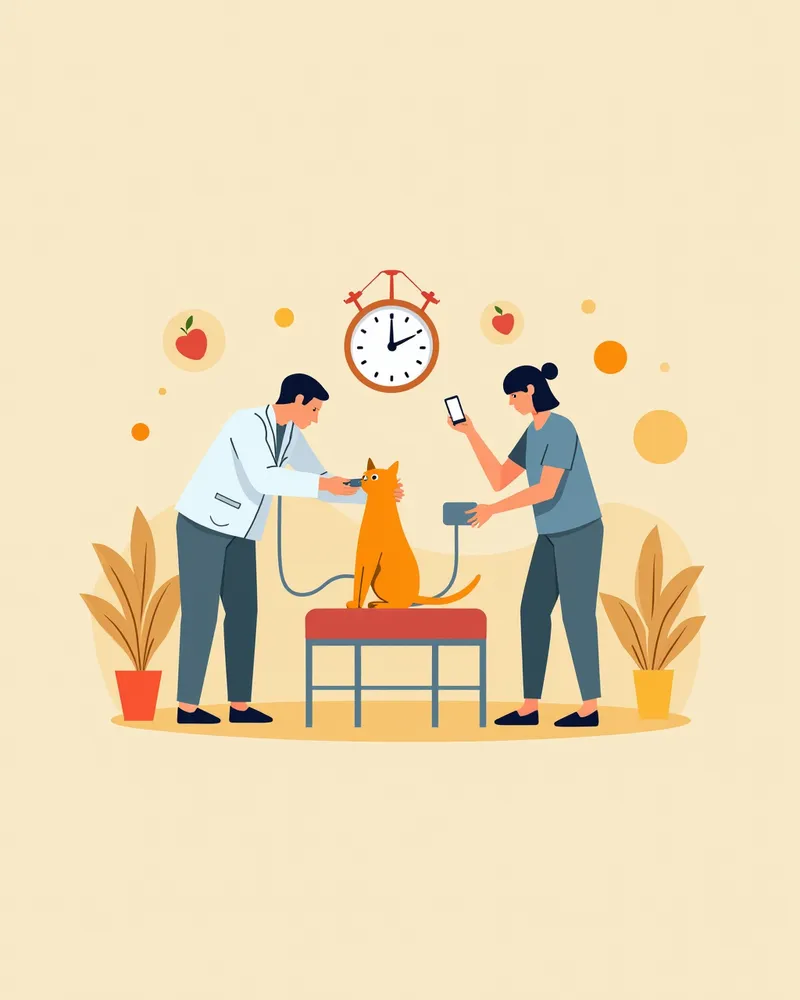
Home Care Management
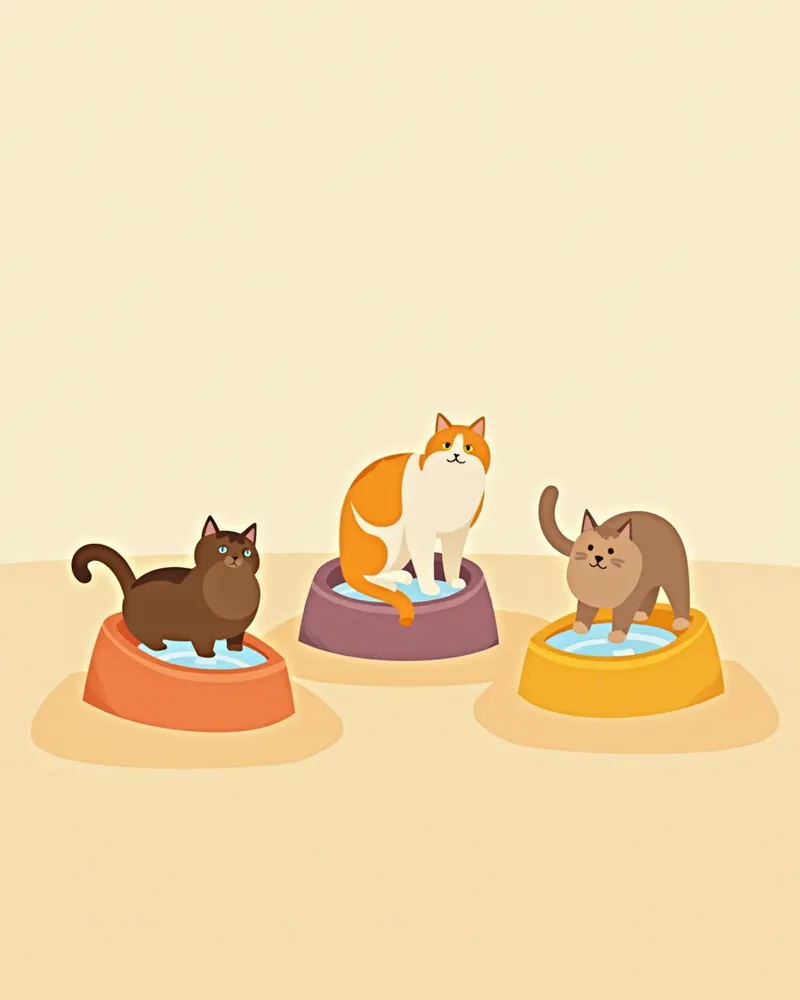
Precautions for Prevention
Feeding special diets indiscriminately can lead to nutritional imbalances. Use them only under veterinary guidance, and avoid abruptly changing your cat’s food. Additionally, make it a daily habit to monitor your cat’s urine.
Reviewed by a veterinarian

Dr. Tony — Punnawat Phongkittirak
VeterinarianA veterinarian who majored in veterinary medicine at Khon Kaen University, Thailand, and completed the IVSA program at North Carolina State University in the United States. Drawing on clinical experience at animal hospitals, he works in the pet healthcare field and is dedicated to building a digital care environment that connects pet parents with veterinarians.
Reviewed 2026-06-29
Frequently Asked Questions
Are struvite urinary stones common in cats?
Can dietary management alone dissolve urinary stones?
Does drinking plenty of water help prevent urinary stones?
How quickly should I take my cat to the vet if it has a urinary blockage?
Can struvite stones come back?
Share
Related Guides
Top 5 Prescription Diets for Feline FLUTD — Comparison by Struvite and Calcium Oxalate Stones
Top 7 Prescription Diets for Feline Bladder and Urinary Tract Health Recommended by Veterinarians — Including Selection Criteria

Top 5 Cranberry Urinary Supplements for Dogs — Preventing Cystitis
Frequently Asked Questions About the Relationship Between High Blood Pressure and Proteinuria in Dogs — Key Points for Pet Owners
Dog Hematuria FAQ — Key Information Every Pet Owner Should Know
Dog Cystine Urolithiasis FAQ — Key Information for Pet Owners
Dog Bladder Ultrasound Exam FAQ — Key Information Every Pet Owner Should Know
Frequently Asked Questions About Bladder Nerve Stimulation Therapy for Dogs — Key Information Every Pet Owner Should Know
Dog Bladder Diverticulum FAQ — Key Information Every Pet Owner Should Know
Canine Amyloid Nephropathy FAQ — Key Information Every Pet Owner Should Know
References
[1] Osborne, C.A. et al. (2021) Urinalysis in the Dog and Cat. 2nd ed. Elsevier Health Sciences.
[2] Lloyd, D.H. et al. (2020) Feline Lower Urinary Tract Disease: Diagnosis and Management. Veterinary Clinics of North America: Small Animal Practice, 50(3), 457–478.
[3] American College of Veterinary Internal Medicine (ACVIM). (2022) Consensus Statement on Feline Lower Urinary Tract Disease. Journal of Veterinary Internal Medicine, 36(4), 1234–1245.