Like
Share
멍실장
고양이 기관지경 검사 자주 묻는 질문 Q&A — 보호자가 꼭 알아야 할 핵심

Feline Bronchoscopy FAQ — Key Information Every Pet Owner Should Know

RespiratoryQ&AMeongsiljang Veterinary Advisory Board

Feline bronchoscopy is a key diagnostic tool for accurately identifying the cause of chronic coughing in cats. We’ve outlined the essential information pet owners need to know about the procedure, its safety, and how to prepare.

What is Feline Bronchoscopy?
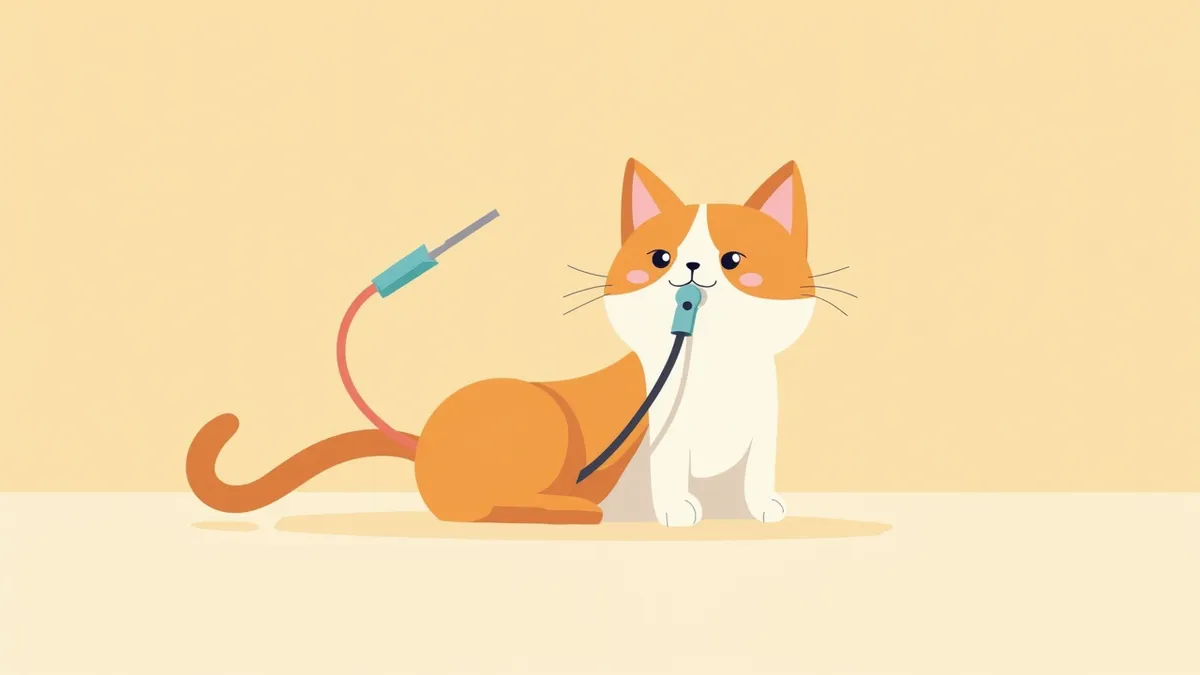
A view of an endoscope being inserted into a cat's trachea.
Feline bronchoscopy is a precise diagnostic procedure that uses an endoscope to directly visualize the interior of the trachea and bronchi. - Accurate identification of the cause: It allows for direct confirmation of the underlying cause of chronic coughing or difficulty breathing. - Early disease detection: It helps in the early detection of inflammation, infections, foreign bodies, bronchiectasis, and tumors. - Treatment planning: Customized treatment plans can be determined based on results from cytology and culture samples collected during the procedure. - Performed under anesthesia: The procedure is conducted under general anesthesia, with the veterinarian continuously monitoring and managing vital signs and anesthesia depth in real time. - Monitoring recovery: Recovery speed varies among individuals as the cat wakes from anesthesia, so it is important for the veterinarian to closely observe for signs of hypoxia, hypothermia, and other potential issues.

Why is Bronchoscopy Necessary?

If your cat has persistent coughing or labored breathing, a bronchoscopy can be very helpful. - Confirm suspected conditions: It allows direct visualization of the airways to detect inflammation, foreign bodies, mucus, or secretions that may not show up on routine tests. - Accurate diagnosis: By identifying the exact cause of the cough, it helps avoid unnecessary or incorrect treatments. - Guide treatment decisions: Results from additional tests, such as cytology or culture, can help determine the most appropriate medications and therapies. - Detect serious abnormalities: It can also reveal conditions like bronchiectasis or tumors. - Peace of mind for pet owners: The procedure provides a clearer understanding of your cat’s airway health, offering reassurance through accurate results.
A cat watching the video monitor during a bronchoscopy.

How to Prepare for the Procedure?

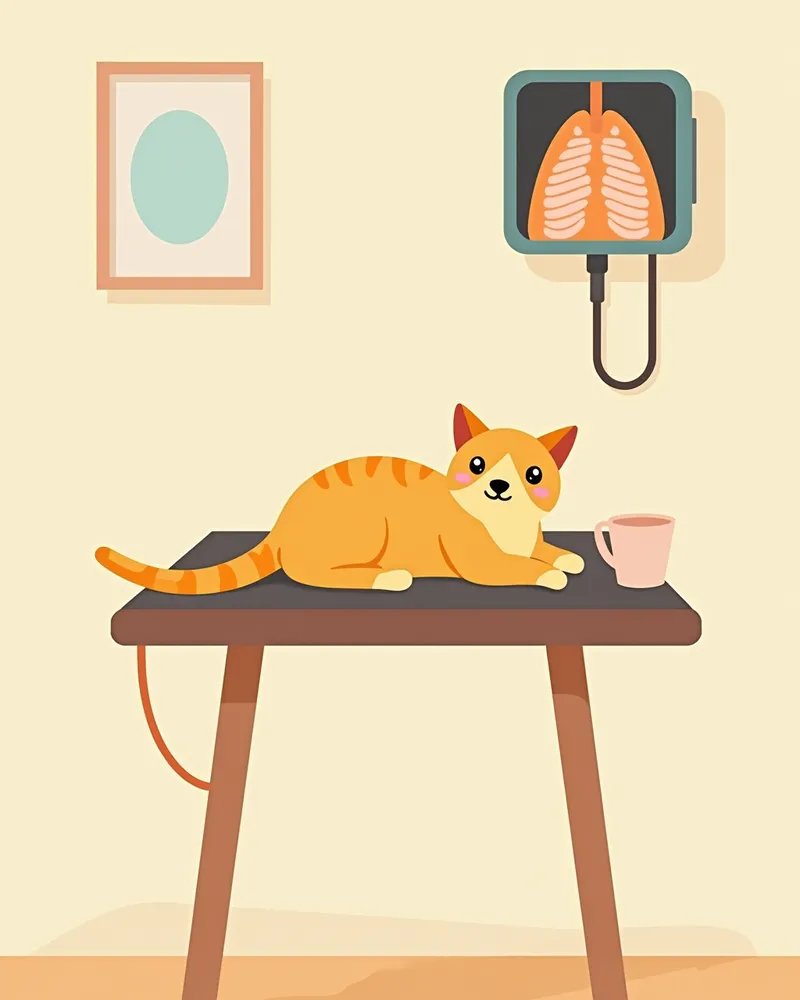
Since general anesthesia is required for the examination, your cat will need to fast for a specific period. Please follow your veterinarian’s instructions regarding the exact fasting duration, and adjust water intake according to their guidance. - Health assessment: Check the condition of the heart and lungs through blood tests and chest X-rays. - Anesthesia safety evaluation: Assess anesthesia risks in advance based on your cat’s overall health status. - Preliminary evaluations, including laryngeal check: The function of the larynx may also be checked when introducing anesthesia. - Pre-examination consultation: The veterinarian will provide a detailed explanation of the examination process and important precautions. - Owner cooperation: On the day of the examination, please prepare your cat calmly and follow the veterinarian’s instructions carefully.
A veterinarian explaining pre-examination preparations to a cat owner.

Is the Procedure Painful?

The procedure is performed under general anesthesia, so your cat won’t feel any pain during the exam. - Anesthesia monitoring: The veterinarian continuously checks vital signs and the depth of anesthesia throughout the procedure. - Recovery process: After anesthesia, your cat may experience temporary drowsiness or unsteadiness, and recovery speed varies from individual to individual. The veterinarian will monitor for the return of respiratory reflexes and check for hypoxia or hypothermia. - Complication management: While specialized equipment and monitoring help minimize risks, all anesthesia carries some risk, so careful management is essential. - Observation required: After the exam, the veterinarian will observe your cat’s recovery for a set period. - Caregiver precautions: If your cat has severe coughing or breathing difficulties after returning home, contact us immediately.
A cat recovering from anesthesia, lying on a hospital bed.

When to Visit the Vet Immediately

After the procedure, your pet may experience difficulty breathing, persistent coughing, excessive lethargy, or a lack of recovery. If any of these symptoms occur, contact your veterinarian immediately. While individual responses to anesthesia can vary, it is crucial to address any abnormal signs promptly.

Bronchoscopy vs. Routine Tests

ItemBronchoscopyGeneral tests (X-ray, blood tests)
AccuracyHighModerate
Whether the cause can be confirmed directlyYesNo
Foreign body/tumor detectionPossibleLimited
Whether anesthesia is requiredYesNo

Bronchoscopy allows direct observation of the inside of the airways, making it useful for treatment decisions. However, some lesions can also be identified with general tests such as X-rays.

How to Care for Your Cat After the Procedure?
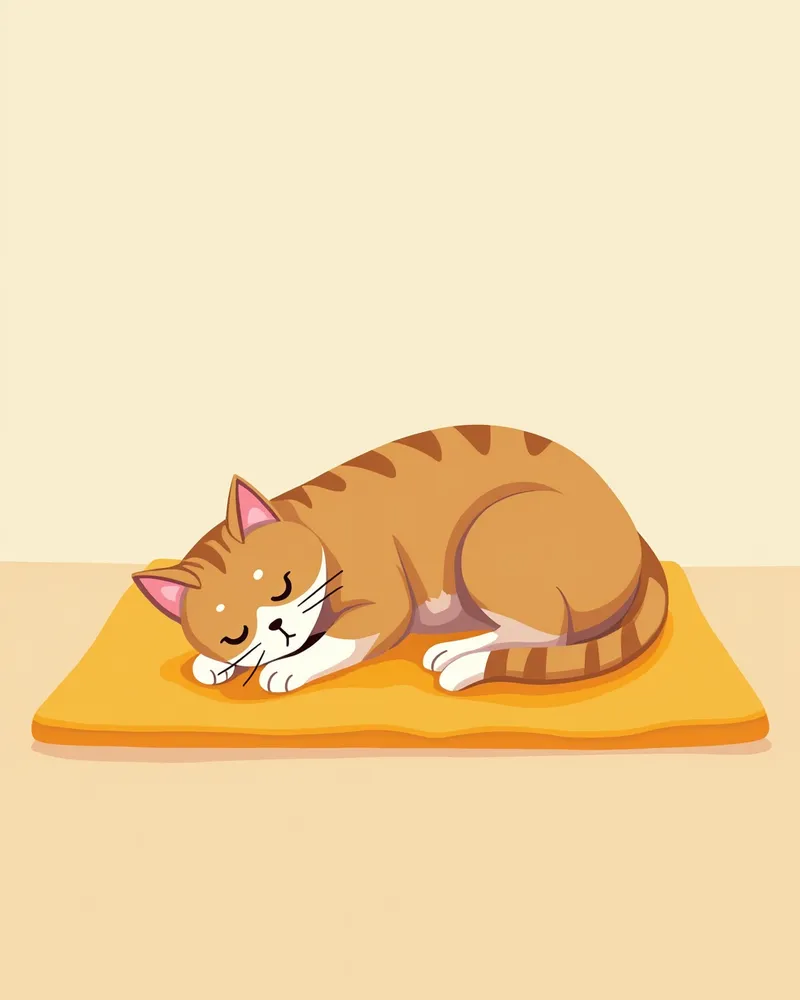
After the examination, your cat will need to be monitored until they are fully awake from anesthesia. - Provide rest: Once you get home, allow your cat to rest comfortably in a quiet environment. - Manage feeding: Offer food only after your cat has fully recovered from anesthesia and their swallowing reflex is stable, following your veterinarian’s guidance. - What to watch for: Contact your veterinarian immediately if you notice severe coughing or difficulty breathing. - Recovery time: Recovery speed varies from cat to cat, so your veterinarian will closely monitor for issues such as low oxygen levels or low body temperature. - Additional instructions: Your veterinarian will provide verbal post-examination care instructions.
A cat resting at home after a bronchoscopy

Key Benefits of Bronchoscopy

Accurate Diagnosis: Directly identify the cause of the cough.
Customized Treatment: Determine treatment based on inflammation, infection, foreign bodies, etc.
Early Detection of Complications: Detect conditions like bronchiectasis or tumors at an early stage.
Monitor Treatment Effectiveness: Confirm treatment outcomes through follow-up examinations.
Safe Procedure: High safety ensured with anesthesia management and monitoring.
A veterinarian discussing test results with a cat owner.

Reviewed by a veterinarian

Dr. Tony — Punnawat Phongkittirak

Dr. Tony — Punnawat Phongkittirak

Veterinarian

A veterinarian who majored in veterinary medicine at Khon Kaen University, Thailand, and completed the IVSA program at North Carolina State University in the United States. Drawing on clinical experience at animal hospitals, he works in the pet healthcare field and is dedicated to building a digital care environment that connects pet parents with veterinarians.

Frequently Asked Questions

How long does a bronchoscopy take?
The time required for the examination itself can vary depending on the patient’s condition and the scope of the tests, and this is further extended by anesthesia preparation and recovery time. Since the total duration can vary significantly from one patient to another, it’s best to confirm the estimated time with your attending veterinarian.
What should I do if my cat continues to cough after the examination?
A temporary cough after the examination is a common reaction. It usually subsides gradually over time, but if the cough persists or is accompanied by difficulty breathing, please contact your veterinarian immediately.
Can't a cat with severe coughing undergo testing?
Even in cases of severe respiratory instability, we can first provide oxygen support and stabilization before proceeding with diagnostic tests. The veterinarian will assess the patient’s stability and then decide whether to move forward with the examination.
Can bronchoscopy be performed repeatedly?
Repeat testing can be performed as needed to confirm treatment efficacy or monitor changes in lesions. Your veterinarian will determine the appropriate approach based on your pet’s condition and treatment goals.
How much does the test cost?
The cost of the examination varies depending on the clinic and location, but it typically ranges from $100 to $200.

Share

Related Guides

References

[1] Lynelle R. Johnson, DVM, MS, PhD, Dipl ACVIM (SAIM). Small Animal Critical Care Medicine, 3rd Ed. Elsevier, 2023.

[2] Canine and Feline Respiratory Medicine, 3rd Edition. Elsevier, 2022.

[3] Textbook of Respiratory Disease in Dogs and Cats. Wiley-Blackwell, 2021.

This information is based on veterinary literature and does not replace diagnosis or treatment. Please consult a veterinarian for specific health concerns.

Metapet Co., Ltd. | CEO: Park Sung-yong | Business Reg. No. 417-88-02562 | Seoul, South Korea | Customer Center

Feline Bronchoscopy FAQ: What Every Cat Owner Should Know | Meongsiljang