
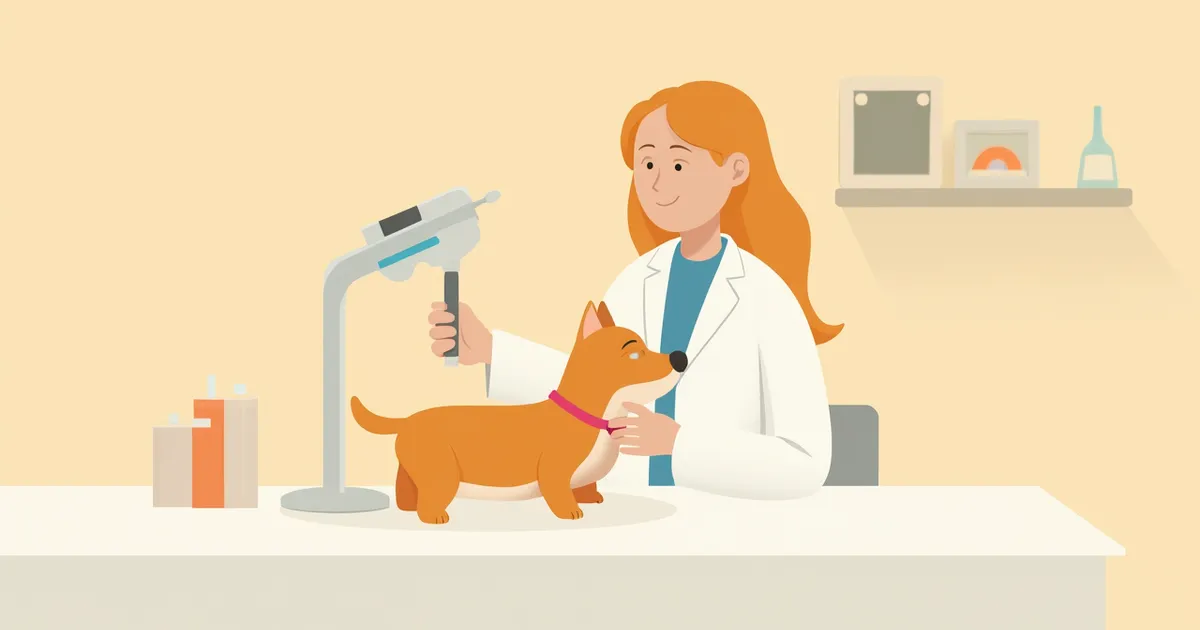
When to See a Veterinary Ophthalmologist: A Guide to Symptoms Requiring Referral
Veterinary ophthalmologists are specialists who use advanced equipment to diagnose and treat eye conditions that are difficult to assess at general animal hospitals. Here’s a summary of the symptoms that warrant a referral and the typical flow of care.
What Is a Veterinary Ophthalmologist?

How Is It Different from a General Hospital?
General Care vs. Ophthalmology Specialty Care
| Item | General animal hospital | Specialized ophthalmology care |
|---|---|---|
| Main examination equipment | General ophthalmoscope, fluorescein staining | Slit lamp, tonometer, ocular ultrasound, ERG |
| Diagnostic scope | Surface diseases such as conjunctivitis/superficial keratitis | Deep diseases such as cataracts/glaucoma/retinal disease/uveitis |
| Scope of possible surgery | Eyelid surgery, simple conjunctival surgery | Cataract surgery, intraocular lens, corneal transplant, glaucoma surgery |
| Emergency response | Initial treatment/stabilization | Emergency surgery such as eyeball prolapse/corneal perforation |
The exact scope of care differs from hospital to hospital
Symptoms That Require Specialty Care

Situations Requiring Immediate Emergency Ophthalmology Care
This is an emergency situation where vision loss can occur within hours. You need to seek veterinary care within "a few hours," not 24 hours. - When the eyeball protrudes due to trauma (globe luxation) - When the cornea is torn or deeply ulcerated, exposing the contents of the eye - When one eye suddenly and significantly enlarges with severe pain (acute glaucoma) - Immediately after chemicals or detergents get into the eyes - Sudden complete blindness In particular, with globe luxation, even a delay of just a few hours in treatment can significantly reduce the chances of vision recovery.
Examinations Performed in a Specialty Clinic
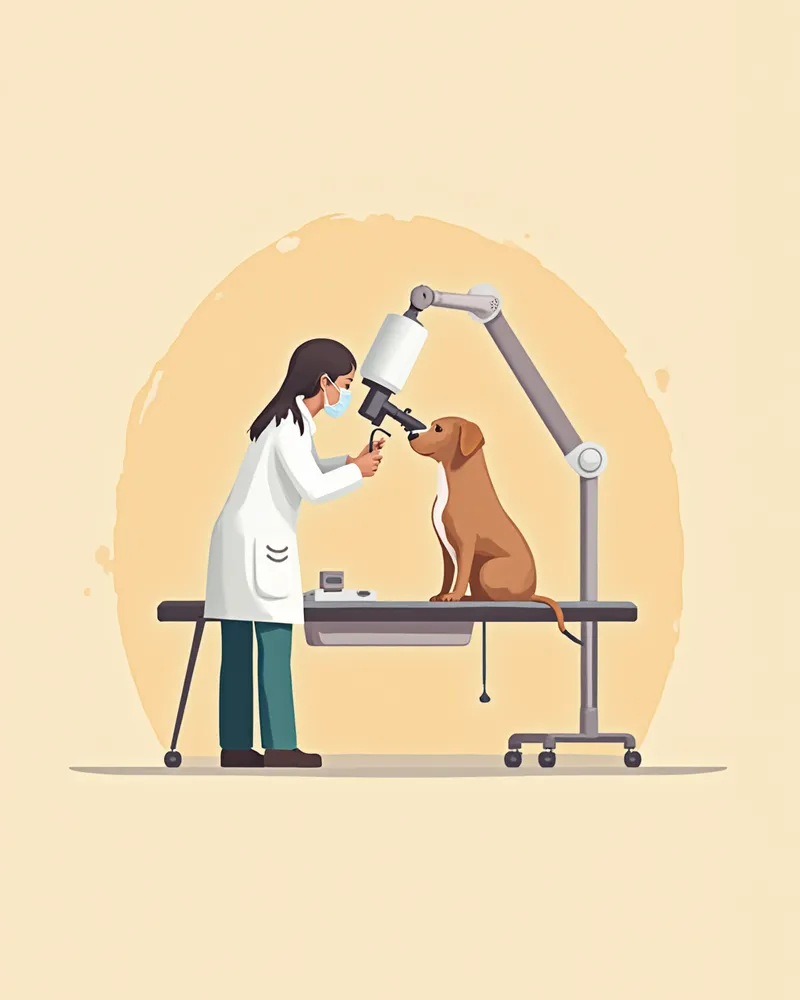
Appointments, Costs, and Preparation: Practical Tips
Key Points to Watch by Breed and Age
Certain breeds are at higher risk for eye diseases due to their eye structure or genetic predisposition. If your pet falls into any of the categories below, consider regular check-ups even if no symptoms are present. - Brachycephalic breeds (e.g., Shih Tzu): These breeds are reported to be prone to fundus and corneal diseases. In particular, corneal sequestrum (dark pigmented lesions on the cornea) is more commonly observed in brachycephalic cats. - Labrador Retrievers and Golden Retrievers: These breeds have a predisposition to progressive retinal atrophy (including retinal pigment epithelial dystrophy). As retinal disease progresses, secondary cataracts may develop. - Yorkshire Terriers, Bichon Frises, and Jack Russell Terriers: These breeds are reported to be prone to fundus diseases such as vitreoretinal degeneration, so regular fundus examinations are recommended. - Senior dogs and cats: Late-onset retinal atrophy typically begins between 3 and 5 years of age and can progress to blindness by 6 to 8 years of age, making fundus examinations increasingly important as pets age. - Pets with systemic or metabolic diseases: Metabolic disorders such as diabetes, as well as infectious and immune-mediated diseases, can cause eye conditions like uveitis, so early ophthalmic evaluation is beneficial.
Reviewed by a veterinarian

Dr. Tony — Punnawat Phongkittirak
VeterinarianA veterinarian who majored in veterinary medicine at Khon Kaen University, Thailand, and completed the IVSA program at North Carolina State University in the United States. Drawing on clinical experience at animal hospitals, he works in the pet healthcare field and is dedicated to building a digital care environment that connects pet parents with veterinarians.
Reviewed 2026-04-29
Frequently Asked Questions
Should I only visit the clinic when the primary care vet can't resolve the issue?
Is it possible to perform the test without anesthesia?
Is surgery always necessary for cataracts?
Is it worthwhile for cats to see a veterinary ophthalmologist?
Is a referral form absolutely necessary?
Share
Related Guides

Top 5 Dog Tear Supplements Recommended for 2026

What is Lutein? Effects on Dog Eye Health

The Best Canine Uveitis Management Products and Selection Criteria: A Comprehensive Guide

Pet Outdoor Emergency Kit: What to Pack — A Complete Guide to Essential Components and Preparation

When to Welcome a New Family Member After Losing a Pet — Signs You’re Emotionally Ready

After Saying Goodbye to a Companion — Do Surviving Pets Feel Grief Too?

How to Choose Cat Puzzle Toys — Which One Is Right for Stimulating Your Cat’s Brain?

Can I Send My Dog to a Pet Hotel? — When and How to Start Manners Training

How to Start Cafe Manners Training for Your Dog — Step-by-Step Methods to Stop Barking and Distraction

The Complete Guide to Multi-Dog Park Etiquette — From Dog Socialization to Accident Prevention
References
[1] Gelatt KN. Essentials of Veterinary Ophthalmology. Ames, IA: John Wiley & Sons, Inc.; 2014.
[2] Gelatt KN et al. Veterinary Ophthalmology, Vol. 2. Wiley-Blackwell, Oxford, UK; 2013.
[3] Maggs DJ, Miller PE, Ofri R. Slatter's Fundamentals of Veterinary Ophthalmology, 6th Ed. Elsevier; 2018.
[4] Hewitt JS, Allbaugh RA et al. Prevalence and antibiotic susceptibility of bacterial isolates from dogs with ulcerative keratitis. Front Vet Sci. 2020;7:583965.