
Why Get a Kidney Ultrasound for Your Dog? — When to Test and What It Reveals
An ultrasound of your dog’s kidneys is a key diagnostic tool for precisely evaluating kidney structure and function. We’ve compiled the essential information every pet owner should know in a Q&A format.
What Is a Canine Kidney Ultrasound?
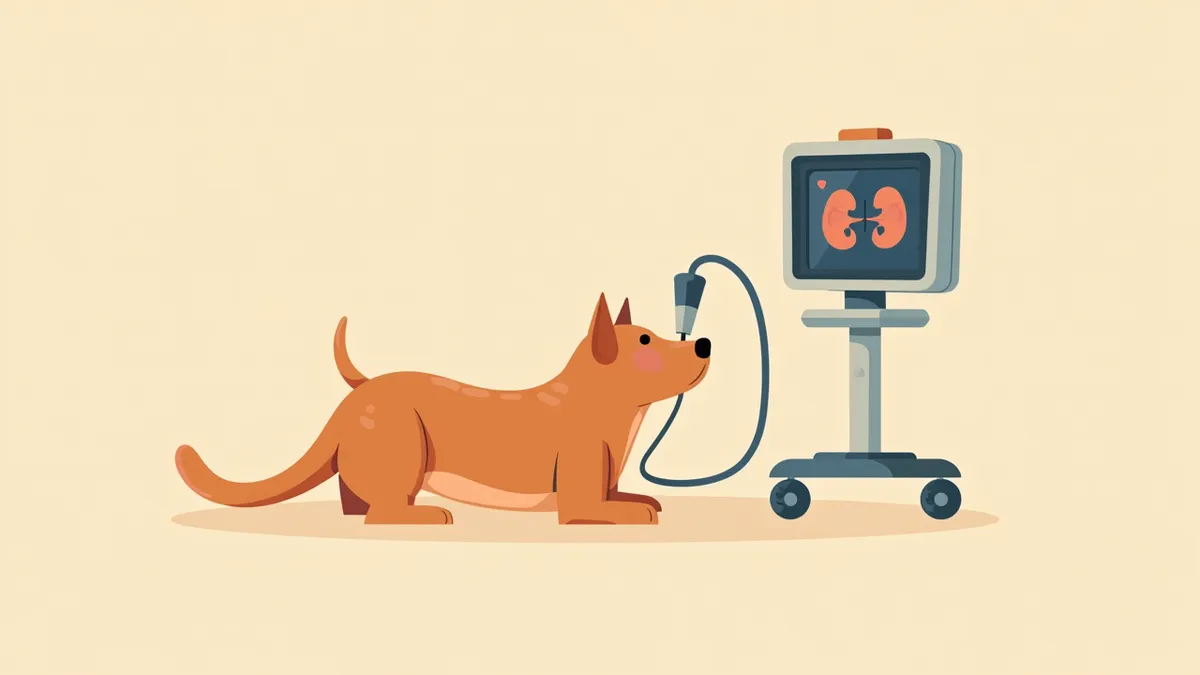
Why Is a Kidney Ultrasound Necessary?
How to Prepare for the Ultrasound Exam
Is the Ultrasound Exam Painful or Dangerous?

Ultrasound vs. Blood Test: What’s the Difference?
| Item | Ultrasound Examination | Blood Test |
|---|---|---|
| Purpose of Test | Check kidney structure (size, shape, echogenicity) and urinary tract condition | Assess kidney function values |
| Detectable Problems | Structural abnormalities such as stones, tumors, cysts, enlargement | Elevated functional indicators such as creatinine and BUN |
| Test Duration | 20–30 minutes | 5–10 minutes |
| Accuracy | Can confirm structural lesions | Normal values do not rule out kidney disease |
Ultrasound better shows structural problems, while blood tests better show functional indicators. Since normal blood values alone cannot rule out kidney disease, the two tests are complementary.
When Immediate Testing Is Needed
If your dog suddenly starts drinking excessive amounts of water, urinating frequently, losing weight rapidly, or losing its appetite, kidney issues may be suspected. If these symptoms persist, kidney function could become impaired, so it is important to consult your veterinarian and undergo an early ultrasound examination.
How to Interpret the Results
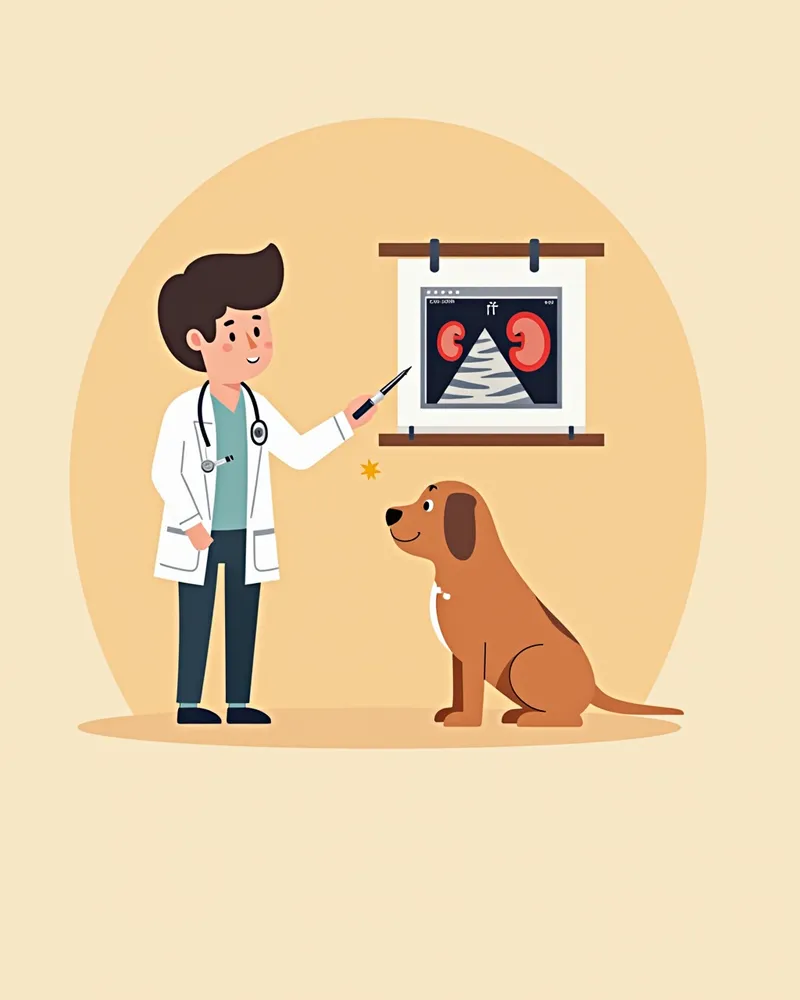
Post-Exam Care Tips

Reviewed by a veterinarian

Dr. Tony — Punnawat Phongkittirak
VeterinarianA veterinarian who majored in veterinary medicine at Khon Kaen University, Thailand, and completed the IVSA program at North Carolina State University in the United States. Drawing on clinical experience at animal hospitals, he works in the pet healthcare field and is dedicated to building a digital care environment that connects pet parents with veterinarians.
Reviewed 2026-06-05
Frequently Asked Questions
Is an ultrasound exam dangerous for dogs?
Should my pet fast before the test?
How long does the test take?
When can I expect to receive the results?
Can senior dogs also get tested?
Share
Related Guides

Top 5 Prescription Diets for Cats with Chronic Kidney Disease — Stage-Specific Protein Adjustment
7 Emergency Signs and Causes of Acute Kidney Failure in Dogs You Must Not Miss

Top 5 Cat Kidney Supplements Recommended for 2026

Senior Cat Litter Box Accessibility Guide: Why a Low-Entry Box Is Necessary

When to Change Your Senior Dog’s Food — Timing and Safe Transition Methods

How to Help Your Dog Who Refuses Brushing Adapt — A Step-by-Step Training Method Without Resistance

Correcting Fear of Other Dogs

7 Cognitive Stimulation Activities for Senior Cats to Preserve Cognitive Function — A Complete Guide to Preventing Dementia

The Complete Guide to Cognitive Stimulation Activities for Senior Dogs

Puppy Biting Correction Methods Vary by Stage
References
[1] Langston, C.E. et al. (2023) Small Animal Critical Care Medicine, 3rd Edition. Elsevier.
[2] The Cat, Clinical Medicine and Management, 2nd Edition (2022). Elsevier.
[3] Plumb's Veterinary Drug Handbook, 9th Edition (2023). Wiley.