
Causes of Cat Spraying and Correction Methods
Cat spraying is not a litter box accident; it is a form of communication using scent. We have compiled evidence-based veterinary guidance on how to address the underlying causes and tips for improving your cat’s environment.
Cat Spraying Is Not a Litter Box Accident
Spraying vs. Inappropriate Urination: What’s the Difference?
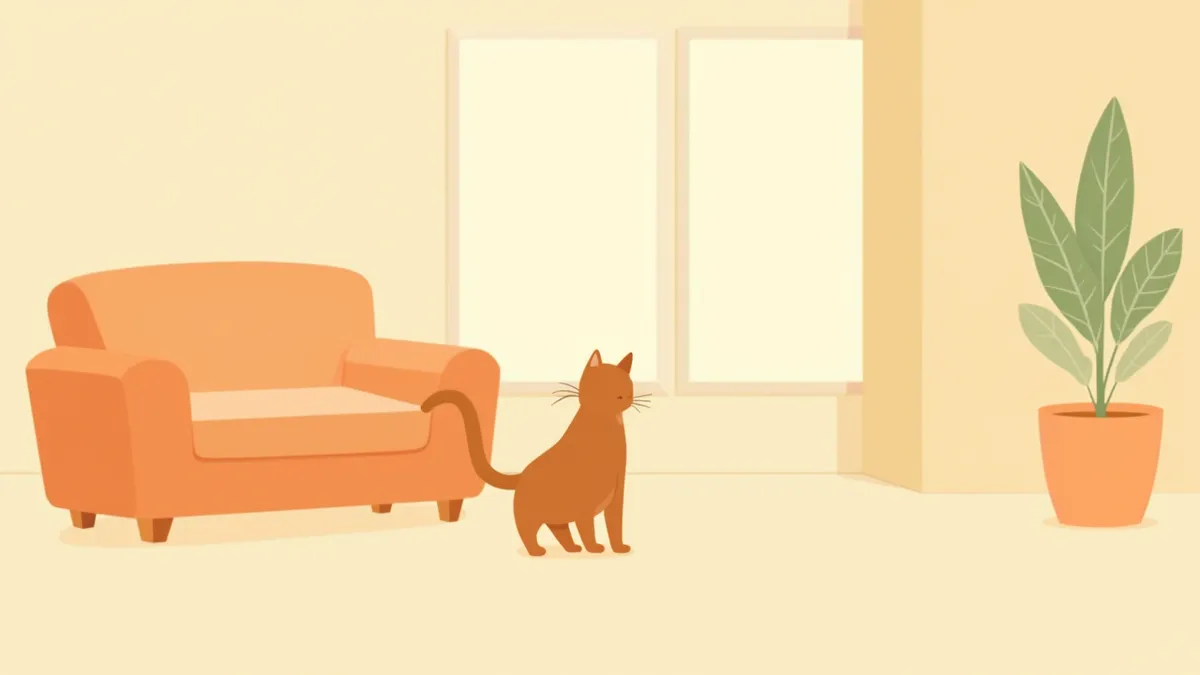
Comparison of Spraying and Inappropriate Elimination
| Feature | Spraying | Inappropriate Elimination |
|---|---|---|
| Posture | Usually standing with tail held upright | Squatting |
| Location | Typically vertical surfaces such as walls or furniture | Horizontal surfaces such as floors or beds |
| Urine Volume | Usually small amounts (though not always) | Moderate to large amounts |
| Primary Causes | Territorial marking, stress | Litter box issues, urinary tract disease |
| Tail Twitching | Present | Absent |
Main Reasons Why Cats Spray
Get a Health Checkup Before Attempting Correction
What looks like spraying behavior may actually be a medical issue such as cystitis or a urinary tract infection. If the behavior has started suddenly, it’s essential to have your pet undergo a urinalysis at a veterinary clinic first. Once medical causes have been ruled out, you can then begin behavior modification.
Reducing Spraying Through Environmental Improvements
Pheromone Products and Behavioral Treatment
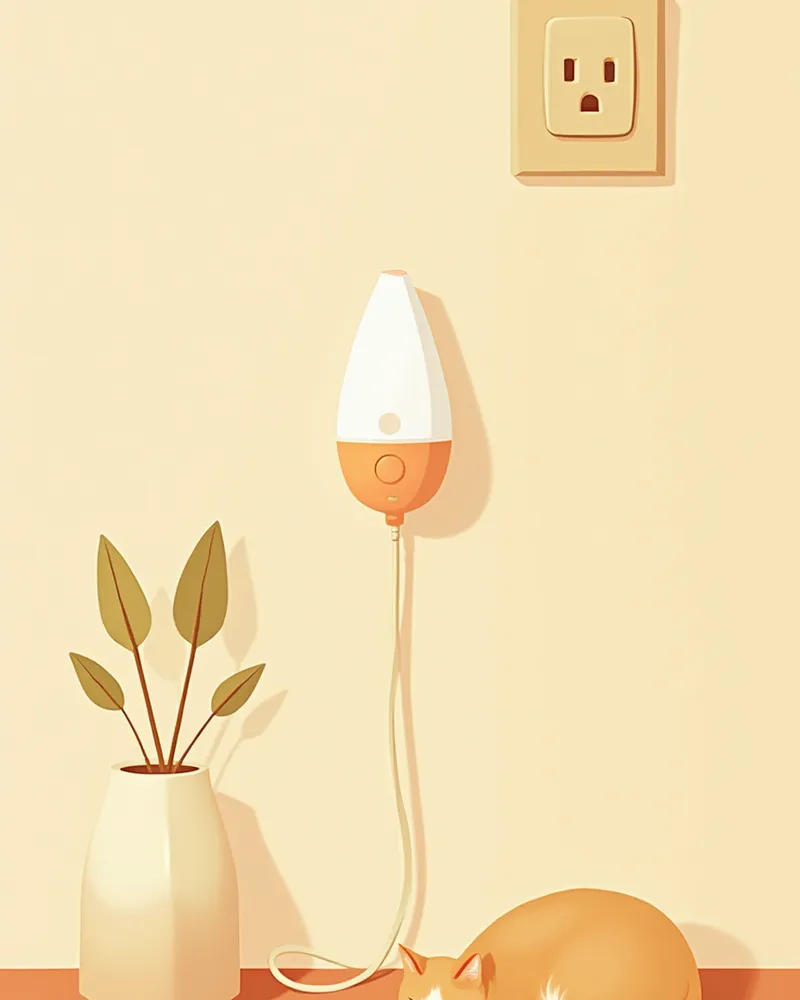
Important Considerations for Multi-Cat Households
In multi-cat households, one of the main triggers for spraying is often hidden tension between the cats. Provide separate litter boxes, food bowls, and water dishes for each cat, and ensure they each have their own private resting space. It’s also important to closely observe whether any chasing or staring behaviors occur between them.
Reviewed by a veterinarian

Dr. Tony — Punnawat Phongkittirak
VeterinarianA veterinarian who majored in veterinary medicine at Khon Kaen University, Thailand, and completed the IVSA program at North Carolina State University in the United States. Drawing on clinical experience at animal hospitals, he works in the pet healthcare field and is dedicated to building a digital care environment that connects pet parents with veterinarians.
Reviewed 2026-04-16
Frequently Asked Questions
Do neutered cats also spray urine?
How should I clean up spray marks?
How can you tell the difference between urine marking and an accident?
How long does it take to correct the issue with the spray?
Will the spraying stop if I punish them?
Share
Related Guides
7 Behavioral Enrichment Strategies for Mental Stimulation Recommended by Veterinarians

Top 5 Calming Supplements for Dogs and Cats in 2026

L-Theanine Effects and Calming Support
Dog Abdominal Tumors: What to Suspect — Key Q&A on Intra-abdominal Tumor Differential Diagnosis
Feline Tumor Prognosis and Survival Time FAQ — Key Information for Pet Owners
What Is Feline Tumor Immunotherapy? — Essential Q&A for Pet Owners on Principles to Efficacy
Feline Tumor CT/MRI Staging FAQ — Key Information Every Cat Owner Must Know
Cat Tumor Biopsy and Fine-Needle Aspiration FAQ — Key Information for Pet Owners

What is Feline Squamous Cell Carcinoma? — What Symptoms Should Raise Suspicion?
When to Spay Your Cat to Prevent Mammary Tumors — Key Prevention Q&A
References
[1] Borchelt P.L., Cat elimination behavior problems, Veterinary Clinics of North America: Small Animal Practice, 1991
[2] Bradshaw J.W.S. & Cameron-Beaumont C., The signalling repertoire of the domestic cat and its undomesticated relatives, The Domestic Cat: The Biology of its Behaviour, Cambridge University Press, 2000
[3] Ramos D. et al., Are cats (Felis catus) from multi-cat households more stressed? Evidence from assessment of fecal glucocorticoid metabolite analysis, Physiology & Behavior, 2020
[4] Bowen J. & Heath S., A Professional's Guide to Feline Behaviour: Understanding, Improving and Resolving Problems, CABI, 2022
[5] Little S.E., The Cat: Clinical Medicine and Management, 2nd Edition, Elsevier Saunders, 2012
[6] Landsberg G. et al., Behavior Problems of the Dog and Cat, 3rd Edition, Saunders, 2013