
The Meaning of a Dog’s Tail Wag: How to Read Mood by Direction and Speed
A dog’s tail wagging isn’t just a sign of happiness. Depending on the direction, speed, and height of the wag, it can convey entirely different emotions—ranging from joy and excitement to tension, alertness, and even fear.
Does a Dog Wag Its Tail Only Because It’s Happy to See You?
The Tail Is an “Antenna” for Emotions
Table for Interpreting Emotions by Tail Signal
| Item | Meaning | Accompanying Signals |
|---|---|---|
| Held high and wagging widely side to side | Confidence, delight | Open-mouthed smile, relaxed ears |
| Mid-height, gentle wagging | Comfort, curiosity | Relaxed posture, loose tail |
| Held low and wagging quickly | Anxiety, submission | Cowered posture, watching for cues |
| Held stiffly upright with slight vibration | Wariness, arousal, precursor to aggression | Ears perked, muscles tense |
| Tucked between the legs | Fear, extreme stress | Trembling, panting, avoidance |
Don't look at the tail alone — observe the ears, eyes, and mouth expressions along with body posture.
How to Analyze by Direction, Speed, and Height
A Wagging Tail Doesn’t Always Mean “Friendliness
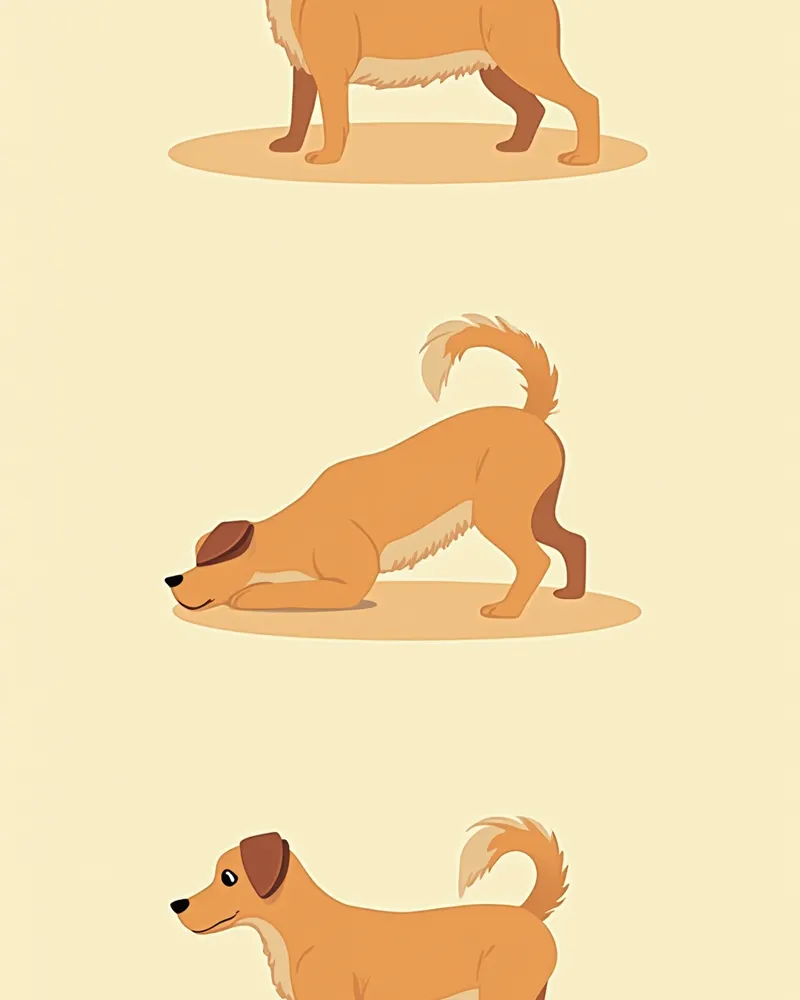
Every year, we see accidents where people approach a wagging dog and get bitten. In particular, when a dog holds its tail stiffly upright with only the tip vibrating rapidly, it may be on the verge of attacking. When encountering an unfamiliar dog, don’t just look at the tail movement; also check if the ears are pinned back, if the teeth are bared, and if the body is tense. It’s dangerous to teach young children that “if the tail is wagging, it’s okay to touch.”
How Does Your Dog Wag in Different Situations?
Check for These Signs If Your Dog Suddenly Stops Wagging or Its Tail Hangs Limply
How to Interpret Tail Signals in Breeds with Docked Tails
Dogs with naturally short tails or docked tails, such as Doberman Pinschers, Boxers, and Welsh Corgis, have limited ability to communicate through tail signals, making it harder for other dogs or people to read their emotions and increasing the likelihood of misunderstandings. Since tail signals usually appear alongside other cues, such as ear position, the absence of clear tail information can make it even easier for others to misinterpret their feelings. In these cases, pay close attention to other signals, such as ear direction, eye expression, mouth posture, overall body posture, and hackles (raised fur on the neck), to comprehensively assess their mood.
Reviewed by a veterinarian

Dr. Tony — Punnawat Phongkittirak
VeterinarianA veterinarian who majored in veterinary medicine at Khon Kaen University, Thailand, and completed the IVSA program at North Carolina State University in the United States. Drawing on clinical experience at animal hospitals, he works in the pet healthcare field and is dedicated to building a digital care environment that connects pet parents with veterinarians.
Reviewed 2026-04-28
Frequently Asked Questions
Why does my dog wag its tail while barking?
My puppy twitches its tail while sleeping. Is it dreaming?
My dog only wags its tail to the right. Is this one-sided wagging a cause for concern?
Does a dog that doesn’t wag its tail at all mean it’s in a bad mood?
What does it mean when a dog wags its tail in circles?
Share
Related Guides
7 Behavioral Enrichment Strategies for Mental Stimulation Recommended by Veterinarians

Top 5 Calming Supplements for Dogs and Cats in 2026

L-Theanine Effects and Calming Support

Frequently Asked Questions About Preventive Dental Treats and Chews for Cats — Key Points Every Owner Should Know

Frequently Asked Questions on Preventing Feline Tartar and Plaque — Key Information Every Pet Owner Should Know
Feline Oral Abscess & Root Abscess FAQ — Key Information Every Pet Owner Should Know

Frequently Asked Questions About Cleft Palate in Cats — Key Information for Pet Owners
Cat Teeth Grinding (Bruxism) FAQ — Key Information Every Pet Owner Should Know
Is Feline Anesthetic Dentistry Really Safe? — Key Safety Q&A Answered by a Veterinarian
Frequently Asked Questions About Canine Tumor Immunotherapy — Key Information for Pet Owners
References
[1] Quaranta, A., Siniscalchi, M., Vallortigara, G., Asymmetric tail-wagging responses by dogs to different emotive stimuli, Current Biology, 2007
[2] Siniscalchi, M. et al., Seeing left- or right-asymmetric tail wagging produces different emotional responses in dogs, Current Biology, 2013
[3] Horwitz, D.F., Mills, D.S., BSAVA Manual of Canine and Feline Behavioural Medicine, 2nd ed., 2009
[4] Overall, K.L., Manual of Clinical Behavioral Medicine for Dogs and Cats, Elsevier, 2013