Like
Share
멍실장
고양이 정기 혈액 검사 항목 자주 묻는 질문 Q&A — 보호자가 꼭 알아야 할 핵심

Cat Routine Blood Test Items FAQ — Key Points Every Owner Should Know

Lifestyle & Age CareQ&AMeongsiljang Veterinary Advisory Board

Regular blood tests are essential for early disease detection in cats. We’ve outlined the key indicators and corresponding actions that every cat owner should know.

What are the items in a cat's routine blood test?

A medical diagram showing the components of a cat blood test.
Routine blood tests are a key part of comprehensively evaluating your cat’s health. - Kidney function: Creatinine and BUN (blood urea nitrogen) levels assess the kidneys’ excretory function. Elevated levels may indicate early signs of dehydration or declining kidney function. - Liver function: Enzyme levels such as AST, ALT, and ALP help identify liver damage. Early detection of liver dysfunction is crucial for effective management. - Blood glucose: Fasting blood glucose is measured to screen for diabetes. Since cats can develop diabetes, checking fasting glucose levels is helpful. - Blood cell analysis: Red blood cell, white blood cell, and platelet counts check for anemia, infection or inflammation, and clotting abnormalities. All of these parameters aid in early disease detection and overall health management.

Why are routine blood tests necessary for cats?
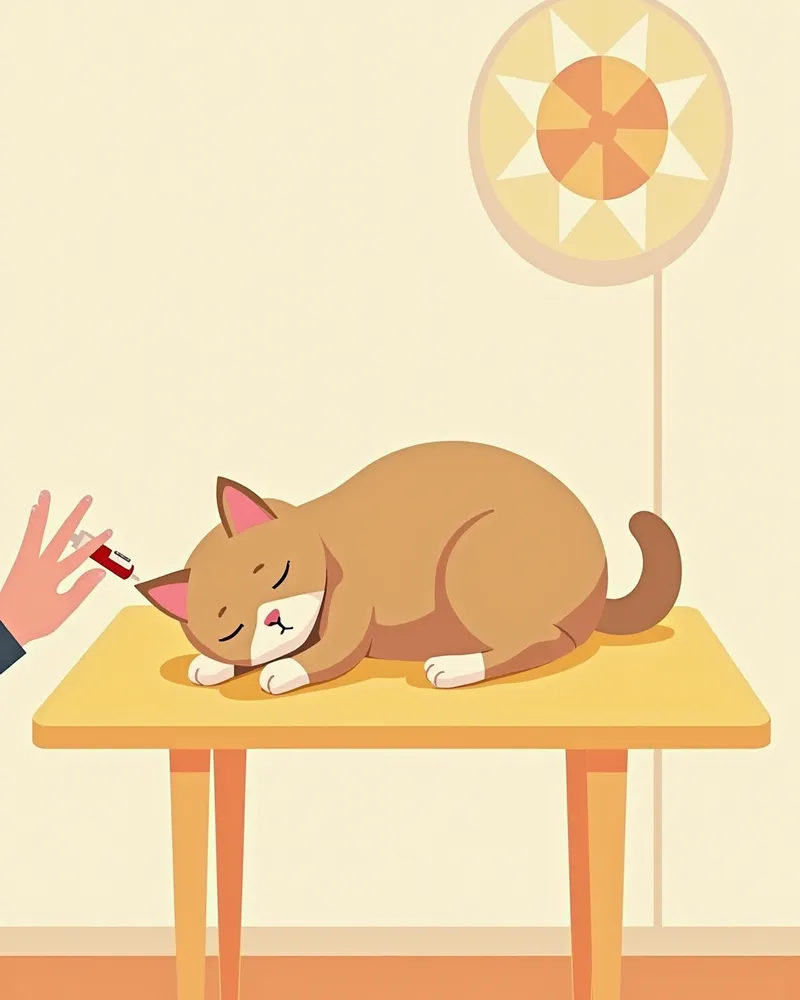
Cats are skilled at hiding pain, so by the time symptoms appear, the underlying condition has often progressed significantly. Regular blood tests help detect internal organ dysfunction early, even in the absence of clinical signs. As cats age, they become more susceptible to conditions such as chronic kidney disease, hyperthyroidism, and hypertension, making routine screening especially important for senior cats. Veterinarians recommend that cats aged seven years and older undergo health check-ups at least once a year, while those aged ten and older should be examined twice a year. These exams enable the early detection and management of chronic diseases like kidney disease, diabetes, and liver disorders. Early detection is crucial for developing effective treatment and care plans, and collaborating with your veterinarian is essential for creating a comprehensive health management strategy.
An elderly cat having a blood sample drawn by a veterinarian.

What are the main items checked in a routine blood test?
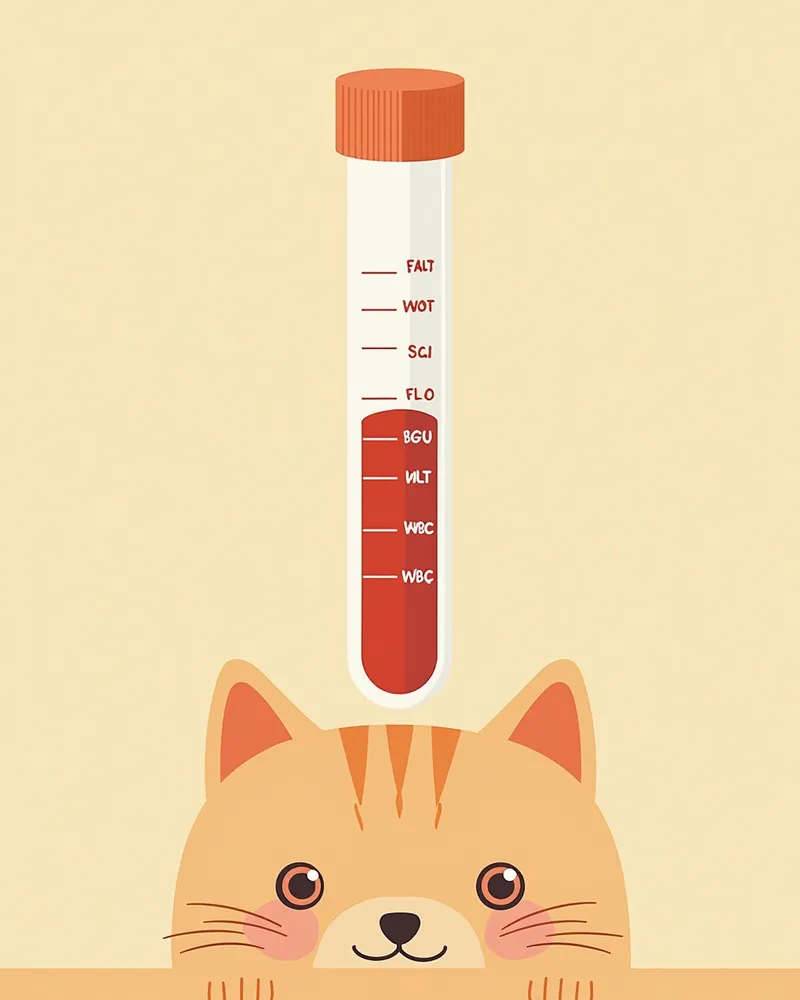
Routine blood tests for cats analyze various biochemical markers and blood cell counts. - Kidney function: Creatinine and BUN levels are used to assess the kidneys' excretory function. Elevated levels may indicate early signs of declining kidney function. - Liver function: AST, ALT, and ALP levels help determine whether there is liver damage. Early detection is crucial for managing liver disease. - Blood glucose levels: Fasting blood glucose is measured to evaluate for diabetes. Since cats can also develop diabetes, checking fasting blood sugar is helpful. - Electrolyte balance: Potassium, sodium, and calcium levels provide insight into the body's fluid and electrolyte status. Dehydration can alter electrolyte levels, and electrolyte imbalances can affect heart function. These parameters assist veterinarians in making a comprehensive assessment of your cat's health.
The main test items indicated on a cat's blood sample

Comparison of Key Meanings by Cat Blood Test Item

ItemNormal RangeMeaningWhen to Be Cautious
Creatinine0.8–1.8 mg/dLKidney function assessmentDecreased kidney function when elevated
BUN19–33 mg/dLKidney excretory functionDehydration or kidney disease when excessively elevated
Blood Glucose65–131 mg/dLDetermining diabetesSuspected diabetes when persistently elevated
ALT10–80 U/LLiver function assessmentPossible liver damage when elevated
White Blood Cell Count5,000–18,000 /μLPresence of infectionInflammation or infection when excessive

Normal ranges may vary depending on breed and age. The veterinarian makes a comprehensive judgment.

What should you do if blood test results are abnormal?

If blood test results are abnormal, your veterinarian may recommend additional tests. While the changes could be minor fluctuations, they might also be early signs of a disease. Even if an immediate clinic visit isn't necessary, follow-up monitoring or further testing may be required. Ignoring these results could allow a condition to worsen, so caution is advised. Consult with your veterinarian to identify the cause and develop a treatment plan. Early intervention plays a significant role in your pet's recovery.
A veterinarian analyzing a cat's blood test results.

Immediate veterinary visit is required in these cases

If blood tests reveal severely impaired kidney function or extremely high or low blood sugar levels, immediate veterinary care is necessary. This may be an emergency, especially if accompanied by loss of appetite, vomiting, or dehydration. The safest course of action is to seek a veterinarian's assessment.

How should you prepare for a blood test?

Fasting before a blood test can be important. Whether your cat needs to fast depends on the purpose of the test and your clinic’s policy. It’s fine to let your cat drink water. Please prepare a quiet, calm environment to help keep your cat relaxed. - Fasting preparation: Some tests (e.g., blood glucose, lipids) are more accurate when performed in a fasted state, so some clinics may recommend fasting. However, there is no fixed fasting duration (such as 8 hours or more), so it’s important to follow your clinic’s specific instructions. - Environment setup: Allow your cat to rest in a quiet room before the test. - Stress management: To reduce your cat’s stress, bring familiar toys or their carrier with you. Thorough preparation helps ensure the accuracy of the test results.
A cat sitting quietly in the veterinarian's waiting room

How is the frequency of routine blood tests determined?

The frequency of health check-ups varies depending on your cat’s age and overall health. For young cats, it is generally recommended to have a check-up every one to two years. For cats aged seven and older, we recommend regular health assessments in consultation with your veterinarian. Cats with chronic conditions may require more frequent examinations. It is best to work with your vet to create a personalized screening plan. Regular check-ups are essential for early disease detection and maintaining good health, and sticking to the recommended schedule helps improve your cat’s quality of life.
A calendar marking the schedule for regular check-ups for cats.

Reviewed by a veterinarian

Dr. Tony — Punnawat Phongkittirak

Dr. Tony — Punnawat Phongkittirak

Veterinarian

A veterinarian who majored in veterinary medicine at Khon Kaen University, Thailand, and completed the IVSA program at North Carolina State University in the United States. Drawing on clinical experience at animal hospitals, he works in the pet healthcare field and is dedicated to building a digital care environment that connects pet parents with veterinarians.

Frequently Asked Questions

Is a blood test for cats very painful?
Blood draws are quick, but cats may react differently. Most experience only brief discomfort, and veterinarians handle the procedure gently. If your cat becomes anxious, sedatives may be used.
The blood test results are abnormal—should I take my pet to the vet?
While the results may seem slightly unusual, your veterinarian will make a comprehensive assessment. If the abnormalities persist or are accompanied by symptoms, additional testing may be necessary. Even if an immediate clinic visit isn't required, follow-up monitoring is essential.
My cat is afraid of blood tests. What should I do?
To help reduce your cat’s stress, let them wait in a familiar place before the exam. The veterinarian will approach gently and may use a sedative if needed. Gradual exposure training can also be helpful.
How much does a blood test cost?
The cost of the examination varies depending on the region and the clinic, typically ranging from $40 to $70. Since regular check-ups are essential for maintaining your pet's health, they can help reduce treatment costs in the long run.
Can I check my pet’s blood test results at home?
The veterinarian will interpret the results and explain them to you. While some clinics provide results through an online portal, please avoid making any judgments without professional interpretation. Following your veterinarian’s advice is the safest approach.

Share

Related Guides

References

[1] Stockham, S.L. and Scott, M.A. (2008). Fundamentals of Veterinary Clinical Pathology, 2nd ed. Ames, Iowa: Blackwell Pub.

[2] Papasouliotis, K. et al. (2006). Analysis of canine and feline blood samples using the Kuadro in-house wet-reagent chemistry analyser. J Small Anim Pract. 47(4):190–195.

[3] ISFM Consensus Guidelines on the Diagnosis and Management of Feline Chronic Kidney Disease. J Fel Med Surg. 18(3):219–239, 2016.

This information is based on veterinary literature and does not replace diagnosis or treatment. Please consult a veterinarian for specific health concerns.

Metapet Co., Ltd. | CEO: Park Sung-yong | Business Reg. No. 417-88-02562 | Seoul, South Korea | Customer Center

Cat Blood Test: 5 Common Questions Answered | Meongsiljang