Like
Share
멍실장
고양이 콕시듐 자주 묻는 질문 Q&A — 보호자가 꼭 알아야 할 핵심

Feline Coccidia FAQ — Key Information Every Pet Owner Should Know

Infection/ParasitesQ&AMeongsiljang Veterinary Advisory Board

Feline coccidia are protozoan parasites that inhabit the small intestine, and they can cause severe diarrhea and dehydration, particularly in kittens and cats with weakened immune systems. Here’s a summary of the key information every pet owner should know.

What Are Feline Coccidia?
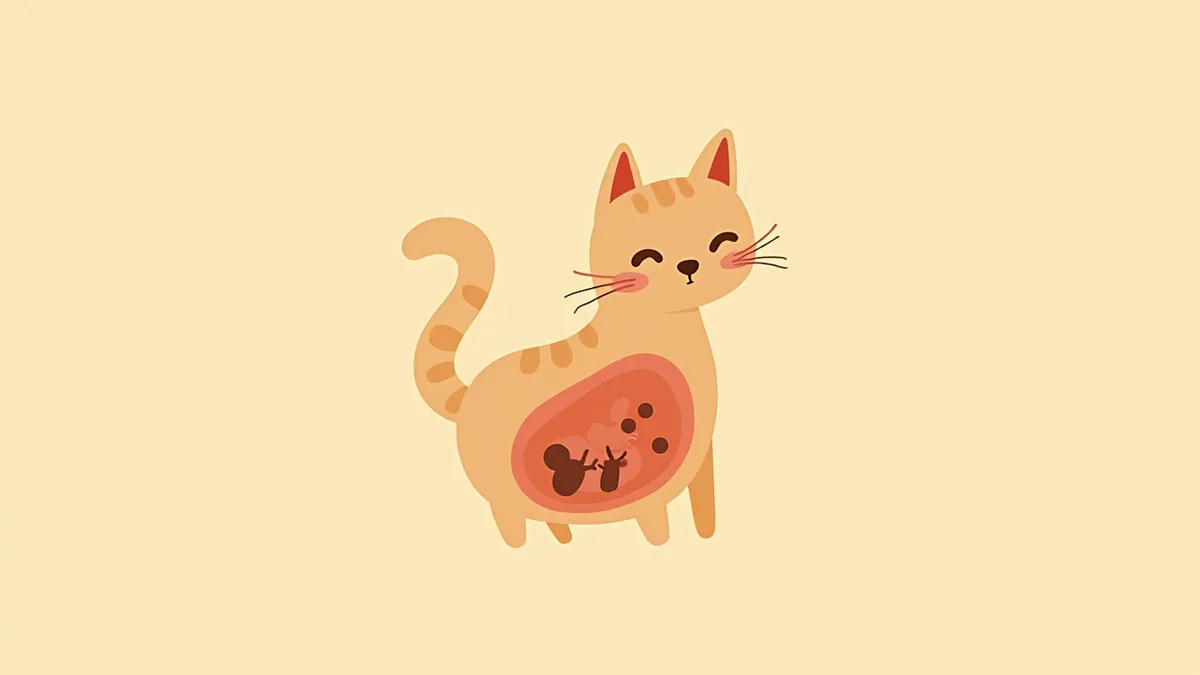
Microscopic image of coccidian parasites residing within the small intestinal cells of a cat
Feline coccidia are single-celled parasites that primarily inhabit the digestive tract, especially the small intestine. They can cause diarrhea, abdominal pain, loss of appetite, and weight loss in kittens with immature immune systems or in cats with compromised immunity. Oocysts may be found in the feces of healthy young kittens, and clinical signs often appear alongside weaning, changes in caregivers, or other stressful situations. Infection occurs when cats ingest oocysts contaminated in the environment or in feces. In the early stages of infection, symptoms may be subtle and easily overlooked by pet owners. As the disease progresses, systemic signs such as decreased appetite, weight loss, and lethargy may develop. In severe cases, dehydration can occur, posing a serious risk, so early diagnosis and management are recommended.

What Are the Main Causes of Coccidian Infection?
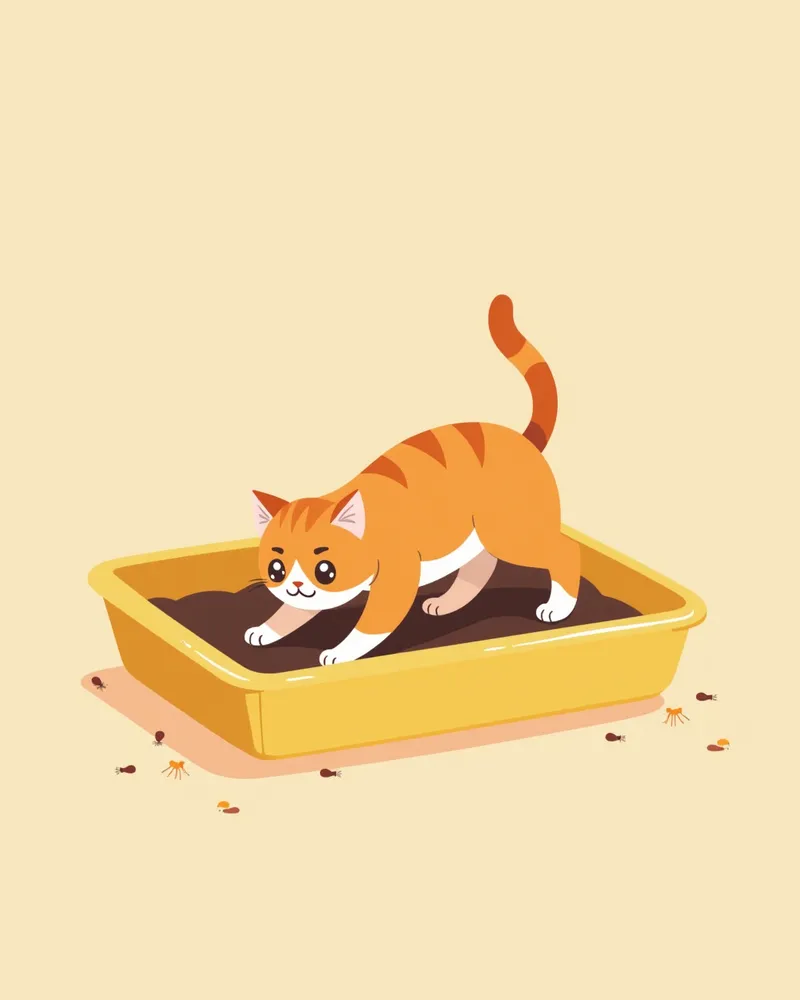
The primary cause of feline coccidiosis is the ingestion of coccidian oocysts through contact with contaminated environments or feces. These oocysts become infectious after sporulating in warm, humid conditions. If feces are not promptly removed, environmental contamination and the risk of infection increase significantly. Conversely, immediate removal of feces and maintaining a dry environment hinder the maturation of oocysts. Kittens, newly adopted cats, and cats in multi-cat settings such as shelters or catteries are at higher risk of infection. Additionally, toys or food bowls brought in from outside can serve as sources of contamination, making regular fecal removal and maintaining cleanliness essential.
A cat stepping into a contaminated litter box, with an image showing microscopic parasite feces.

What Are the Main Symptoms of Coccidian Infection?

The main symptoms of feline coccidiosis include persistent diarrhea, blood or mucus in the stool, abdominal pain, loss of appetite, weight loss, and lethargy. In kittens or cats with weakened immune systems, diarrhea can be particularly severe, leading to rapid dehydration. Severe dehydration may cause sunken eyes, loss of skin elasticity, and noticeable weakness. Other gastrointestinal signs such as gastritis or vomiting may also occur, and damage to the intestinal lining can further worsen the cat’s overall condition. While some cases are mild, leaving the infection untreated can lead to dehydration and systemic weakness, making early detection and appropriate treatment essential.
A cat showing soft stool mixed with mucus

When to Visit a Veterinary Clinic Immediately

If your cat hasn’t eaten for more than 12 hours, or if it has had persistent diarrhea, bloody stools, or signs of dehydration (such as reduced skin elasticity and sunken eyes) for over six hours, please visit a veterinary clinic immediately. These symptoms may indicate severe dehydration or intestinal damage, requiring prompt diagnosis and treatment by a veterinarian. Kittens and cats with weakened immune systems are at particularly high risk.

Symptoms and Management by Severity of Infection

ItemMildModerateSevere
Main SymptomsMild diarrhea, decreased appetitePersistent diarrhea, abdominal pain, weight loss, lethargySevere diarrhea, bloody stool, dehydration, systemic weakness
Treatment DurationShort-term depending on the medication (e.g., 1–5 days)For the prescription period determined by the veterinarianMay be longer depending on the condition and require hospitalization
Treatment MethodOral anticoccidials, nutritional supportAnticoccidials (such as sulfonamide drugs), fluid therapyFluid therapy, anticoccidials such as sulfonamides, in-hospital inpatient management

Because the treatment duration and method vary with the degree of infection, an accurate diagnosis is essential.

What Are the Accurate Diagnosis and Treatment Methods?
Feline coccidiosis can be confirmed through a fecal examination, in which a veterinarian analyzes the stool under a microscope to detect the oocyst stage of the parasite. Treatment involves administering anticoccidial medications that inhibit or kill the coccidia. For individual cats, sulfonamide drugs containing trimethoprim, such as sulfadiazine or sulfadimethoxine, are commonly used. In densely populated environments like shelters or catteries, ponazuril (50 mg/kg, administered orally once daily for 1 to 5 days) may also be used. The specific medication and treatment duration are determined by the veterinarian’s diagnosis, and supportive care, such as fluid and nutritional supplementation via intravenous fluids, is crucial for severely ill kittens. Follow-up testing may be recommended to monitor treatment progress, and ensuring adequate hydration and nutrition is essential throughout the treatment period.
A veterinarian examining a cat’s fecal sample under a microscope.

Home Care and Prevention Methods

While treating an infected cat, keep it separated in its own space whenever possible, clean the litter box daily, and remove feces immediately. Prompt removal of feces and maintaining a dry environment prevent oocysts from maturing and becoming infectious. Wash food and water bowls thoroughly with hot water and detergent, and use disinfectants containing hydrogen peroxide or slaked lime (calcium hydroxide) for environmental disinfection. Assign separate food and water bowls to each cat and sterilize them regularly with boiling water. Also, clean any toys or items brought in from outside before use, and have newly adopted cats undergo fecal testing and a health checkup. The key to prevention is cleanliness, prompt removal of feces, and inhibiting the survival of oocysts in the environment.
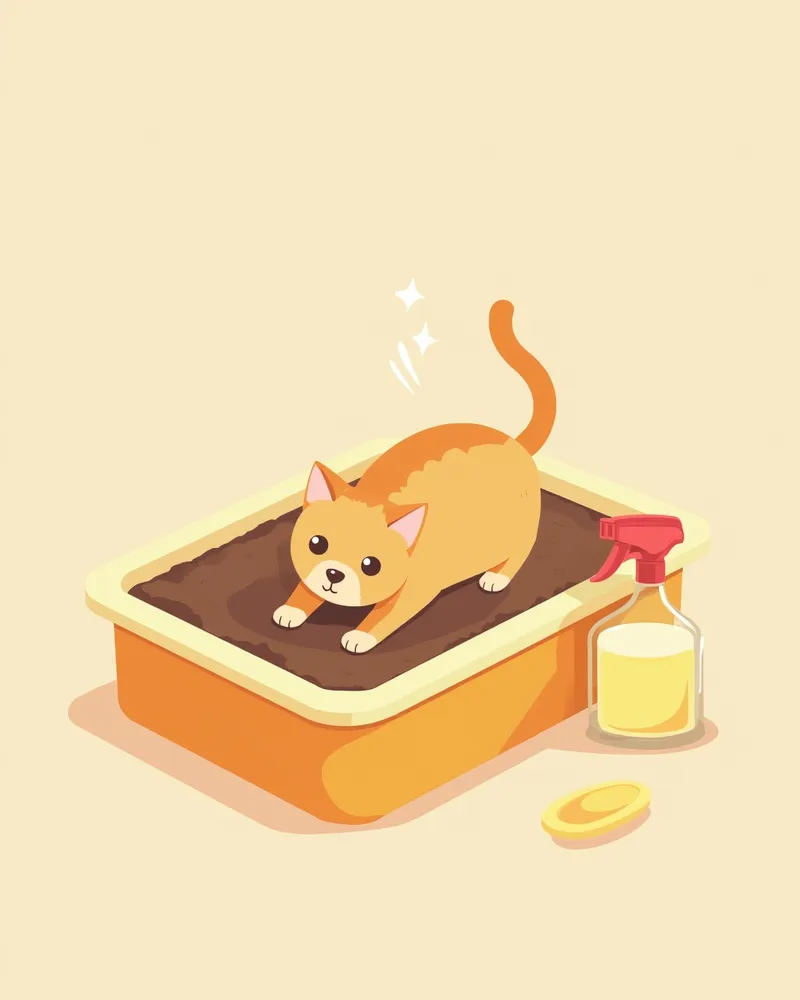
A clean cat litter box and disinfectant are ready.

Precautions and Contraindications

Coccidiostats must be used strictly under a veterinarian’s prescription, and extra caution is required in cats with compromised liver or kidney function. Never adjust the dosage on your own; it is essential to follow the dose and treatment duration prescribed by your veterinarian based on your cat’s weight and condition. Monitor your cat closely for any changes while on medication, and consult your veterinarian immediately if symptoms such as loss of appetite, vomiting, or worsening diarrhea occur. Overdosing can strain the liver and kidneys, so adhering precisely to the prescribed dosage and administration instructions is crucial for safety.

Reviewed by a veterinarian

Dr. Tony — Punnawat Phongkittirak

Dr. Tony — Punnawat Phongkittirak

Veterinarian

A veterinarian who majored in veterinary medicine at Khon Kaen University, Thailand, and completed the IVSA program at North Carolina State University in the United States. Drawing on clinical experience at animal hospitals, he works in the pet healthcare field and is dedicated to building a digital care environment that connects pet parents with veterinarians.

Frequently Asked Questions

Can feline coccidiosis be transmitted to humans?
Feline coccidia are parasites that primarily infect cats and are unlikely to be transmitted to humans. However, since other cat-associated diseases, such as toxoplasmosis, can spread to people, pregnant individuals and those with weakened immune systems should exercise caution when handling feces and wash their hands thoroughly.
Can I keep a cat that has been infected?
Yes, with proper treatment and care, most pets recover well. To prevent reinfection, it's important to keep the environment clean and have regular stool examinations.
Should I continue giving the medication even after the symptoms have disappeared?
Yes, even after the symptoms have disappeared, you should continue giving the medication for the duration prescribed by your veterinarian to ensure the parasites are fully eliminated and to prevent reinfection. The dosage and treatment period must be adjusted strictly according to your veterinarian’s instructions.
How dangerous is it for a young kitten to become infected?
Kittens are at higher risk because their immature immune systems can lead to rapid dehydration and systemic complications. Early diagnosis and treatment are therefore especially important.
Can frequent cleaning of the litter box help prevent infections?
Yes, regular cleaning and prompt removal of feces are key to preventing infection. Oocysts mature and become infectious while left in the environment, so it’s important to clean up feces as soon as possible.

Share

Related Guides

References

[1] Plumb's Veterinary Drug Handbook, 10th Edition, 2023

[2] The Cat: Clinical Medicine and Management, 2nd Edition, 2019

[3] Small Animal Critical Care Medicine, 3rd Edition, 2021

This information is based on veterinary literature and does not replace diagnosis or treatment. Please consult a veterinarian for specific health concerns.

Metapet Co., Ltd. | CEO: Park Sung-yong | Business Reg. No. 417-88-02562 | Seoul, South Korea | Customer Center

Feline Coccidiosis: 5 Frequently Asked Questions | Meongsiljang