Like
Share
멍실장
고양이 부정맥(심방세동) 자주 묻는 질문 Q&A — 보호자가 꼭 알아야 할 핵심

If Your Cat’s Heart Is Beating Irregularly — Causes of Atrial Fibrillation and When to Visit the Vet

HeartQ&AMeongsiljang Veterinary Advisory Board

Feline arrhythmia (atrial fibrillation) is a condition in which the heart beats irregularly, making early detection and proper management essential. Here’s a summary of the key information every pet owner should know.

What Is Feline Arrhythmia (Atrial Fibrillation)?
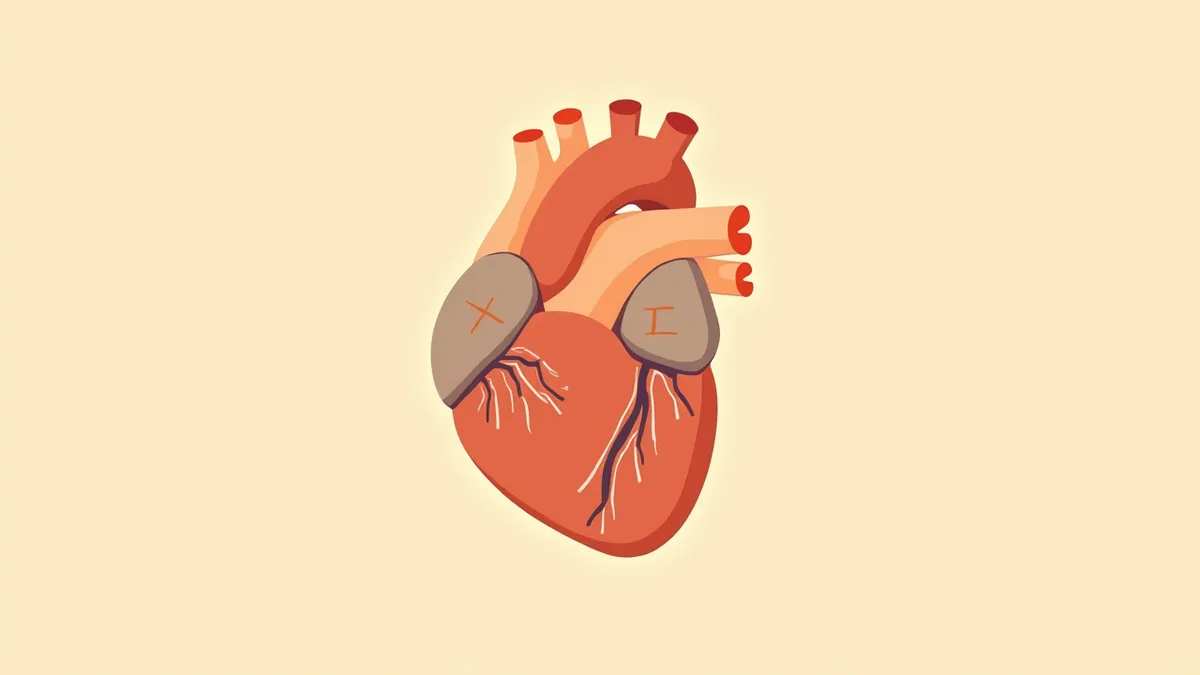
Electrical activity of the heart in a cat with atrial fibrillation
Feline arrhythmias, particularly atrial fibrillation, are rhythm disorders in which the atria fire rapidly and irregularly, causing the heart to lose its coordinated contractions. This condition impairs the heart’s ability to pump blood effectively, reducing forward blood flow and increasing the risk of clot formation in the left atrium. In cats with compromised cardiac function, such as those with hypertrophic cardiomyopathy (HCM), this can lead to acute heart failure or arterial thromboembolism, a condition in which a blood clot obstructs an artery. Veterinarians diagnose the condition by identifying the irregular, rapid heartbeat through electrocardiography (ECG) and echocardiography. Early detection and consistent management are crucial for significantly improving a cat’s quality of life and prognosis.

Why Do Cats Develop Atrial Fibrillation?
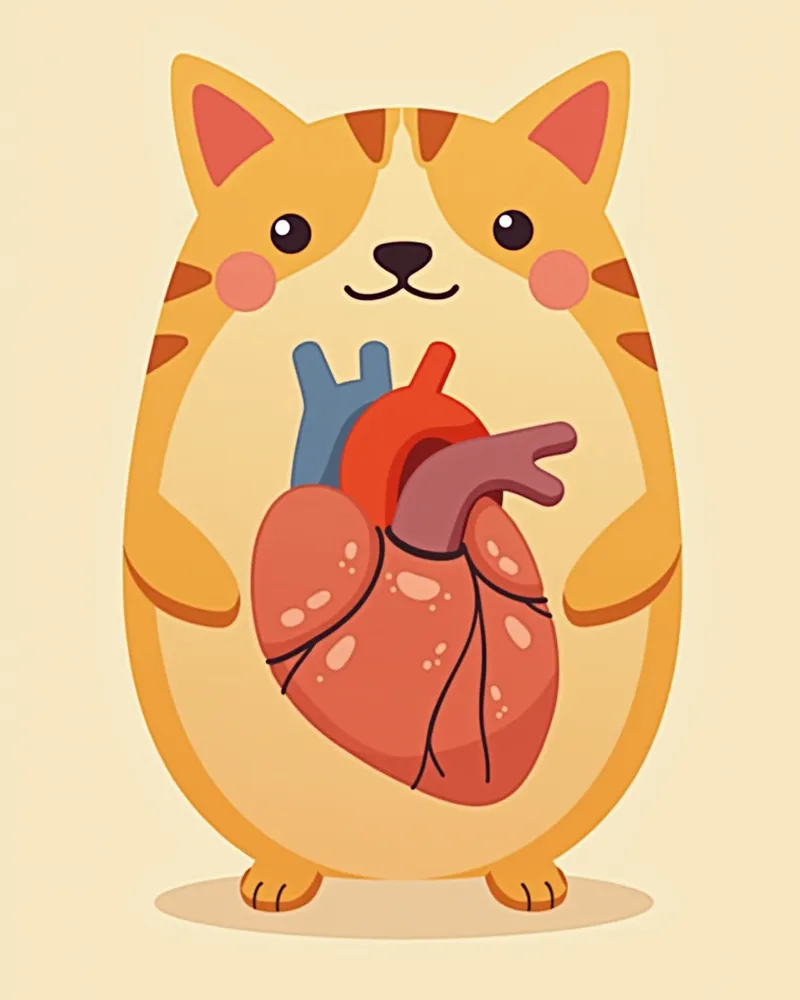
Feline atrial fibrillation usually stems from structural or functional abnormalities in the heart muscle. The risk is particularly high in cats with cardiomyopathy, such as hypertrophic cardiomyopathy (HCM). It can also occur alongside severe systemic diseases, like hyperthyroidism. Genetic predisposition plays a role as well, with the condition being more commonly reported in certain breeds prone to cardiomyopathy, such as Maine Coons and Ragdolls. As cats age, declining heart function increases the likelihood of arrhythmias, and stress or chronic illness can further worsen rhythm disturbances. Regular cardiac check-ups are essential for early diagnosis.
A cat's heart with hypertrophic cardiomyopathy

What Are the Main Symptoms of Atrial Fibrillation?
Feline arrhythmia (atrial fibrillation) is difficult to detect in its early stages because it rarely presents noticeable symptoms. However, as heart function deteriorates, signs such as difficulty breathing, panting, lethargy, fainting, and shock may appear. Your cat may also suddenly become unable to move or sit still while trying to catch its breath. If you notice an irregular or rapid heartbeat, immediate veterinary care is necessary. Pay close attention to any changes in heart rate, whether it becomes too slow or too fast. Early detection is crucial for successful treatment outcomes.
Cats showing signs of breathing difficulty

Signs That Require Immediate Veterinary Care

If your cat suddenly collapses, pants heavily, or develops a bluish tint to its gums, seek veterinary care immediately. These symptoms may indicate a heart attack or acute heart failure caused by a blood clot. A veterinarian must promptly diagnose the condition using an electrocardiogram and echocardiography, and begin treatment right away.

How Is It Diagnosed?
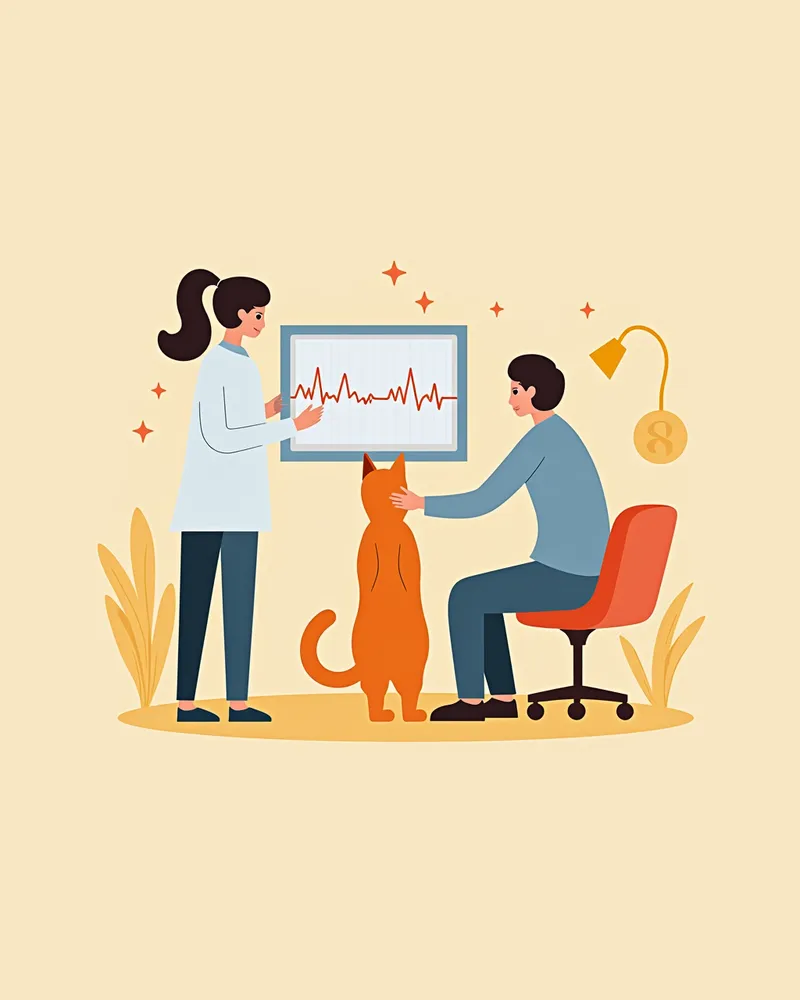
Atrial fibrillation can be accurately diagnosed using an electrocardiogram (ECG). The hallmarks of atrial fibrillation include an irregular heartbeat, absence of P waves, and inconsistent QRS intervals. Additionally, an echocardiogram (ultrasound of the heart) is used to evaluate the heart’s structure and function. This test helps identify conditions such as cardiac enlargement, valve abnormalities, and reduced ventricular function. During diagnosis, blood tests are performed alongside a comprehensive analysis to determine the underlying cause of the heart disease. An accurate diagnosis is essential for developing an effective treatment plan.
A cat undergoing an electrocardiogram (ECG) examination.

What Are the Treatment Options?

Treatment for atrial fibrillation focuses on controlling rapid heart rate and preventing blood clots. If the ventricular rate exceeds 150 beats per minute, calcium channel blockers such as diltiazem are used to lower the heart rate, and medications like atenolol or sotalol may be administered as needed based on the individual case. For cats at high risk of thromboembolism, anticoagulants are prescribed at the veterinarian’s discretion. If heart failure is present, these are combined with cardiac medications such as diuretics, ACE inhibitors, and pimobendan. Treatment is tailored to each cat’s weight, clinical condition, and presence of complications. The efficacy and safety of medications are continuously monitored through regular blood tests and cardiac examinations, and treatment may be required for the rest of the cat’s life.
A veterinarian administering medication to a cat.

How to Manage It at Home?

In cats, atrial fibrillation (a type of arrhythmia) is a condition where consistent home care can make all the difference in survival and quality of life. To reduce stress, maintain a calm environment and establish a routine for feeding and medication. Avoid sudden surprises or vigorous activity, and carefully manage their level of physical exertion. Schedule regular veterinary check-ups to monitor their condition and adjust medications as needed. Develop a habit of administering medication at the same time each day to prevent missed doses. It’s essential that all family members understand the care routine and work together to support your cat.
A cat resting comfortably in a quiet environment

Breeds and Ages to Watch Out For

Certain breeds, such as Maine Coons and Ragdolls, are genetically predisposed to cardiomyopathy, which can increase their risk of heart disease and atrial fibrillation. For these breeds, genetic testing and regular cardiac ultrasounds may be recommended. Additionally, the risk of heart disease rises with age, making routine cardiac screenings especially important for senior cats. Early detection plays a crucial role in effective management and improving prognosis.

Step-by-Step Comparison of Atrial Fibrillation Management

ItemSymptomEmergencyKey Action
MildIrregular heart rate, decreased activityNoRegular checkups
ModerateDifficulty breathing, risk of faintingYesVisit the hospital immediately
SevereCardiac arrest, thromboembolism symptomsVery much yesEmergency treatment required

If symptoms worsen, consult a veterinarian immediately.

Reviewed by a veterinarian

Dr. Tony — Punnawat Phongkittirak

Dr. Tony — Punnawat Phongkittirak

Veterinarian

A veterinarian who majored in veterinary medicine at Khon Kaen University, Thailand, and completed the IVSA program at North Carolina State University in the United States. Drawing on clinical experience at animal hospitals, he works in the pet healthcare field and is dedicated to building a digital care environment that connects pet parents with veterinarians.

Frequently Asked Questions

Can feline arrhythmia (atrial fibrillation) be treated?
Management can be tailored based on heart function and underlying conditions. Medications to control heart rate and symptoms help maintain quality of life. Early diagnosis and consistent care are key.
Does atrial fibrillation significantly increase the risk of death in cats?
As heart function worsens, the risks increase. However, with regular check-ups and medication, the condition can be managed stably. Early intervention is key.
Can I check my pet’s heart rate at home?
It’s possible, but the accuracy is low. A veterinarian’s diagnosis using an electrocardiogram (ECG) is the most accurate. If you notice irregular heartbeats at home, it’s necessary to visit the clinic immediately.
What happens if I miss a dose of the medication?
Irregular heart rhythms can increase the risk of blood clots. Make sure to administer medication at the same time each day to avoid missed doses, and consult your veterinarian if you notice any changes.
Does atrial fibrillation shorten a cat's lifespan?
It depends on heart function and any underlying conditions. With appropriate treatment and consistent care, symptoms can be managed to maintain a good quality of life. Regular check-ups and medication are key.

Share

Related Guides

References

[1] Chetboul V, et al. (2006) Prospective echocardiographic and tissue Doppler imaging screening of a population of Maine Coon cats tested for the A31P mutation. J Vet Intern Med, 20:120.

[2] Payne JR, et al. (2015) Risk factors associated with sudden death vs. congestive heart failure or arterial thromboembolism in cats with hypertrophic cardiomyopathy. J Vet Cardiol, 17(Suppl 1):S318-S328.

[3] Feline Emergency and Critical Care Medicine, 2nd Ed. (2020) Chapter on Arrhythmias and Sudden Death in Cats. Elsevier.

This information is based on veterinary literature and does not replace diagnosis or treatment. Please consult a veterinarian for specific health concerns.

Metapet Co., Ltd. | CEO: Park Sung-yong | Business Reg. No. 417-88-02562 | Seoul, South Korea | Customer Center

Cat Atrial Fibrillation: Causes and When to See a Vet | Meongsiljang