Like
Share
멍실장
고양이 항부정맥 약물 자주 묻는 질문 Q&A — 보호자가 꼭 알아야 할 핵심

Are feline antiarrhythmic medications necessary? — Which drugs are used and when?

HeartQ&AMeongsiljang Veterinary Advisory Board

We’ve compiled the most frequently asked questions from pet owners about administering antiarrhythmic medications to cats. We provide thorough guidance on drug types, administration methods, side effects, and important precautions.

What are feline antiarrhythmic medications?
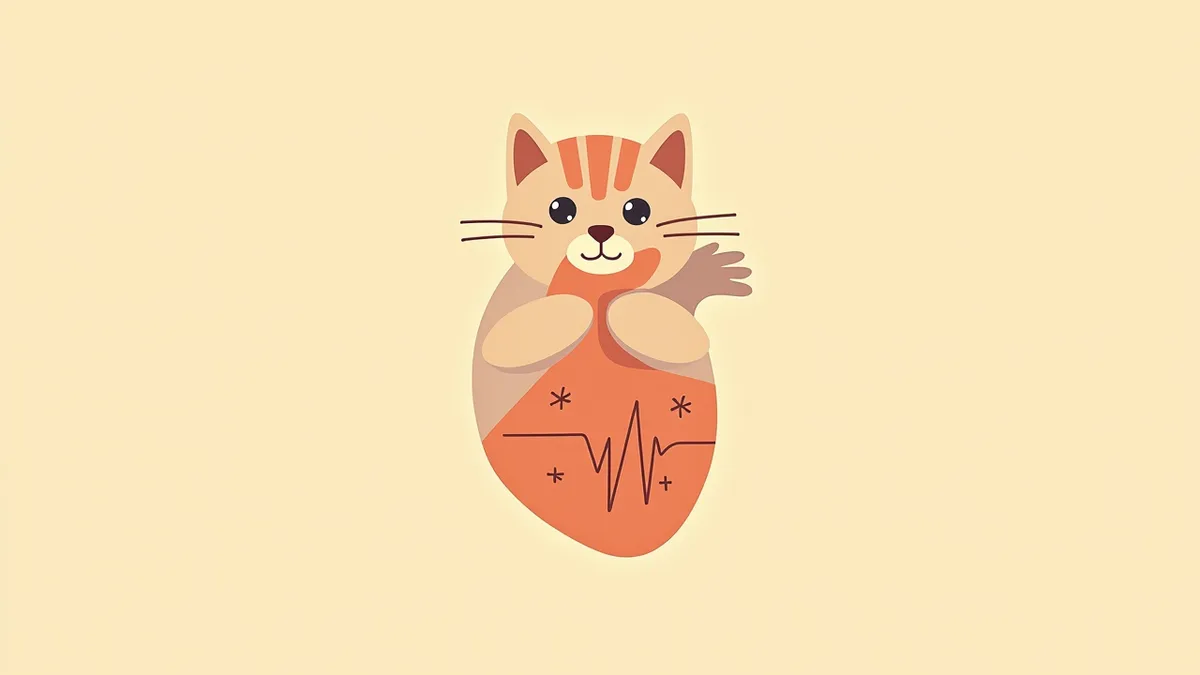
A medical illustration showing normal and abnormal heart rhythms in cats.
Feline antiarrhythmic medications are treatments that help regulate irregular heart rhythms. These drugs stabilize the heart’s electrical signals, reducing the frequency of irregular beats. However, the realistic goal is not to completely eliminate arrhythmias, but to sufficiently reduce the frequency of those that cause clinical symptoms or hemodynamic issues. Thrombus prevention (such as arterial thromboembolism) is managed by antiplatelet agents like clopidogrel, not antiarrhythmics, so it’s important to distinguish between the two. A veterinarian will prescribe these medications after an accurate diagnosis based on echocardiogram or electrocardiogram (ECG) results. During treatment, regular check-ups are necessary to monitor the drug’s effectiveness and any potential side effects. These medications do more than just alleviate symptoms; they help reduce the frequency of arrhythmias, supporting long-term heart health management.

How do antiarrhythmic medications work?
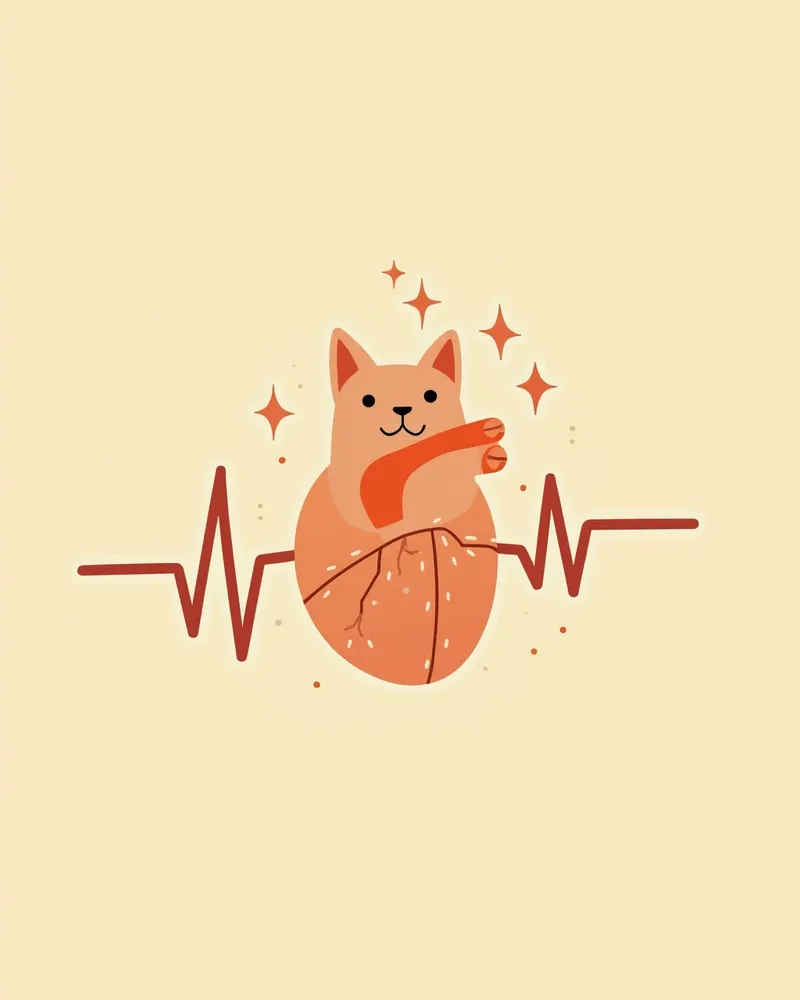
These medications regulate the electrical activity of the heart muscle to stabilize irregular rhythms. Antiarrhythmic drugs are classified by their mechanism of action: Class I agents slow conduction and reduce excitability by blocking fast sodium currents. Beta-blockers (Class II) lower heart rate and excitability by diminishing the effects of sympathetic stimulation. Calcium channel blockers, such as diltiazem, slow the heart rate and control the rapid ventricular response in atrial tachycardia by inhibiting calcium influx. In contrast, ACE inhibitors are not antiarrhythmics; they are used to manage congestive heart failure and do not treat arrhythmias themselves. Because each drug works differently, selection is tailored to the individual patient’s condition, with veterinarians regularly monitoring for efficacy and safety.
An illustration showing how a cat's heart electrical signals are blocked by medication.

Four representative antiarrhythmic medications

- Atenolol: A beta-blocker (Class II) that stabilizes heart rhythm by reducing sympathetic nervous system stimulation. It is used for ventricular tachycardia and is typically administered every 12 to 24 hours. - Diltiazem: A calcium channel blocker that slows the heart rate and controls rapid ventricular response in atrial arrhythmias such as atrial fibrillation. It is usually given every 8 hours, while the sustained-release formulation is administered once daily. - Sotalol: Prescribed for ventricular arrhythmias accompanied by clinical symptoms such as syncope or exercise intolerance, and is administered every 12 hours. The dosage should be reduced in cats with impaired kidney function. - Propranolol: A beta-blocker with a calming effect on excitement; in acute management, it is primarily administered via intravenous injection.
Illustrations of four medications: amlodipine, atenolol, benazepril, and propranolol

Seek immediate veterinary care for sudden changes in heart rhythm

If your cat suddenly collapses, starts breathing rapidly, or develops a bluish tint to its mouth, seek veterinary care immediately. These could be signs of a heart attack or blood clot.

Five precautions when administering medication
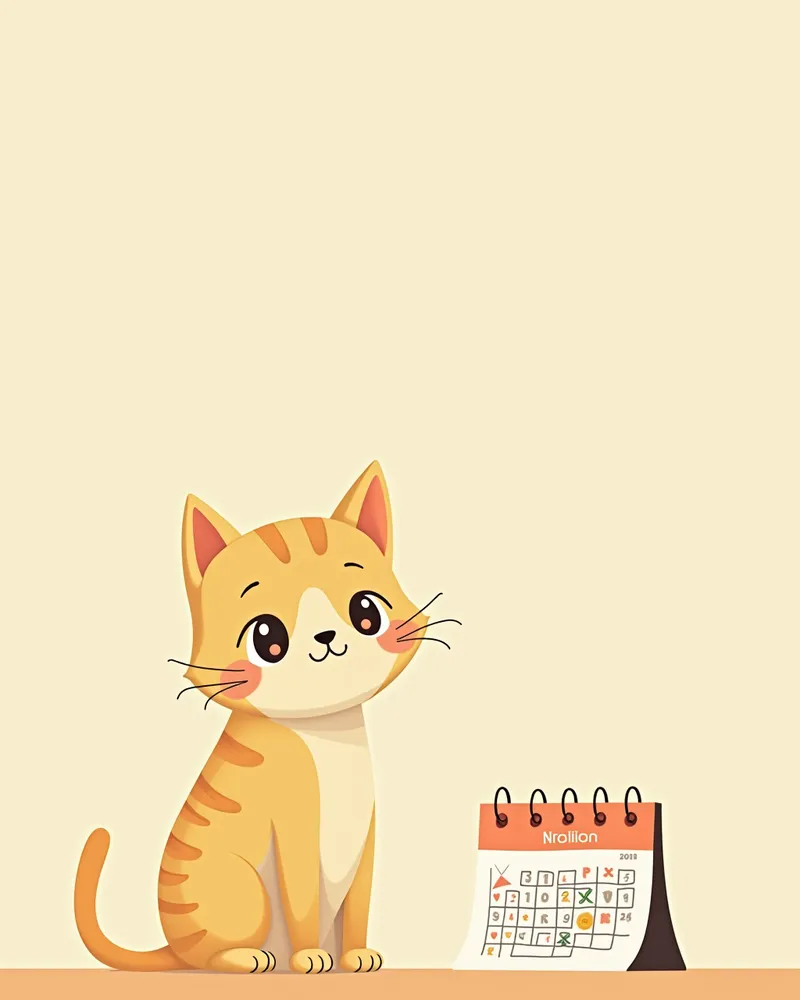
Antiarrhythmic medications are effective, but they can be dangerous if not taken correctly. Please follow these guidelines carefully:
Consistent timing: Administer the medication at the same time each day to maintain its effectiveness.
Do not stop abruptly: Suddenly discontinuing the medication can worsen the heart rhythm, so always adjust the dosage under your veterinarian’s guidance.
Monitor for side effects: Contact your veterinarian immediately if you notice gastrointestinal symptoms such as decreased appetite, nausea, or vomiting, or if your pet becomes lethargic.
Drug interactions: Always consult your veterinarian before administering other medications alongside antiarrhythmics.
Regular check-ups are essential: Since the dosages of atenolol and sotalol are adjusted based on kidney function, regular monitoring of both heart and kidney function is necessary.
A cat sitting next to a calendar marked with medication days and vet visit dates

Comparison of antiarrhythmic medications and other treatments
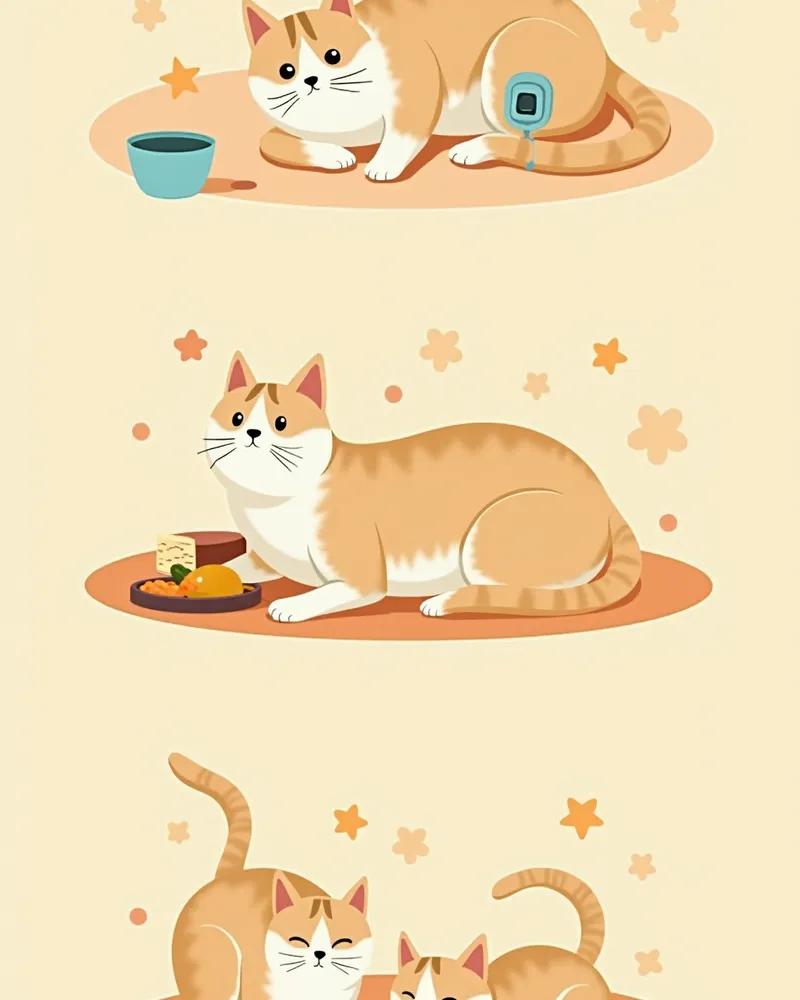
Antiarrhythmic medications are the primary treatment, but they can be used in combination with other approaches. Here’s a breakdown of the pros and cons of each method:
Medication: Effective for controlling heart rhythm and rate, and easy to manage in daily life. However, long-term use is required, and there may be side effects.
Electrical Cardioversion: Used in emergency situations for life-threatening arrhythmias like ventricular fibrillation, often alongside medications such as amiodarone.
Treating Underlying Heart Disease: If congestive heart failure is present, diuretics, ACE inhibitors, pimobendan, and other treatments are used together to reduce the heart's workload.
Antithrombotic Therapy: Cats with significantly enlarged left atria may also be prescribed clopidogrel to help prevent thromboembolism.
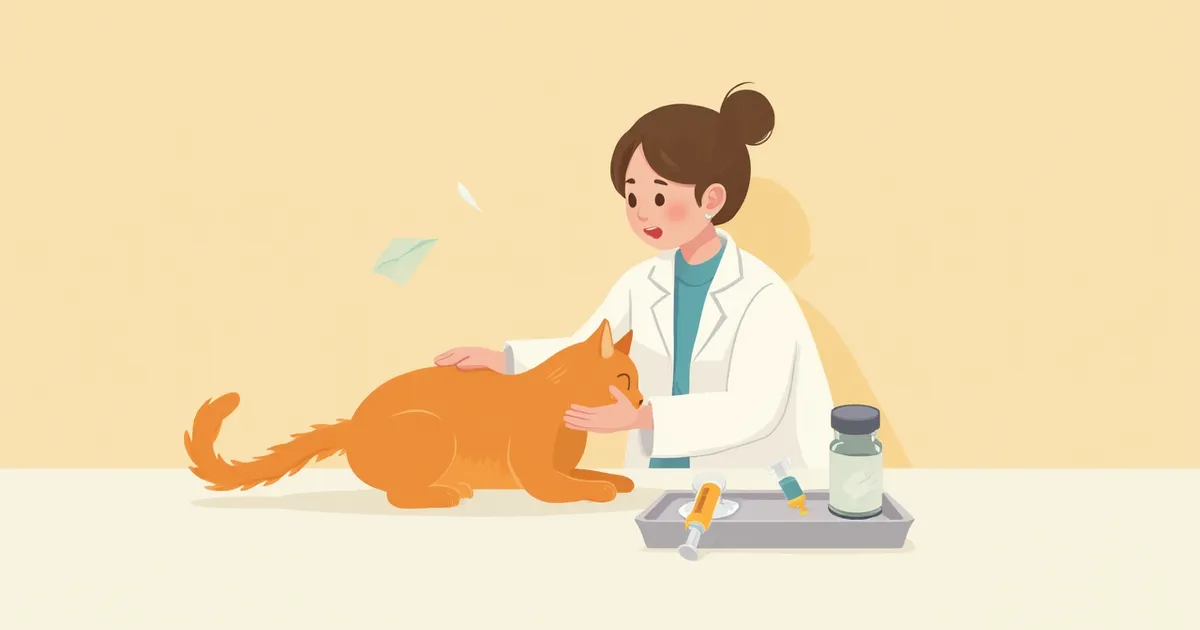
An illustration of a cat receiving a combination of medication, a cardiac rhythm regulator, a specialized diet, and exercise.

Contact your veterinarian immediately if adverse symptoms occur during medication

If your cat collapses, shows severe lethargy, loss of appetite, vomiting, or difficulty breathing, it could be a side effect of medication. Contact your veterinarian immediately.

Owner checklist for medication administration

To successfully manage antiarrhythmic medications, use the following checklist:
Create a medication schedule: Record dosing times using smartphone alarms or a calendar.
Verify storage conditions: Store away from direct sunlight and moisture, and keep out of reach of children and pets.
Monitor post-dosing reactions: Record daily observations such as drowsiness, changes in appetite, and behavioral changes.
Maintain regular check-up appointments: Do not miss scheduled examinations, including cardiac ultrasounds and blood tests.
Stay in communication with your veterinarian: Ensure you can ask questions at any time regarding medication adjustments or side effects.
An illustration showing a medication checklist

Reviewed by a veterinarian

Dr. Tony — Punnawat Phongkittirak

Dr. Tony — Punnawat Phongkittirak

Veterinarian

A veterinarian who majored in veterinary medicine at Khon Kaen University, Thailand, and completed the IVSA program at North Carolina State University in the United States. Drawing on clinical experience at animal hospitals, he works in the pet healthcare field and is dedicated to building a digital care environment that connects pet parents with veterinarians.

Frequently asked questions

Are antiarrhythmic medications always necessary for cats?
Antiarrhythmic medications are only necessary when the heart rhythm is irregular. A veterinarian will prescribe them after making an accurate diagnosis. In some cases, the condition can be managed without medication.
Will the rhythm worsen again if I stop the medication?
Stopping medication abruptly can worsen your pet’s heart rhythm. Always adjust the dosage under your veterinarian’s guidance.
Can antiarrhythmic medications extend a cat’s lifespan?
With proper treatment and management, you can help reduce the frequency of arrhythmias, alleviate clinical symptoms, and improve your pet’s quality of life. However, since it has not been proven that certain medications, such as atenolol, extend lifespan, it is difficult to definitively claim a life-prolonging effect.
What should I do if my cat stops playing while on medication?
Some medications may cause drowsiness or fatigue as side effects. If these symptoms are temporary, simply monitor your pet; however, if they persist, please inform your veterinarian.
Do antiarrhythmic medications always cause side effects in cats?
While all medications carry the potential for side effects, most cats tolerate them well. Gastrointestinal symptoms such as loss of appetite, nausea, and vomiting are the most common, and your veterinarian will monitor your cat regularly.

Comparison table of feline antiarrhythmic medications

ItemMechanism of ActionDosing FrequencyPrecautions
AtenololBeta blocker (Class II)Every 12–24 hoursDose adjustment needed based on kidney function
DiltiazemCalcium channel blockerEvery 8 hours (extended-release every 24 hours)Heart rate/blood pressure monitoring needed
SotalolFor ventricular arrhythmia (beta blockade)Every 12 hoursReduce dose if kidney function is impaired
PropranololBeta blocker (Class II)Intravenous injection for acute managementBeware of bradycardia and difficulty breathing

Administer according to the veterinarian's diagnosis and prescription. Contact immediately if side effects occur.

Share

Related Guides

References

[1] Feline Emergency and Critical Care Medicine, 2nd Ed. Elsevier, 2023.

[2] The Cat: Clinical Medicine and Management, 2nd Edition. Wiley-Blackwell, 2021.

[3] Clinical Medicine of the Dog and Cat, 4th Edition. Elsevier, 2022.

This information is based on veterinary literature and does not replace diagnosis or treatment. Please consult a veterinarian for specific health concerns.

Metapet Co., Ltd. | CEO: Park Sung-yong | Business Reg. No. 417-88-02562 | Seoul, South Korea | Customer Center

Feline Antiarrhythmic Meds: Which Drugs Are Used and When? | Meongsiljang