Like
Share
멍실장
고양이에게 강아지 진드기약(피레스린) 잘못 발랐을 때 응급처치 — 증상·치료·예후 총정리

Emergency First Aid for Cats Accidentally Treated with Dog Tick Medication (Pyrethrin) — Symptoms, Treatment, and Prognosis Overview

Emergency/ToxicityQ&AMeongsiljang Veterinary Advisory Board

Here’s a comprehensive overview of the poisoning symptoms, home first aid, veterinary treatment, and prognosis when a cat is accidentally treated with a dog-specific permethrin flea medication.

What Is Emergency First Aid When Dog Tick Medication Is Accidentally Applied to a Cat?

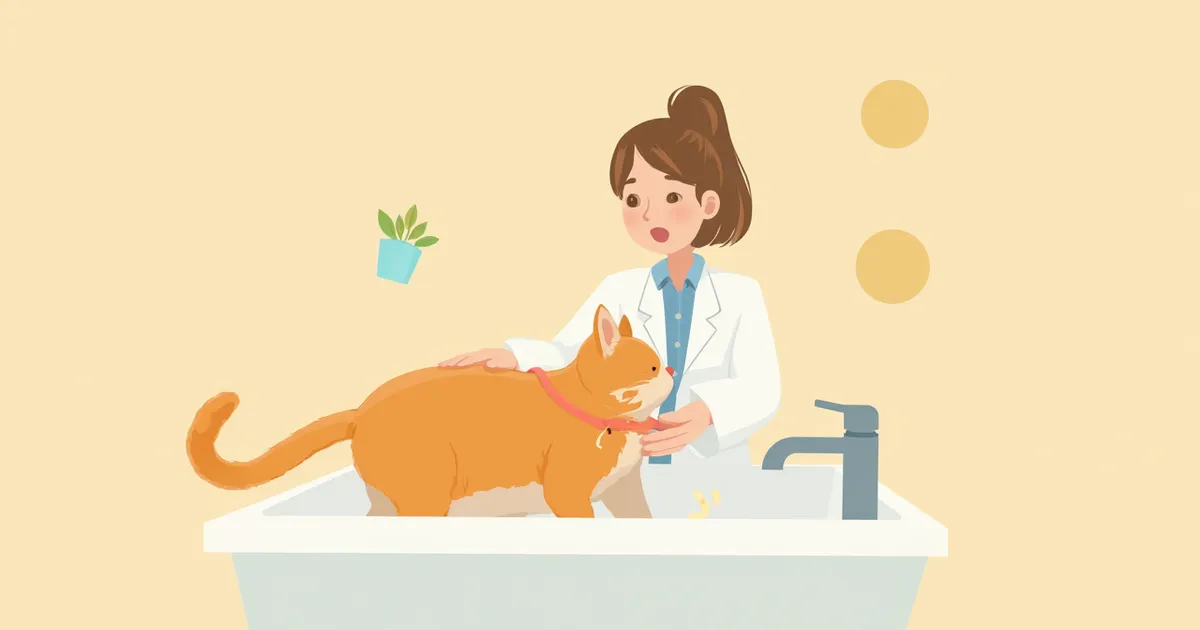
A pet owner carrying their cat on the way to the veterinary clinic
Pyrethrin poisoning in cats is an acute toxic condition that occurs when cats absorb permethrin or pyrethrin—ingredients commonly found in dog-specific flea and tick medications—through their skin or by licking them, leading to neurological abnormalities. Immediately wash the affected area with warm water and dish soap, then take your cat to a veterinarian right away. Cats lack sufficient hepatic enzymes (glucuronidation enzymes) to detoxify these compounds, causing them to accumulate in the body and potentially leading to rapid progression of symptoms such as tremors, ataxia, and abnormal body temperature. Symptoms can appear anywhere from tens of minutes to 24 hours after exposure, so prompt action upon discovery is critical for a favorable prognosis.

Why Is Dog Tick Medication Fatal to Cats?

Dog tick medications often contain synthetic insecticides like permethrin and pyrethrin. While dogs can quickly break down these ingredients in their livers, cats lack a key detoxification pathway called glucuronidation, causing the substances to linger in their bodies. As a result, concentrations that are safe for dogs can act as neurotoxins in cats. Even if a cat simply licks the medication applied to a dog in the same household, it can be dangerous.

Pyrethrin Poisoning Symptom Checklist

If you notice any of the following signs, suspect poisoning: - Muscle tremors: Subtle trembling in the muscles of the ears, face, and back. - Excessive drooling: Foaming at the mouth or continuous drooling. - Seizures: Generalized convulsions and loss of consciousness. - Ataxia: Staggering or inability to stand. - Abnormal body temperature (hyperthermia or hypothermia): Prolonged muscle tremors can cause body temperature to rise or fall. - Hyperexcitability and hypersensitivity: Excessive startle response to light or sound, restlessness, and temporary blindness.
A cat shivering on the blanket

Signs That Require Immediate Veterinary Care

If you notice any of the following signs, seek emergency veterinary care immediately. Prolonged or recurrent seizures can lead to complications such as rhabdomyolysis or disseminated intravascular coagulation (DIC), which may worsen the prognosis. - Generalized convulsions lasting more than one minute or occurring repeatedly - Altered consciousness or lack of response when called - Abnormally low body temperature (hypothermia) or, conversely, high fever - Very labored breathing or cyanosis - Tremors beginning anywhere from tens of minutes to 24 hours after applying medication

5 Steps for Home First Aid Before Going to the Hospital

Here are the steps you can take while transporting your pet to the hospital: 1. Wash the affected area with warm water and dish soap — Use warm water, as cold water can worsen hypothermia. 2. Wrap your pet in a towel to maintain body heat — Keep them warm by wrapping them in a blanket during transport. 3. Do not induce vomiting — This poses a risk of aspiration pneumonia. 4. Do not administer oils or antidotes on your own — Severe symptoms such as tremors or seizures must be stabilized at the hospital first. However, if your pet is drooling excessively from licking the substance, you may offer a small amount of milk or tuna broth to help dilute the taste. 5. Bring the medication packaging or a photo of the ingredient list — This will help speed up diagnosis and treatment.
Holding a cat wrapped in a towel to keep it warm

Dog vs. Cat — Safety Comparison of Tick Medication Ingredients

ItemUse in DogsUse in Cats
PermethrinSafeAbsolutely prohibited (fatal neurotoxicity)
PyrethrinSafeHigh concentrations prohibited
FipronilSafeCat-specific products may be used
SelamectinSafeCat-specific products are safe
FluralanerSafeCat-specific formulations are safe

Based on the BSAVA Manual of Dermatology, 4th edition. Even for the same ingredient, the concentration and formulation for cats and dogs are completely different.

Treatment Received at the Veterinary Clinic
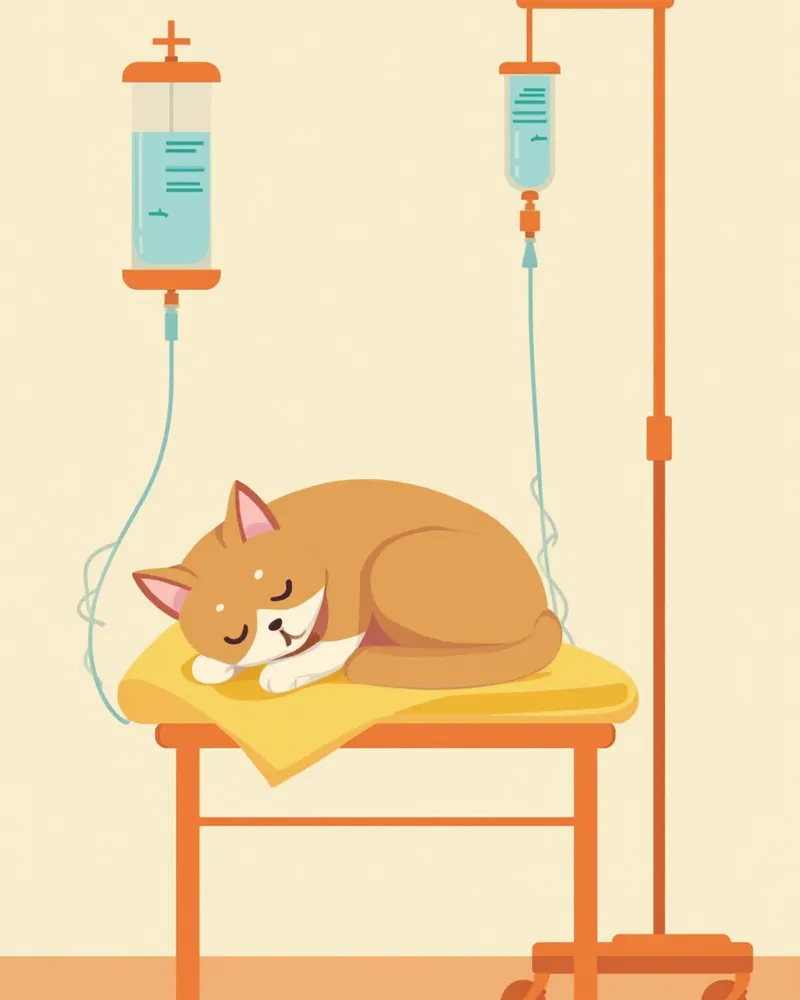
In the clinic, treatment typically follows this sequence. The veterinarian determines the appropriate medications and dosages based on the pet’s body weight and the severity of the poisoning. - Decontamination and warming: The pet is washed again with warm water and dish soap, and measures are taken to restore body temperature. - Tremor control: Methocarbamol (100–150 mg/kg IV) is administered intravenously to calm muscle tremors. - Anticonvulsants: If seizures are ongoing, anticonvulsants such as diazepam are given intravenously. - Intravenous lipid emulsion (ILE) therapy: As an adjunctive treatment, 20% lipid emulsion helps draw out permethrin, which is highly fat-soluble. This can be beneficial when used in combination with methocarbamol and other treatments. - Fluid and oxygen therapy: This helps protect the kidneys from myoglobinuria and prevents brain damage. - 24–48 hours of inpatient monitoring: Even if tremors subside, there is still a risk of recurrence.
A cat receiving an IV drip at the veterinary clinic

Prognosis and Recovery — Speed of Treatment Is Key

The prognosis depends largely on how quickly treatment is initiated. According to reports, most cats that receive prompt and aggressive treatment show a favorable outcome. Conversely, if treatment is delayed, complications such as rhabdomyolysis and disseminated intravascular coagulation (DIC) may develop, worsening the prognosis. There are documented cases of recovery with the combined use of intravenous lipid therapy and methocarbamol. When tremors and seizures are well controlled, many cats are discharged without sequelae after inpatient monitoring. However, in cases where seizures persisted for an extended period, temporary ataxia or decreased appetite may linger for several days after recovery.

How to Prevent Recurrence in Multi-Cat and Multi-Dog Households

If you have both a dog and a cat, the same accidents can happen over and over. Please follow these guidelines carefully. - After applying flea and tick medication to your dog, keep them separated from your cat for at least 48 to 72 hours. - Store dog and cat medications in separate drawers and clearly label them. - After walks, be careful to prevent your cat from licking your dog’s back or neck. - Even "natural herbal flea and tick products" may contain pyrethrins — always check the ingredient list.

Reviewed by a veterinarian

Dr. Tony — Punnawat Phongkittirak

Dr. Tony — Punnawat Phongkittirak

Veterinarian

A veterinarian who majored in veterinary medicine at Khon Kaen University, Thailand, and completed the IVSA program at North Carolina State University in the United States. Drawing on clinical experience at animal hospitals, he works in the pet healthcare field and is dedicated to building a digital care environment that connects pet parents with veterinarians.

Frequently Asked Questions

Is it okay if my cat just licked a dog’s flea and tick medication?
The outcome depends on how much was licked. If your pet only licked it once or twice lightly, they may show no symptoms at all. However, if tremors or drooling begin within minutes to a few hours of exposure, you should seek veterinary care immediately. For safety, rinse your pet’s mouth with warm water right after exposure, and monitor them closely for at least 24 hours, as symptoms can sometimes appear later.
It’s been a few days since I applied the medication—should I wash it off now?
Yes, even if 24 hours have passed, residual ingredients may remain on the skin, so please wash the area thoroughly with warm water and a mild dish soap. However, if symptoms have already appeared, transporting your pet to the clinic takes priority over washing.
How should I choose a tick medication specifically for cats?
Use only products clearly labeled "For cats only." Even if the active ingredient is the same, the concentration and formulation differ significantly between dog and cat versions. Always consult your veterinarian before selecting any product labeled for both dogs and cats.
Is intravenous lipid therapy available at all veterinary clinics?
While most first- and second-tier veterinary clinics can handle this, in nighttime emergencies, it's faster to head to a 24-hour emergency animal hospital or a clinic equipped with lipid emulsions. We recommend saving the location and contact information of a nearby emergency animal hospital in advance.
Will there be any lingering effects even after recovery?
Most pets recover fully without any lasting effects if treated early. However, if seizures lasted a long time or hypothermia was severe, temporary tremors or decreased appetite may persist for several days to a few weeks. In such cases, it’s safest to follow your veterinarian’s recommendations for follow-up examinations.

Share

Related Guides

References

[1] BSAVA Manual of Canine and Feline Dermatology, 4th Ed — Tick & Mite Treatment Chapter

[2] Principles and Practices of Canine and Feline Clinical Parasitic Diseases — Ectoparasiticide Safety

[3] Plumb's Veterinary Drug Handbook — Pyrethrin/Permethrin Toxicity in Cats

[4] Boland LA, Angles JM (2010), Feline Permethrin Toxicity: retrospective study of 42 cases, Journal of Feline Medicine and Surgery

This information is based on veterinary literature and does not replace diagnosis or treatment. Please consult a veterinarian for specific health concerns.

Metapet Co., Ltd. | CEO: Park Sung-yong | Business Reg. No. 417-88-02562 | Seoul, South Korea | Customer Center

Cat Treated with Dog Tick Meds (Pyrethrin): Emergency First Aid | Meongsiljang