
Can Cats Be Trained Too? — A Step-by-Step Guide from Clicker Training Basics to Your First Success
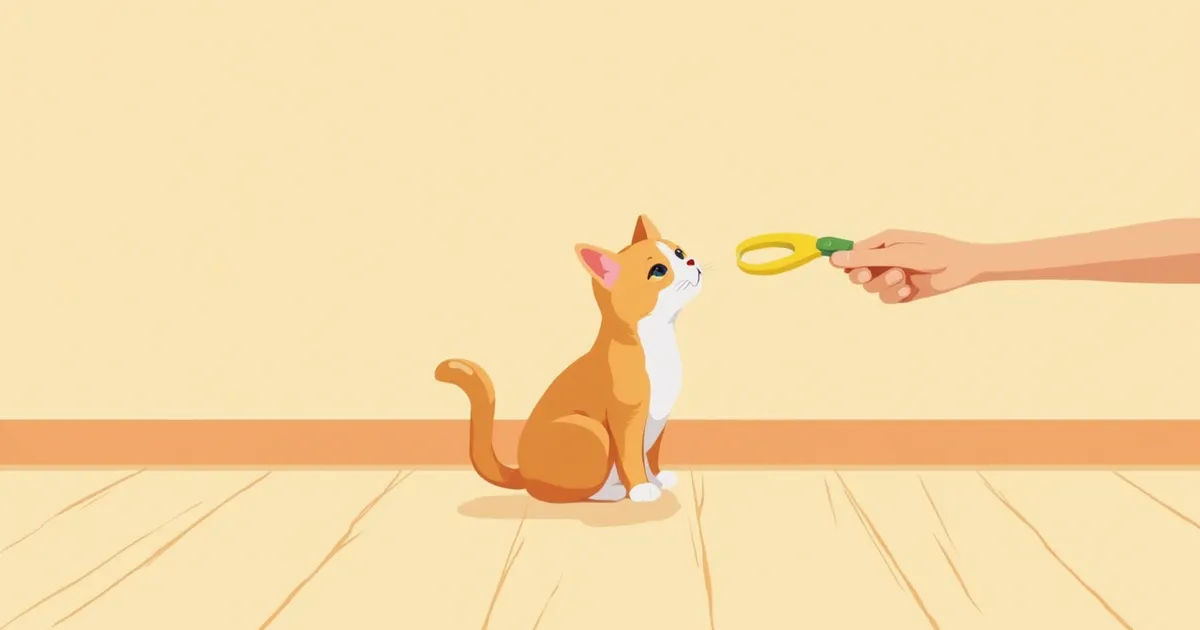
We’ve put together a beginner-friendly guide that cat owners can easily follow at home, covering the principles of clicker training for cats, how to get started, the right timing for rewards, and common reasons for failure.
What Is Cat Clicker Training?
Why Do Cats Need Training Too?
Supplies and Starting Environment Check
| Item | Description | Alternatives |
|---|---|---|
| Clicker | A device that produces a consistent "click" sound | The click of a retractable ballpoint pen, a tongue click |
| High-value treats | Special rewards, different from regular kibble | Freeze-dried chicken breast, a small amount of tuna |
| Target stick | A rod used to guide nose touches | Chopsticks, the handle of a spoon |
| Quiet space | A room free from other pets | A bedroom, or one corner of the living room |
Step 1: Clicker Charging (Sound Imprinting)
What You Must Never Do During Training
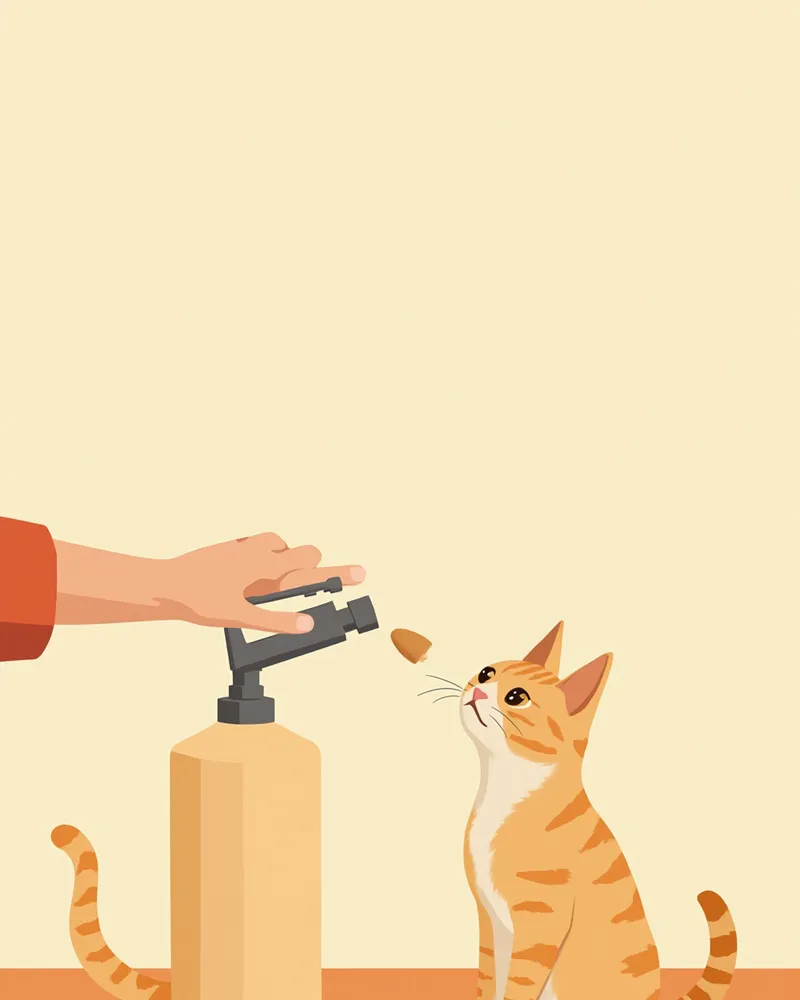
If you click the clicker but don’t follow up with a treat, the “click” loses its meaning as a signal that a reward is coming. Even if you accidentally press the clicker, you must still give a treat to maintain the association between the sound and the reward. When using a target stick, hold and operate the clicker with the hand opposite to the one holding the stick. Clicking with the same hand as the stick can transmit vibrations through the stick, which may feel like an electric shock to your cat’s nose and cause them to dislike the clicker or training altogether. If training isn’t going well, avoid scolding your cat or forcing them into position, as this can increase fear and anxiety, leading them to reject not only clicker training but also other training activities with you.
Step 2: Target Touch Training
Step 3: Real-Life Application Training
Checkpoints When Training Is Not Going Well
If your cat isn’t responding, there are usually three main reasons. First, the training session may be too long. It’s better to keep sessions short and repeat them frequently before their attention wanes. Second, the treat may not be motivating enough. To overcome fear or distraction, you need a reward compelling enough to capture their focus—try switching from regular kibble to high-value treats like freeze-dried chicken breast. If a food-motivated cat refuses a treat, it’s a sign they’re stressed, so slow down. Third, the environment may be too distracting. Start over in a quiet room free from other pets, TV noise, or unfamiliar people.
Reviewed by a veterinarian

Dr. Tony — Punnawat Phongkittirak
VeterinarianA veterinarian who majored in veterinary medicine at Khon Kaen University, Thailand, and completed the IVSA program at North Carolina State University in the United States. Drawing on clinical experience at animal hospitals, he works in the pet healthcare field and is dedicated to building a digital care environment that connects pet parents with veterinarians.
Reviewed 2026-04-26
Frequently Asked Questions
From what age can cats start clicker training?
Can I use verbal cues or tongue clicks instead of a clicker?
Is it okay if I end up giving too many treats during training?
If I have multiple cats, can I train them together?
Won’t training cause stress for my cat?
Share
Related Guides
7 Behavioral Enrichment Strategies for Mental Stimulation Recommended by Veterinarians
Top 5 Calming Supplements for Dogs and Cats in 2026

L-Theanine Effects and Calming Support
Do Cats Get Pacemakers Too? — Complete Guide to Timing, Costs, and Recovery
What is Feline Endocarditis? — A Pet Owner’s Essential Guide to Symptoms and Treatment

What is Feline Hypertrophic Cardiomyopathy (HCM)? — From Causes to Signs Requiring a Vet Visit
What Is Feline Hypertensive Heart Disease — Warning Signs You Must Not Miss
What Are the Stages of Feline Heart Failure? — Key Points of ACVIM Classification and Stage-Specific Management
Can I exercise my cat with heart disease? — Key to daily management of exercise restriction
Why is a feline electrocardiogram (ECG) test necessary? — A summary of the procedure and result interpretation
References
[1] The Cat, Clinical Medicine and Management, 2nd Edition — Behavior and Training Chapter
[2] A Professional's Guide to Feline Behaviour: Understanding, Improving and Resolving Problems
[3] AAFP (2024) '2024 AAFP indoor/outdoor lifestyle position statement', Journal of Feline Medicine and Surgery, 26(2)