Like
Share
멍실장
강아지 림프절 전이 평가 자주 묻는 질문 Q&A — 보호자가 꼭 알아야 할 핵심

How is lymph node metastasis in dogs evaluated? — A summary of tests and result interpretation

Oncology/CancerQ&AMeongsiljang Veterinary Advisory Board

Evaluating lymph node metastasis in dogs is a crucial step in cancer diagnosis and treatment planning. Here’s a summary of the key information every pet owner should know.

Evaluating lymph node metastasis in dogs is a key procedure for determining whether cancer has spread

Diagram of a dog's lymphatic system and lymph node locations
Evaluating lymph node metastasis is a crucial step in determining whether cancer has spread throughout the body via the lymphatic system. This assessment directly influences treatment planning and prognosis. While lymph nodes play a key role in immune function, their infiltration by cancer cells significantly increases the risk of metastasis. Accurate evaluation enables early detection and appropriate treatment. - Presence of lymph node metastasis: Plays a decisive role in determining the stage of cancer progression. - Diagnostic methods: Physical examination, ultrasound, and fine-needle aspiration (FNA) are commonly used together. - Treatment plan: If metastasis is confirmed, radiation or chemotherapy may be necessary in addition to surgery. Throughout this process, the owner’s understanding and cooperation are essential.

Why is evaluating lymph node metastasis important?

Evaluating lymph node metastasis is essential for accurately determining the stage of cancer. Depending on whether metastasis has occurred, surgery alone may be insufficient, and additional treatments such as radiation therapy or chemotherapy may be necessary. This is important because it directly impacts treatment efficacy and survival time. - If metastasis is confirmed: The scope of treatment expands, requiring a comprehensive approach. - Prognosis assessment: The presence or absence of metastasis is a key factor in predicting prognosis. - Treatment decisions: Pet owners need to make informed decisions based on accurate information. Regular follow-up examinations and open communication with your veterinarian are crucial.
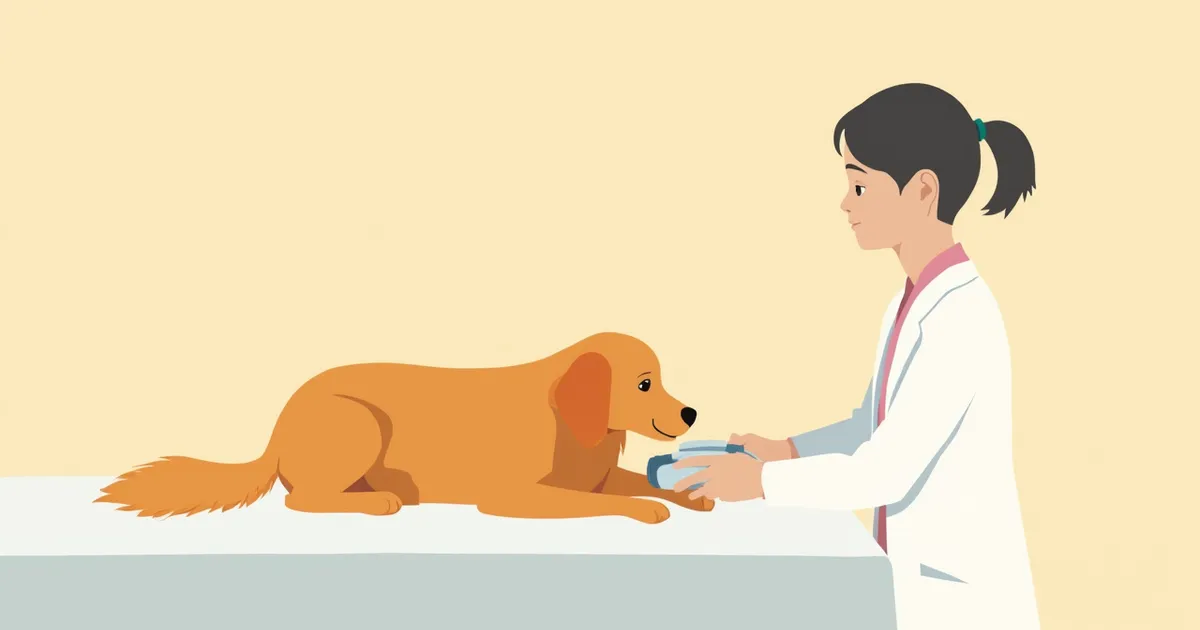
A veterinarian performing a fine-needle aspirate on a dog’s lymph node

What are the main evaluation methods?

Evaluating lymph node metastasis in dogs involves a stepwise approach using multiple methods. We begin with a thorough physical examination and ultrasound to assess structural changes in the lymph nodes, such as size, shape, and firmness. However, size or imaging findings alone cannot definitively confirm metastasis. Therefore, we perform fine-needle aspiration (FNA) to directly collect cells and check for cancerous cells. If the FNA result is negative but suspicion remains or the findings are inconclusive, we proceed with a tissue biopsy for more precise analysis. - Ultrasound: This non-invasive method allows us to examine structural changes in the lymph nodes, but it is difficult to determine metastasis based on size alone. - FNA: This is a basic diagnostic method that allows for relatively quick and safe confirmation of cells. - Tissue Biopsy: This is the final procedure performed for the most definitive diagnosis, contributing to accurate diagnosis and the development of a treatment plan.
During an ultrasound examination of the lymph nodes in the dog's neck area

Comparison of lymph node metastasis evaluation methods

ItemAccuracyPainCost
Physical examinationLowNoneInexpensive
Ultrasound examinationLowSlightIntermediate
Fine-needle aspiration (FNA)HighMildIntermediate
Tissue biopsyVery highIntermediateHigh

FNA cytology provides sufficient information in most cases, but metastasis cannot be confirmed by lymph node size or imaging findings alone. Even if the FNA is negative, a tissue biopsy may be needed when suspicion remains or the case is complex.

What happens if the result is positive?

If the lymph node metastasis test comes back positive, it means the tumor may have spread to other areas via the lymph nodes. Whether or not there is lymph node metastasis is a key indicator for prognosis, and in such cases, surgery alone may not be sufficient—comprehensive treatment plans including radiation therapy or chemotherapy might be necessary. - If metastasis is confirmed: The treatment goal often shifts from complete cure to long-term stability management. - Treatment approach: Your veterinarian will recommend personalized treatment based on your pet’s condition and type of cancer. - Owner’s role: It’s important to fully understand the treatment goals and prognosis before making decisions. - Regular follow-up: Consistently monitor changes in the lymph nodes throughout the course of treatment.
The veterinarian and the pet owner are discussing the treatment plan.

Signs that require an immediate vet visit

If your pet’s lymph nodes suddenly enlarge, become very painful, or if they develop a fever or a sudden loss of appetite, please visit the vet immediately. These signs may indicate that the cancer is spreading or that an infection has developed. Prompt action can significantly impact the outcome of treatment.

Management points you can do at home

After evaluating lymph node metastasis, regular follow-up examinations are essential. Carefully monitor your dog’s appetite, activity level, and weight changes. Minimize stress, ensure regular exercise, and maintain a balanced diet. Strictly adhere to the prescribed medication regimen as directed by your veterinarian. - Record Keeping: Documenting changes enables early detection and prompt intervention. - Environmental Management: A stable environment supports recovery. - Open Communication: Maintain ongoing dialogue with your veterinarian to collaboratively adjust the treatment plan. All of these measures play a crucial role in enhancing treatment outcomes.
A heartwarming scene of a puppy and its owner enjoying a relaxing moment together.

Reviewed by a veterinarian

Dr. Tony — Punnawat Phongkittirak

Dr. Tony — Punnawat Phongkittirak

Veterinarian

A veterinarian who majored in veterinary medicine at Khon Kaen University, Thailand, and completed the IVSA program at North Carolina State University in the United States. Drawing on clinical experience at animal hospitals, he works in the pet healthcare field and is dedicated to building a digital care environment that connects pet parents with veterinarians.

Frequently asked questions

Is evaluating lymph node metastasis very painful?
In most cases, fine-needle aspiration (FNA) causes only mild discomfort and can be performed without anesthesia. Ultrasound examinations are completely painless. Your veterinarian will handle the procedure as gently as possible.
Does a confirmed metastasis mean treatment is no longer possible?
No. Even if metastasis is confirmed, we can control the disease and improve quality of life through treatments such as radiation therapy or chemotherapy. The goal of treatment is long-term stability rather than a cure.
Can we only check for metastasis before surgery?
No, we can assess the likelihood of metastasis before surgery using ultrasound and fine-needle aspiration (FNA) cytology. However, because lymph node size and imaging findings alone are not definitive for confirming metastasis, we rely on cytological examination and, if necessary, perform a concurrent histopathological biopsy. Obtaining accurate diagnostic information prior to surgery is crucial for developing an effective treatment plan.
Can enlarged lymph nodes be something other than cancer?
Yes, enlarged lymph nodes can be caused by infections, inflammation, autoimmune diseases, and other conditions. However, to rule out the possibility of cancer, a cytology test is absolutely necessary.
How accurate are the results of a metastasis evaluation?
Fine-needle aspiration cytology provides reliable information, but it’s difficult to confirm metastasis based solely on lymph node size or imaging findings. The most definitive diagnosis comes from a tissue biopsy, and your veterinarian will recommend the most appropriate test based on your pet’s specific situation.

Share

Related Guides

References

[1] Plumb's Veterinary Drug Handbook, 9th Edition, 2022

[2] Veterinary Oncology: Principles and Practice, 2nd Edition, 2021

[3] American College of Veterinary Internal Medicine (ACVIM) Consensus Statement on Lymph Node Evaluation in Dogs, 2020

This information is based on veterinary literature and does not replace diagnosis or treatment. Please consult a veterinarian for specific health concerns.

Metapet Co., Ltd. | CEO: Park Sung-yong | Business Reg. No. 417-88-02562 | Seoul, South Korea | Customer Center

How Is Lymph Node Metastasis in Dogs Evaluated? A Q&A | Meongsiljang