Like
Share
멍실장
진드기 매개 질환 체크리스트 — 강아지 산책 후 확인할 것

Tick-Borne Disease Checklist — What to Check After Your Dog’s Walk

Infection/ParasitesQ&AMeongsiljang Veterinary Advisory Board

This guide explains why it’s important to check your dog for ticks after walks, where to look, and covers the symptoms and emergency warning signs of four tick-borne diseases: babesiosis, anaplasmosis, Lyme disease, and ehrlichiosis.

Why You Must Check for Ticks After Your Dog’s Walk
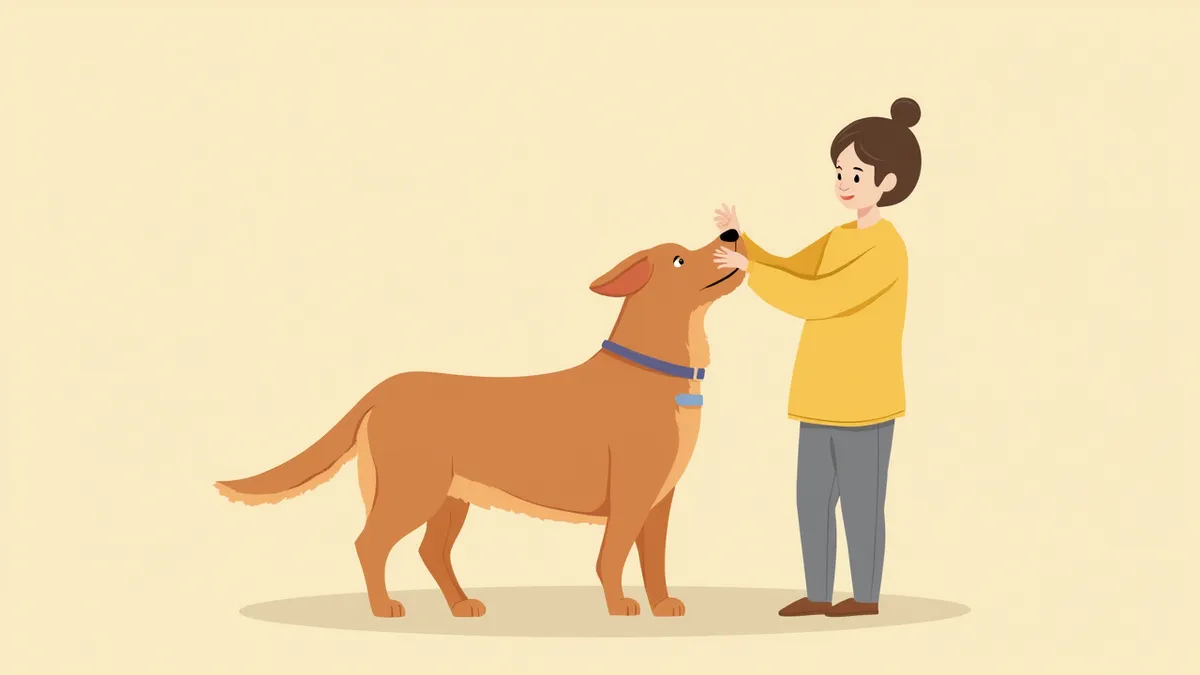
A pet owner parting their dog’s fur around the neck and ears to check for ticks right after a walk
Dog ticks are external parasites that attach to dogs in outdoor environments like grassy areas, lawns, and hiking trails, and can transmit vector-borne diseases such as babesiosis, anaplasmosis, and Lyme disease. The key is to remove them within 24 to 48 hours. Ticks need a certain amount of time after starting to feed before they can transmit pathogens, so checking and removing them promptly after walks can prevent many of these vector-borne diseases.

7 Areas to Check After Every Walk

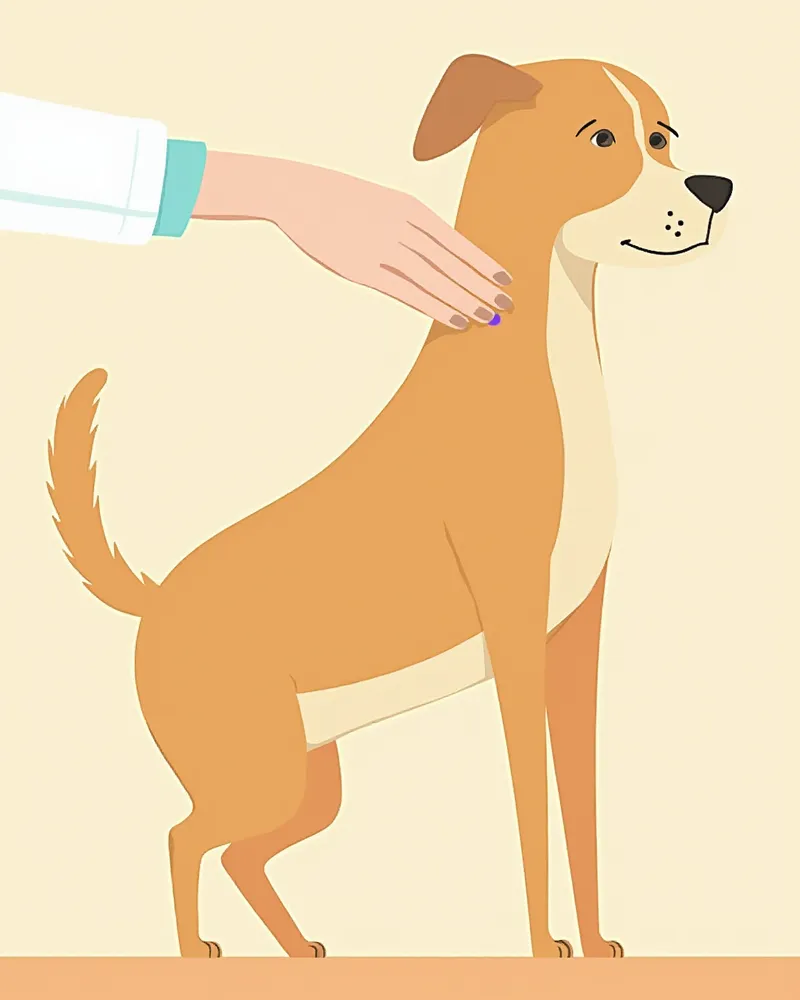
Ticks prefer areas with thin fur, warm skin, and spots that are hard for dogs to reach with their tongues. After walks, check these areas in order: - Inside and behind the ears: The most common spot to find ticks - Neck and under the chin: The first areas to come into contact with vegetation - Armpits and inner forelegs: Warm with thin fur - Groin and inner hind legs: Ideal hiding spots for ticks - Between the toes and paw pads: Small nymphs often attach here - Under the tail and around the anus - Eyelid margins: Even if they look small, suspect ticks if you see tiny black dots

Comparison of 4 Tick-Borne Diseases in Dogs

ItemBabesiaAnaplasmaLyme diseaseEhrlichia
Main vector tickDermacentor / brown dog tickIxodes ticksDeer tickBrown dog tick
Incubation period1–3 weeks1–3 weeks2–5 months1–3 weeks
Typical symptomsJaundice / anemia / hematuriaHigh fever / joint pain / decreased appetiteLimping / feverNosebleed / weight loss / lymph node swelling
Risk level⚠️ Very high⚠️ HighModerate⚠️ High
Recommended time for early testing2 weeks after being bitten1–2 weeks after being bitten4–8 weeks after being bitten2–3 weeks after being bitten

If symptoms are suspected, do not self-diagnose; confirm with a blood test (PCR / antibody test) at the animal hospital.

How to Properly Remove a Tick
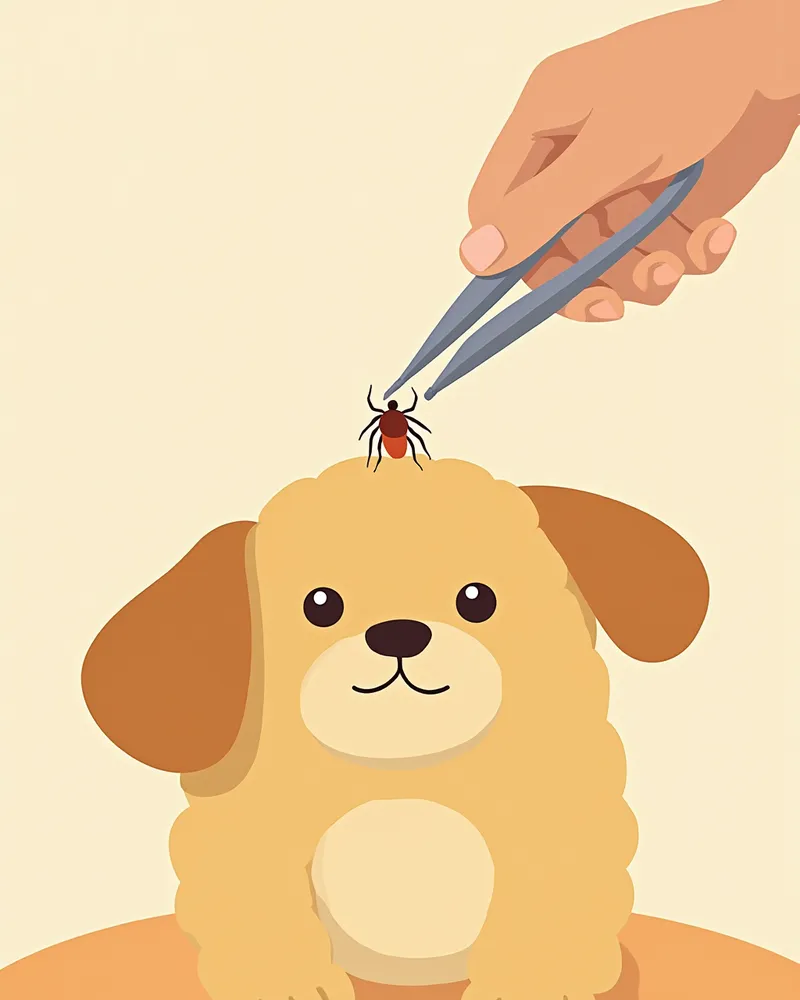
Improper tick removal can leave the tick’s head embedded in the skin, leading to secondary infections, or cause the tick’s bodily fluids to regurgitate, injecting more pathogens into your pet. - What you’ll need: A tick removal tool (such as tick tweezers) or fine-tipped tweezers, disposable gloves, and an antiseptic. - Correct technique: Grasp the tick as close to the skin surface as possible (at its mouthparts) and pull upward with steady, even pressure. - What to avoid: Do not twist or jerk the tick, do not burn it with a lighter or hot needle, and do not apply alcohol or petroleum jelly to the tick. After removal, disinfect the bite site. Seal the removed tick in a container and store it for several days; this can help identify the specific tick species if your pet later develops a tick-borne disease.
The correct way to remove a tick attached to your dog’s skin is to grasp the head of the tick firmly with fine-tipped tweezers and pull it straight out.

Go to the Vet Immediately If You See These Symptoms

If any of the following signs persist for more than 24 hours after a tick bite, there is a high likelihood that a tick-borne disease is progressing. Do not wait for your pet to recover on its own; seek veterinary care immediately. - Sudden lethargy and complete loss of appetite - High fever or shivering, with the body feeling hotter than usual - Pale or yellowish gums (jaundice) - Dark brown or red urine (hematuria) - Sudden inability to walk, often lifting one leg - Nosebleeds, pinpoint bleeding (petechiae), or gum bleeding These symptoms may indicate bleeding tendencies associated with Anaplasma or Ehrlichia infections, red blood cell destruction caused by Babesia, or joint and systemic symptoms of Lyme disease. If you notice even one of these signs, do not delay—visit a veterinary clinic for a blood test to identify the cause and ensure your pet’s safety.

Tick-Borne Disease Symptom Checklist
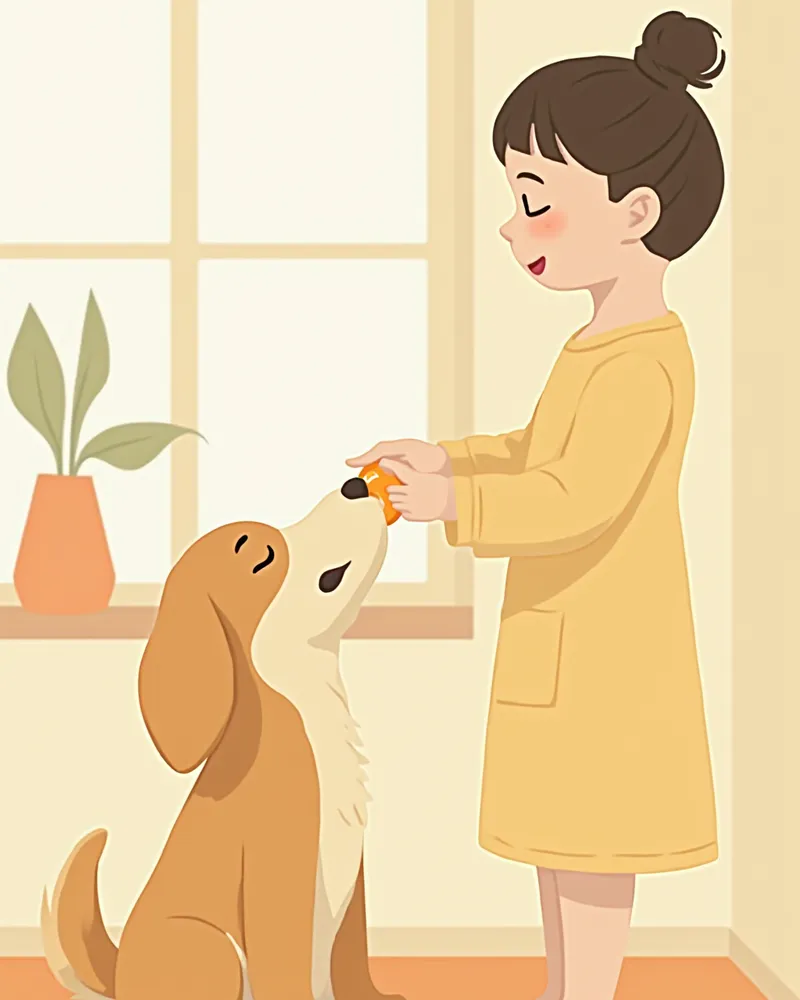
Symptoms can appear anywhere from one week to several months after a tick bite. During spring and autumn, when walks are more frequent, please pay closer attention to the following signs than usual: - Lethargy: Suspect an issue if your pet refuses their usual walks or playtime. - Decreased appetite: If they eat less than half their normal amount of food for two days or more. - Fever: Suspect a fever if their body feels warmer than usual and they seem lethargic (note that a dry nose alone is not a reliable indicator). - Joint pain: If they limp by alternating legs or seem hesitant to use stairs. - Changes in gum color: A shift from pink to pale, yellow, or purple is a warning sign. - Changes in urine color: Cola-colored or dark brown urine indicates red blood cell breakdown. - Swollen lymph nodes: If you feel bean-sized lumps under the chin, in the armpits, or on the inner thighs.
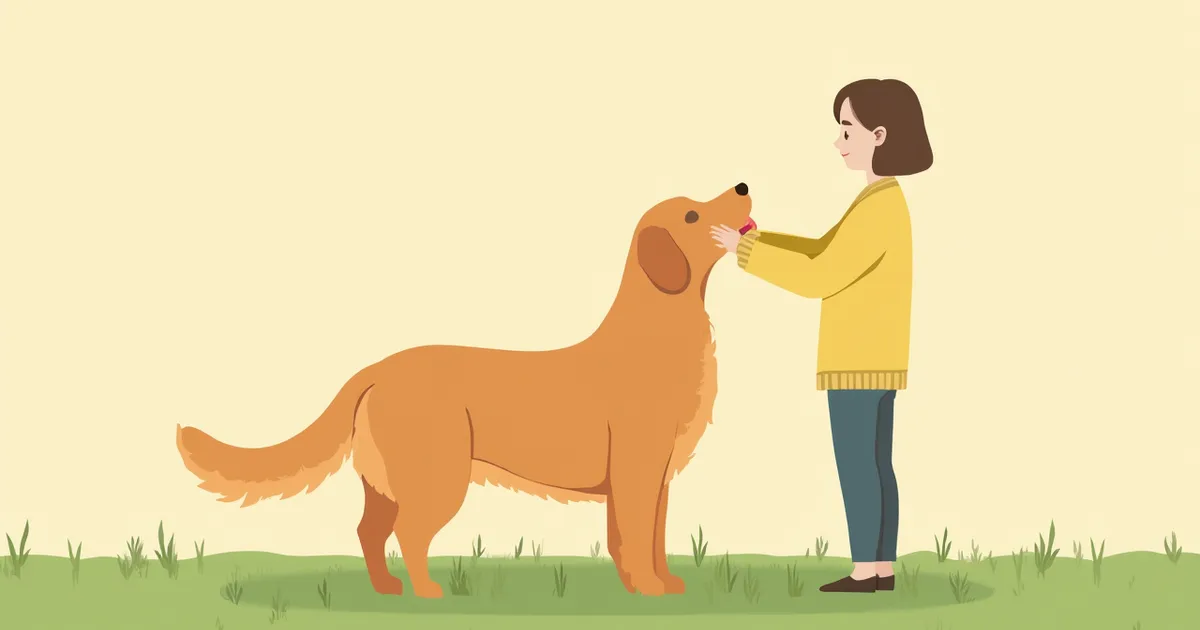
A caregiver lifts the dog’s lips to check the gum color, assessing for signs of anemia or jaundice.

How to Prevent Ticks During Walks

According to veterinary dermatology textbooks, ticks can be active year-round, so year-round prevention is recommended. Simply brushing and checking your dog after walks isn’t enough; you should also use preventive medication. - Oral medications (isoxazoline class): Administered every 1–3 months; ticks die after feeding on the dog’s blood - Topical treatments (spot-on): Applied to the skin at the back of the neck; the medication spreads through the skin’s oil layer to kill or repel ticks - Collars: Effective for 4–8 months; suitable for highly active dogs The appropriate preventive depends on your dog’s weight, liver function, and any concurrent medications. Please consult with your veterinarian before using any preventive for the first time.
A veterinarian applying a spot-on flea and tick prevention medication to the back of a puppy’s neck.

Be Extra Cautious in These Environments and Seasons

Tick exposure risk increases significantly under the following conditions. Even for short walks, never skip preventive medication and a thorough post-walk body check. - April–June and September–November (peak activity period for the Korean small brown tick, Haemaphysalis longicornis) - Tall grass over knee-high, hiking trails, campsites, and bushes near dog parks - Neighborhoods frequented by wild animals such as water deer and raccoon dogs - Short-haired, medium-to-large breeds with frequent outdoor activity (e.g., Shiba Inu, Border Collie, Jindo)

Reviewed by a veterinarian

Dr. Tony — Punnawat Phongkittirak

Dr. Tony — Punnawat Phongkittirak

Veterinarian

A veterinarian who majored in veterinary medicine at Khon Kaen University, Thailand, and completed the IVSA program at North Carolina State University in the United States. Drawing on clinical experience at animal hospitals, he works in the pet healthcare field and is dedicated to building a digital care environment that connects pet parents with veterinarians.

Frequently Asked Questions

The area where my pet was bitten by a tick is red and swollen. Should I take them to the vet right away?
If the bite wound is less than 1 cm in size, slightly red, and your dog is acting normally, it’s okay to monitor it at home for 24 to 48 hours. However, if swelling increases, the area becomes moist from licking, or systemic symptoms such as fever or lethargy develop, suspect a secondary infection and seek veterinary care immediately.
Will brushing my pet well after walks be enough to prevent parasites without using preventive medication?
Brushing and checking your pet are helpful but not enough on their own to prevent tick infestations. Tick larvae are smaller than grains of rice, making them easy to miss even after a short walk, and they can start feeding within 24 hours. For dogs that go on frequent walks, using one of the following year-round—oral medication, spot-on treatment, or a tick collar—is much more effective in preventing tick-borne diseases.
I tried to remove the tick by hand, but its head got left behind. What should I do?
If the remaining portion is small, do not force it out. Instead, disinfect the area and monitor it for a few days. Typically, it will work its way out naturally, much like a splinter. However, if swelling, pus, or warmth worsens, it may indicate a secondary bacterial infection. In such cases, it is safest to visit a veterinary clinic for incision and removal, along with a prescription for antibiotics.
Does applying a preventive medication become ineffective if ticks are already attached?
Not at all. Most tick preventives don’t instantly repel ticks; instead, they kill the ticks after they’ve started feeding. So it’s completely normal to find dead ticks on your dog even after using preventive medication. However, if you keep finding live ticks over several days, it may be time to switch to a different product—please consult your veterinarian for guidance.
Can it be transmitted to humans?
While it is rare for ticks on a dog to directly bite humans, people in the same environment can still be exposed to the same ticks. In particular, the Asian long-clawed tick (Haemaphysalis longicornis), commonly found in Korea, can transmit severe fever with thrombocytopenia syndrome (SFTS) to humans. Therefore, when removing ticks from your dog, always wear disposable gloves and avoid direct skin contact.

Share

Related Guides

References

[1] BSAVA Manual of Canine and Feline Dermatology, 4th Edition — Chapter on Ectoparasites and Tick-borne Diseases

[2] Principles and Practices of Canine and Feline Clinical Parasitic Diseases — Tick-borne Pathogens

[3] Shoorijeh S.J., Ghasrodashti A.R., Tamadon A. et al. (2008). Seasonal frequency of ectoparasite infestation in dogs. Turkish Journal of Veterinary and Animal Sciences 32(4): 309–313.

This information is based on veterinary literature and does not replace diagnosis or treatment. Please consult a veterinarian for specific health concerns.

Metapet Co., Ltd. | CEO: Park Sung-yong | Business Reg. No. 417-88-02562 | Seoul, South Korea | Customer Center

Tick-Borne Disease Checklist: What to Check After Dog Walks | Meongsiljang