Like
Share
멍실장
ALP수치 상승, 왜 올라갈까? 원인과 대처법

Rising ALP Levels: Causes and Management

Liver HealthQ&AMeongsiljang Veterinary Advisory Board

We’ve outlined the main causes of elevated ALP (alkaline phosphatase) levels in dogs and cats, along with key checkpoints for pet owners to monitor.

What Is ALP? It’s Not Always a Liver Issue

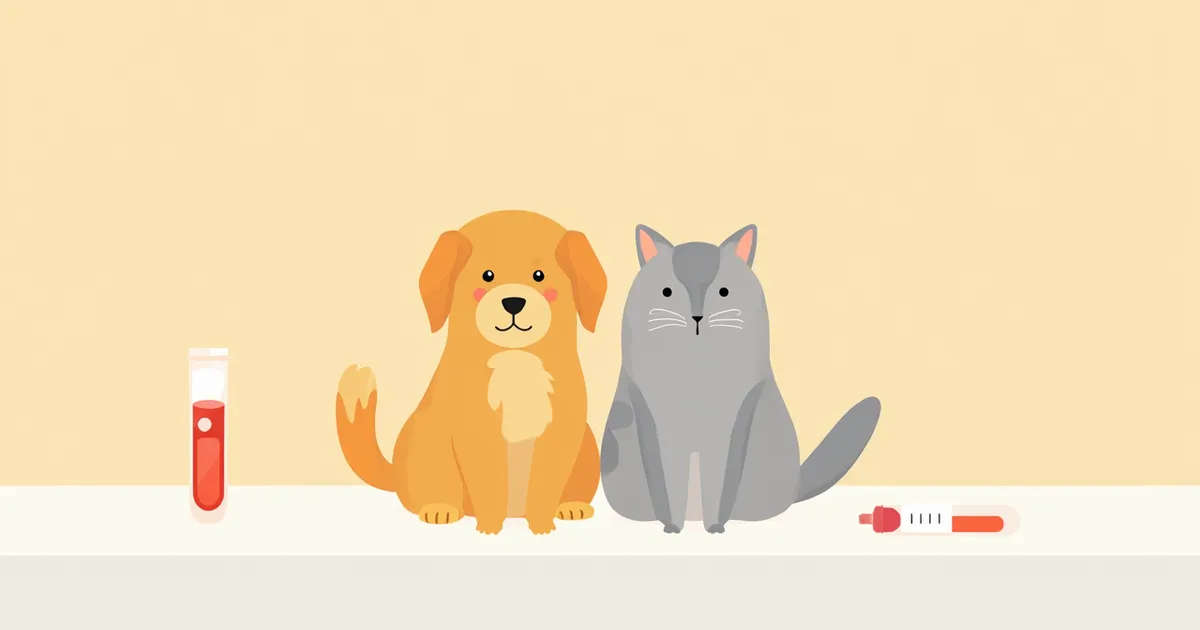
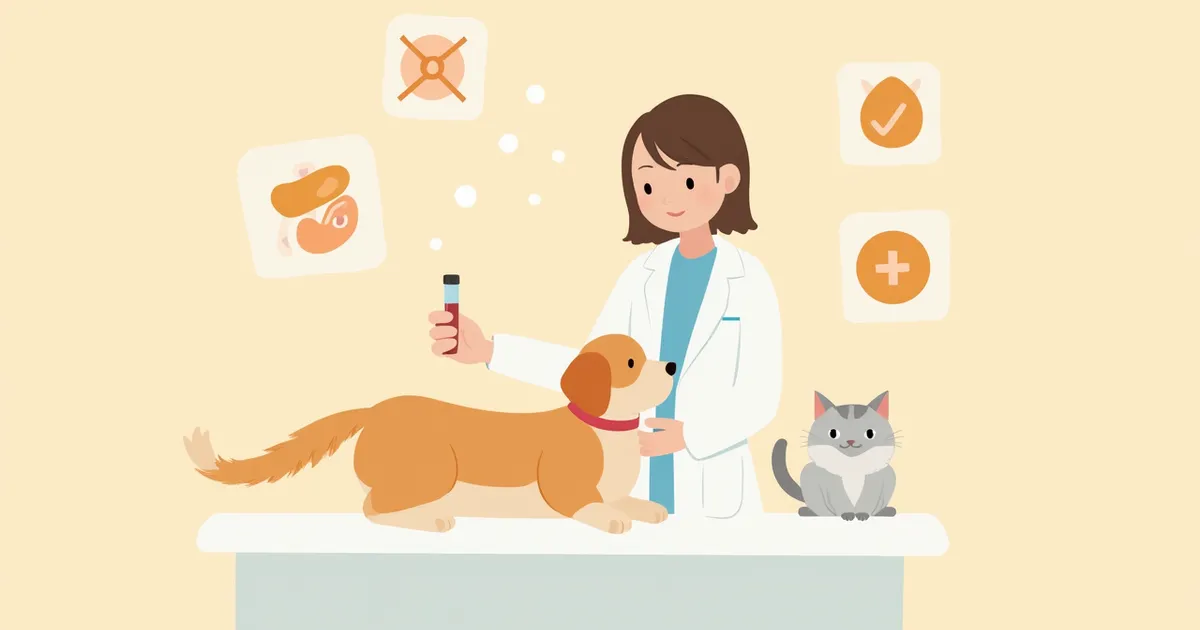
An illustration of a dog and a cat undergoing a blood test to check their liver enzyme levels.
ALP (alkaline phosphatase) is an enzyme found in various tissues, including the liver, biliary tract, bones, intestines, and placenta. In blood tests, it serves as an indirect indicator of liver function and bile flow. An elevated level doesn't automatically mean there's a liver disease. What truly matters is "how much it has increased" and "whether other values have changed along with it." If ALP levels consistently rise to more than three times the upper limit of normal, or if GGT, bilirubin, and ALT levels also increase, it's important to investigate the underlying cause.

How Do Normal ALP Ranges Differ Between Dogs and Cats?

ALP levels vary significantly depending on species, age, and breed. In young animals, ALP is naturally elevated due to bone growth, and nursing puppies may temporarily show very high levels because of ALP present in colostrum. Cats have a shorter ALP half-life, so the same numerical value carries much greater clinical significance in cats than in dogs. If a cat’s ALP exceeds twice the upper limit of normal, conditions such as cholestasis or fatty liver disease should be suspected.

Species- and Age-Specific Interpretation Criteria for ALP

ItemGeneral reference rangeInterpretation point
Adult dogAbout 20–150 U/LUp to 2–4 times the upper limit of normal can be due to drugs · stress
Young puppy (~1 year)2–3 times the adult dog standardNaturally elevated due to bone growth
Nursing neonatal puppy1,000–3,700 U/LColostrum effect, drops sharply after 8–10 days of age
Adult catAbout 10–90 U/LShort half-life, so even a slight rise is significant

Actual interpretation must consider the testing lab's reference values together with clinical signs.

7 Common Causes of Elevated ALP Levels
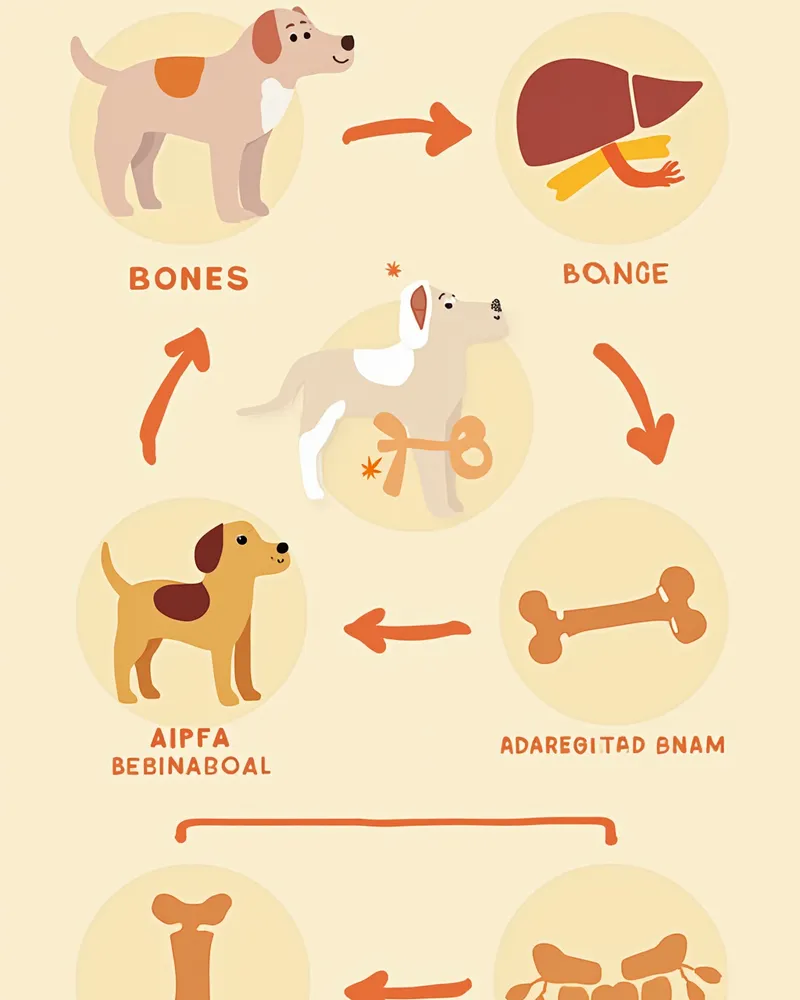
The causes are varied, but they can be broadly categorized into four main areas: liver and biliary tract, endocrine, bone, and medications. - Biliary stasis (cholangitis, biliary mucocele): In conditions where bile flow is obstructed, ALP levels tend to rise earlier than other markers. - Hepatitis and cirrhosis: Levels may increase alongside hepatocyte damage or biliary tract irritation. However, an elevation in enzyme levels alone cannot distinguish between primary liver disease and secondary (reactive) liver changes caused by disease in other organs. - Cushing’s disease (hyperadrenocorticism): This is a leading cause of significant and persistent ALP elevation in dogs. If ALP is elevated alone and accompanied by symptoms suggestive of Cushing’s, testing adrenal function (dynamic cortisol testing) should be considered. - Steroid administration: Use of drugs such as prednisolone induces "steroid-induced ALP isoenzymes." This form is distinct from liver-specific isoenzymes. - Bone growth and osteosarcoma: Bone-derived ALP rises in young, growing animals or those with bone tumors. - Pancreatitis and intestinal disease: ALP may also rise in conditions like acute pancreatitis, but this is a nonspecific change that requires confirmation with other tests. - Feline hepatic lipidosis (fatty liver disease): A characteristic feature is that ALP levels rise markedly compared to the biliary enzyme GGT.
An illustration showing the main organs associated with elevated ALP levels: liver, gallbladder, bones, and adrenal glands.

When to Seek Immediate Veterinary Care

If elevated ALP is accompanied by the following symptoms, it is unlikely to be due to simple stress or medication effects. These warning signs include jaundice (yellowing of the gums and the whites of the eyes), sudden vomiting and loss of appetite lasting more than 24 hours, a distended abdomen or ascites, dark brown urine, and lethargy with weight loss persisting for over two weeks. In particular, if a cat stops eating for more than two to three days while ALP levels rise, the condition can rapidly progress to fatty liver disease, constituting a medical emergency.

Don’t Look at ALP Alone—Check the Full Liver Panel
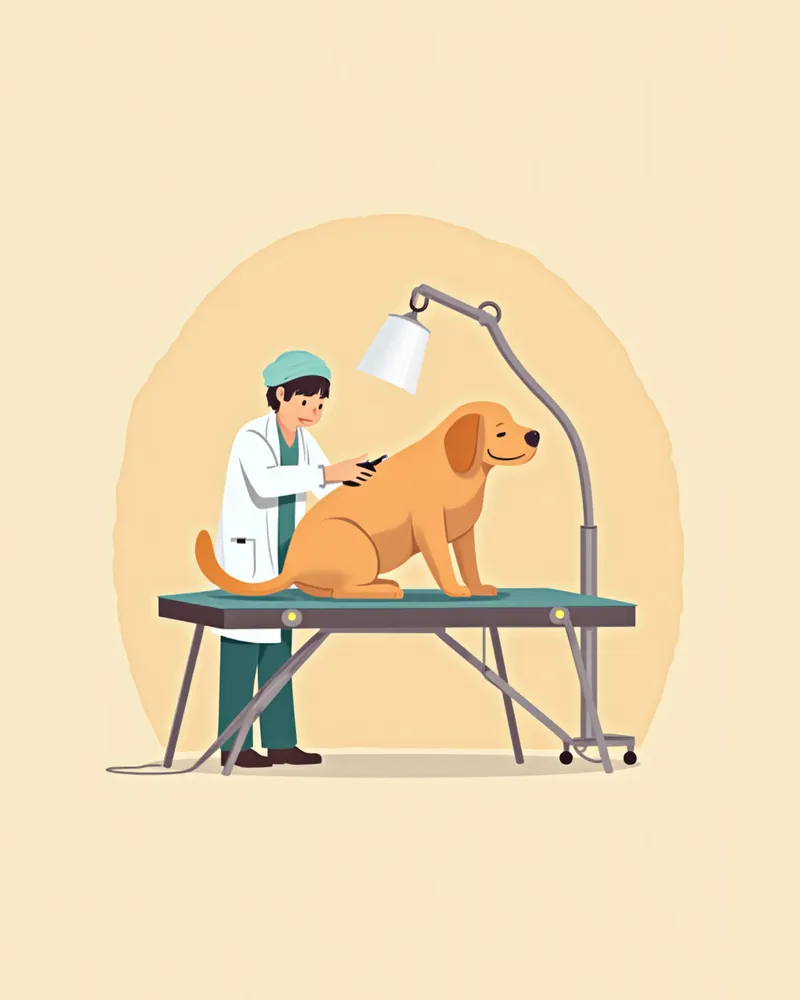
To pinpoint the exact cause, there are several indicators that should be evaluated alongside ALP. - ALT (hepatocellular injury): A concurrent rise suggests possible hepatitis or toxicity. - GGT (biliary specificity): An increase alongside ALP strongly indicates cholestasis. - Total bilirubin: Elevated levels point to jaundice and severe hepatobiliary issues. - Bile acids: Essential for assessing impaired liver function. - Abdominal ultrasound: Allows visualization of the gallbladder, liver parenchyma, and adrenal glands. Veterinary internal medicine textbooks recommend that an isolated increase in ALP be interpreted by integrating clinical signs, ultrasound findings, and additional blood tests.
Illustration of a veterinarian performing an abdominal ultrasound on a puppy

Checkpoints You Can Monitor at Home

While interpreting lab values is the veterinarian’s job, keeping a record yourself can significantly speed up identifying the underlying cause. - Recent medication history: Whether your pet has taken steroids, anticonvulsants, or antibiotics - Changes in appetite and water intake: With Cushing’s disease, water consumption often doubles or more - Urination frequency and color: Presence of brown urine or polyuria (excessive urination) - Body shape changes: A pot-bellied appearance or hair loss - Gum and sclera (eye white) color: Any yellowish tint - Diet details: Whether high-fat food, treats, or human food are being fed Bringing these notes to your appointment can help reduce both the cost and time required for rechecks.

It May Be a Mild, Benign ALP Elevation

If ALP is slightly elevated—about 1.5 to 2 times the upper limit of normal—on a health checkup, and all other values and symptoms are normal, it’s common to recheck in 2 to 4 weeks to monitor the trend. A high-fat meal right before the test, stress, recent vaccinations or medications, and long-term use of joint supplements can all temporarily raise ALP levels. However, in cats, even a mild increase warrants more proactive evaluation for safety.

Reviewed by a veterinarian

Dr. Tony — Punnawat Phongkittirak

Dr. Tony — Punnawat Phongkittirak

Veterinarian

A veterinarian who majored in veterinary medicine at Khon Kaen University, Thailand, and completed the IVSA program at North Carolina State University in the United States. Drawing on clinical experience at animal hospitals, he works in the pet healthcare field and is dedicated to building a digital care environment that connects pet parents with veterinarians.

Frequently Asked Questions

Is an ALP level over 1,000 considered serious?
In dogs, levels can exceed 1,000 due to Cushing’s disease or steroid use, making it difficult to determine severity based on the number alone. An accurate assessment requires reviewing ALT, GGT, bilirubin, and ultrasound results together. However, in cats, levels above 1,000 usually indicate severe conditions such as biliary obstruction or fatty liver disease, so immediate further testing is necessary.
Can nutritional supplements or dog food cause an increase in ALP levels?
Yes, that’s possible. Long-term use of joint supplements (containing glucosamine and chondroitin) or certain liver supplements, or consuming a large amount of high-fat treats right before the test, can cause a temporary increase in ALP levels. To get a clearer result, please fast your pet for 12 hours before the retest and temporarily pause any supplements, then measure again.
Is it okay if only ALP is elevated while other liver enzymes are normal?
This pattern is relatively common in dogs, where we first suspect Cushing’s disease, steroid effects, or gallbladder changes. If the dog is asymptomatic and the elevation is mild, rechecking in 2–4 weeks may be sufficient. In cats, however, even with the same pattern, it’s essential to actively investigate for biliary or hepatic abnormalities.
Are there any home remedies to lower ALP levels?
Because the underlying cause varies, I don’t recommend a one-size-fits-all approach to lowering liver enzymes at home. However, certain measures are beneficial regardless of the cause: maintaining a healthy weight, feeding a low-fat diet with high-quality protein, discontinuing unnecessary supplements, and avoiding human medications—such as NSAIDs—without veterinary guidance. Depending on your veterinarian’s recommendation, liver support supplements or prescription therapeutic diets may also be appropriate.
When is the best time to schedule a follow-up checkup?
For mild elevations, we recommend retesting in 2–4 weeks. If the elevation is moderate or higher, or if symptoms are present, retesting within 1–2 weeks is advised. To ensure accurate comparison of results, please have the same tests performed at the same laboratory during the follow-up.

Share

Related Guides

References

[1] Stockham SL, Scott MA. Fundamentals of Veterinary Clinical Pathology, 3rd Edition, Chapter 12 - Enzymes

[2] Thrall MA et al. Veterinary Hematology and Clinical Chemistry, 3rd Edition

[3] Ettinger SJ, Feldman EC. Textbook of Veterinary Internal Medicine, 8th Edition - Hepatobiliary System

This information is based on veterinary literature and does not replace diagnosis or treatment. Please consult a veterinarian for specific health concerns.

Metapet Co., Ltd. | CEO: Park Sung-yong | Business Reg. No. 417-88-02562 | Seoul, South Korea | Customer Center

Elevated ALP in Dogs & Cats: Causes and Management | Meongsiljang