Like
Share
멍실장
퍼피 임프린팅 시기, 언제가 성격을 결정하나요?

When is the puppy imprinting period? — The critical period that determines personality

ImmunityQ&AMeongsiljang Veterinary Advisory Board

Puppy imprinting is the critical period between 3 and 12 weeks of age when a puppy’s personality is shaped for life. We’ll share socialization techniques to help you make the most of this golden window.

What is puppy imprinting?
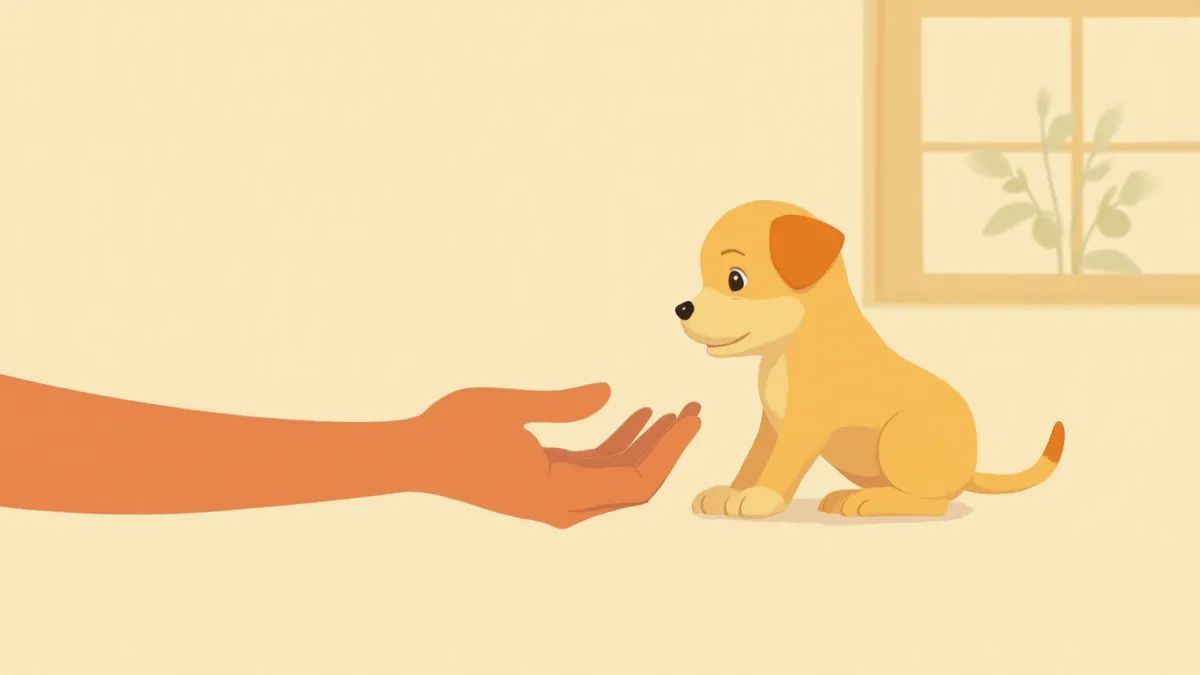
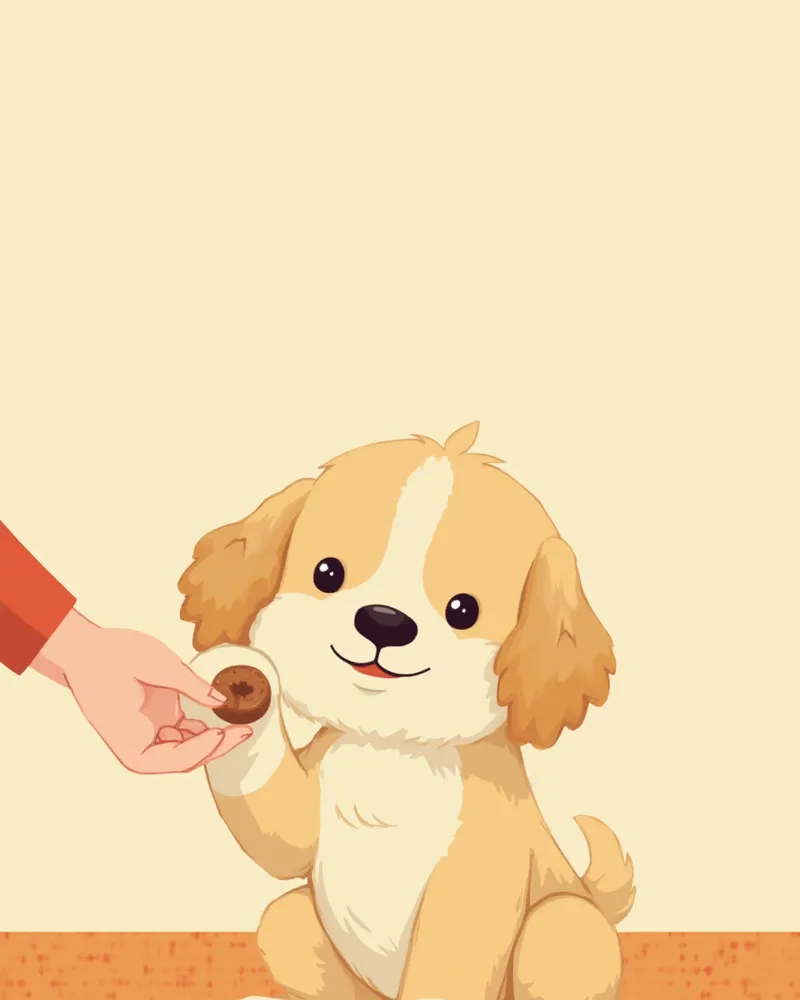
A 9-week-old puppy approaching a human hand for the first time
Puppy imprinting occurs between 3 and 12–14 weeks of age, a critical window during which puppies form their social responses to people, other animals, sounds, and environments. Veterinary behavior textbooks refer to this phase as the "socialization period," noting that experiences during this time significantly shape an adult dog’s personality. Most importantly, the period from 8 to 12–14 weeks is considered the peak socialization window. Once this window closes, the risk of anxiety or fear responses to unfamiliar stimuli increases, but learning does not stop. Adaptation continues into puppyhood, so consistent, positive socialization efforts can still lead to meaningful improvements even if started later. Therefore, the first month after adoption plays a major role in laying the foundation for your dog’s lifelong temperament.

Why is this period special?

During this period, the brain is like a sponge, absorbing and categorizing what is “safe” and what is “dangerous.” Classic studies, such as those by Scott and Fuller (1965), have confirmed that if a dog does not receive adequate exposure to stimuli during the socialization period, it may develop fear or anxiety responses toward unfamiliar people or environments. Conversely, if puppies are positively exposed to everyday experiences—such as people, children, car noises, and vacuum cleaners—between 8 and 12 to 14 weeks of age, they are likely to remain comfortable with these stimuli even as adult dogs. Because vaccinations are not yet complete, extra care must be taken regarding hygiene and safety; however, this makes it all the more important to carefully manage socialization during this critical window.

Imprinting development stages by week

ItemNeonatal Period (0–2 weeks)Transitional Period (2–3 weeks)Socialization Period (3–14 weeks)Adolescence (14 weeks–6 months)
Key TaskImprinting on mother's and littermates' warmthEyes and ears open; first sensory stimulationImprinting on people, environment, and other animalsReinforcing prior learning; active exploration and curiosity behavior
Human ContactMinimal gentle handlingBrief, gentle petting3–5 different people per dayContinue exposure to additional strangers
If MissedFormation of anxious attachmentPossible sensory hypersensitivityLifelong risk of shyness and aggressionRelearning possible but difficult
Guardian's RoleHandled by the breederHandled by the breeder⭐ Intensive period after adoptionConsistent reinforcement

Of the 3–14 week period, weeks 8–14 are mostly the time the guardian is responsible for after adoption

8–12 weeks golden window: What should you do?
Over the next four weeks, please create as many "positive first experiences" as possible. - Human exposure: Introduce your puppy to 3–5 people daily, varying in age, gender, and appearance. - Sound exposure: Gradually introduce sounds like vacuums, hair dryers, doorbells, and thunder, starting at a low volume. - Environmental exposure: Let your puppy explore different floor surfaces (tile, carpet, grass), stairs, and elevators. - Handling: Gently touch your puppy’s paws, ears, mouth, and tail while offering treats. - Alone-time practice: Start with short periods and gradually increase the duration. Always follow each experience with a treat or praise so it becomes a "positive memory."
A puppy practicing handling skills while exploring various floor surfaces

How to go out before vaccinations

Don’t skip socialization before your pet completes their vaccination series. However, avoid high-risk areas such as dog parks, public defecation spots, and places with many stray animals. Instead, carry your pet outdoors, visit clean homes of trusted friends, and arrange supervised interactions with friendly, fully vaccinated adult dogs. Veterinary experts emphasize that early life experiences have a lasting impact on behavioral health in adulthood, so it’s important to continue socialization while prioritizing hygiene and safety. Consult your veterinarian to balance your pet’s vaccination schedule with local disease prevalence.

Imprinting checklist — Experiences you must not miss
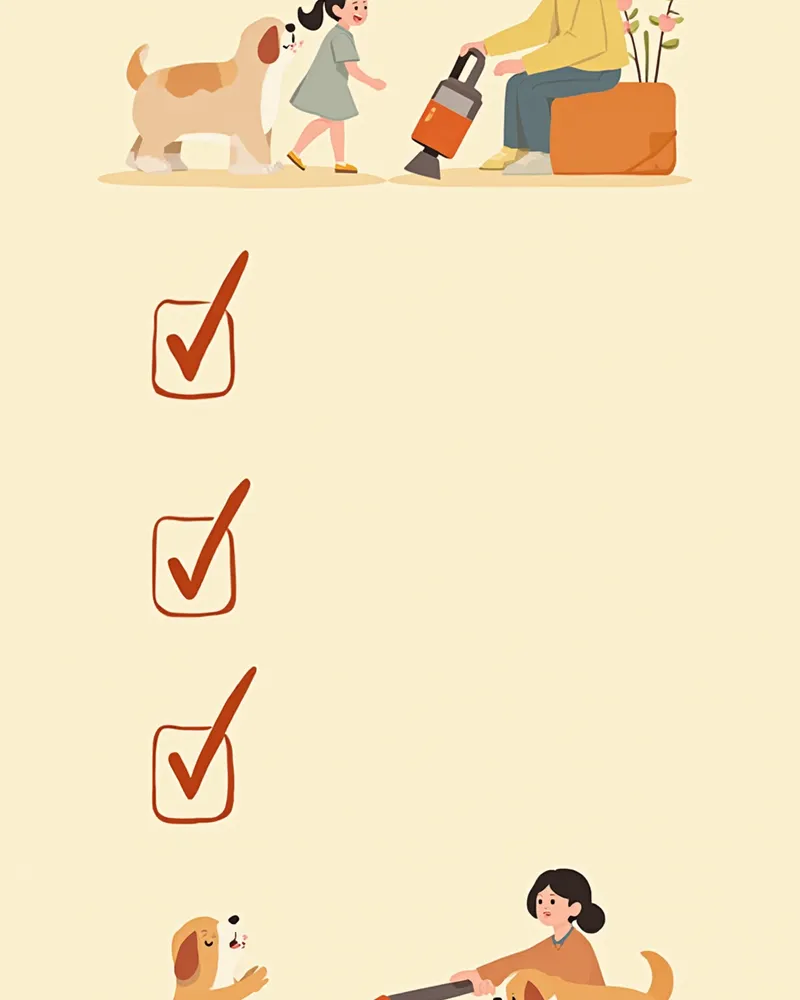
By 12 weeks of age, ensure your puppy has at least one positive experience with each of the following: - Various people: men, women, children, seniors, people wearing hats, and people with beards - Various animals: fully vaccinated, calm adult dogs; quiet cats - Household noises: vacuum cleaners, washing machines, doorbells, car horns - Transportation: car rides, strollers, and carriers - Handling experiences: brushing, touching nails, and mimicking tooth brushing - Alone time: gradually increasing from 5 minutes to 30 minutes, then to 1 hour Use this list to consciously identify and fill in any gaps in your puppy’s socialization.
A puppy experiencing various socialization activities

What you must never do

Inflicting trauma during the imprinting period can have the opposite effect. Forcing exposure to frightening situations can cement "bad memories," leading to lifelong fear responses. - ❌ Continuously forcing a crying, trembling puppy to be held by strangers - ❌ Overwhelming the puppy with loud noises or intense stimuli all at once - ❌ Using punishment or scolding to teach obedience (strictly prohibited before 12 weeks of age) - ❌ Separating from the mother and littermates too early (before 8 weeks of age) - ❌ Leaving the puppy alone all day — this can solidify separation anxiety The guiding principle is to proceed slowly, use positive reinforcement, and offer choices.

What if socialization wasn’t done by 12 weeks?

Although the golden window has passed, it’s not too late. During the juvenile period, from about 12 to 14 weeks up to around six months of age, your pet can still learn and adapt to new stimuli. However, progress may be slower, so it’s best to introduce changes gradually, one at a time, using treats to create positive associations. If your pet already shows fear responses to certain stimuli, we recommend consulting a professional trainer or a veterinary behaviorist. Attempting to correct these issues on your own can sometimes deepen the trauma.

Reviewed by a veterinarian

Dr. Tony — Punnawat Phongkittirak

Dr. Tony — Punnawat Phongkittirak

Veterinarian

A veterinarian who majored in veterinary medicine at Khon Kaen University, Thailand, and completed the IVSA program at North Carolina State University in the United States. Drawing on clinical experience at animal hospitals, he works in the pet healthcare field and is dedicated to building a digital care environment that connects pet parents with veterinarians.

Frequently Asked Questions

What happens if you completely miss the puppy imprinting period?
This increases the likelihood that the dog will grow into an adult that barks excessively, trembles, or displays aggression toward unfamiliar people, sounds, or environments. However, with professional guidance, significant improvement is still possible. Please don’t give up—continue with consistent positive reinforcement training.
Should I absolutely avoid walking my pet before they’ve completed their vaccinations?
It’s safer to avoid walks that require your pet to walk on the ground. Instead, “carrying walks,” where you hold your pet while exposing them to outdoor sights and sounds, are highly effective for socialization. Consult your veterinarian and check the local status of infectious diseases before making a decision.
At what age is it best to separate puppies from their mother and littermates?
It is recommended to wait until the puppy is at least 8 weeks old. If separated before this time, they may not learn essential social cues from other dogs, which can lead to difficulties getting along with other dogs even as adults.
When should I start practicing leaving my pet alone?
It's best to start with very short periods (1-5 minutes) right after bringing your pet home. If you're with them all day at first and then suddenly leave them alone, it can lead to separation anxiety. Gradually increase the time alone to help your pet build confidence that being by themselves is safe.
Are imprinting and training the same concept?
They are different. Imprinting is a passive process that imprints on the brain how to perceive the world. Training (such as "sit" or "stay") is an active learning process that comes afterward. Puppies who have been well-socialized will find it much easier to learn training commands.

Share

Related Guides

References

[1] The Dog Care Handbook, Things I Wish My Vet Had Told Me — Puppy Socialization Chapter

[2] Applied Veterinary Clinical Nutrition, 2nd Ed — Growth & Development

[3] Scott & Fuller, Genetics and the Social Behavior of the Dog, 1965

[4] AVSAB Position Statement on Puppy Socialization, 2008

This information is based on veterinary literature and does not replace diagnosis or treatment. Please consult a veterinarian for specific health concerns.

Metapet Co., Ltd. | CEO: Park Sung-yong | Business Reg. No. 417-88-02562 | Seoul, South Korea | Customer Center

When Is a Puppy's Imprinting Period? The Critical Window | Meongsiljang