
Reasons for Litter Box Avoidance in Cats and Correction Methods
I’ve outlined the reasons why cats may refuse to use the litter box, along with step-by-step correction methods based on veterinary behavior science.
Why Is My Cat Refusing to Use the Litter Box?
The Litter Box Environment May Be the Problem
Checklist for Causes of Litter Box Avoidance in Your Cat
There May Be an Underlying Health Issue
Seek Veterinary Care Immediately in These Cases
Blood in the urine, straining in the litter box without producing urine, or no urination for more than a day may indicate an emergency. In particular, urethral obstruction in male cats can become life-threatening within a very short time, so if you suspect these symptoms, seek veterinary care immediately.
How to Improve the Litter Box Environment
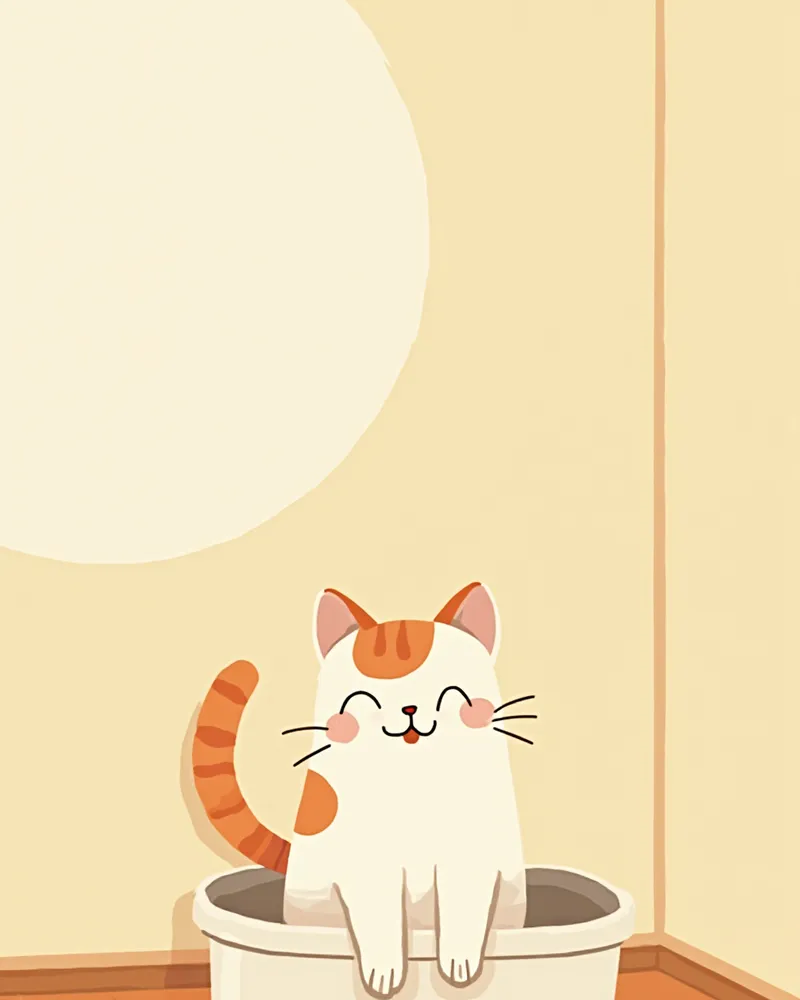
Additional Management Tips for Behavioral Correction
Important Considerations for Multi-Cat Households
In multi-cat households, a shortage of litter boxes often leads to more frequent avoidance issues. Follow the “one box per cat plus one extra” rule and place each box in a separate location. Since one cat may block another’s access to the litter box, it’s also important to monitor for any conflicts near the boxes.
Reviewed by a veterinarian

Dr. Tony — Punnawat Phongkittirak
VeterinarianA veterinarian who majored in veterinary medicine at Khon Kaen University, Thailand, and completed the IVSA program at North Carolina State University in the United States. Drawing on clinical experience at animal hospitals, he works in the pet healthcare field and is dedicated to building a digital care environment that connects pet parents with veterinarians.
Reviewed 2026-04-16
Frequently Asked Questions
My cat suddenly started urinating on the blanket. Why is this happening?
I want to change the litter, but I’m worried my cat might refuse it.
Is a covered litter box better, or is one without a cover preferable?
Is spraying (vertical marking) also a litter box issue?
How long does orthodontic treatment take?
Share
Related Guides

7 Behavioral Enrichment Strategies for Mental Stimulation Recommended by Veterinarians
Top 5 Calming Supplements for Dogs and Cats in 2026

L-Theanine Effects and Calming Support
My Puppy Trembles at Strangers and New Environments — Is It Due to Insufficient Socialization?
Will the first dog get stressed when the second one comes home? — How to help with new family member adjustment
Why Does Your Puppy Growl at Other Dogs? — Warning Signs and Correction Timing
Dogs That Destroy the House When Left Alone — Is Separation-Related Destructive Behavior Normal?
Why Does Your Dog Keep Licking and Chewing? — Key Causes and Management of Compulsive Behavior
My Dog Changed After the Baby Was Born — Is This Normal?
Why Is My Cat Constantly Licking and Losing Hair? — Causes and Management of Psychogenic Alopecia
References
[1] Crowell-Davis SL, Murray T. Introduction to Animal Behavior and Veterinary Behavioral Medicine, Ch.13 Feline Elimination Disorders
[2] Little SE. The Cat: Clinical Medicine and Management, 2nd Edition, Ch.16 Behavioral Problems
[3] Overall KL. Clinical Behavioral Medicine for Small Animals, 2003