Like
Share
멍실장
반려동물이 먹으면 안 되는 음식 리스트

List of Foods Pets Should Never Eat

DigestiveQ&AMeongsiljang Veterinary Advisory Board

We’ve compiled a list of dangerous foods that dogs and cats should never eat, along with emergency steps to take in case of poisoning and safe treat alternatives.

Why Are These Foods Dangerous for Pets?
A dog and a cat sitting together in a bright kitchen
Foods that are toxic to pets can cause poisoning, organ damage, or even death in dogs and cats. The most critical point is that chocolate, grapes, onions, and xylitol can be fatal even in small amounts. Many foods that are safe for humans are toxic to pets. Knowing the list of dangerous foods in advance can help prevent accidents.

Common Dangerous Foods for Dogs and Cats

These are some of the most dangerous foods for both dogs and cats. Please keep this in mind.
Chocolate: Contains theobromine, which stimulates the heart and nervous system. The darker the chocolate, the more toxic it is.
Grapes and Raisins: While the exact toxic component remains unknown, they can cause acute kidney failure.
Onions, Garlic, and Chives: These destroy red blood cells, leading to anemia. Cooking does not eliminate their toxicity.
Xylitol: A sweetener found in sugar-free gum, toothpaste, and other products, it can cause a rapid drop in blood sugar and liver damage.

Foods Especially Dangerous for Dogs

Dogs are naturally curious and prone to scavenging dropped food, so extra caution is needed.
Avocado: This is known to be unsafe for dogs, so it’s best not to feed it to them. Ingestion can cause gastrointestinal symptoms such as vomiting and diarrhea, so keep it out of your dog’s reach at all times.
Macadamia nuts: These nuts are known to be potentially dangerous for dogs. Symptoms such as lethargy, vomiting, and ataxia (stumbling or loss of coordination) have been reported, so it’s safest to avoid giving them even in small amounts.
Cooked bones: Cooked bones can easily splinter, posing risks of dental injury as well as gastrointestinal obstruction or perforation. Home-cooked bones are especially hazardous, so never give them to your dog.
Caffeine: Caffeine, found in coffee, tea, and energy drinks, can stimulate the central nervous system in pets. Since it’s difficult to determine a safe dosage, the best practice is to avoid giving caffeine altogether.
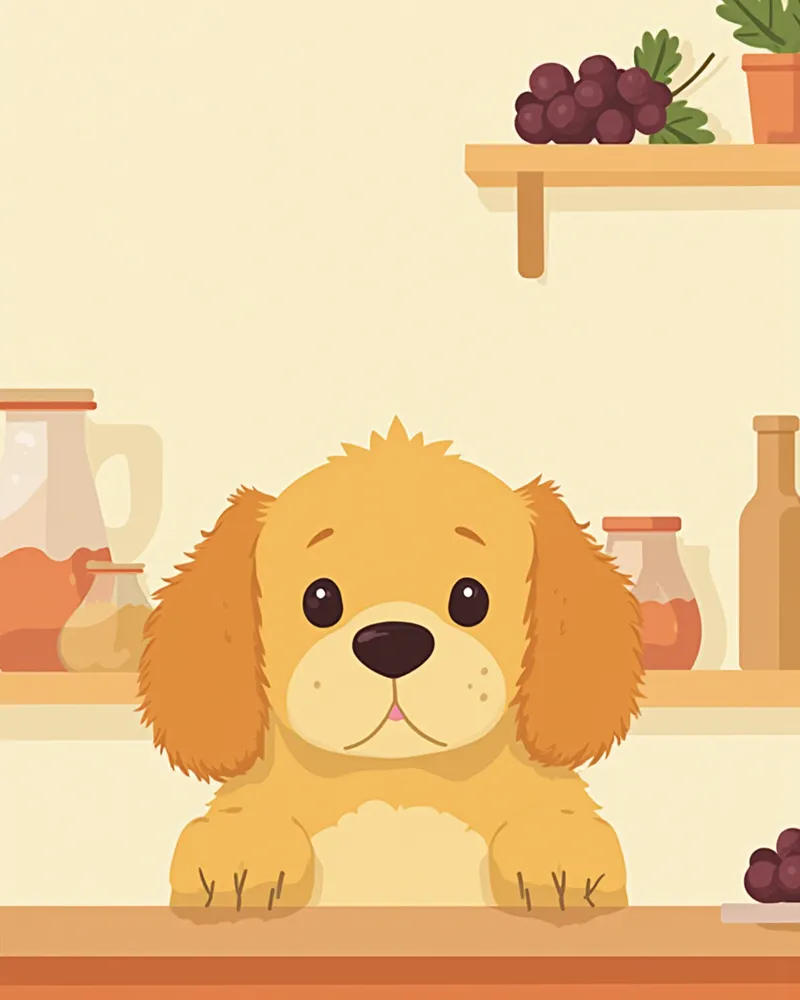
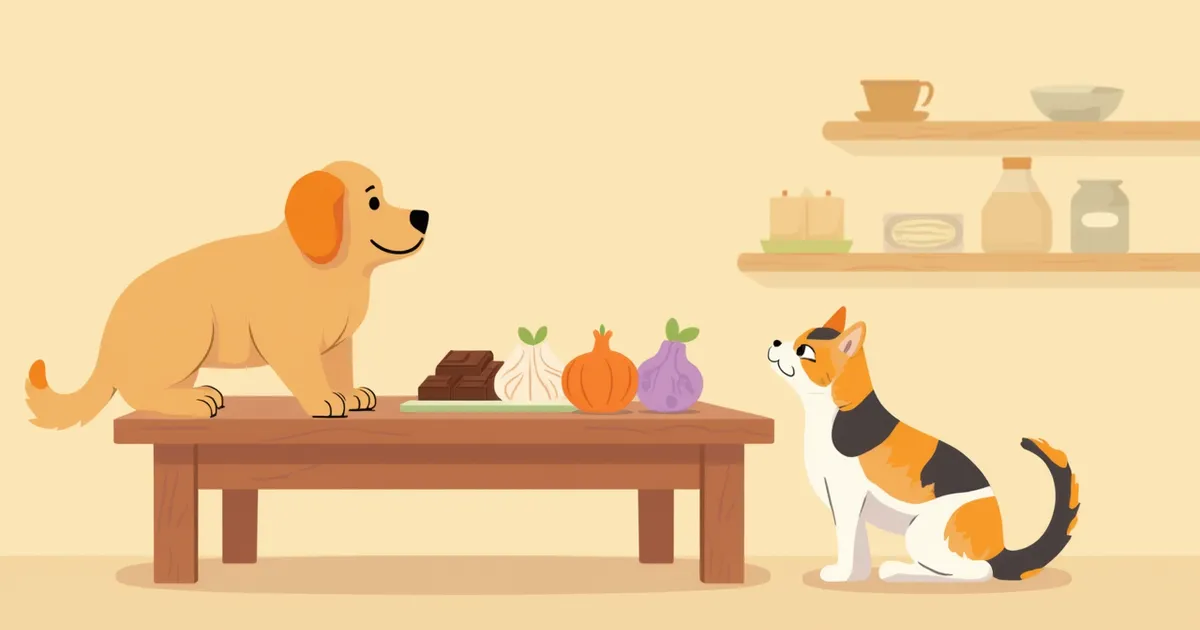
A dog gazing at grapes and chocolate on the kitchen counter

Foods Especially Dangerous for Cats

Cats are more sensitive to certain toxins than dogs, so they can experience more severe poisoning reactions even when exposed to the same substance. Kittens, in particular, may show symptoms from very small amounts, so extra caution is needed.
Canned tuna (for human consumption): Human-grade tuna does not meet cats’ nutritional balance needs, making it unsuitable as a main meal or frequent treat. If your cat loves tuna, choose products specifically formulated for cats.
Raw eggs and raw fish: Raw foods carry the risk of gastrointestinal infection due to bacterial contamination. It’s safer to cook them thoroughly or avoid feeding raw items altogether.
Milk and dairy products: Many adult cats cannot properly digest milk, which can lead to gastrointestinal symptoms like diarrhea. Therefore, milk and dairy products are not recommended.
Lilies and other plants: Although not food, plants around the home can cause poisoning if a cat licks or chews their leaves or flowers. Keeping plants out of your cat’s reach is the safest approach.

Go to the Vet Immediately If You See These Symptoms

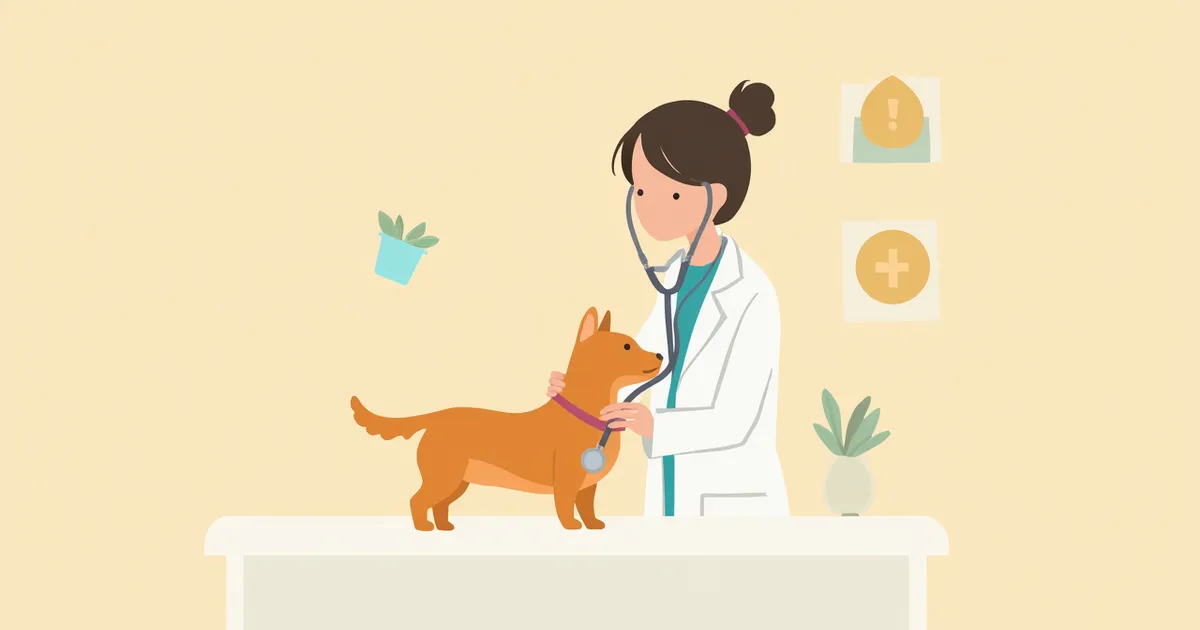
If your pet shows symptoms such as vomiting, diarrhea, drooling, seizures, difficulty breathing, or pale gums after eating a dangerous food, take them to an emergency veterinary clinic immediately. Do not assume that a small amount is harmless. For small pets, even a tiny amount can be fatal. When visiting the clinic, bring a written record of the type and quantity of food consumed, as well as the time of ingestion, to help the veterinarian respond quickly and effectively.

Emergency Steps if Poisoning Is Suspected

If your pet has eaten a dangerous food, stay calm and follow these steps in order.
Step 1: Remove any remaining food to prevent further ingestion.
Step 2: Record the type, amount, and time of ingestion. Keep the packaging if available.
Step 3: Contact a veterinary clinic or emergency animal hospital immediately.
Do not attempt to induce vomiting on your own. Depending on the ingested substance, inducing vomiting may cause esophageal damage. Always follow your veterinarian's instructions.
A pet owner taking notes while sitting next to their puppy

Safe Treat Alternatives

It’s helpful to know which safe treats can replace dangerous foods.
Safe dog treats: boiled chicken breast, boiled sweet potato, blueberries, watermelon (seeds removed), carrots
Safe cat treats: boiled chicken breast, boiled salmon, pumpkin puree
There are also important precautions to keep in mind when feeding treats. Always remove seeds and peels from fruits, and only offer foods prepared without seasoning. It’s best to limit treats to no more than 10% of your pet’s daily caloric intake. When introducing a new food, start with a small amount to check for any allergic reactions.
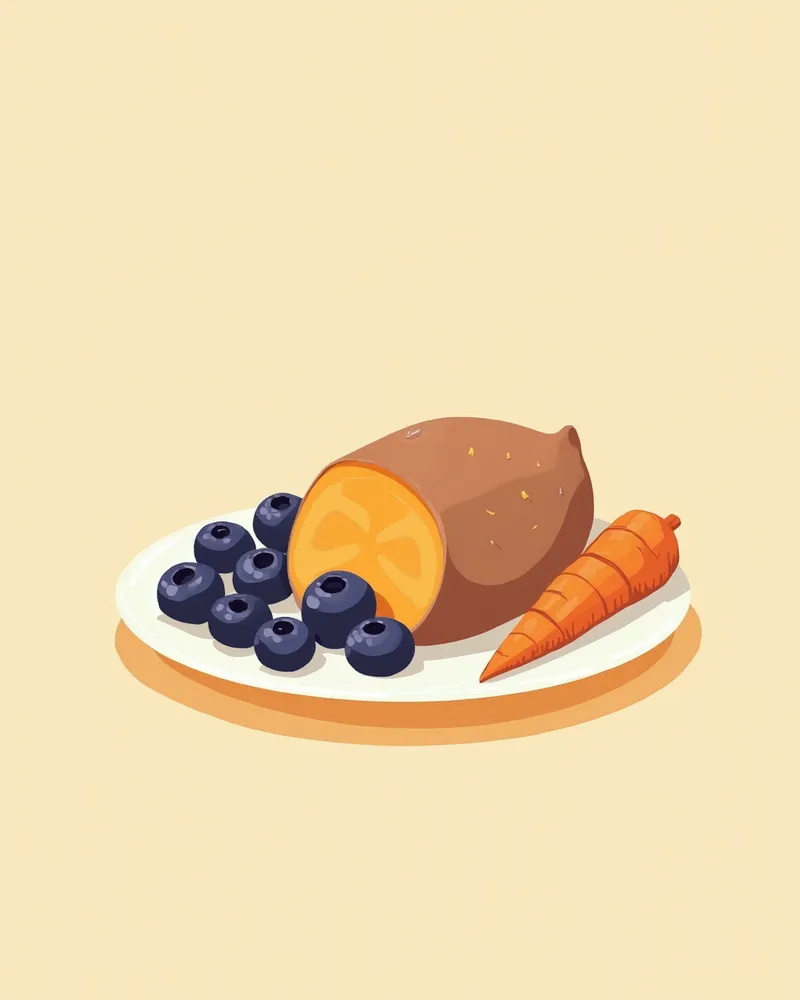
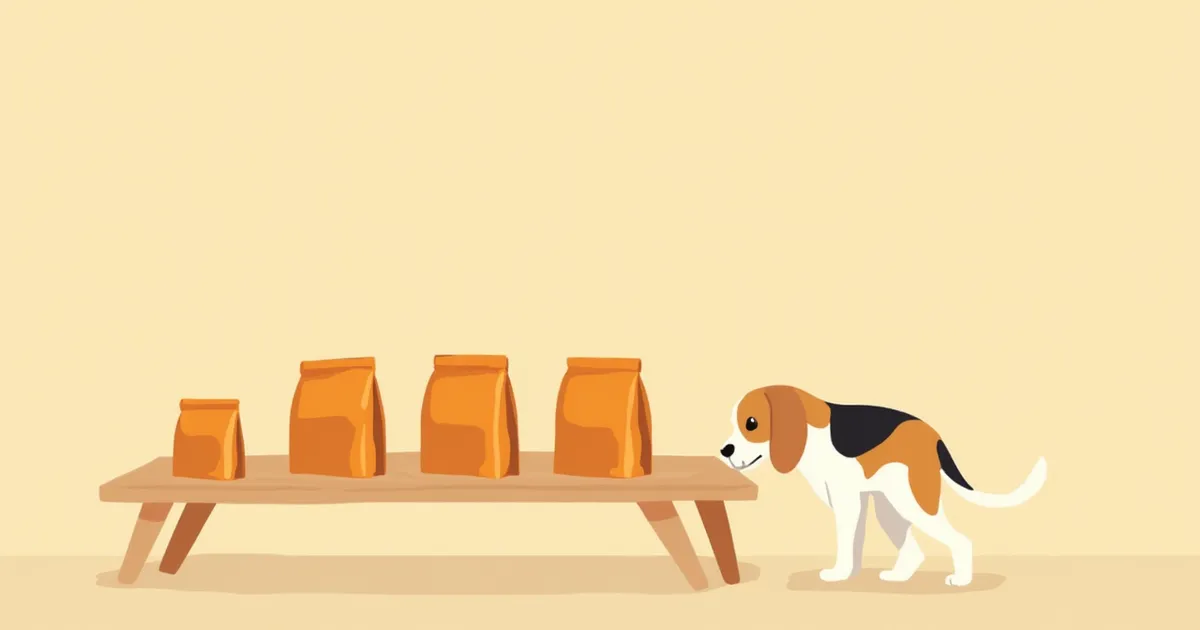
Blueberries, sweet potatoes, and carrots are safe treats for pets.

Storage and Prevention Are Most Important

Keep hazardous foods out of your pet’s reach. In particular, avoid leaving chocolate, xylitol-containing gum, and grapes on the table. Before holidays or parties, let guests know in advance not to share food with your pet. Switching to a trash can with a lid can also help prevent accidents. The most reliable prevention is for all family members to share and be aware of the list of dangerous foods.

Reviewed by a veterinarian

Dr. Tony — Punnawat Phongkittirak

Dr. Tony — Punnawat Phongkittirak

Veterinarian

A veterinarian who majored in veterinary medicine at Khon Kaen University, Thailand, and completed the IVSA program at North Carolina State University in the United States. Drawing on clinical experience at animal hospitals, he works in the pet healthcare field and is dedicated to building a digital care environment that connects pet parents with veterinarians.

Frequently Asked Questions

My dog ate a very small amount of chocolate. Is it okay?
The level of risk depends on the type of chocolate and your dog’s body weight. Dark chocolate can be dangerous even in small amounts. If your dog shows symptoms such as vomiting, diarrhea, or hyperexcitability—even after ingesting a small amount—seek veterinary care immediately. Even if no symptoms appear, it’s safest to call your veterinarian for advice.
Is it dangerous if my pet eats just one grape?
Grape toxicity varies from dog to dog, so even a single grape can trigger a severe reaction. There is no safe amount to consume, so grapes and raisins should never be given to dogs under any circumstances. If your dog has eaten any, take them to the vet immediately.
I accidentally gave my pet food containing onions. What should I do?
Even small amounts of onion can damage red blood cells. Anemia symptoms—such as pale gums and lethargy—may not appear until several days after ingestion. If your pet has eaten any food containing onion, we recommend having a blood test performed at a veterinary clinic.
Is it okay to occasionally give my cat canned tuna?
Canned tuna intended for human consumption is high in sodium and mercury, making it unsuitable for cats. While an occasional small amount may not cause significant issues, regular feeding can lead to nutritional imbalances. If your cat loves tuna, opt for products specifically formulated for feline consumption.
Is it safe to only give my pet treats made specifically for them?
Even with treats labeled as “pet-specific,” always check the ingredient list and nutritional information. Some lower-quality products may contain harmful additives. Choose items with recognized domestic certification marks, and when introducing a new treat, start with a small amount to monitor your pet’s reaction.

Share

Related Guides

References

[1] Cortinovis, C. and Caloni, F. (2016). Household Food Items Toxic to Dogs and Cats. Frontiers in Veterinary Science, 3:26.

[2] Peterson, M.E. and Talcott, P.A. (2013). Small Animal Toxicology, 3rd Ed. Elsevier.

[3] Eubig, P.A. et al. (2005). Acute renal failure in dogs after the ingestion of grapes or raisins. Journal of the American Veterinary Medical Association, 226(10): 1680-1684.

[4] Gwaltney-Brant, S.M. (2001). Chocolate intoxication. Veterinary Medicine, 96(2): 108-111.

[5] Campbell, A. and Chapman, M. (2000). Handbook of Poisoning in Dogs and Cats. Blackwell Science.

This information is based on veterinary literature and does not replace diagnosis or treatment. Please consult a veterinarian for specific health concerns.

Metapet Co., Ltd. | CEO: Park Sung-yong | Business Reg. No. 417-88-02562 | Seoul, South Korea | Customer Center

Foods Pets Should Never Eat: Dangerous Foods List | Meongsiljang