Like
Share
멍실장
고양이 결막염 원인과 치료

Causes and Treatment of Feline Conjunctivitis

Eye HealthQ&AMeongsiljang Veterinary Advisory Board

We’ve compiled a comprehensive guide based on veterinary resources, covering everything from the main causes of feline conjunctivitis—such as herpesvirus and chlamydia infections—to symptom checklists, treatment options, and home care tips.

What Is Feline Conjunctivitis?

A cat sitting by the window
Feline conjunctivitis is a condition in which the thin membrane covering the inner eyelids and the surface of the eye (the conjunctiva) becomes inflamed. If you notice redness in the eyes, increased discharge, or frequent eye rubbing, conjunctivitis should be suspected. Because the treatment approach varies significantly depending on the underlying cause, it is important to visit a veterinary clinic promptly if symptoms appear.

Main Causes of Conjunctivitis

These are the most common causes of conjunctivitis in cats.
Feline Herpesvirus Type 1: This is the most frequent cause. Once a cat is infected, the virus can remain latent in the body and reactivate during periods of stress. It often presents alongside upper respiratory symptoms such as sneezing and nasal discharge.
Chlamydia (Chlamydophila felis): This is one of the primary infectious causes of feline conjunctivitis. Respiratory symptoms are often mild or absent, with conjunctival redness and ocular discharge being the main eye-related signs.
Mycoplasma: This is another infectious cause of conjunctivitis in cats and is sometimes found in conjunction with other pathogens.
Feline Calicivirus: Conjunctivitis may occur alongside oral mucosal lesions, such as stomatitis, or upper respiratory symptoms.

Symptom Comparison by Cause

ItemHerpesvirusChlamydiaCalicivirus
Main eye symptomsRedness, eye discharge, possible corneal ulcersConjunctival redness, eye dischargeMild redness
Respiratory symptomsSevere sneezing and runny noseMild or noneSneezing, accompanied by stomatitis
Recurrence likelihoodHigh (latent infection)No latent infectionLow
ContagiousnessHighHighHigh

Compiled based on veterinary ophthalmology textbooks

Suspect Conjunctivitis If You Notice These Symptoms

If you notice any of the following symptoms, conjunctivitis may be the cause.
Redness of the eyes: The whites of the eyes appear red.
Increased eye discharge: Discharge can range from clear tears to thick, yellowish crust. Yellow discharge may indicate a bacterial infection.
Conjunctival swelling: The conjunctiva becomes swollen, making the eyes look puffy.
Rubbing the eyes: Due to discomfort, your pet may frequently rub or scratch at their eyes with their front paws.
Eyelid twitching: Frequent blinking or difficulty keeping one eye open.
Sneezing and nasal discharge: These symptoms may occur together if an upper respiratory infection is the underlying cause.
A cat with a slight tear in its eye

Go to the Vet Immediately If You See These Symptoms

If your cat has yellow or greenish discharge in large amounts, a cloudy or opaque cornea, difficulty opening the eyes, loss of appetite, or lethargy, their condition may worsen rapidly. In particular, kittens with weakened immune systems risk serious vision problems if left untreated, so please visit a veterinary clinic immediately.

How Is Diagnosis and Treatment Performed?

The veterinarian will directly examine the eyes and, if necessary, perform a fluorescein stain test to check for corneal damage. If it is necessary to identify the cause, a sample of the discharge may be tested. Viral (Herpesvirus): Antiviral eye drops or ointments are used. If a secondary bacterial infection is present, antibiotic eye drops may be used in conjunction. Bacterial (Chlamydia, etc.): The veterinarian will prescribe an antibiotic appropriate for the cat’s condition and the specific cause of infection. The treatment method (such as topical eye drops or oral medication) and duration are determined by the veterinarian’s diagnosis, so it is essential to follow the prescription completely. The treatment duration varies by individual depending on the cause of infection and the severity of symptoms, so it is crucial to complete the course as directed by the veterinarian. Feline herpesvirus is difficult to cure completely, making management of recurrences the key focus.
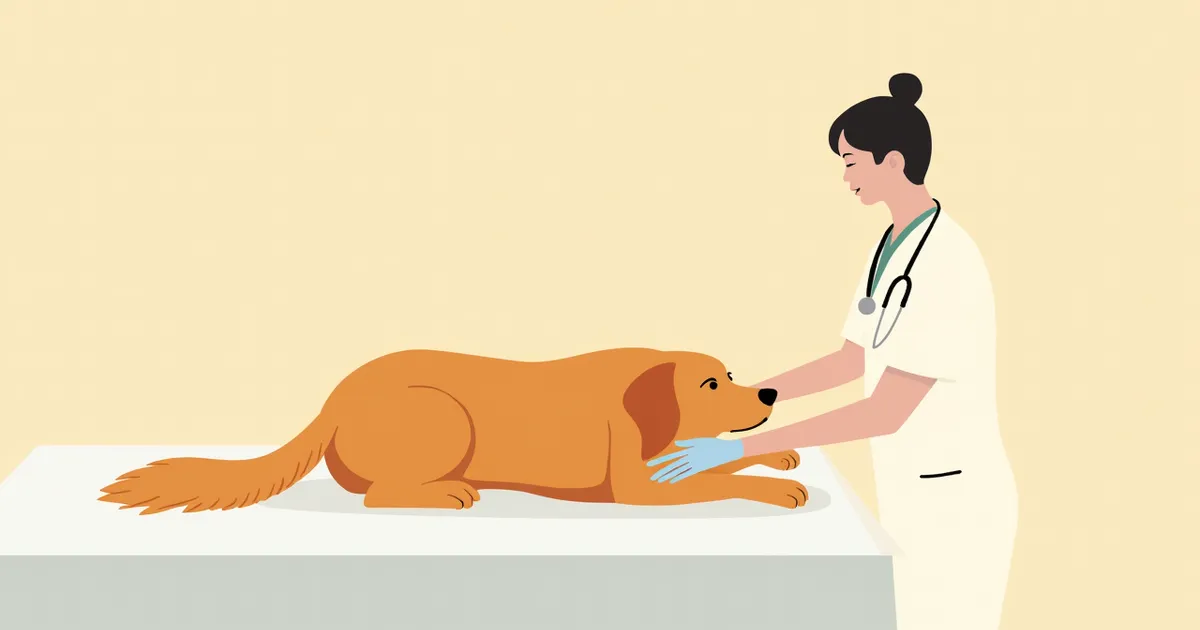
A veterinarian examining a cat's eyes at an animal hospital.

Home Care and Prevention

Alongside medical treatment, proper home care is essential.
Eye Discharge Care: Gently wipe away eye discharge using a soft gauze pad dampened with warm water. Always use a fresh gauze pad for each eye to prevent cross-contamination.
Stress Management: Since the herpesvirus can reactivate due to stress, please minimize environmental changes and provide a quiet, comfortable space for your pet.
Vaccinations: Vaccines for the herpesvirus and calicivirus are included in standard core vaccinations. While they may not completely prevent infection, they help significantly reduce the severity of symptoms.
Nutritional Care: Ensuring adequate hydration and a balanced diet supports a strong immune system.
A caregiver gently wiping away eye discharge from a cat’s eyes.

Important for Multi-Cat Households

Both chlamydia and herpesvirus spread easily among cats. If one cat is diagnosed with conjunctivitis, it’s a good idea to have any other cats living in the same household checked by a veterinarian. Keep their food and water bowls, litter boxes, and blankets separate, and always wash your hands after handling an infected cat.

Reviewed by a veterinarian

Dr. Tony — Punnawat Phongkittirak

Dr. Tony — Punnawat Phongkittirak

Veterinarian

A veterinarian who majored in veterinary medicine at Khon Kaen University, Thailand, and completed the IVSA program at North Carolina State University in the United States. Drawing on clinical experience at animal hospitals, he works in the pet healthcare field and is dedicated to building a digital care environment that connects pet parents with veterinarians.

Frequently Asked Questions

Can feline conjunctivitis be transmitted to humans?
The current veterinary textbooks do not specifically address whether the bacteria causing conjunctivitis in cats can be transmitted to humans. As a precautionary hygiene measure, it is recommended to wash your hands thoroughly after handling an infected cat.
What happens if conjunctivitis is left untreated?
If left untreated, it can lead to corneal ulcers, chronic conjunctivitis, and in severe cases, vision loss. In particular, kittens can experience rapid progression, so it's best to visit the vet as soon as symptoms appear.
Can herpesvirus conjunctivitis be cured?
Unfortunately, once a pet is infected with herpesvirus, the virus never completely leaves the body. While symptoms can be treated, the virus may reactivate during periods of stress or when the immune system is weakened, so ongoing management is essential.
Can I use human eye drops on my cat?
Absolutely not. Human eye drops may contain ingredients or concentrations that are not suitable for cats. Please use only eye drops prescribed by a veterinarian.
Can conjunctivitis be prevented from recurring?
The best way to prevent issues is to minimize stress, keep up with vaccinations, and maintain a balanced diet to support your pet’s immune system. During seasonal changes or when there are environmental shifts, please check your pet’s eyes more frequently.

Share

Related Guides

References

[1] Schaer DG, Gaschen F. Clinical Medicine of the Dog and Cat, 4th Ed. CRC Press, 2022.

[2] Esson DW, Calvarese S. Clinical Atlas of Canine and Feline Ophthalmic Disease, 2nd Ed. Wiley, 2022.

[3] Hill PB et al. 100 Top Consultations in Small Animal General Practice. Wiley-Blackwell, 2011.

[4] Englar RE. The Veterinary Workbook of Small Animal Clinical Cases. 5m Publishing, 2023.

This information is based on veterinary literature and does not replace diagnosis or treatment. Please consult a veterinarian for specific health concerns.

Metapet Co., Ltd. | CEO: Park Sung-yong | Business Reg. No. 417-88-02562 | Seoul, South Korea | Customer Center

Feline Conjunctivitis: Causes, Symptoms & Treatment | Meongsiljang