Like
Share
멍실장
강아지 망막 박리 자주 묻는 질문 Q&A — 보호자가 꼭 알아야 할 핵심

If Your Dog Suddenly Loses Vision — Causes of Retinal Detachment and Emergency Response

Eye HealthQ&AMeongsiljang Veterinary Advisory Board

Canine retinal detachment is a serious eye condition that can lead to vision loss. Early detection and appropriate treatment are essential.

What Is Canine Retinal Detachment?

Diagram of a dog’s eye anatomy showing retinal detachment
Canine retinal detachment is a serious eye condition in which the light-sensitive neural retina separates from the underlying retinal pigment epithelium (RPE). This separation can lead to vision loss or blindness, often presenting as sudden vision impairment. Since the retina plays a crucial role in detecting light and sending signals to the brain, detachment disrupts the transmission of visual information. If left untreated, the photoreceptor cells in the retina can be rapidly damaged, making it essential to seek prompt veterinary diagnosis through methods like fundus examination and begin treatment quickly. Early detection and management significantly influence the potential for vision recovery.

What Are the Main Causes of Retinal Detachment?

The causes of retinal detachment are varied. Systemic hypertension is a common cause, along with bullous (primary) detachment, which is presumed to be immune-mediated, infectious chorioretinitis, subretinal hemorrhage, and adverse effects of certain medications (such as overdosing on phenylpropanolamine, a drug used to treat urinary incontinence). Rhegmatogenous detachment, caused by a tear in the retinal tissue, is another possibility. Certain breeds, such as German Shepherds, Australian Shepherds, Labrador Retrievers, and Shih Tzus, have a higher genetic risk. Chronic diseases can affect the blood vessels in the retina, leading to hemorrhage or leakage, which may result in detachment. Accurately identifying the underlying cause is essential for determining the appropriate treatment plan.
An illustration explaining retinal tears and fluid leakage, which cause retinal detachment.

What Are the Main Symptoms of Retinal Detachment?

The hallmark signs of retinal detachment in dogs are sudden vision loss (acute blindness) and bilaterally dilated pupils that respond poorly to light. As vision declines, you may notice your dog stumbling in the dark or bumping into objects more frequently, along with cloudy-looking eyes or unusual behavior. When the retina detaches, the retinal blood vessels are displaced forward, making changes visible on the eye’s surface. If you observe these symptoms, seek veterinary care immediately. Prolonged detachment leads to rapid damage of the retina’s photoreceptors, making recovery difficult, so careful monitoring is essential.
A photo depicting the behavior of a puppy with deteriorated vision due to retinal detachment.

Signs That Require an Immediate Vet Visit

If your dog suddenly struggles to see, has both pupils widely dilated and unresponsive to light, or frequently bumps into things and wanders in the dark, you should visit a vet immediately. Vision loss and retinal damage caused by retinal detachment can progress rapidly, so delaying treatment may make recovery difficult.

How Is Retinal Detachment Diagnosed?
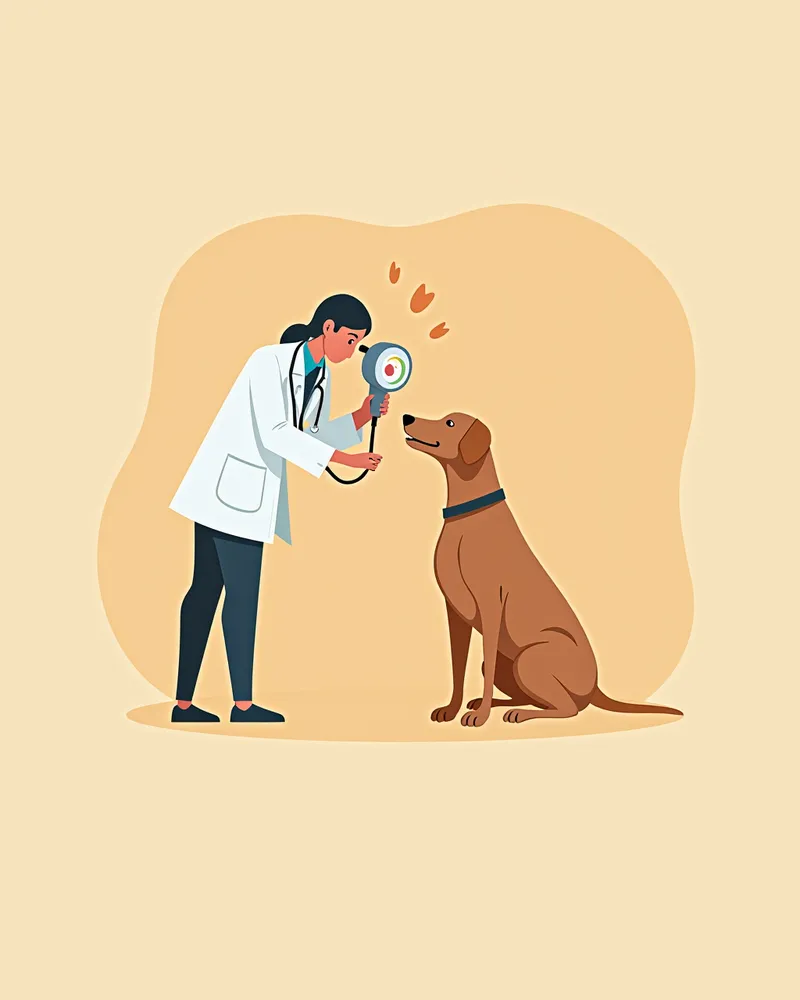
Retinal detachment is diagnosed through a fundoscopic examination, which allows direct visualization of the retina inside the eye. This test helps determine the extent and location of the retinal separation. If necessary, B-mode ultrasonography can be used to further assess the internal structures of the eye. Additionally, complete blood counts (CBC), serum chemistry panels, infectious antibody testing, and systemic blood pressure measurements are often performed to identify underlying conditions such as hypertension or infection. An accurate diagnosis forms the foundation for developing an effective treatment plan, making a veterinarian’s professional evaluation essential.
A veterinarian examines a dog's eyes using an ophthalmoscope.

What Are the Treatment Options for Retinal Detachment?

Retinal detachment treatment varies depending on the type and underlying cause. Rhegmatogenous detachment, caused by a tear in the retina, rarely resolves with medication alone and typically requires surgery. Small tears may be treated with transscleral laser retinopexy, while more extensive cases often require retinal reattachment surgery, such as vitrectomy with silicone oil tamponade. In contrast, bullous detachment, which is suspected to be immune-mediated, generally responds well to medical therapy, such as systemic corticosteroids. If hypertension is the underlying cause, controlling blood pressure with medications like amlodipine can sometimes allow the retina to reattach. The success of treatment is closely linked to early detection and timely intervention. After treatment, regular follow-up examinations and close cooperation from the pet owner are essential.
A medical illustration depicting a dog undergoing surgery for retinal detachment.

Home Care Points

After retinal detachment, it is important to limit your pet's activity and prevent them from touching or scratching their eyes. Administer any medications prescribed by your veterinarian exactly as directed, ensuring no doses are missed. Regular follow-up examinations are essential, and maintaining a quiet, stable environment is crucial. To minimize stress, keep to a consistent daily routine and avoid exposing your pet to bright lights or other ocular irritants. Your careful observation and attentive care will greatly support their recovery.
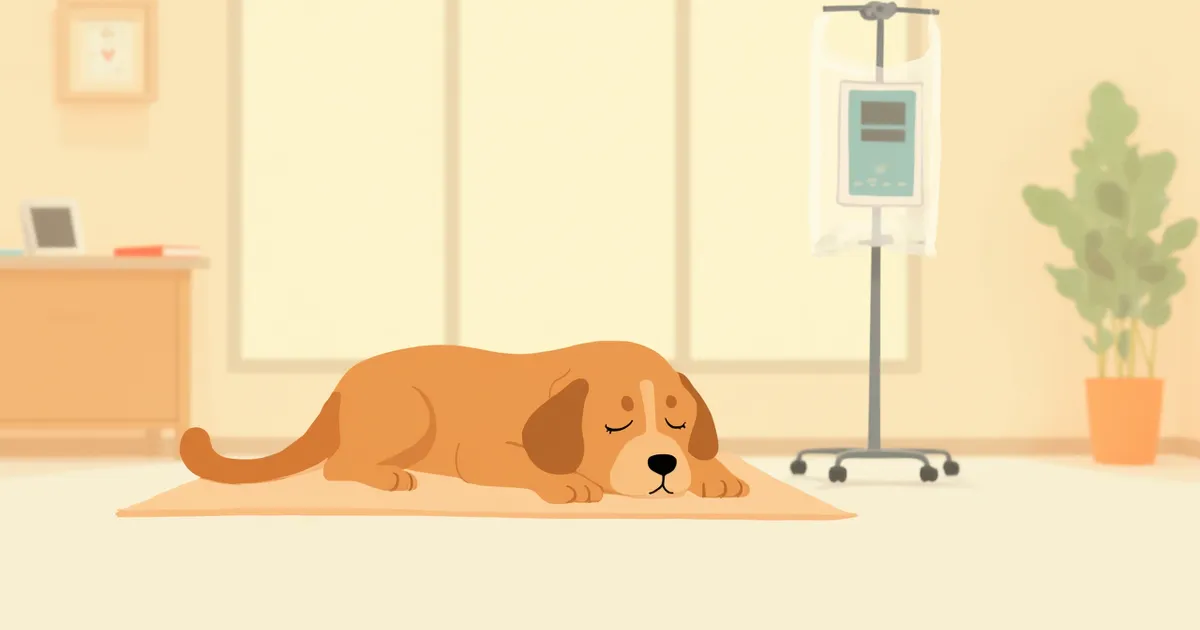
A puppy recovering from retinal detachment rests comfortably.

Comparison of Retinal Detachment Treatments

ItemSurgeryLaser TherapyMedical Therapy
When AppliedExtensive detachment such as rhegmatogenousSmall tears / early stageWhen an underlying condition such as bullous detachment or hypertension is present
Degree of EffectivenessHighEffective for limited lesionsHigh when an underlying disease is present
Possibility of Side EffectsSurgical risks presentModerateVaries by drug (e.g., lethargy, gastrointestinal upset, impaired kidney function)
Cost LevelHighModerateLow

Treatment methods vary depending on the patient's condition and underlying cause, so decide after consulting your veterinarian.

Reviewed by a veterinarian

Dr. Tony — Punnawat Phongkittirak

Dr. Tony — Punnawat Phongkittirak

Veterinarian

A veterinarian who majored in veterinary medicine at Khon Kaen University, Thailand, and completed the IVSA program at North Carolina State University in the United States. Drawing on clinical experience at animal hospitals, he works in the pet healthcare field and is dedicated to building a digital care environment that connects pet parents with veterinarians.

Frequently Asked Questions

Can retinal detachment be completely cured?
With early detection and appropriate treatment, recovery is possible. However, in some cases, vision may not fully return.
Which breeds are more prone to retinal detachment?
It is more commonly seen in breeds with a genetic predisposition, such as German Shepherds, Australian Shepherds, Labrador Retrievers, and Shih Tzus.
Can my dog regain its vision after retinal detachment?
If surgery or treatment of the underlying cause is successful, vision recovery is possible. However, depending on the extent of the damage, complete recovery may be difficult.
Can retinal detachment be prevented?
Breeds with a genetic predisposition can benefit from early detection through screening. Managing underlying conditions such as hypertension and undergoing regular check-ups are key to prevention.
Does retinal detachment always require surgery?
Surgical intervention is recommended for rhegmatogenous retinal detachment, whereas immune-mediated bullous detachment and hypertensive detachment may respond to medical treatments such as corticosteroids and blood pressure control. A veterinarian’s assessment based on the specific type of detachment is crucial.

Share

Related Guides

References

[1] Esson DW, Calvarese S. Clinical Atlas of Canine and Feline Ophthalmic Disease, 2nd Ed. Wiley, 2022.

[2] Gelatt KN. Veterinary Ophthalmology. Blackwell Publishing, 2007.

[3] Plumb DC. Plumb's Veterinary Drug Handbook. 9th ed. Wiley, 2022.

This information is based on veterinary literature and does not replace diagnosis or treatment. Please consult a veterinarian for specific health concerns.

Metapet Co., Ltd. | CEO: Park Sung-yong | Business Reg. No. 417-88-02562 | Seoul, South Korea | Customer Center

Sudden Vision Loss in Dogs: Retinal Detachment Causes & Care | Meongsiljang