
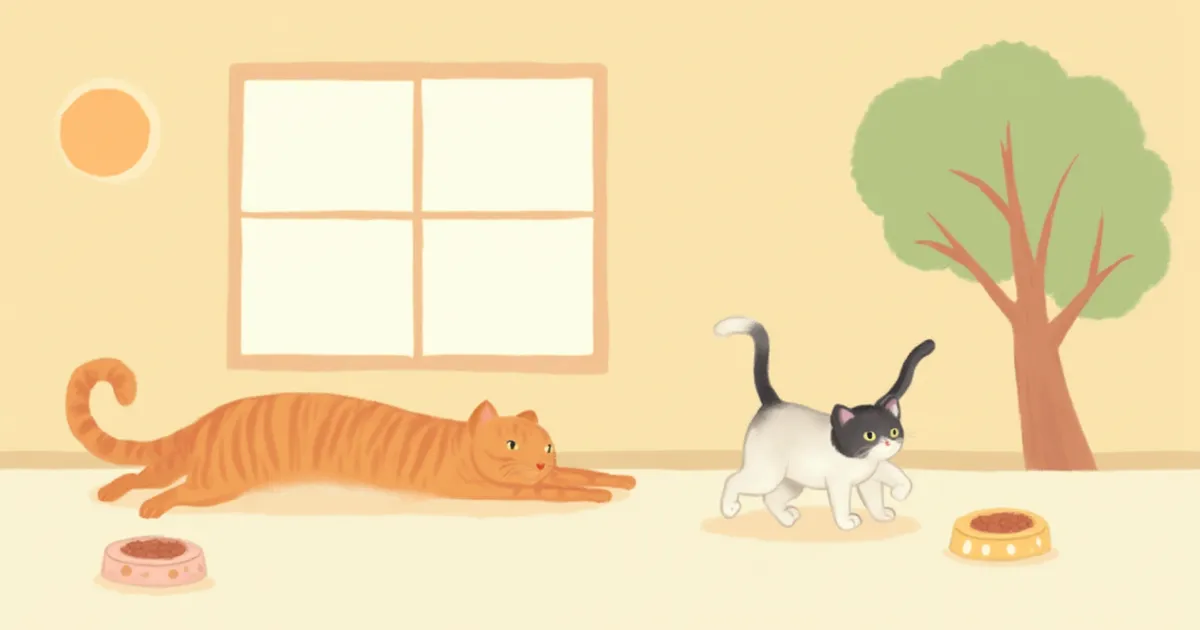
Complete Guide to Dietary Differences Between Indoor and Outdoor Cats
Indoor and outdoor cats differ in their activity levels, energy expenditure, and nutritional requirements, so feeding them the same food can lead to obesity or nutritional imbalances. We’ve put together a guide to help you choose the right food for your cat’s lifestyle.
What Are the Dietary Differences Between Indoor and Outdoor Cats?
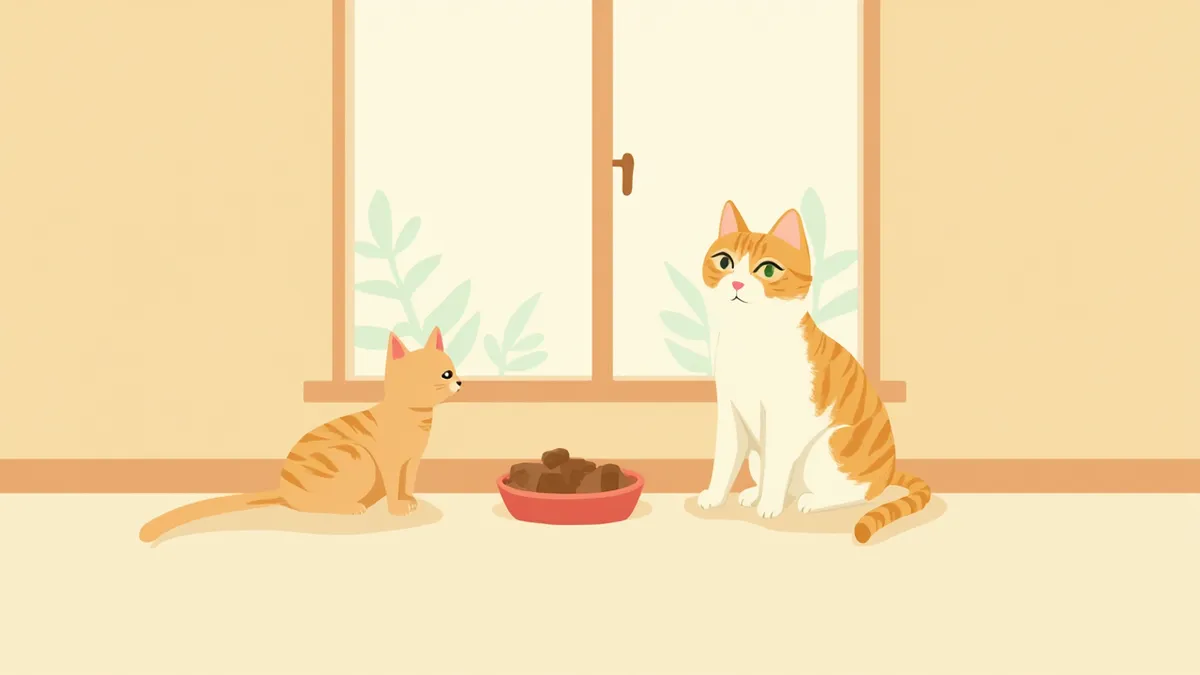
Why Should Diets Be Different?
Comparison of Nutritional Requirements: Indoor vs. Outdoor Cats
| Item | Indoor Cat | Outdoor Cat |
|---|---|---|
| Daily Calories (per 1 kg body weight) | Toward the lower end of the approx. 31–39 kcal range | Toward the higher end of the approx. 31–39 kcal range |
| Protein | Sufficient high protein (carnivore characteristics) | Sufficient high protein (considering activity level) |
| Fat/Energy | Appropriate (focused on weight management) | Considering energy expenditure |
| Dietary Fiber | High (hairball management) | Normal |
| Hydration | Wet food combination recommended | Natural water intake possible |
| Calcium/Taurine | Standard | Standard (considering activity level) |
Referenced from NRC feline nutrient requirements and daily maintenance energy requirement (approx. 31–39 kcal/kg) data
Key Points for Indoor Cat Food

When to Consult a Veterinarian
There are warning signs that won’t resolve simply by switching food. If your cat’s weight steadily increases or decreases for over a month, if vomiting or diarrhea persists for more than three days, if water consumption suddenly doubles, or if the coat loses its luster and becomes severely flaky, a health checkup should come before changing food. Especially in cats aged seven and older, kidney or thyroid disease may be lurking, so avoid switching food on your own without professional guidance.
Key Points for Outdoor Cat Food

How to Manage Water Intake
Rules to Follow When Switching Food
When switching to a new diet due to a change in your pet’s living environment, gradually mix the old and new food over 7–10 days. For days 1–3, use 75% old food and 25% new food; for days 4–6, use a 50:50 mix; for days 7–9, use 25% old food and 75% new food; and from day 10 onward, feed 100% new food. A sudden change can cause gastrointestinal stress, leading to vomiting or diarrhea. This is especially important when transitioning an indoor cat to outdoor access or bringing an outdoor cat indoors, as environmental stress compounds the adjustment. In these cases, proceed even more slowly.
How to Feed Semi-Indoor (Hybrid) Cats?
Reviewed by a veterinarian

Dr. Tony — Punnawat Phongkittirak
VeterinarianA veterinarian who majored in veterinary medicine at Khon Kaen University, Thailand, and completed the IVSA program at North Carolina State University in the United States. Drawing on clinical experience at animal hospitals, he works in the pet healthcare field and is dedicated to building a digital care environment that connects pet parents with veterinarians.
Reviewed 2026-04-27
Frequently Asked Questions
My cat is an indoor cat. Is it okay to feed them regular cat food?
Can I feed my outdoor cat a diet food?
Is it a problem if I only feed my indoor cat wet food?
Is it okay for my outdoor cat to eat grass outside?
Can I feed my cat both indoor and outdoor cat food?
Share
Related Guides
My Senior Cat Won’t Eat — A Complete Guide to Choosing Food for Cats with Weak Digestion
Top 5 Prescription Diets for Feline Pancreatitis Recommended by Veterinarians — Low-Fat, Highly Digestible Food Guide

Royal Canin vs Hill’s vs Purina vs Orijen — Which Brand Is Right for Your Pet, According to Veterinarians?

Frequently Asked Questions About Preventive Dental Treats and Chews for Cats — Key Points Every Owner Should Know

Frequently Asked Questions on Preventing Feline Tartar and Plaque — Key Information Every Pet Owner Should Know

Feline Oral Abscess & Root Abscess FAQ — Key Information Every Pet Owner Should Know

Frequently Asked Questions About Cleft Palate in Cats — Key Information for Pet Owners

Cat Teeth Grinding (Bruxism) FAQ — Key Information Every Pet Owner Should Know
Is Feline Anesthetic Dentistry Really Safe? — Key Safety Q&A Answered by a Veterinarian
Frequently Asked Questions About Canine Tumor Immunotherapy — Key Information for Pet Owners
References
[1] Fascetti AJ, Delaney SJ, Applied Veterinary Clinical Nutrition, 2nd Ed, Chapter 8: Commercial and Home-Prepared Diets
[2] Clinical Medicine of the Dog and Cat, 4th Ed, Section V: Elements of Therapy
[3] AAFCO Cat Food Nutrient Profiles, 2023