Like
Share
멍실장
고양이 갑상선기능항진증 약물 치료 자주 묻는 질문 Q&A — 보호자가 꼭 알아야 할 핵심

Do Cats Need to Take Thyroid Medication for Life? — Drug Therapy Efficacy and Side Effects

EndocrineQ&AMeongsiljang Veterinary Advisory Board

Here’s a summary of the essential information pet owners need to know about medication for feline hyperthyroidism. Check out everything from medication selection to side effects and management tips.

What Is Drug Therapy for Feline Hyperthyroidism?
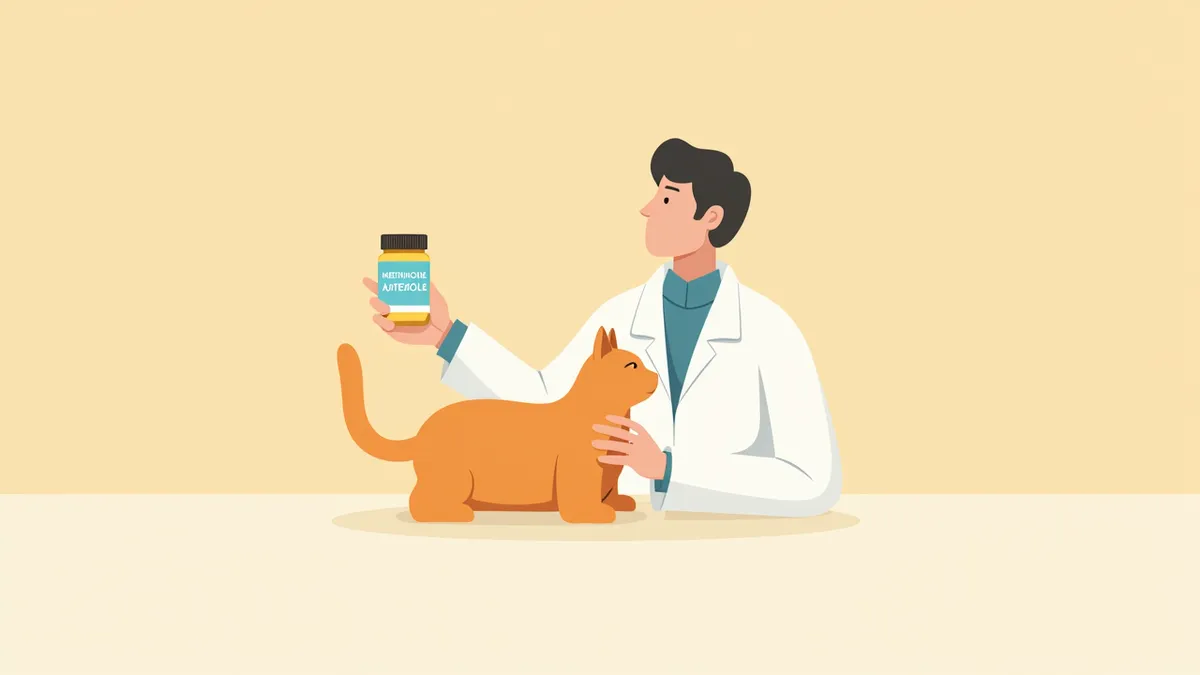
A veterinarian holding a bottle of Methimazole, with a cat looking on from the side.
Medication for feline hyperthyroidism involves using drugs like methimazole or carbimazole to regulate the excessive hormone levels produced by the thyroid gland. This treatment is less burdensome than surgery or radioactive iodine therapy and can be started non-invasively. - Medication Selection: The veterinarian will prescribe a tailored treatment plan based on your cat’s weight, overall health, and blood test results. - Duration of Treatment: Long-term, consistent administration is required, as symptoms may recur if the medication is discontinued. - Monitoring Required: Regular blood tests are necessary to monitor thyroid hormone levels, liver function, and overall blood health. - Treatment Goals: The aim is to alleviate symptoms, improve quality of life, and help prevent complications such as heart issues or weight loss.

What Are the Main Goals of Drug Therapy?
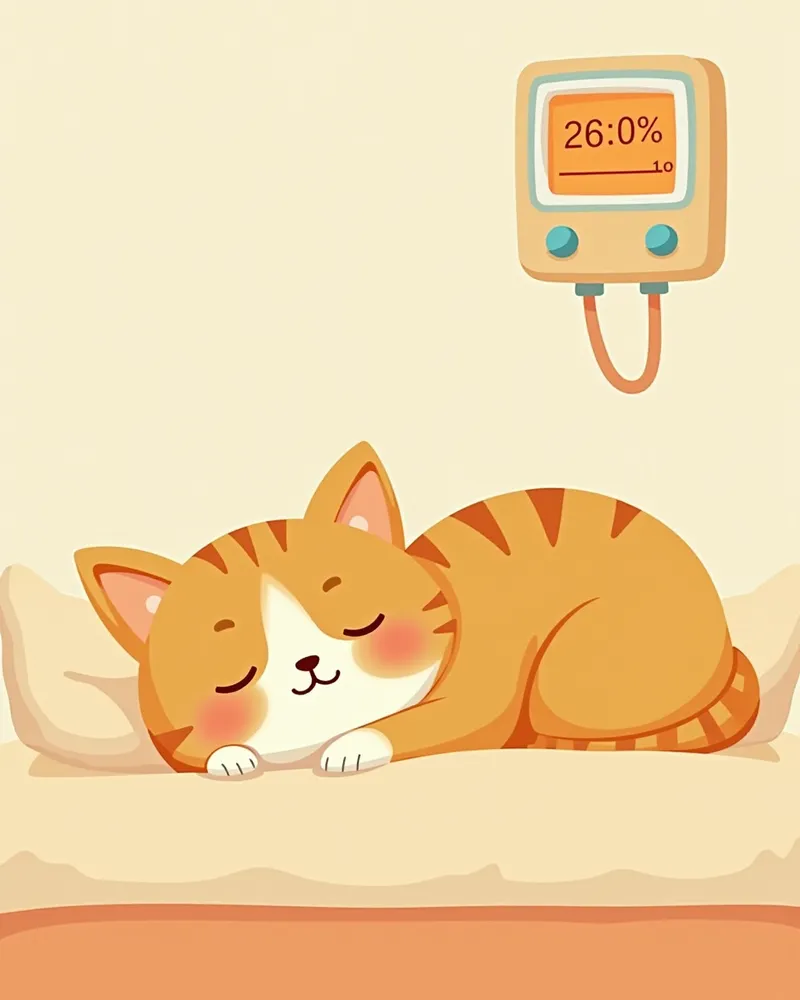
The primary goal of medication is to stabilize thyroid hormone levels within the normal range. - Hormone Regulation: Suppresses excessive hormone production to restore balance in the body. - Symptom Relief: Improves key symptoms such as rapid heartbeat, anxiety, and weight loss. - Cardiac Protection: Reduces heart rate to lessen the burden on the heart. - Complication Prevention: Helps prevent serious issues like high blood pressure or heart failure. - Enhanced Quality of Life: Supports the return of energy and helps maintain a calm, stable state. - Ongoing Management Required: Medication is not a cure but a long-term management tool. Regular blood tests are essential to monitor effectiveness and check for side effects.
A cat resting comfortably, with a thyroid level monitor beside it.

What Are the Main Medications Used?

The most widely used medications for treating feline hyperthyroidism are methimazole and carbimazole. - Methimazole: Commonly used both domestically and internationally, it inhibits thyroid peroxidase to block the production of thyroid hormones. Thyroid hormone levels typically stabilize within the normal range within 2 to 3 weeks after starting treatment. - Carbimazole: This medication is rapidly converted into methimazole in the body after administration. In other words, the active ingredient that produces the therapeutic effect is methimazole, so the two drugs are essentially identical in their mechanism of action. - Administration: To minimize side effects, treatment usually begins with a low dose. Your veterinarian will adjust the dosage based on your cat’s weight and condition, and divided dosing may be necessary in some cases. - Drug Response: Since individual responses vary, blood tests are required in the early stages to confirm the medication’s effectiveness. - Criteria for Drug Selection: The choice of medication is determined by comprehensively evaluating thyroid function, liver function, and blood status.
Two medications, methimazole and carbimazole, are placed on a white background.

Methimazole vs Carbimazole: Key Comparison

ItemMethimazoleCarbimazole
Mechanism of actionInhibits thyroid peroxidase to block hormone synthesisConverted to methimazole in the body, then blocks hormone synthesis
Dosing frequency1–2 times a dayOnce a day (sustained-release)
Side effectsBlood abnormalities such as neutropenia and thrombocytopenia (3–9%), liver enzyme abnormalities (about 2%), and facial/neck skin lesions (2–3%) have been reportedSince it is converted to methimazole, similar side effects are possible, and rarely life-threatening blood abnormalities have also been reported
Cautions with long-term useThere are reports that long-term use of 4 years or more increases the risk of developing thyroid cancerSince it is converted to methimazole, the same long-term risk cannot be ruled out

The veterinarian selects the medication by comprehensively considering the patient's thyroid, liver, and blood status, and both drugs require regular blood tests.

What Should You Watch Out for When Administering Medication?
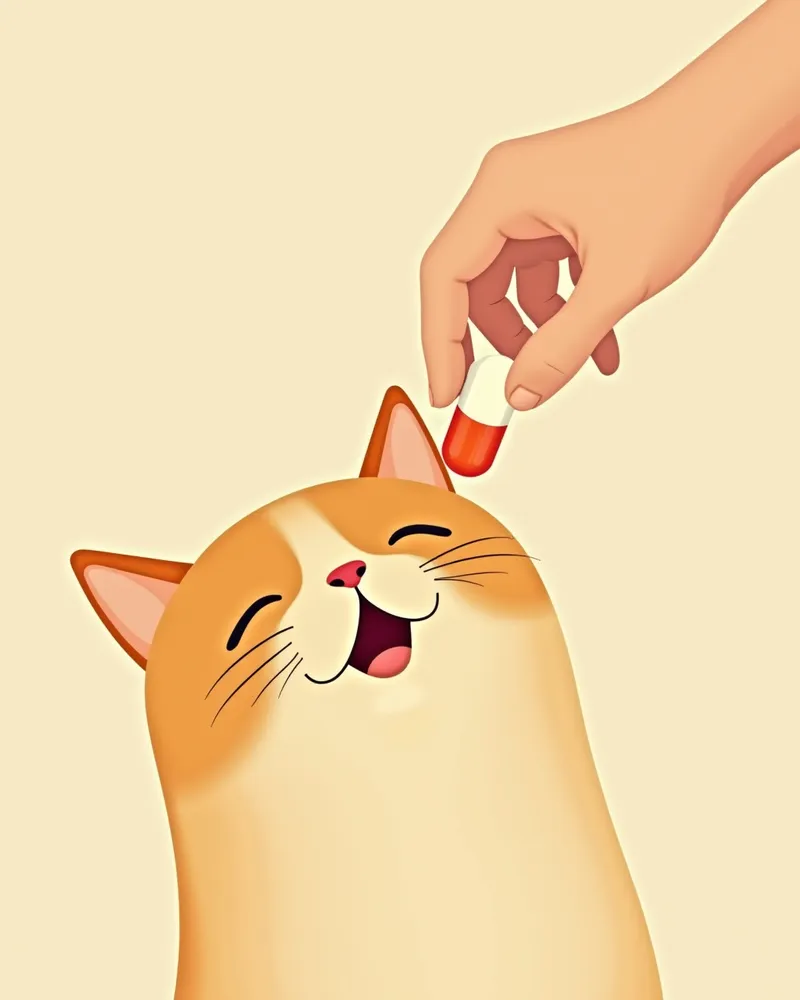
While your cat is on medication, closely monitor any changes in appetite, weight, and activity level. - Medication Timing: Administer the medication daily at the prescribed time. Do not discontinue or adjust the dosage without veterinary guidance. This medication typically requires consistent, lifelong daily administration. - Consistent Administration: The medication only regulates thyroid hormone levels while it is being administered, so it is crucial to give it regularly without missing doses. - Warning Signs of Side Effects: Contact your veterinarian immediately if you notice a sudden loss of appetite, vomiting, skin lesions on the face or neck, or abnormalities in blood test results. - Regular Monitoring: One month after starting treatment, have your cat’s thyroid hormone levels (TT4), complete blood count, biochemistry profile, and urinalysis checked. Thereafter, monitoring is recommended every 4 to 6 months. - Do Not Discontinue Medication: Stopping the medication can cause thyroid hormone levels to rise again, leading to a recurrence of symptoms. Never discontinue the medication without your veterinarian’s instruction.
A hand gently placing medicine into a cat's mouth, with a soft and caring demeanor.

Visit the Hospital Immediately If Severe Side Effects Occur

If blood tests show a decrease in white blood cells, a decrease in platelets, or abnormal liver function, stop the medication immediately and visit the hospital. This can be a serious side effect that may threaten your pet's life. Since these issues often occur within the first 1 to 3 months, regular check-ups are essential.

What Are the Advantages and Disadvantages of Drug Therapy?

The main advantages are that it’s non-invasive and places less initial burden on the pet compared to surgery or radioactive iodine therapy. - Relatively quick results: In many cases, thyroid levels stabilize and symptoms improve within 2 to 3 weeks of starting medication. - Treatment flexibility: Dosages can be adjusted to suit the individual pet’s condition, allowing for easy customization. However, the drawbacks are that long-term administration is required and side effects may occur. - Potential side effects: Possible adverse reactions include blood abnormalities such as neutropenia and thrombocytopenia, elevated liver enzymes, and skin reactions. - Not a cure: Medication only manages symptoms rather than eliminating the underlying cause, so ongoing care is necessary. If you’re seeking a treatment closer to a cure, consider radioactive iodine therapy or surgery.
A dual image illustrating the advantages and disadvantages of drug therapy

Reviewed by a veterinarian

Dr. Tony — Punnawat Phongkittirak

Dr. Tony — Punnawat Phongkittirak

Veterinarian

A veterinarian who majored in veterinary medicine at Khon Kaen University, Thailand, and completed the IVSA program at North Carolina State University in the United States. Drawing on clinical experience at animal hospitals, he works in the pet healthcare field and is dedicated to building a digital care environment that connects pet parents with veterinarians.

Frequently Asked Questions

Will medication cure the condition completely?
No, medication is a management treatment that helps control symptoms. Surgery or radioactive iodine therapy are closer to curative options.
Will the symptoms return if I stop giving the medication?
Yes, stopping the medication can cause thyroid hormone levels to rise again and symptoms to recur. Ongoing management is essential.
Which is better, methimazole or carbimazole?
It depends on the patient’s condition. Carbimazole is converted to methimazole in the body, so the two drugs have essentially similar effects and side effects. The choice of medication is made by the veterinarian based on the thyroid, liver, and blood status.
Can my pet take other medications while on this drug?
Please be sure to inform your veterinarian about any medications your pet is currently taking or has recently started. Your vet needs to evaluate potential drug interactions and side effects before making a decision.
How long after starting the medication should I expect to see results?
Typically, within two to three weeks, thyroid hormone levels stabilize, leading to improvements such as increased appetite, weight gain, and higher activity levels. Blood tests are necessary to confirm the exact levels.

Share

Related Guides

References

[1] Peterson ME, Kintzer PP, Hurvitz AI. Methimazole treatment of 262 cats with hyperthyroidism. J Vet Intern Med. 1988;2:150.

[2] Fox P, Peterson M, Broussard J. Electrocardiographic and radiographic changes in cats with hyperthyroidism: comparison of populations evaluated during 1992-1993 vs. 1979-1982. J Am Anim Hosp Assoc. 1998;35:27.

[3] Hill P, Warman S, Shawcross G. 100 Top Consultations in Small Animal General Practice. Blackwell Publishing Ltd, 2011.

This information is based on veterinary literature and does not replace diagnosis or treatment. Please consult a veterinarian for specific health concerns.

Metapet Co., Ltd. | CEO: Park Sung-yong | Business Reg. No. 417-88-02562 | Seoul, South Korea | Customer Center

Do Cats Need Thyroid Meds for Life? Efficacy & Side Effects | Meongsiljang