

Dog Dry vs Wet vs Raw Food Selection FAQ — Key Points Owners Must Know
If you're wondering whether dry, wet, or raw food is best for your dog, here’s everything you need to know about nutrition balance, digestive health, and potential risks—all in one place.
Dog Dry vs Wet vs Raw Food: Which Is Best?

Key Features and Differences by Diet Type
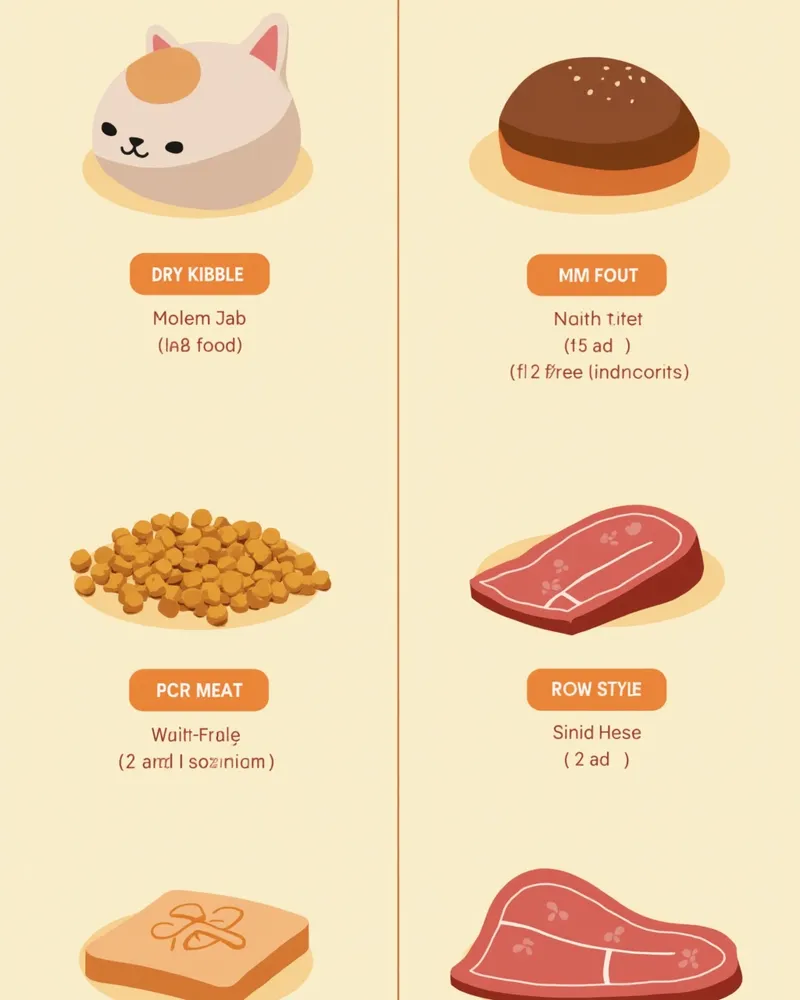
Key Factors to Consider When Choosing Dry, Wet, or Raw Food
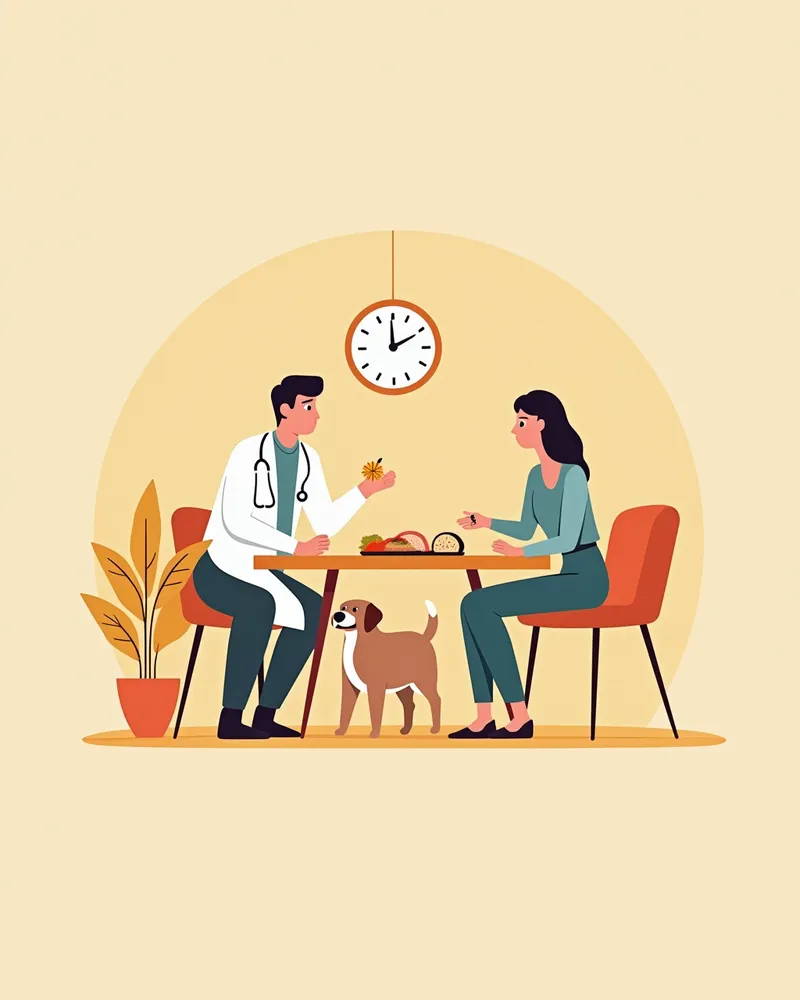
Comparison Table: Dry vs Wet vs Raw Food
| Item | Dry | Wet | Raw |
|---|---|---|---|
| Moisture content | Low (6–10%) | High (70–80%) | High (meat-based, varies by product) |
| Ease of storage | Very easy | Moderate (refrigerate after opening) | Very difficult (refrigeration/freezing required) |
| Dental health | Good (encourages chewing) | Moderate | Moderate |
| Risk factors | Possible nutritional imbalance | Risk of spoilage | Risk of microbial contamination |
Raw diets carry a high risk of microbial contamination, and caution is especially needed for young puppies and dogs with weak immunity.
Risks You Must Know When Feeding a Raw Diet
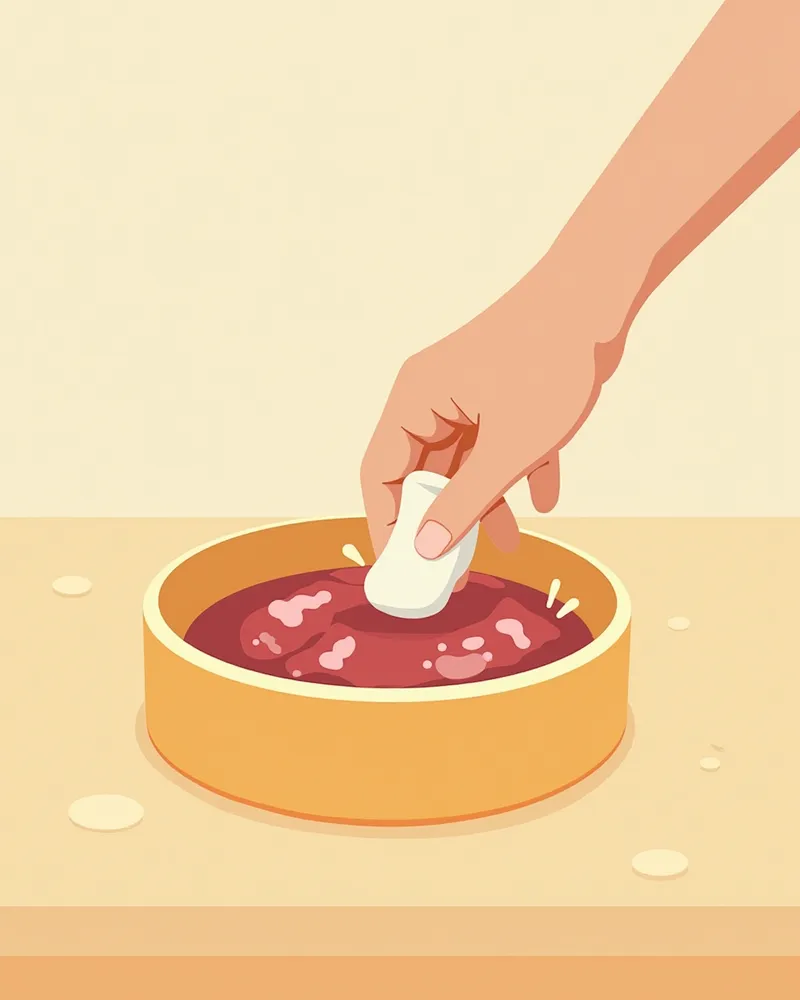
Criteria for Immediate Vet Visit When Feeding a Raw Diet
If your dog shows symptoms such as diarrhea, vomiting, loss of appetite, or fever after eating raw meat, take them to the vet immediately. Puppies and senior dogs, whose immune systems are weaker, are at higher risk of serious complications from microbial infections. Always maintain strict hygiene when storing and preparing raw meat, and avoid products with a high risk of contamination.
Recommended Care Tips Based on Food Choice
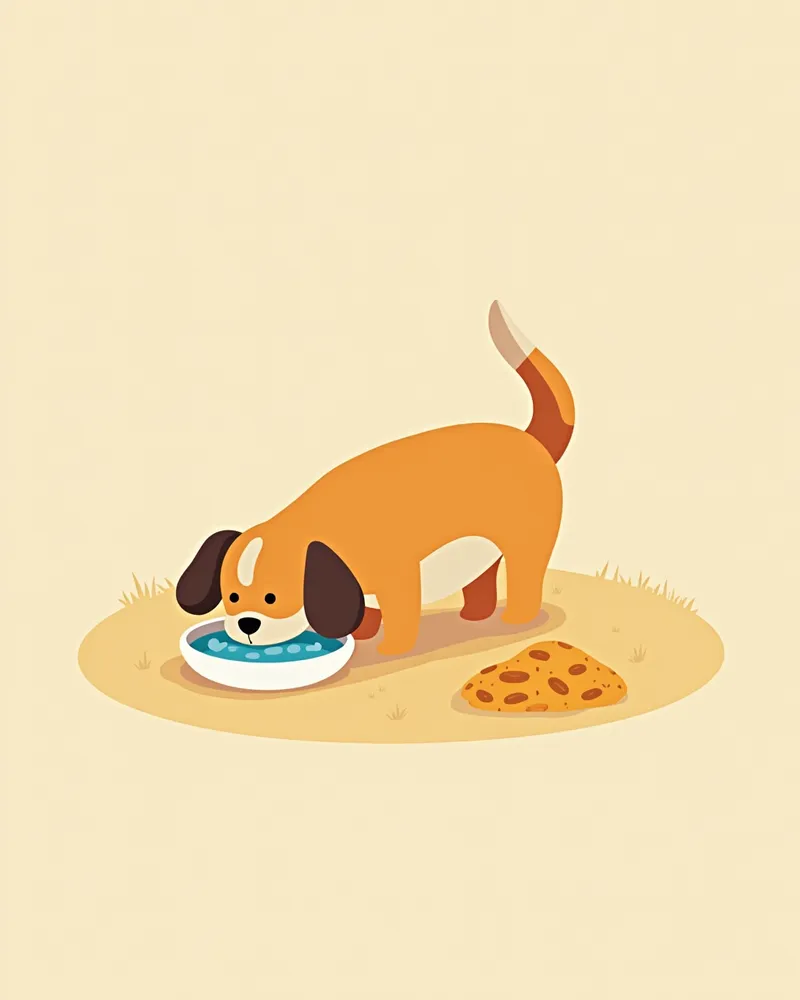
Because raw diets carry a high risk of microbial contamination and nutritional imbalances when prepared at home, they should never be introduced without guidance from a veterinarian or a qualified pet nutritionist. Raw feeding should be avoided entirely for puppies, pregnant dogs, and dogs with compromised immune systems. If you do feed raw, the food must be kept refrigerated, thoroughly washed before preparation, and any leftovers discarded immediately after your dog has eaten. While raw diets are typically meat-based and high in moisture, which can help with hydration, the exact water content varies by product, so strict attention to hygiene during storage and preparation is essential.
Reviewed by a veterinarian

Dr. Tony — Punnawat Phongkittirak
VeterinarianA veterinarian who majored in veterinary medicine at Khon Kaen University, Thailand, and completed the IVSA program at North Carolina State University in the United States. Drawing on clinical experience at animal hospitals, he works in the pet healthcare field and is dedicated to building a digital care environment that connects pet parents with veterinarians.
Reviewed 2026-06-29
Frequently Asked Questions
Is raw food healthier for puppies?
Is wet food better than dry food?
Can I prepare homemade raw food for my pet?
What should I do if my dog eats raw meat and then gets diarrhea?
Is it okay to mix dry and wet food when feeding my pet?
Share
Related Guides

Top Recommendations and Selection Criteria for Cat FIV and FeLV Testing
Top Microchip Implantation Management Recommendations for Dogs and Key Selection Criteria

Complete Guide to Choosing, Comparing, and Managing the Best Heartworm Preventives for Dogs

Canine Glomerulonephritis: Is Proteinuria the First Sign? — A Complete Guide to Symptoms, Treatment, and Prognosis

What is CKD palliative care for dogs? — How to maintain quality of life in the end stages
Will My Dog’s Kidney Disease Get Worse? — CKD Progression Monitoring Indicators and Testing Timing

What is Pyelonephritis in Dogs? — Bacterial Kidney Infection and Its Symptoms

My Dog Suddenly Stopped Urinating — Acute Kidney Injury (AKI) Q&A

What Are ACE Inhibitors and ARBs for Dogs? — Kidney Protection: What You Need to Know

What is a cat kidney ultrasound? — When and why is it needed?
References
[1] Freeman LM, Chandler ML, Hamper BA et al. (2013) Current knowledge about the risks and benefits of raw meat-based diets for dogs. Journal of the American Veterinary Medical Association, 242(1), 102-110.
[2] Morelli G, Catellani P, Miotti Scapin R et al. (2020) Evaluation of microbial contamination and effects of storage in raw meat-based dog foods purchased online. Journal of Animal Physiology and Animal Nutrition, 104(4), 690-697.
[3] The Dog Care Handbook, Things I Wish My Vet Had Told Me (2024). Chapter 5: Feeding Your Dog – What’s Safe and What’s Not.