Like
Share
멍실장
강아지가 다리로 가리키는 이유

Why Your Dog Points with Its Paw

ImmunityQ&AMeongsiljang Veterinary Advisory Board

I’ll explain what it means when your dog lifts a front paw and points in a specific direction, and how to tell whether this pointing behavior is normal or a sign of a health issue.

What Does It Mean When a Dog Points with Its Leg?
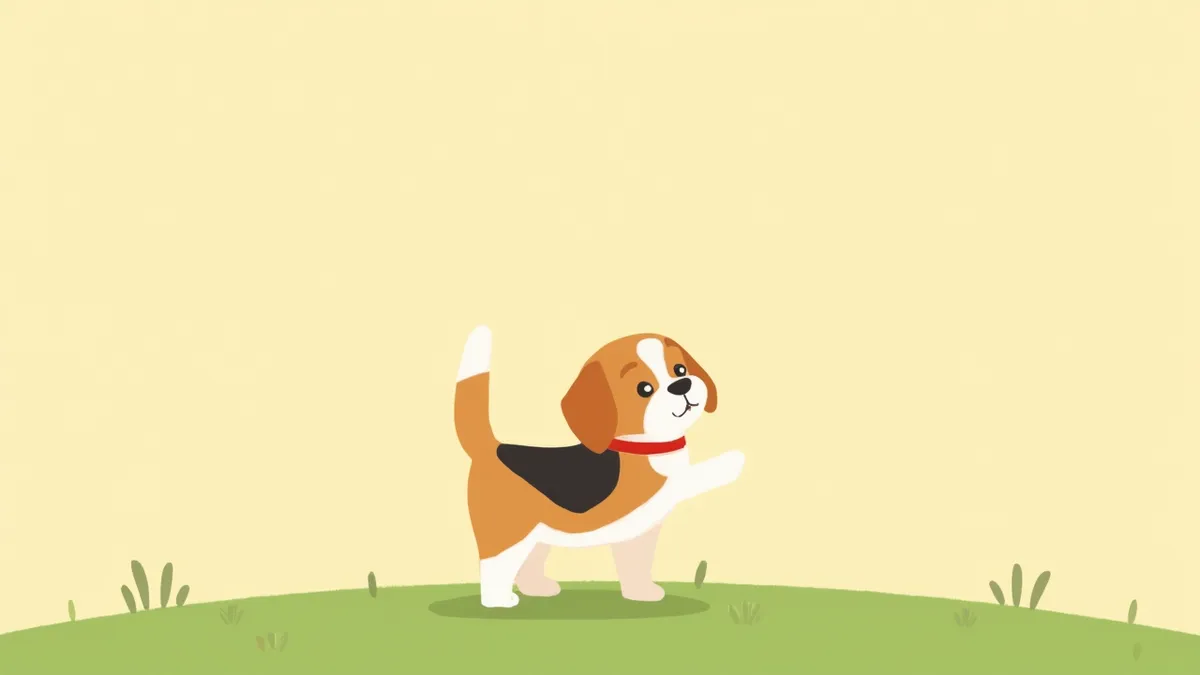
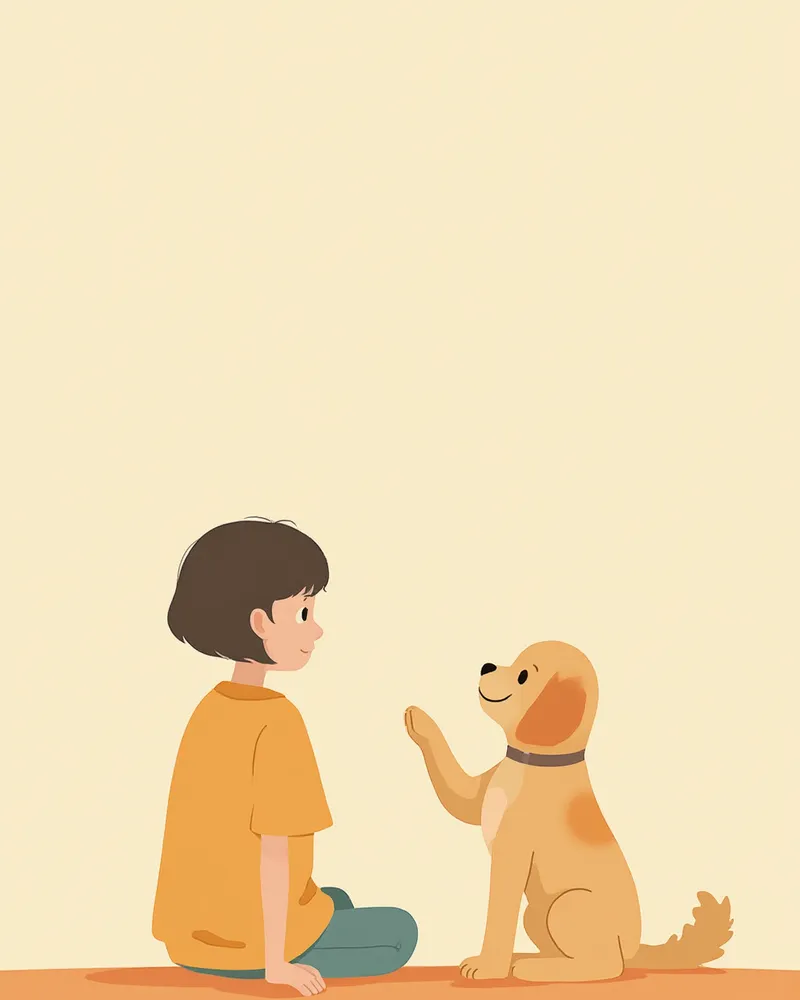
A dog holding up its front paw and striking a pointing pose
When a dog holds one front paw raised and stands still facing a particular direction or object, it’s called “pointing.” What truly matters is when this behavior occurs and how long it lasts. While it can be a natural instinct—like the pointing seen in hunting breeds—it may also signal an attempt to mask pain or joint issues in the front leg. Dogs in pain often shift their weight away from the affected leg while walking or subtly adjust their center of gravity when standing. If the paw is only briefly lifted and the dog walks normally afterward, it’s usually nothing to worry about. However, if the posture persists for an extended period or is accompanied by limping or signs of pain, it could indicate an orthopedic issue, and a veterinary visit is recommended.

Why Do Dogs Lift Their Front Paws?

Lifting a leg typically occurs in three main contexts. First, it can be an innate behavior: in hunting breeds, dogs may quietly freeze and lift a front paw when they detect a moving target. Second, it can signal concentration: when investigating unfamiliar sounds or smells, dogs may tense their bodies, causing their front paws to naturally lift. Third, it can indicate pain avoidance: discomfort in the front leg joints or paw pads may cause the dog to shift its weight to the opposite side, resulting in the affected leg being lifted. Textbook veterinary knowledge notes that a painful leg may exhibit subtle shifts in weight distribution and difficulty standing, so the third scenario should be regarded as an early sign of lameness and carefully evaluated.

Comparison of Pointing Tendencies by Breed

Certain breeds are genetically predisposed to exhibit strong pointing behavior. In contrast, most other dog breeds rarely point. Check the table below to see breed-specific tendencies.

Comparison of Pointing Instincts by Breed

ItemRepresentative BreedsCharacteristics
Very strongEnglish Pointer, Vizsla, German Shorthaired PointerBreeds bred as gun dogs, sensitive to movement
ModerateBeagle, Cocker Spaniel, LabradorTemporary pointing posture while tracking a scent
Almost nonePoodle, Maltese, ChihuahuaNeed to check for possible pain or anxiety when pointing

If a non-hunting dog suddenly holds a persistent pointing posture, an orthopedic examination is needed

Instinct or Pain? How to Tell the Difference
- Duration of the behavior: Instinctive behaviors typically appear briefly and resolve naturally on their own. In contrast, pain often causes your dog to maintain the same posture for an extended period. - Directionality: With instinctive behaviors, the direction of your dog’s gaze and nose aligns with the lifted paw. With pain, your dog may keep one paw lifted or favor that leg regardless of where they are looking. - Weight distribution: When acting on instinct, your dog remains in a stance ready to run at any moment. When in pain, they will shift less weight onto the affected leg while walking and subtly adjust their center of gravity even when standing still. - Accompanying symptoms: Licking, limping, or showing discomfort when touched are signs of pain. Since many dogs naturally dislike having their paws handled, please check gently and carefully.
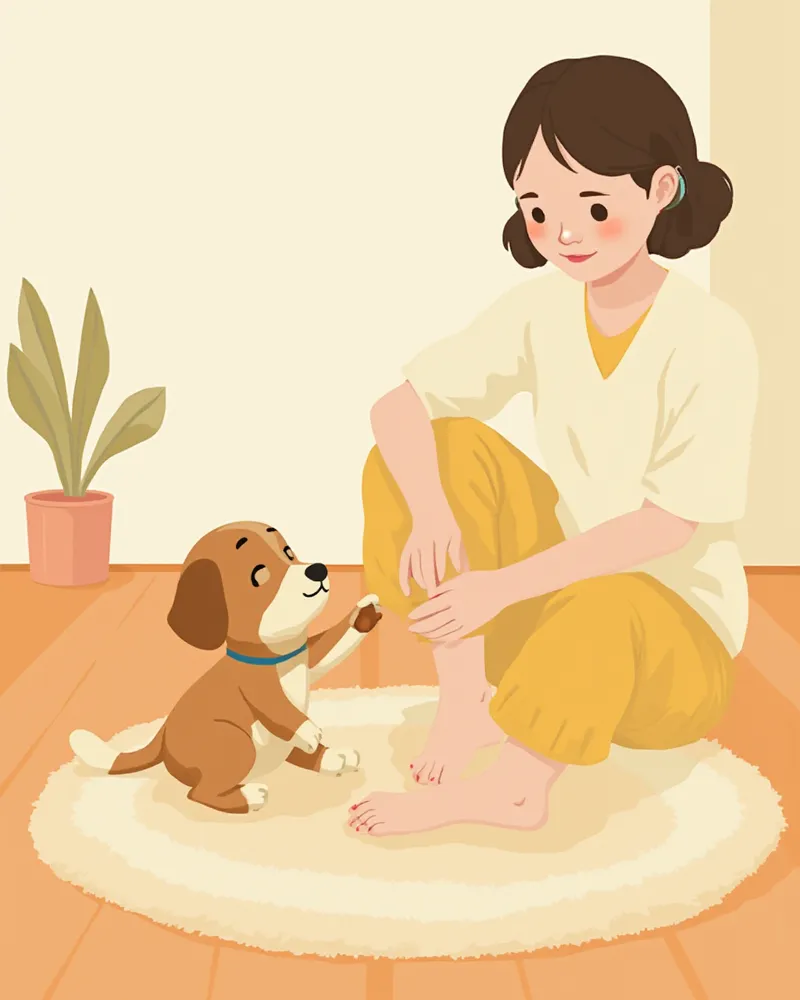
A guardian examining a puppy with its front paw raised.

When to Seek Veterinary Care Immediately

If any of the following signs are present, seek veterinary care within 24 hours: lifting the front paw for more than 10 minutes, limping or being unable to bear weight when walking, whining or attempting to bite when the paw is touched, swelling and warmth in the paw pad or toes, or decreased appetite and lethargy. Front-limb lameness can result from various causes, including elbow dysplasia, arthritis, or foreign body impaction, so imaging diagnostics are necessary.

Observation Points You Can Check at Home
- Check the paw pads: In good light, look for thorns, glass shards, or burrs caught between the toe pads. - Inspect the nails: Make sure no nails are broken or growing into the paw pad. - Gently flex the joints: Slowly move the elbows and shoulders to check for resistance or clicking sounds. - Record a short walk video: A 10-second side-view clip of your pet walking can be very helpful for the vet visit. If your pet resists, don’t force it—just jot down your observations instead.
A caring pet owner gently checking their dog’s paw pads

Basic Care for Immunity and Joint Health

One cause of recurrent leg-guarding behavior is joint inflammation, such as degenerative joint disease. Weight management is the most fundamental step. In particular, if a pet gains weight too quickly or grows excessively from a young age, the risk of joint strain and hip dysplasia increases, so it’s important to maintain an appropriate weight consistently. Provide regular walks and place mats on slippery floors. Reducing jumps on and off sofas and beds can help prevent shoulder and front ankle injuries. On the other hand, some forms of joint inflammation, such as immune-mediated arthritis where the immune system attacks the joints, require immunosuppressive treatment. Therefore, rather than assuming that supplements simply “boost” immunity, it’s safer to have a veterinarian accurately identify the cause if limping recurs.

Reviewed by a veterinarian

Dr. Tony — Punnawat Phongkittirak

Dr. Tony — Punnawat Phongkittirak

Veterinarian

A veterinarian who majored in veterinary medicine at Khon Kaen University, Thailand, and completed the IVSA program at North Carolina State University in the United States. Drawing on clinical experience at animal hospitals, he works in the pet healthcare field and is dedicated to building a digital care environment that connects pet parents with veterinarians.

Frequently Asked Questions

Is it okay if my dog lifts its front paw only while eating?
It’s likely a habitual behavior that emerges when your pet is focused. If it recurs in situations other than mealtime, it warrants closer observation.
Is it okay to train my dog to stop pointing?
Pointing in hunting dogs is an inherited behavior, so it’s better to channel their energy into other activities rather than trying to suppress it. Nose work and walks can be helpful.
My pet is suddenly holding up a leg, but there are no visible wounds on the paw. What should I check?
Check the inner part of the nails, the skin between the toes, and the elbow and shoulder joints in that order. If the cause isn't visible, an X-ray may be necessary.
My senior dog frequently lifts his front paws. Could this be due to aging?
As pets age, they become more prone to degenerative joint disease (arthritis). If your pet frequently lifts a front leg or limps, we recommend an orthopedic examination.
My dog holds a pointing posture for a long time. Could there be something wrong with his bones?
If your non-hunting dog holds the same posture for an extended period or consistently favors a particular leg, it could indicate a musculoskeletal issue. A lameness examination and joint X-rays are necessary.

Share

Related Guides

References

[1] Overall KL, Manual of Clinical Behavioral Medicine for Dogs and Cats, Elsevier, 2013

[2] Serpell J, The Domestic Dog: Its Evolution, Behavior and Interactions with People, 2nd Ed, Cambridge University Press, 2016

[3] Fossum TW, Small Animal Surgery, 5th Ed, Elsevier, 2018 (근골격계 파행 챕터)

This information is based on veterinary literature and does not replace diagnosis or treatment. Please consult a veterinarian for specific health concerns.

Metapet Co., Ltd. | CEO: Park Sung-yong | Business Reg. No. 417-88-02562 | Seoul, South Korea | Customer Center

5 Meanings Behind Your Dog’s Leg Lifting and Pointing Behavior | Meongsiljang