

Furosemide (Lasix): How to Use This Diuretic for Heart Failure?
Furosemide (Lasix) is the first-choice diuretic for removing excess fluid from the lungs in dogs with congestive heart failure. It is essential to monitor for dehydration and electrolyte imbalances while administering this medication.
What Kind of Drug Is Furosemide (Lasix)?
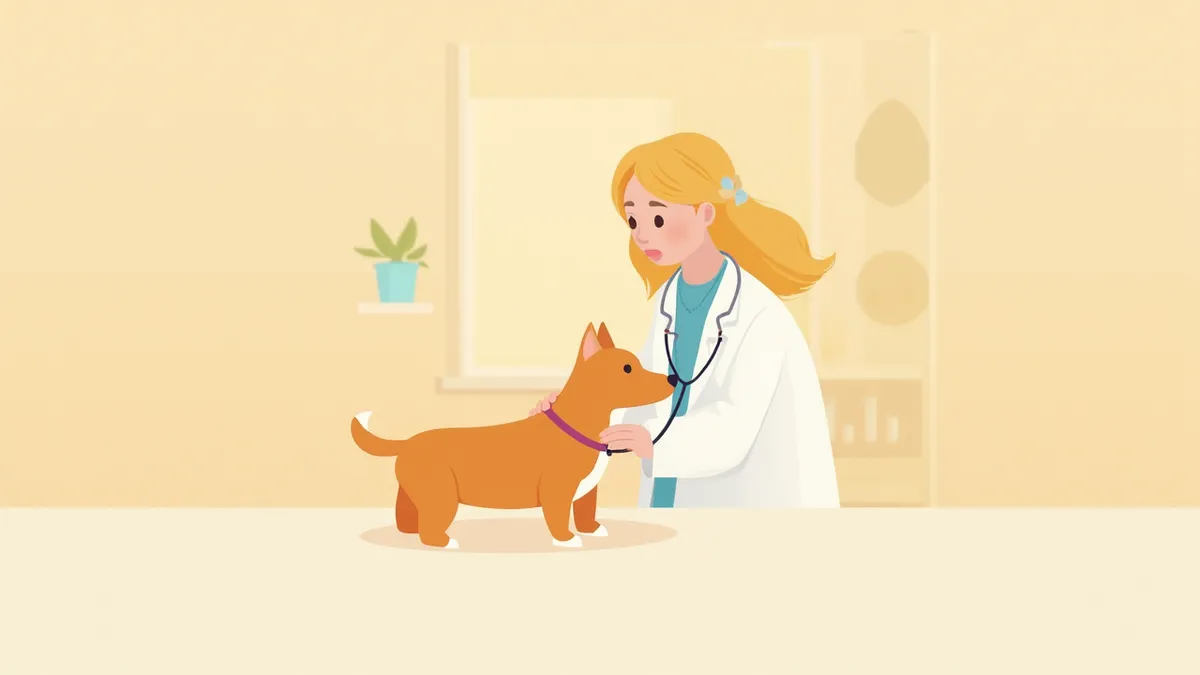
Why Is Furosemide Used for Heart Failure?
Comparison of Diuretic Types
| Item | Furosemide | Spironolactone | Torsemide |
|---|---|---|---|
| Class | Loop diuretic | Potassium-sparing | Loop diuretic (potent) |
| Onset of action | Fairly fast (IV acts faster than oral) | Gradual (over several days) | Fairly fast |
| Main use | First-line choice | Adjunctive combination | Furosemide resistance |
| Potassium loss | Present | None (sparing) | Present |
The actual drug combination and dosage must be determined by a veterinarian according to body weight and condition.
Dosage Forms and Administration Methods

See a Vet Immediately If You Notice These Signs
Contact your veterinarian immediately if your dog taking furosemide exhibits any of the following symptoms: loss of appetite for more than 24 hours, persistent vomiting or diarrhea, pale or sticky gums (indicating dehydration), weakness in the hind legs or muscle tremors (indicating hypokalemia), a sudden decrease in urine output, or a return of rapid breathing and severe coughing. Be especially cautious during hot summer days, as dehydration can progress rapidly.
Combination Therapy: Medications Used Together

Side Effects and Monitoring Points
See a Vet Right Away If You Notice These Signs
Never Stop or Increase the Dose Arbitrarily
Furosemide can cause pulmonary edema to recur if stopped abruptly. Although the drug has a relatively wide safety margin, arbitrarily increasing the dose can lead to dehydration and serious electrolyte imbalances due to excessive diuresis, and prolonged overuse can strain the kidneys, causing elevated kidney values. Therefore, even if symptoms appear to improve, always consult your veterinarian before reducing or discontinuing the medication. If you miss a dose, skip it if the next scheduled dose is approaching; do not administer a double dose.
Reviewed by a veterinarian

Dr. Tony — Punnawat Phongkittirak
VeterinarianA veterinarian who majored in veterinary medicine at Khon Kaen University, Thailand, and completed the IVSA program at North Carolina State University in the United States. Drawing on clinical experience at animal hospitals, he works in the pet healthcare field and is dedicated to building a digital care environment that connects pet parents with veterinarians.
Reviewed 2026-04-26
Frequently Asked Questions
My pet urinates very frequently after taking Furosemide. Is this normal?
Can dogs with kidney issues also use furosemide?
It seems like my pet is drinking a lot of water. Should I restrict their water intake?
It seems like Furosemide isn’t working well. What should I do?
Can it be given along with nutritional supplements?
Share
Related Guides

Coenzyme Q10 Benefits and Administration Guide
Dog Pulmonary Edema Warning — 7 Best Diuretics (Furosemide) for Heart Management
7 Best Prescription Diets for Feline Heart Disease Recommended by Veterinarians — Criteria for Choosing Low-Sodium Food

Can Dogs with Heart Disease Get Dental Scaling? — Anesthesia Risks and Pre-procedure Tests
My Dog’s Heart Is Beating Too Slowly — Signs of Bradycardia, AV Block, and Syncope
Fluid in a Dog’s Abdomen — Cardiac Ascites and Abdominocentesis, When to Visit the Vet

Inflammation in Our Cat’s Heart? — Causes of Myocarditis and Emergency Signs You Must Not Miss

What is Canine Uveitis? — Can It Lead to Red Eyes and Blindness?

My Dog’s Pupils Are Different Sizes — Is This a Dangerous Warning Sign?

What Is Corneal Pigmentation in Dogs? — Causes of Dark Film on the Eyes and Management
References
[1] Ahrens FA, Handbook of Veterinary Pharmacology, Chapter: Drugs Used in Heart Failure Therapy
[2] Schaer M, Gaschen F, Clinical Medicine of the Dog and Cat, 3rd Edition, Cardiovascular Disorders
[3] Smith FWK et al., Blackwell's Five-Minute Veterinary Consult: Canine and Feline, Congestive Heart Failure