

Frequently Asked Questions on Early Detection of Health Issues in Dogs — Key Points Owners Must Know
To catch health issues in your dog early, daily observation is key. Here’s a summary of the essential warning signs and how to respond.
Daily Observation Is Key to Early Detection of Health Issues in Dogs
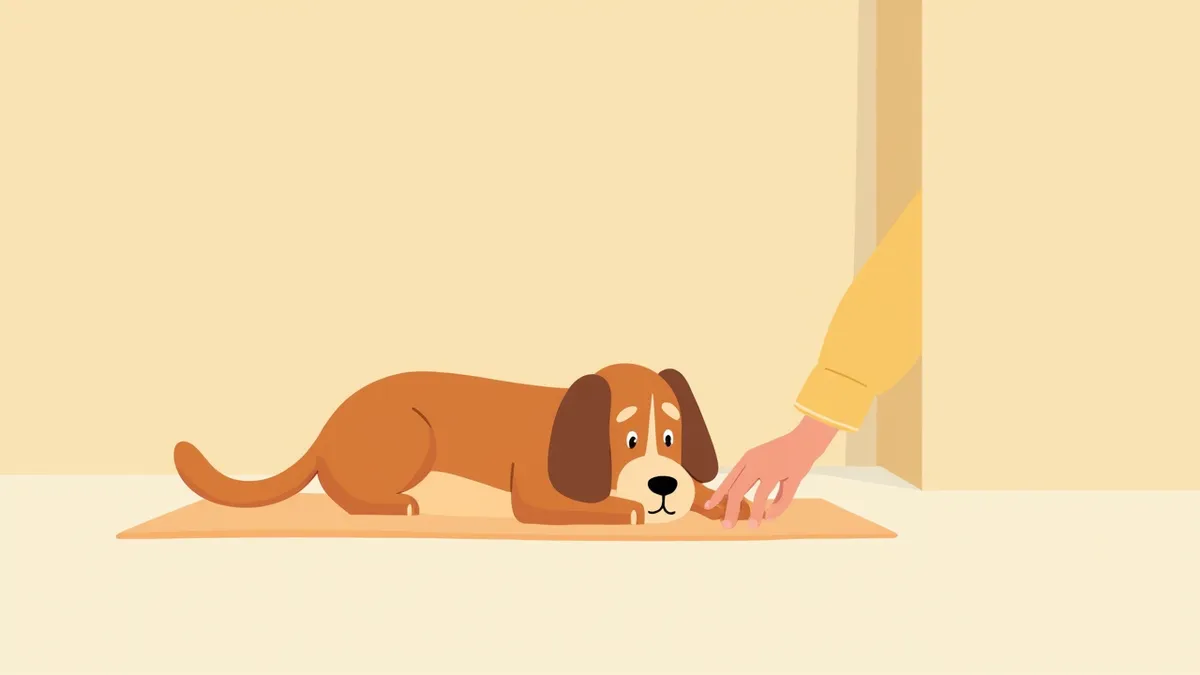
Why Is Early Detection Important?
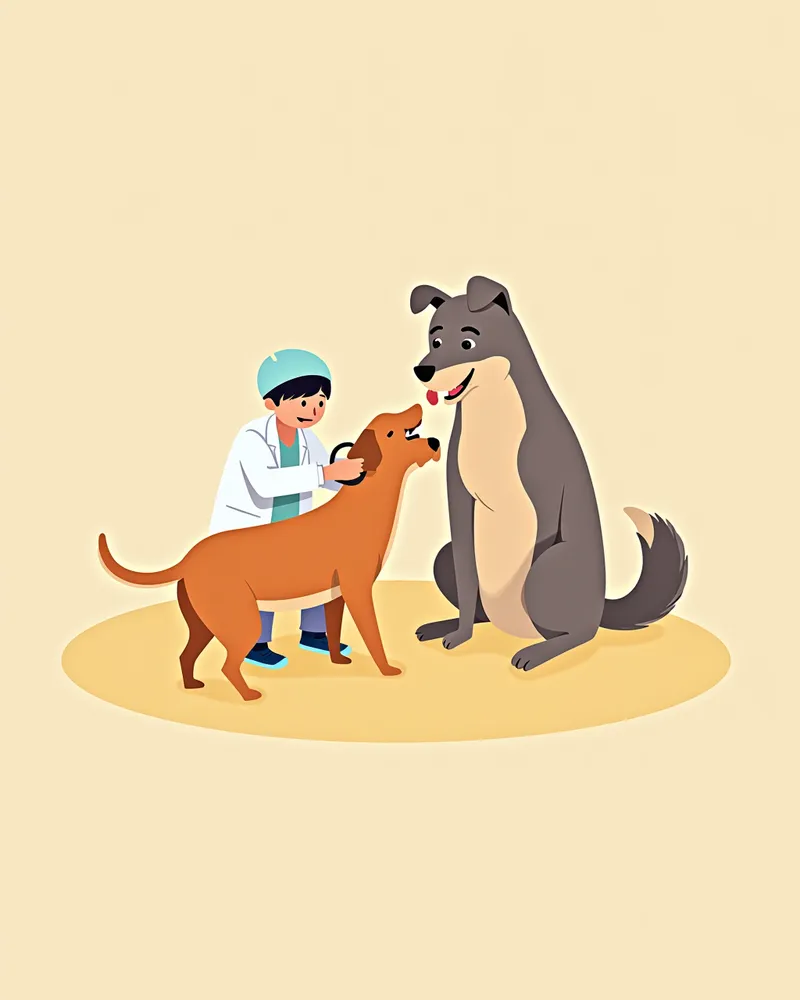
5 Signs to Check for in Daily Life

Comparison of Signs and Responses by Stage of Health Issues
| Item | Key Signs | Response | When to Visit the Clinic |
|---|---|---|---|
| Mild | Slightly decreased appetite, slightly reduced activity, changes in bowel habits, mild itching | Daily monitoring, dietary adjustment, environmental stability | Visit if it persists for more than 3 days |
| Moderate | Recurring diarrhea, constipation, itching, increased tearing or discharge | Dietary control, parasite prevention, health management | Visit if it persists for more than a week |
| Severe | Complete loss of appetite, persistent vomiting, bloody stool, severe drowsiness, difficulty breathing, sudden collapse | Visit the clinic immediately, fasting recommended, supportive care | Visit within 24 hours is essential |
If symptoms persist or worsen, consult a veterinarian immediately.
The Importance of Regular Check-ups and Daily Monitoring

Signs Requiring an Immediate Vet Visit
If your dog completely loses its appetite, experiences repeated vomiting or diarrhea, or if you notice blood in the stool, you should take it to the vet immediately. These could be signs of a life-threatening condition. Especially if symptoms persist for more than 24 hours, prompt veterinary care is essential. Additionally, if loss of appetite is accompanied by lethargy, difficulty breathing, or collapse, immediate action is necessary.
Management Tips Owners Must Know

Caution: Self-Diagnosis Is Dangerous
Giving your dog medication or attempting home treatment based on symptoms can worsen their condition. All symptoms require a veterinarian’s diagnosis, and you must consult your vet before administering any medication.
Reviewed by a veterinarian

Dr. Tony — Punnawat Phongkittirak
VeterinarianA veterinarian who majored in veterinary medicine at Khon Kaen University, Thailand, and completed the IVSA program at North Carolina State University in the United States. Drawing on clinical experience at animal hospitals, he works in the pet healthcare field and is dedicated to building a digital care environment that connects pet parents with veterinarians.
Reviewed 2026-06-29
Frequently Asked Questions
My dog suddenly lost his appetite. Why is that?
How often should I perform daily health checks?
When is the best time to schedule a routine checkup?
My dog is suddenly feeling very sleepy. I'm worried.
Can I administer medication at home?
Share
Related Guides

Top Recommendations and Selection Criteria for Cat FIV and FeLV Testing
Top Microchip Implantation Management Recommendations for Dogs and Key Selection Criteria

Complete Guide to Choosing, Comparing, and Managing the Best Heartworm Preventives for Dogs

What is Canine Hepatocellular Carcinoma? — Key Points on Benign vs. Malignant, Treatment, and Prognosis

Dog Liver Tumors: Primary vs. Metastatic — Owner Q&A from Diagnosis to Prognosis

Will My Dog’s Bleeding Not Stop If Their Liver Is Bad? — Q&A on Coagulation Abnormality and Bleeding Signs

What Is a Liver Abscess in Dogs? — Key Q&A on Symptoms to Treatment

What is Canine Gallbladder Mucocele? — Symptoms, Diagnosis, and Cholecystectomy

Is the Medicine My Dog Ate Safe for the Liver? — Symptoms and Emergency Response for Drug-Induced Liver Injury

What is Copper-Associated Hepatitis in Dogs? — Causes of Elevated Liver Enzymes and When to Visit the Vet
References
[1] Veterinary Guide to Preventing Behavior Problems in Dogs and Cats, 2023
[2] Notes on Canine Internal Medicine, 4th Ed, 2022
[3] Small Animal Critical Care Medicine, 3rd Ed, 2021