Like
Share
멍실장
고양이가 닫힌 문 앞에서 우는 이유

Why Cats Meow at Closed Doors

ImmunityQ&AMeongsiljang Veterinary Advisory Board

We’ve broken down why cats repeatedly meow at closed doors by cause—separation anxiety, demand vocalization, estrus hormones, and cognitive decline—and outlined appropriate responses for each situation.

Why Does Your Cat Meow at the Door?
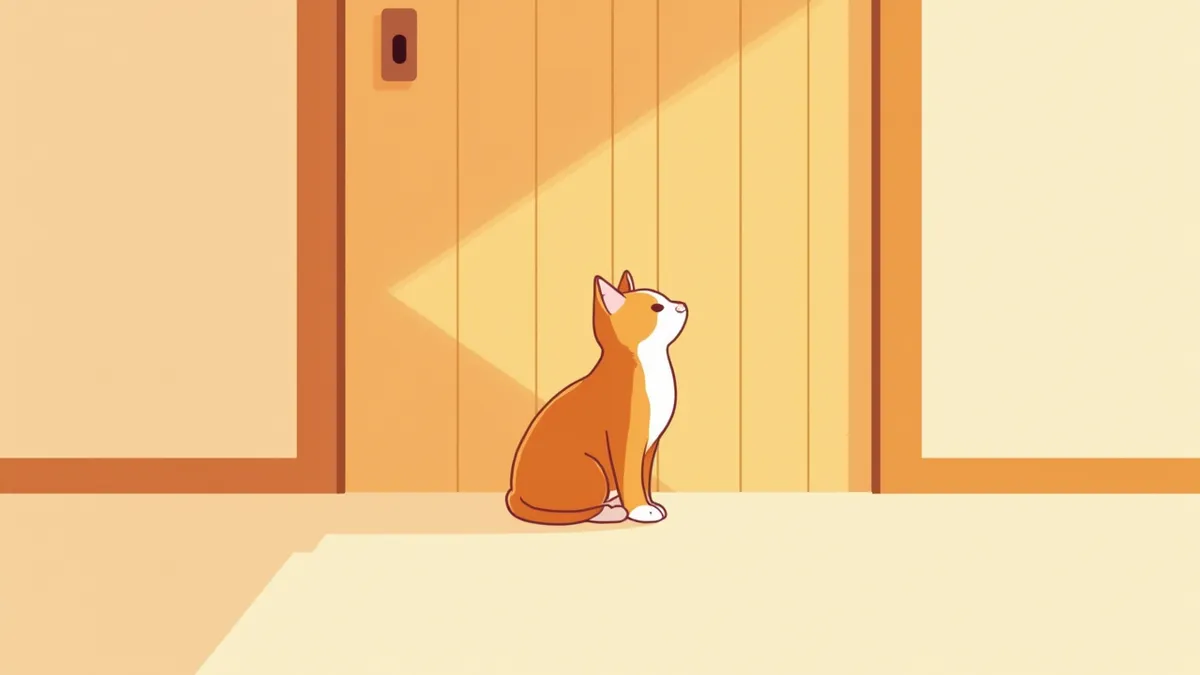
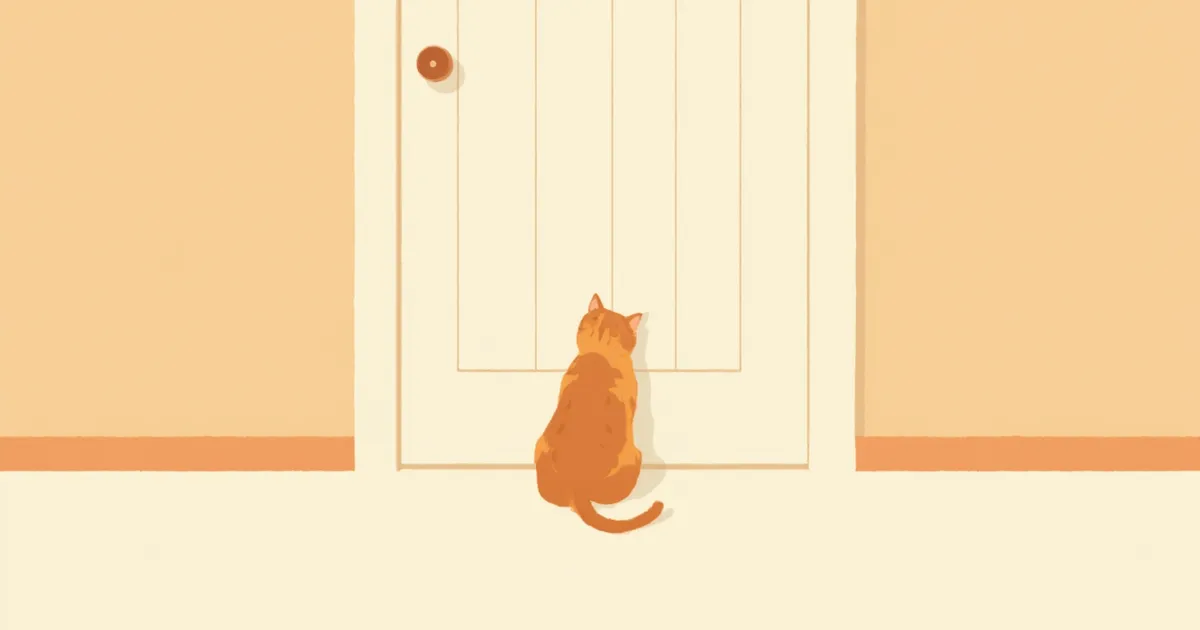
A cat sitting in front of a closed door, calling for its owner.
Cats meowing at the door are often trying to reach their owners behind a closed door or seeking attention and territory. What truly matters is whether the meowing has persisted for several days and whether eating and litter box use remain normal. If it’s just a temporary demand for attention, slight environmental adjustments can quickly quiet the behavior. However, if there’s a loss of appetite along with vomiting or urinary issues, it could signal stress-related illness or pain. Identifying the cause is the first step toward proper care.

5 Main Causes of Meowing at the Door

When a cat cries in front of a closed door, it’s trying to communicate something to you. There are five main reasons for this behavior: - Separation anxiety: The cat starts crying as soon as the door is closed, often accompanied by scratching at the door or excessive grooming. - Demand vocalization: The cat is signaling a specific need, such as wanting treats, playtime, or a clean litter box. - Territorial instinct: Cats have a natural tendency to patrol and manage their entire home as their territory. - Estrus hormones: Unspayed or unneutered cats may cry throughout the night due to mating urges. - Cognitive decline: Older cats may cry at night because they’ve lost their sense of direction.

Identifying the Cause by Vocalization Patterns

ItemSeparation Anxiety TypeDemand TypeHormonal Type
When it occursRight after the owner closes the doorAround mealtime or playtimeRecurring during heat, at night
DurationTens of minutes to several hoursStops when the demand is metA few days to a week
Accompanying behaviorScratching the door, excessive groomingStaring at the owner, rubbing against legsRaising the hindquarters, rolling on the floor
ApproachSeparation training, environmental enrichmentDistinguishing signals, intermittent rewardsNeutering surgery

Vocalization patterns vary greatly between individuals and may appear in combination

Why Separation Anxiety-Related Meowing Occurs
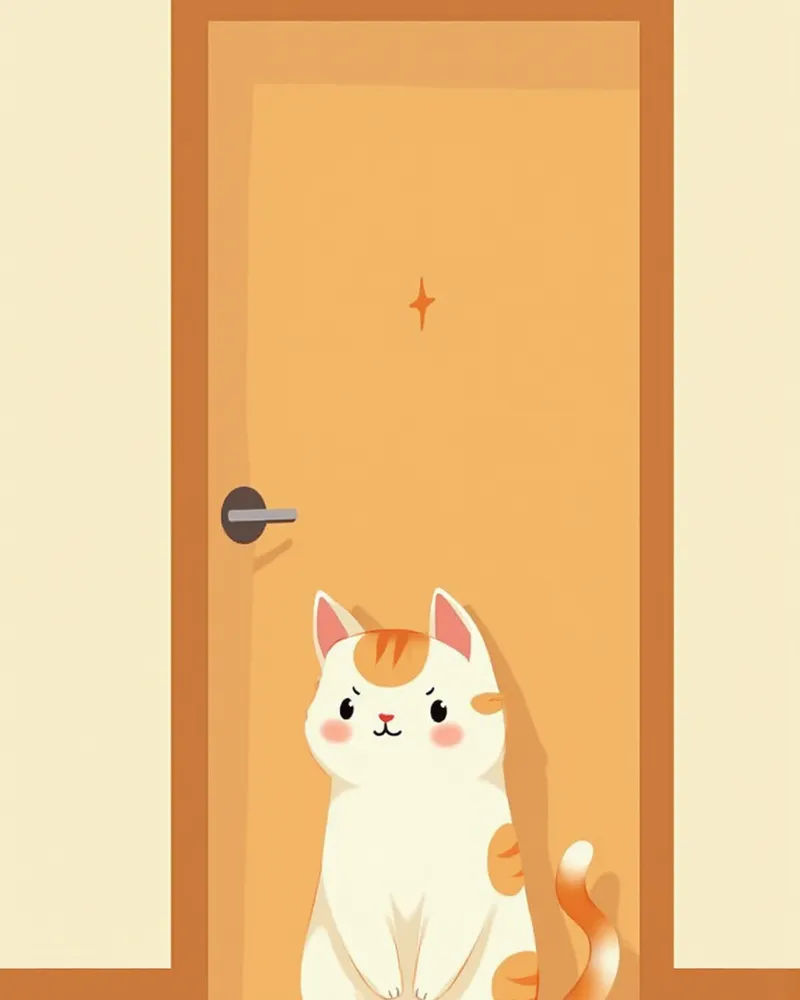
Separation anxiety is a condition in which a cat experiences intense anxiety the moment its caregiver disappears from sight. Although cats are often perceived as independent, they can become overly attached to their owners if they lacked adequate socialization during kittenhood or have experienced environmental stressors such as moving or changes in household composition. Typical signs include vocalizing as soon as the door closes, overreacting upon the owner’s return, and constantly following the owner around the house. However, the current understanding is that separation-related issues are not caused by a single factor but are complex problems arising from a combination of frustration, general anxiety, and isolation stress. While excessive attachment to the owner may be one contributing factor, it is difficult to definitively diagnose separation anxiety based on this alone. Therefore, the correct approach is to first rule out medical causes such as pain or illness, then seek professional assistance to evaluate the behavior and assess the environment.
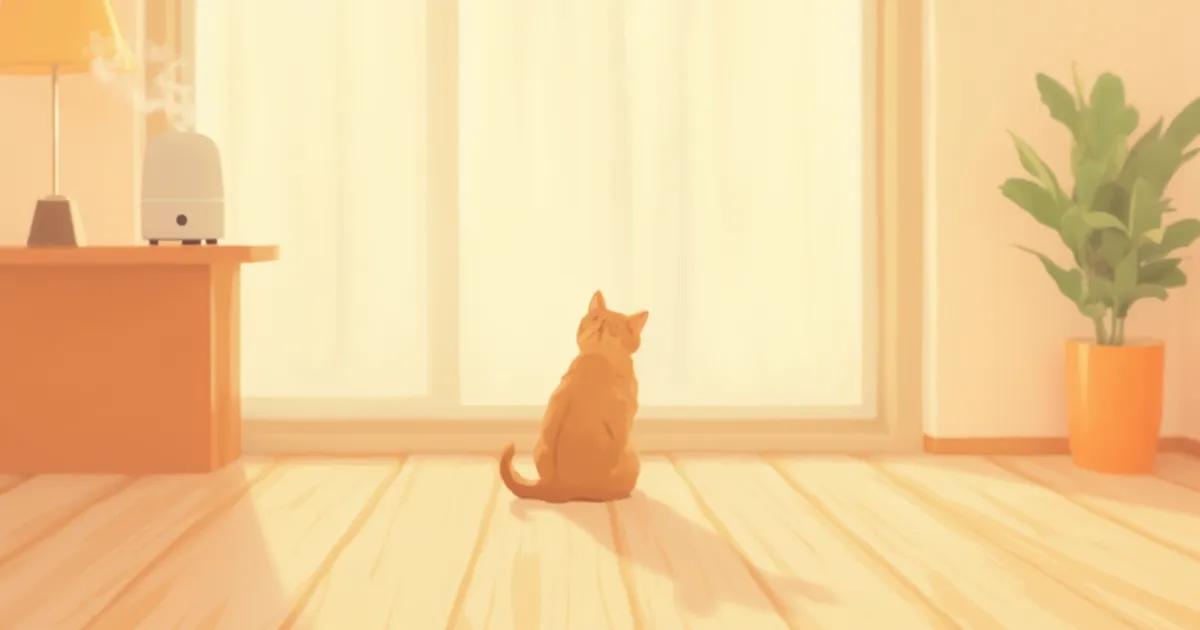
A cat waiting anxiously by the door for its owner

Signs That Require a Veterinary Visit

Meowing at the door may be a sign of an underlying medical condition rather than simple anxiety. - When it persists for several days and appetite and activity levels noticeably decrease - When the cat cries while urinating or spends an unusually long time in the litter box (suspected cystitis or bladder stones) - In senior cats, when nighttime meowing occurs without apparent purpose and disorientation is observed (cognitive dysfunction) - When the meow resembles whining or screaming and the cat avoids being touched in a specific area (pain) In these cases, the cause is medical rather than behavioral, so a veterinary examination within 1–2 days is necessary.

5 Home Remedies You Can Try
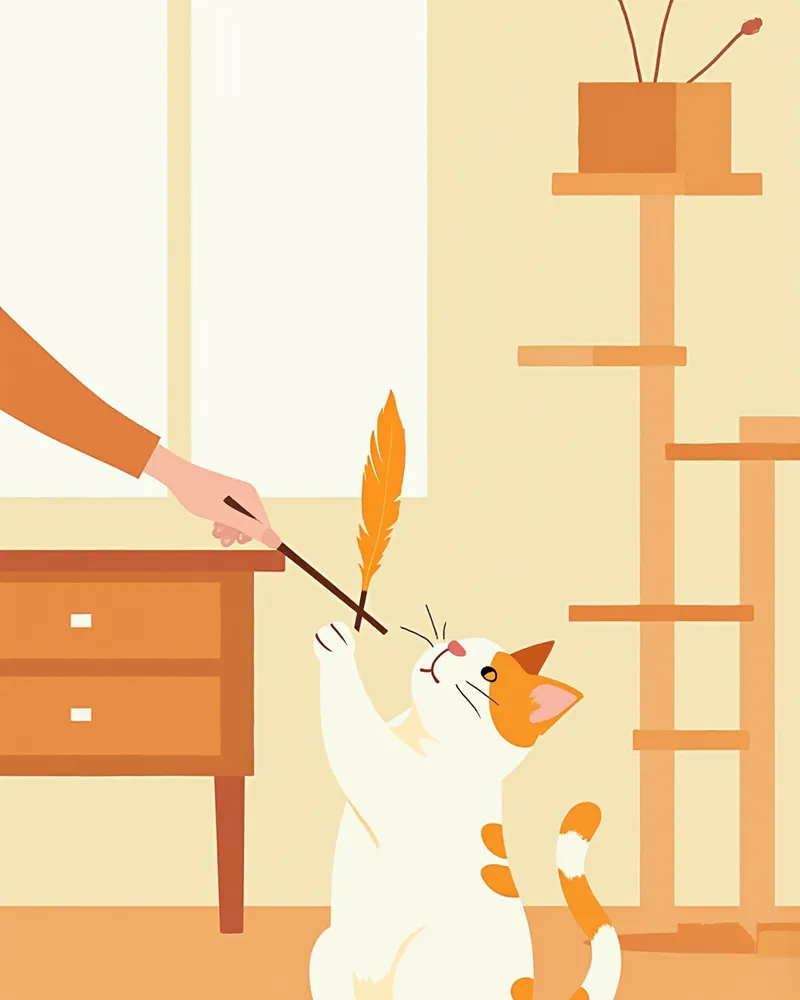
Demand and separation anxiety-related vocalization can usually be alleviated through environmental enrichment. - Hunting play: Twice daily, spend 10–15 minutes using a wand toy to help your cat expend energy. - Vertical space: Provide cat trees or shelves to elevate their vantage point and satisfy their territorial instincts. - Hiding spots: Place 3–4 secure retreats, such as boxes or tunnels, to offer a sense of safety. - Puzzle feeders: Turn mealtime into a hunting-like activity to reduce boredom. - Consistent reward rules: Avoid opening the door every time your cat cries, as this reinforces the behavior. Instead, wait until they are quiet for 10–20 seconds before opening the door.
A cat and its owner playing with a fishing rod toy

A Different Approach for Neutering and Senior Cat Vocalization

Before neutering, both male and female cats are prone to vocalizing near doors during their heat cycles. Females may roll on the floor and raise their hindquarters, while males might spray urine to mark their territory in response to outdoor scents. Although hormone-driven vocalizations and urine marking often decrease after neutering, it is best to consult with a veterinarian to determine the optimal timing for the procedure and to discuss its health benefits. If a senior cat (10 years or older) suddenly begins vocalizing near doors at night, consider the possibility of cognitive dysfunction. Veterinary textbooks describe nighttime vocalization in senior cats, often accompanied by disruptions in the sleep-wake cycle, as a potential sign of cognitive dysfunction syndrome. Additionally, hyperthyroidism can cause anxiety, excessive vocalization, and nighttime crying, while hypertension may lead to confusion, vocalization, and pacing. Pain can also manifest as similar vocalizations. Therefore, it is advisable to perform blood tests and measure blood pressure to rule out underlying medical causes first.

Reviewed by a veterinarian

Dr. Tony — Punnawat Phongkittirak

Dr. Tony — Punnawat Phongkittirak

Veterinarian

A veterinarian who majored in veterinary medicine at Khon Kaen University, Thailand, and completed the IVSA program at North Carolina State University in the United States. Drawing on clinical experience at animal hospitals, he works in the pet healthcare field and is dedicated to building a digital care environment that connects pet parents with veterinarians.

Frequently Asked Questions

Shouldn't I just open the door right away when my dog cries at the door?
Demand barking worsens the more you give in to it, as your pet learns that this behavior gets them what they want. Instead, wait until your pet has been quiet for 10–20 seconds before opening the door. This helps them learn that staying quiet is what brings you to them.
Is separation anxiety treated with medication?
The first priority is to adjust the environment. In severe cases, a veterinarian may prescribe anti-anxiety medication, but it is used in conjunction with behavior modification rather than as a standalone treatment.
My cat only cries at the door at night. Why is that?
Cats are naturally crepuscular, meaning they’re most active at dawn and dusk. Playing a good hunting-style game before bedtime to help them burn off energy usually reduces this behavior significantly.
Will neutering stop my pet from crying at the door?
Vocalizations driven by estrus hormones often gradually decrease after neutering. However, the extent and timing of this reduction vary from pet to pet, and vocalizations stemming from demands or anxiety have different causes unrelated to neutering, so they require separate management.
Is it true that if a dog cries from a young age, its temperament can't be changed?
It’s more likely a learned behavior than a personality trait. With consistent reward-based training and environmental enrichment, it can be significantly improved.

Share

Related Guides

References

[1] Overall, K.L., Manual of Clinical Behavioral Medicine for Dogs and Cats, Ch. 14 Feline Behavioral Disorders, Elsevier, 2013

[2] Horwitz, D.F., Rodan, I., Behavioral awareness in the feline consultation, Journal of Feline Medicine and Surgery, 20(11), 2018

[3] Landsberg, G., Hunthausen, W., Ackerman, L., Behavior Problems of the Dog and Cat, 3rd Ed, Saunders, 2013

This information is based on veterinary literature and does not replace diagnosis or treatment. Please consult a veterinarian for specific health concerns.

Metapet Co., Ltd. | CEO: Park Sung-yong | Business Reg. No. 417-88-02562 | Seoul, South Korea | Customer Center

Why Cats Meow at Closed Doors: Causes & How to Respond | Meongsiljang