

What is Omeprazole for Dogs and Cats? — Effects of the Acid-Suppressing Medication and Precautions
Omeprazole is a proton pump inhibitor that strongly suppresses stomach acid secretion. It is used to treat gastric ulcers, esophagitis, and chronic vomiting, and should be taken on an empty stomach under veterinary prescription.
What is Omeprazole?
When is it Prescribed?
How is it Different from Other Acid-Suppressing Medications?
| Item | Omeprazole | Famotidine | Sucralfate |
|---|---|---|---|
| Drug class | Proton pump inhibitor | H2 blocker | Mucosal protectant |
| Potency | Most potent | Moderate | Weak (protection-focused) |
| Onset of effect | Maximal over several days (not immediate) | Relatively fast | Immediate coating |
| Dosing frequency | 1–2 times/day | 2 times/day | About 3 times/day (q8h) |
| Administration on empty stomach | Required | Not relevant | Empty stomach required |
The exact drug choice must be determined after a veterinary examination
How Does it Work?
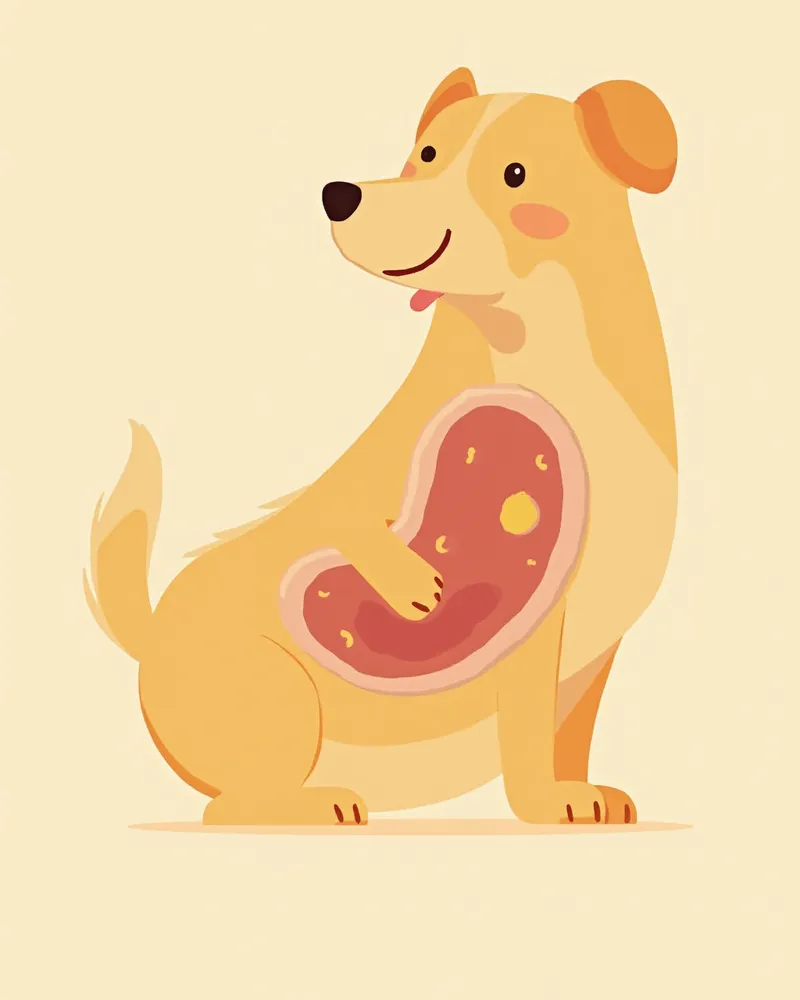
Points to Strictly Follow When Taking
Omeprazole is affected by food, so it’s recommended to give it on an empty stomach, about 30 minutes before feeding. Taking it with food can interfere with absorption and reduce its effectiveness. Additionally, abruptly stopping acid-suppressing medications without veterinary guidance can disrupt symptom management. Recent textbooks and consensus statements emphasize using these drugs cautiously only when necessary and following veterinary instructions for discontinuation. Do not stop or adjust the dose on your own. Your veterinarian will determine the appropriate dosage and schedule based on your pet’s weight and symptoms.
What Side Effects May Occur?

Consult Your Veterinarian in These Cases
Pets with impaired liver function should use omeprazole cautiously, as it is metabolized by the liver, and since it is excreted through the kidneys, kidney function should also be taken into account. Additionally, omeprazole inhibits liver metabolic enzymes (CYP450), which can prolong or alter the effects of other medications metabolized by the same enzyme, such as phenobarbital. Therefore, it is important to inform your veterinarian about all medications and supplements your pet is currently taking. Special veterinary guidance is also necessary for pregnant or nursing animals, as well as for puppies and kittens.
Management Points During Use

Reviewed by a veterinarian

Dr. Tony — Punnawat Phongkittirak
VeterinarianA veterinarian who majored in veterinary medicine at Khon Kaen University, Thailand, and completed the IVSA program at North Carolina State University in the United States. Drawing on clinical experience at animal hospitals, he works in the pet healthcare field and is dedicated to building a digital care environment that connects pet parents with veterinarians.
Reviewed 2026-04-26
Frequently Asked Questions
Can I give my pet omeprazole that I bought at a human pharmacy?
How long should I administer this medication?
Can I give it to my pet along with their regular meals?
Which is better, famotidine or something else?
How should I stop it?
Share
Related Guides

My Senior Cat Won’t Eat — A Complete Guide to Choosing Food for Cats with Weak Digestion

Top 5 Prescription Diets for Feline Pancreatitis Recommended by Veterinarians — Low-Fat, Highly Digestible Food Guide

Royal Canin vs Hill’s vs Purina vs Orijen — Which Brand Is Right for Your Pet, According to Veterinarians?

Dog Chronic Rhinitis and Nasal Discharge FAQ — Key Information Every Pet Owner Should Know

Dog Chronic Cough Differential Diagnosis FAQ — Key Points Pet Owners Must Know

Canine Influenza FAQ — Key Information Every Pet Owner Must Know

Frequently Asked Questions About Canine Bronchoscopy — Key Information Every Pet Owner Should Know

Dog Bordetella Respiratory Infection FAQ — Key Information Every Pet Owner Should Know

Frequently Asked Questions (Q&A) on Surgical Correction for Brachycephalic Dogs — Key Information for Pet Owners

Feline Viral Upper Respiratory Infections FAQ — Key Information Every Owner Must Know
References
[1] Plumb's Veterinary Drug Handbook, 10th Edition - Omeprazole
[2] Handbook of Veterinary Pharmacology - Drugs That Reduce Acid Secretion
[3] Small Animal Critical Care Medicine, 3rd Edition - Gastroprotectants
[4] Shaevitz MH et al., Piroxicam with omeprazole or famotidine in dogs with cancer, Vet Cancer Society, 2019