Like
Share
멍실장
알부민 수혈 적응증과 효과

Indications and Effects of Albumin Transfusion

ImmunityQ&AMeongsiljang Veterinary Advisory Board

Albumin transfusions are administered to critically ill patients with severe hypoalbuminemia to restore plasma osmotic pressure. Here’s a summary of the indications, effects, and precautions.

What Is Albumin Transfusion?
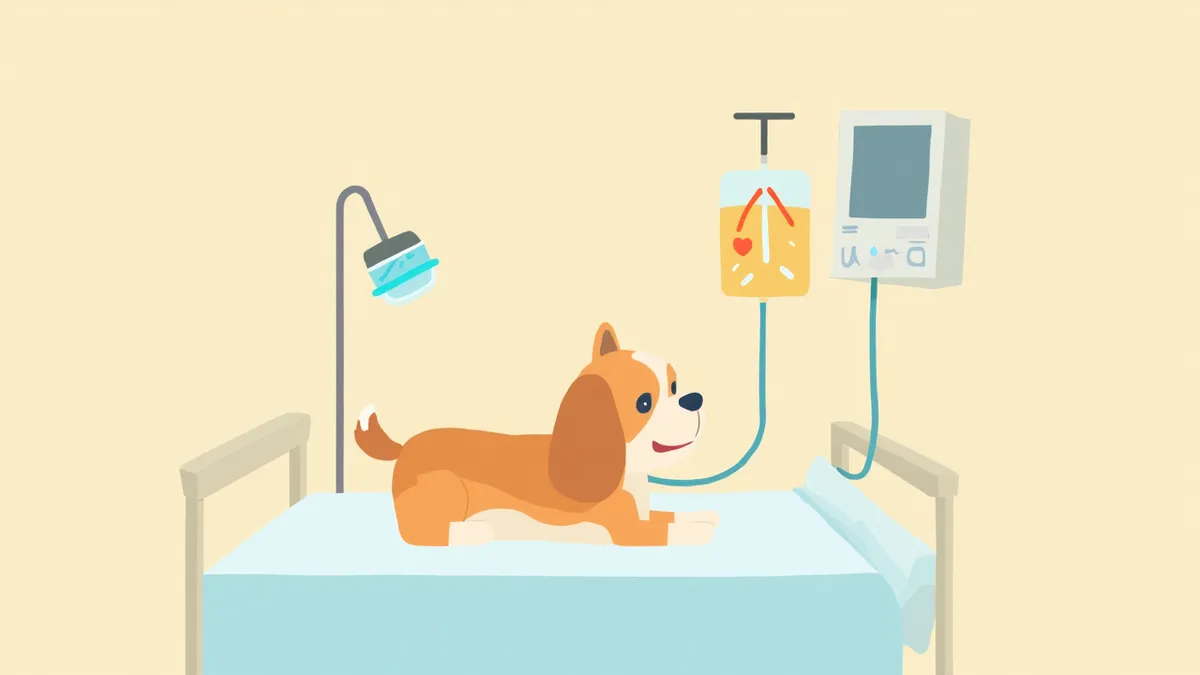
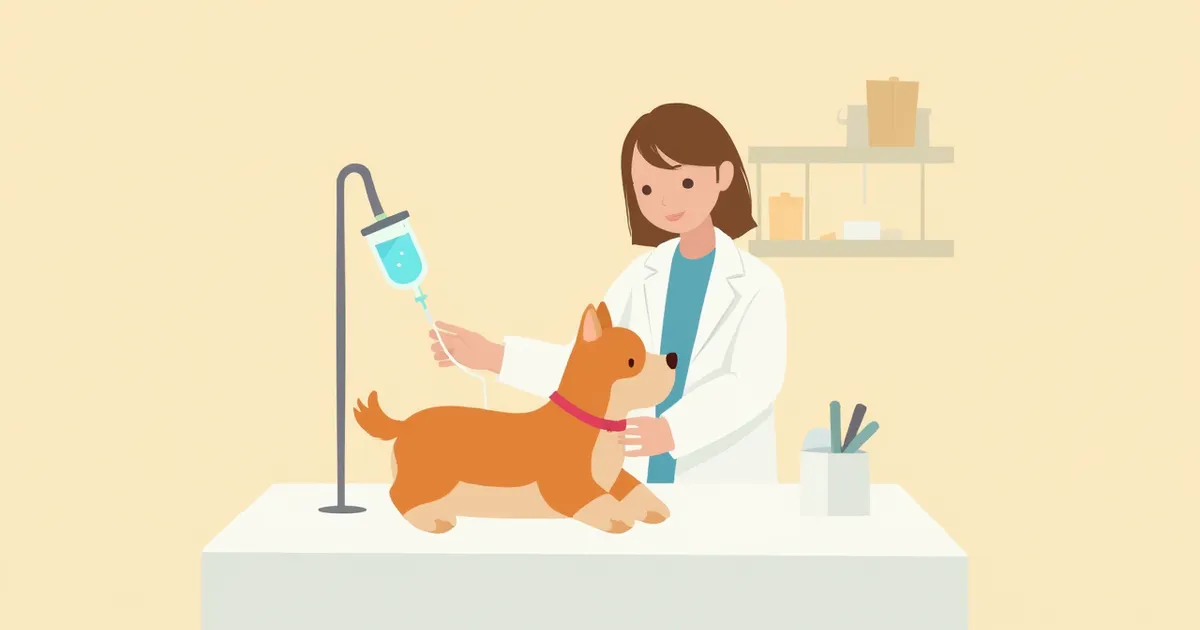
A puppy receiving intravenous fluids in the intensive care unit.
Albumin transfusion is a treatment in which an albumin preparation is administered intravenously to critically ill patients with severe albumin deficiency, aiming to restore plasma colloid osmotic pressure (COP) and circulating blood volume. Because albumin molecules are small and carry a strong negative charge, they account for approximately 80% of serum colloid osmotic pressure, making the maintenance of plasma colloid osmotic pressure the key factor. The target albumin level is typically set at around 2.0 g/dL; if levels fall below this threshold and edema or ascites worsen, transfusion is actively considered. The decision is not based on numerical values alone but involves a comprehensive assessment of the patient’s overall condition, including the presence of bleeding or shock.

Why Is Albumin an Important Protein?

Albumin is the most abundant plasma protein produced by the liver. It accounts for approximately 80% of the serum colloid osmotic pressure, which helps retain fluid within blood vessels, and also transports substances such as fatty acids, steroid hormones, and calcium (as a divalent cation) throughout the body. When albumin levels are low, fluid leaks out of blood vessels, leading to edema and ascites, and altered drug distribution can reduce therapeutic efficacy. Therefore, albumin levels are a critical indicator in the management of critically ill patients.

Stages of Hypoalbuminemia and Clinical Significance

ItemMildModerateSevere
Albumin level2.5–3.0 g/dL2.0–2.5 g/dLBelow 2.0 g/dL
Main symptomsMinimal symptomsMild edemaSystemic edema, ascites, pleural effusion
Need for transfusionPrioritize treating the causeConsider case by caseActively consider
PrognosisGoodVaries by causeSevere; intensive care needed

The values are general standards, and the veterinarian makes a comprehensive judgment together with the clinical symptoms.

Situations Where Albumin Transfusion Is Essential
- Severe hypoalbuminemia: When albumin levels are below 2.0 g/dL and edema or ascites are severe. - Sepsis and systemic inflammatory response: When increased vascular permeability causes fluid to leak into the tissues. - Protein-losing enteropathy or nephropathy: When protein is continuously lost through the intestines or kidneys. - Extensive burns or trauma: When there is significant fluid loss accompanied by shock. - Severe liver failure: When the body can no longer synthesize albumin. We do not immediately administer blood transfusions based solely on low values; we always consider the underlying disease and the patient’s clinical condition together.
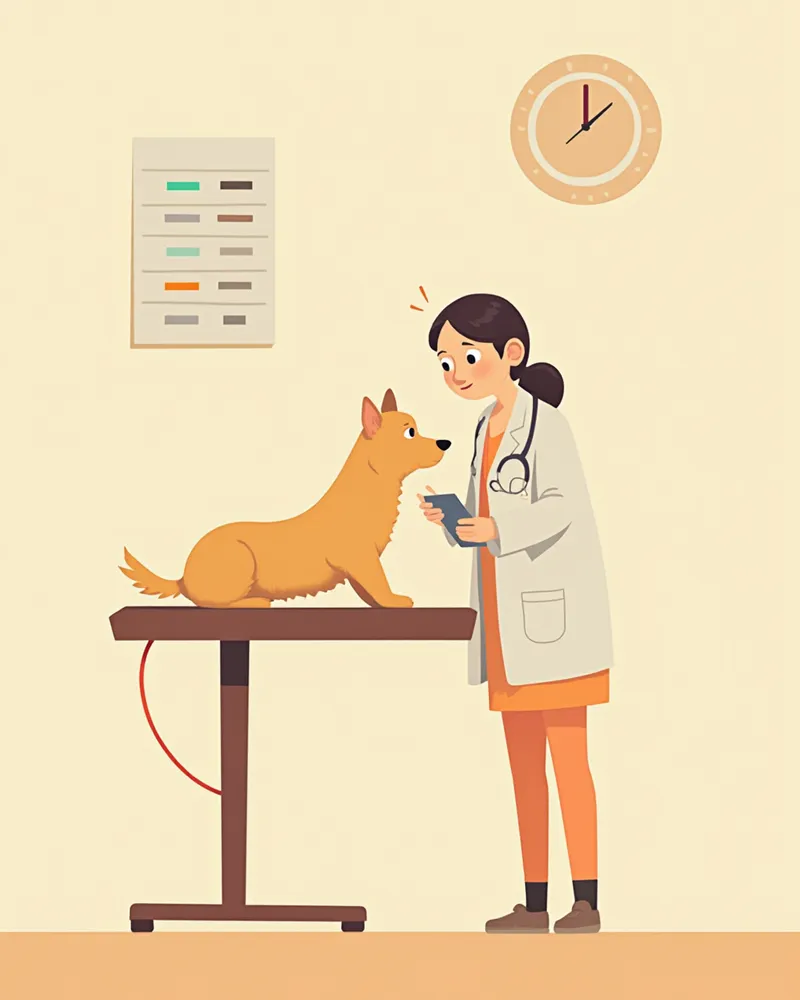
A veterinarian reviewing blood test results with a dog.

Signs Requiring Immediate Veterinary Evaluation

If you notice any of the following signs, your pet may have severe hypoalbuminemia and requires immediate, thorough examination at a veterinary clinic: - A distended abdomen that feels like a water balloon when touched - Persistent swelling in the face or legs - Lethargy and little to no appetite - Rapid, shallow breathing or difficulty breathing - Dark-colored urine or excessive foaming in the urine If several of these symptoms appear simultaneously, severe hypoalbuminemia cannot be ruled out. It is important to have your pet evaluated by a veterinarian as soon as possible so that blood tests and clinical assessments can determine the appropriate course of treatment.

What Albumin Preparations Are Used?
In clinical practice, three main products are used: human 25% albumin, fresh frozen plasma (FFP), and species-specific albumin (for dogs and cats). Human 25% albumin has a high colloid osmotic pressure, allowing it to rapidly increase blood pressure and albumin levels. However, it should be administered to dogs only once as a general rule, as a second dose can lead to antibody formation and significantly increase the risk of severe anaphylactic reactions. Fresh frozen plasma contains various plasma proteins and can be used as an adjunctive treatment for patients with bleeding tendencies. Species-specific albumin carries a lower risk of immune reactions, but its supply in Korea is limited.
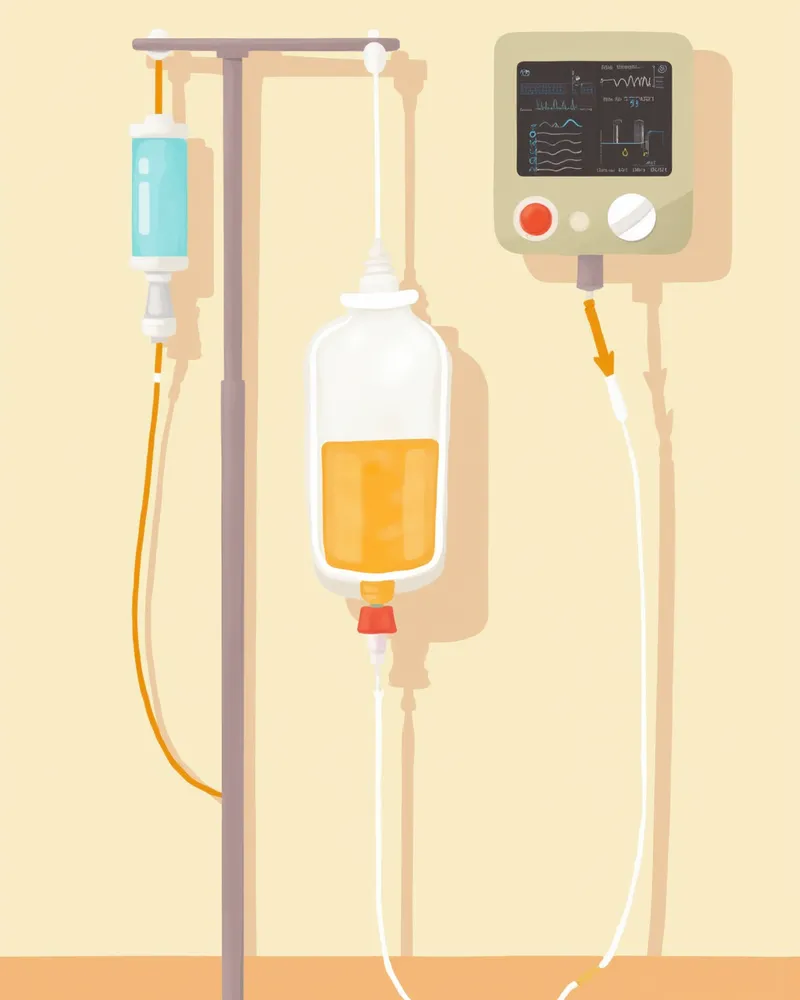
Intravenous fluids and monitors in the intensive care unit

Expected Effects of Albumin Transfusion

- Restores osmotic pressure: Helps retain fluid within blood vessels, reducing edema and ascites. - Stabilizes blood pressure: Increases circulating blood volume, speeding recovery from shock. - Enhances drug delivery: Ensures medications like antibiotics and pain relievers work effectively. - Supplies amino acids: Albumin breaks down in cells to provide amino acids needed for protein synthesis and energy metabolism. - Assists blood buffering: Albumin contributes to non-bicarbonate buffering capacity, helping maintain blood pH. However, albumin transfusion is not a cure but a way to buy time. The underlying disease must be addressed.

Side Effects to Watch for During and After Transfusion

Albumin transfusions can trigger hypersensitivity reactions to foreign proteins. The risk of severe anaphylaxis is particularly high with a second administration of human 25% albumin due to antibody formation. Monitor temperature, heart rate, respiration, blood pressure, and mucous membrane color every 5 minutes during the first 15 minutes of transfusion, then at the 30-minute mark, and every hour thereafter. Stop the transfusion immediately if rash, vomiting, or difficulty breathing occurs. Additionally, infusing the solution too quickly can cause pulmonary edema (circulatory overload), so the veterinarian will determine the infusion rate based on the patient’s body weight and cardiac function.

Home Care Points After Transfusion

It takes time for albumin levels to stabilize even after discharge. At home, it’s important to manage care that reduces protein loss and supports recovery. - High-quality protein diet: Prescription diets or hydrolyzed protein formulas recommended by your vet - Maintain hydration: Preventing dehydration is key to maintaining blood volume - Record weight and abdominal girth: Early detection of recurring ascites - Regular blood tests: Monitor albumin and protein levels every 2–4 weeks - Adjust exercise intensity: Focus on short walks during the recovery period If you’re curious about managing the underlying condition, check out our Protein-Losing Enteropathy Guide.
A puppy recovering at home and its caregiver

Reviewed by a veterinarian

Dr. Tony — Punnawat Phongkittirak

Dr. Tony — Punnawat Phongkittirak

Veterinarian

A veterinarian who majored in veterinary medicine at Khon Kaen University, Thailand, and completed the IVSA program at North Carolina State University in the United States. Drawing on clinical experience at animal hospitals, he works in the pet healthcare field and is dedicated to building a digital care environment that connects pet parents with veterinarians.

Frequently Asked Questions

How often should a pet receive albumin transfusions?
It depends on the underlying condition and the patient’s response. The treatment may be a single dose, or it may be repeated at intervals of one to three days. The veterinarian will make the final decision based on the blood test results.
Can cats receive albumin transfusions?
Yes, it can be administered in cases of severe hypoalbuminemia. However, since veterinary research and data on administering human albumin to cats are very limited, a veterinarian’s careful assessment and close monitoring are essential to determine whether and how to proceed with treatment.
Is this covered by insurance? How much does it cost?
Depending on the pet insurance plan, some policies may cover intensive care treatment. However, costs can vary significantly based on the type of medication and dosage, so it's best to confirm directly with your veterinarian for accurate information.
Can albumin levels be raised through diet alone instead of a blood transfusion?
In mild to moderate cases, recovery is often possible with a high-protein diet and treatment of the underlying cause. However, in severe cases or when protein continues to be lost, dietary management alone is insufficient.
What should we do if albumin levels drop again after a blood transfusion?
This could be a sign that the underlying disease hasn’t been identified. Before considering additional blood transfusions, it’s more important to reassess the root cause—such as gastrointestinal, kidney, or liver disease.

Share

Related Guides

References

[1] Mathews KA, Barry M, The use of 25% human serum albumin: outcome and efficacy in raising serum albumin and systemic blood pressure in critically ill dogs and cats, Journal of Veterinary Emergency and Critical Care, 2005

[2] Silverstein DC, Hopper K, Small Animal Critical Care Medicine, 2nd Edition, 2015

[3] Plumb's Veterinary Drug Handbook, 9th Edition, 2018

This information is based on veterinary literature and does not replace diagnosis or treatment. Please consult a veterinarian for specific health concerns.

Metapet Co., Ltd. | CEO: Park Sung-yong | Business Reg. No. 417-88-02562 | Seoul, South Korea | Customer Center

Albumin Transfusion: Indications and Effects | Meongsiljang