Like
Share
멍실장
고양이 예방접종 후 부작용 모니터링 자주 묻는 질문 Q&A — 보호자가 꼭 알아야 할 핵심

Frequently Asked Questions on Monitoring Side Effects After Feline Vaccination — Key Information for Pet Owners

Lifestyle & Age CareQ&AMeongsiljang Veterinary Advisory Board

We’ve compiled essential information for pet owners on the potential side effects of feline vaccinations and when to seek veterinary care.

Why Is Monitoring for Side Effects After Feline Vaccination Important?
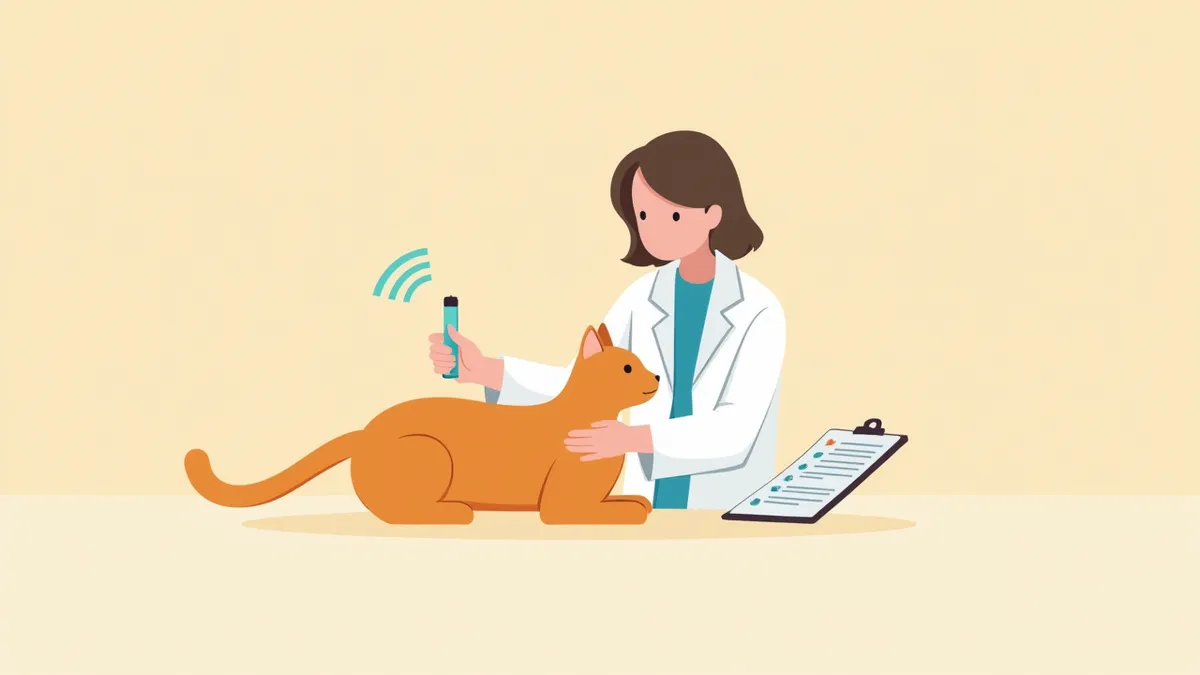
A veterinarian examining a cat after vaccination
Carefully monitoring for side effects after vaccination is essential to safeguarding your cat’s health. While most reactions are mild and temporary, severe allergic responses can be life-threatening. Once the vaccine is introduced, your cat’s immune system mounts an appropriate response, which may cause temporary fever, lethargy, or fatigue. These are normal physiological reactions that require close observation from you, the caregiver. - Early detection: Identifying symptoms before they worsen significantly improves treatment outcomes. - Immediate response: Emergency symptoms such as difficulty breathing or seizures require immediate veterinary intervention. - Safe recovery: Proper care can help alleviate side effects and speed up the recovery process.

Causes and Mechanisms of Common Side Effects After Vaccination
Vaccines work by stimulating your cat’s immune system to build resistance against pathogens. During this process, immune cells recognize and respond to the vaccine components, which can cause temporary side effects such as a mild fever, fatigue or lethargy, vomiting, or swelling at the injection site. These are normal signs of an immune response and generally nothing to worry about, but careful monitoring by you, the pet owner, is essential. - A natural part of the immune response: Once the vaccine enters the body, immune cells detect and react to its components. - Temporary symptoms: These mild reactions typically appear within three days of vaccination and resolve on their own, often without the need for specific treatment. - The importance of monitoring: If symptoms persist or worsen, please consult your veterinarian. - A sign the vaccine is working: These reactions can also indicate that the vaccine is effectively stimulating the immune system.
Mild swelling at the vaccination site

Five Signs to Watch For After Vaccination

Persistent fever: If a fever following vaccination does not subside easily and continues, or if your pet becomes lethargic and unresponsive, indicating an unstable condition, a veterinary visit is necessary.
Loss of appetite: It is dangerous if your pet eats very little or refuses to drink water for an entire day.
Difficulty breathing: Immediate emergency care is required if your pet is panting or if there is increased discharge or foam from the nose or mouth. Cats, in particular, may exhibit prominent respiratory symptoms and airway swelling.
Recurring vomiting and diarrhea: This is dangerous if vomiting or diarrhea occurs more than twice or if blood is present in the stool.
Behavioral changes: Immediate assessment is needed if your pet suddenly becomes lethargic or displays aggressive behavior.
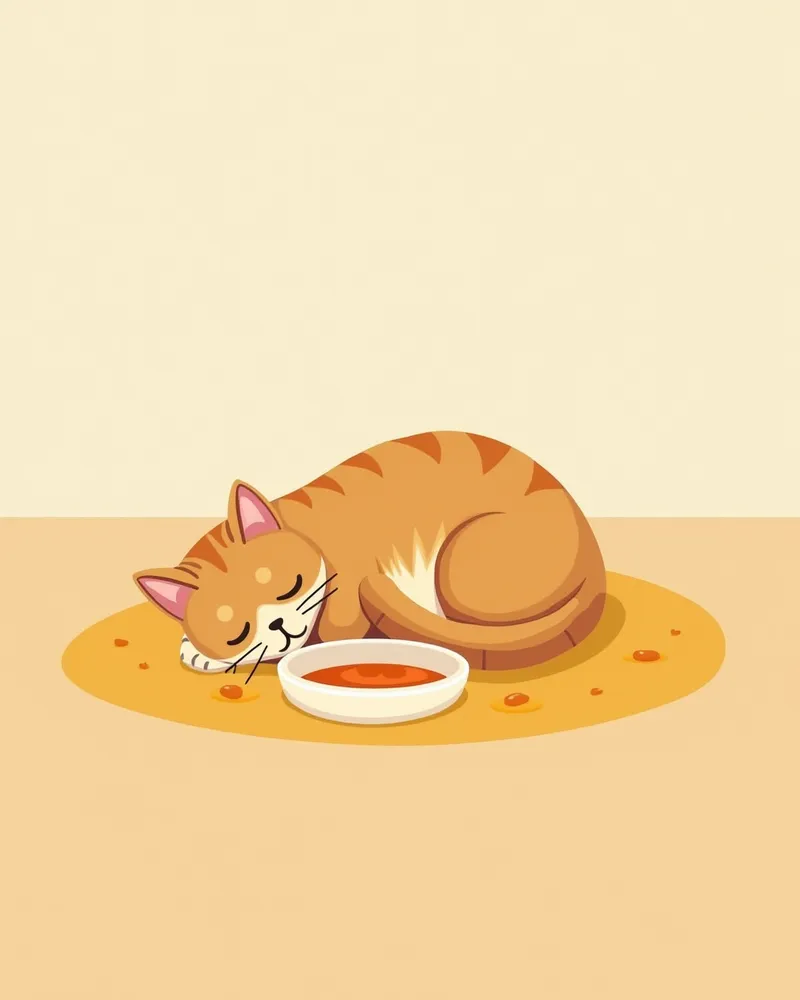
Loss of appetite and lethargy in cats

Emergency Signs Requiring Immediate Veterinary Care

If your cat experiences difficulty breathing, seizures, widespread swelling, severe vomiting or diarrhea, or loss of consciousness after vaccination, seek veterinary care immediately. These symptoms may indicate an allergic reaction or a serious adverse effect. In such emergencies, prompt diagnosis and treatment by a veterinarian can be life-saving.

How to Manage Side Effects
Minor side effects can usually be managed at home with careful observation. Gently cool the injection site with a cold towel, and offer fresh water and food frequently. Lethargy or a mild fever typically resolves on its own within three days of vaccination, so keeping your pet in a quiet, calm environment is helpful. However, if symptoms worsen, persist without improvement, or do not subside easily, please consult your veterinarian. - Persistent fever: If the fever does not come down easily or continues, contact your veterinarian. - Loss of appetite: If your pet barely eats or drinks water after a full day, there is a risk of dehydration. - Decreased activity: Seek immediate veterinary care if your pet becomes immobile or unusually sluggish. - Observation records: Keep a record of any changes in symptoms to provide accurate information to your veterinarian, and report any adverse reactions to the clinic where the vaccination was administered.
A cat cooling down with a cold towel.

Five Post-Vaccination Care Tips

- Maintain a quiet environment: Provide a calm, quiet space where your cat can rest comfortably to help reduce stress. - Offer small, frequent meals: Divide food into smaller portions and offer them more frequently. This can help alleviate loss of appetite and replenish energy. - Monitor the vaccination site: Check the injection site once or twice daily for swelling, pain, or discharge. - Ensure ample fresh water: Always provide clean, fresh water to prevent dehydration. - Restrict activity: Limit your cat’s activity for 24 hours and encourage rest. This helps speed up recovery and minimize potential side effects.
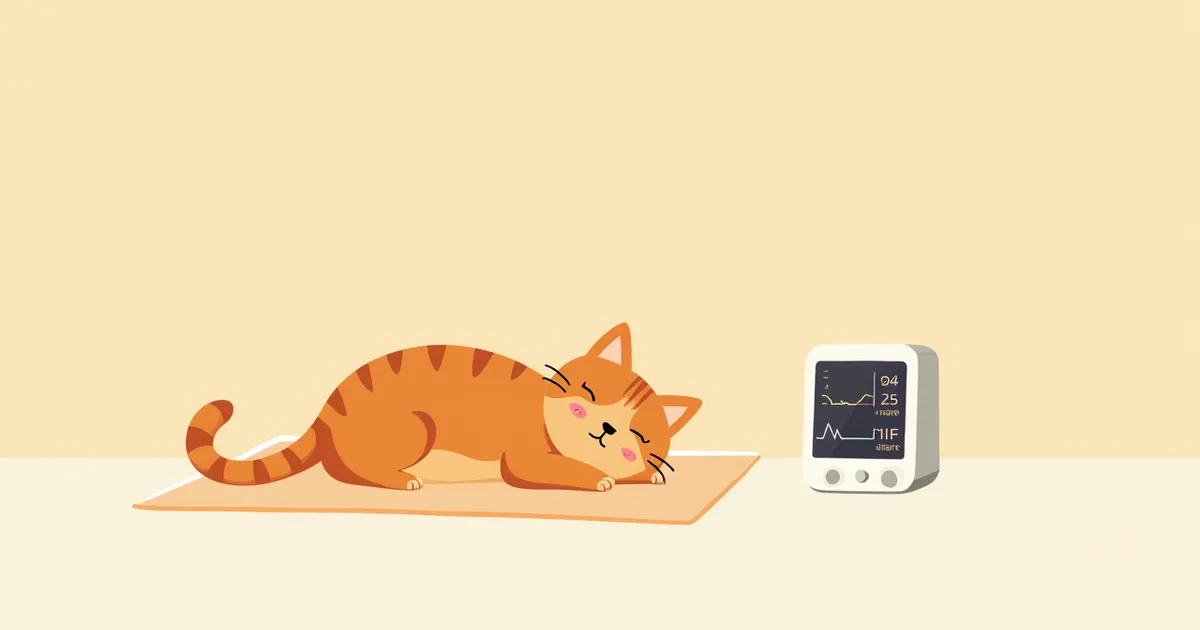
A cat resting in a quiet environment

Comparison of Management Strategies by Severity of Side Effects After Vaccination

ItemMildModerateSevere
Key SymptomsMild fever, drowsiness, swelling at the injection sitePersistent, ongoing fever, prolonged loss of appetite, mild vomitingDifficulty breathing, seizures, loss of consciousness, systemic swelling
Response MethodObserve at home, provide water and foodConsult veterinarian, confirm whether to administer medicationVisit hospital immediately, emergency treatment needed
Observation PeriodUsually within 3 daysConsult veterinarian if no improvementImmediate response needed

The response method varies depending on the severity of the side effects, so it is important to accurately assess the severity of the symptoms.

Caution: Differences in Side Effect Risk Based on Cat Weight and Age

Smaller cats tend to show more adverse reactions after vaccination. Additionally, if a cat has immune suppression or underlying health conditions, it can be difficult to predict how they will respond to the vaccine. In such cases, it’s important to consult with your veterinarian to adjust the vaccination plan and always report any adverse reactions to the clinic where the vaccine was administered.

Reviewed by a veterinarian

Dr. Tony — Punnawat Phongkittirak

Dr. Tony — Punnawat Phongkittirak

Veterinarian

A veterinarian who majored in veterinary medicine at Khon Kaen University, Thailand, and completed the IVSA program at North Carolina State University in the United States. Drawing on clinical experience at animal hospitals, he works in the pet healthcare field and is dedicated to building a digital care environment that connects pet parents with veterinarians.

Frequently Asked Questions

What should I do if my pet develops a fever after vaccination?
A mild fever after vaccination is a common and normal reaction. However, if the fever persists or doesn’t come down easily, or if your pet becomes lethargic and behaves very differently than usual, please consult your veterinarian.
My cat hasn’t eaten for two days after getting vaccinated. Is this normal?
If your pet barely eats over the course of a day, it’s a cause for concern. If they also refuse to drink water or show a sudden drop in activity levels, please visit the vet immediately.
Is it normal for the injection site to swell?
Mild swelling is normal. However, if it persists for more than three days, or if the area becomes red and tender, please consult your veterinarian.
When should the following vaccines be administered?
It can vary depending on the type of vaccine and the vaccination schedule. Following your veterinarian’s guidance is the safest approach.
My cat is acting aggressively after getting vaccinated. Why is that happening?
Pain or anxiety can sometimes cause temporary aggressive behavior. Please allow your pet to rest in a quiet environment.

Share

Related Guides

References

[1] Scherk MA, Ford RB, Gaskell RM, Hartmann K, Hurley KF, Lappin MR, et al. 2013 AAFP Feline Vaccination Advisory Panel Report. J Feline Med Surg. 2013;15(9):785–808.

[2] World Small Animal Veterinary Association (WSAVA). 2023 WSAVA Guidelines for the Prevention and Management of Feline Infectious Diseases.

[3] The Cat, Clinical Medicine and Management, 2nd Edition. Chapter 8: Vaccination and Immune Response. Elsevier, 2022.

This information is based on veterinary literature and does not replace diagnosis or treatment. Please consult a veterinarian for specific health concerns.

Metapet Co., Ltd. | CEO: Park Sung-yong | Business Reg. No. 417-88-02562 | Seoul, South Korea | Customer Center

Cat Vaccine Side Effects FAQ: Key Answers for Owners | Meongsiljang