

Frequently Asked Questions About Rabies Vaccination for Cats — Key Points Every Pet Owner Should Know
We’ve compiled the most common questions pet owners have about rabies vaccinations for cats. We’ll cover everything you need to know, including when to vaccinate, important precautions, and potential side effects.
Rabies Vaccination for Cats Is Essential

How Is the Vaccination Timing Determined?
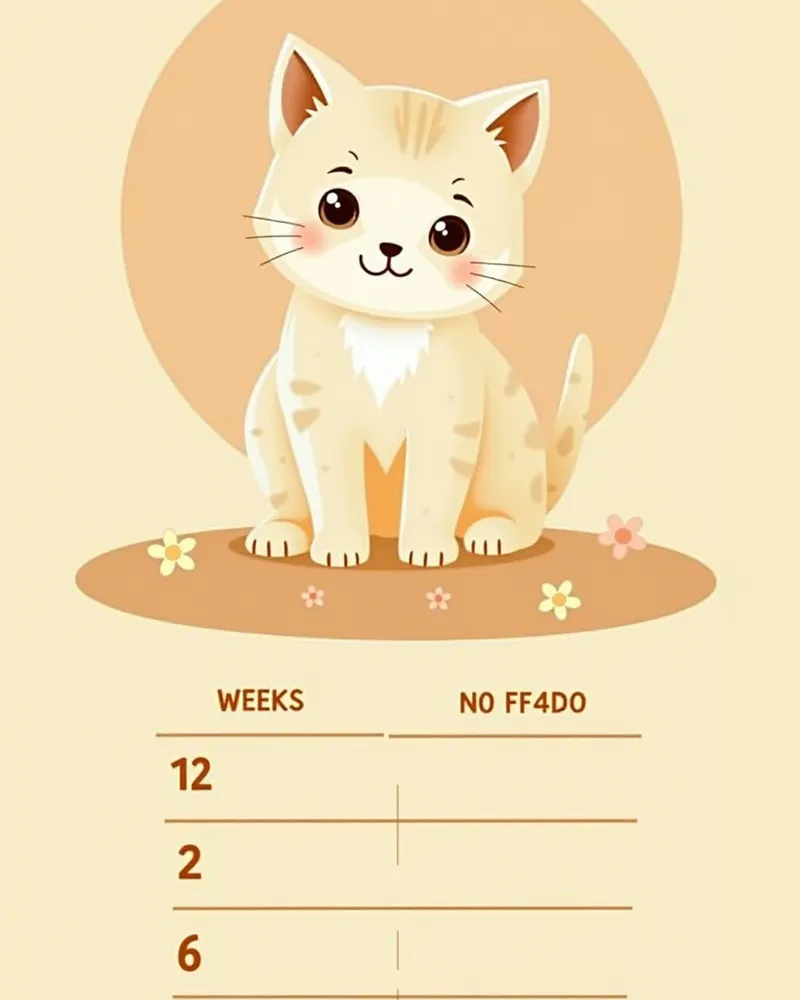
What Should You Pay Attention to Before and After Vaccination?

What Are the Main Side Effects of Rabies Vaccination?

Abnormal Symptoms After Vaccination Require an Immediate Vet Visit
If your cat experiences difficulty breathing, vomiting, seizures, or severe swelling after vaccination, take them to the vet immediately. These could be signs of a serious allergic reaction, so prompt action is crucial.
Why Is Vaccination Absolutely Necessary?

Comparison of Rabies Vaccine Types
| Item | Vaccination Cycle | Duration of Effect | Frequency of Side Effects |
|---|---|---|---|
| 1-Year Cycle Vaccine | Every 1 year | About 1 year | Low |
| 3-Year Cycle Vaccine | Every 3 years | About 3 years | Low |
| No Vaccination | Not applicable | Not applicable | Not applicable (very high risk of infection) |
Rabies vaccination is legally mandatory in some regions. Vaccine types and vaccination cycles, such as the 3-year cycle vaccine, vary depending on regional laws and product licensing, so decide after consulting your veterinarian. Without vaccination, the risk of rabies infection and death is very high.
Post-Vaccination Care Tips
Reviewed by a veterinarian

Dr. Tony — Punnawat Phongkittirak
VeterinarianA veterinarian who majored in veterinary medicine at Khon Kaen University, Thailand, and completed the IVSA program at North Carolina State University in the United States. Drawing on clinical experience at animal hospitals, he works in the pet healthcare field and is dedicated to building a digital care environment that connects pet parents with veterinarians.
Reviewed 2026-06-29
Frequently Asked Questions
At what age should kittens receive their first rabies vaccination?
Where can I get the three-year vaccination?
My cat has no appetite after vaccination. Is this normal?
What are the legal consequences if I don’t vaccinate my pet?
My cat is running a fever after vaccination. What should I do?
Share
Related Guides

Top Recommendations and Selection Criteria for Cat FIV and FeLV Testing

Top Microchip Implantation Management Recommendations for Dogs and Key Selection Criteria

Complete Guide to Choosing, Comparing, and Managing the Best Heartworm Preventives for Dogs

Is Your Cat’s Proteinuria Glomerulonephritis? — Causes and When to Visit the Vet

Will Cat Dehydration Damage the Kidneys? — Warning Signs You Must Not Miss and Key Countermeasures

Late-Stage Feline Chronic Kidney Disease: Preserving Quality of Life — Palliative Care Q&A

How Fast Does Feline CKD Progress? — Q&A on Monitoring Progression with Numbers

Why Does Anemia Occur in Cats with Kidney Disease? — Causes of EPO Deficiency and Treatment Timing

Feline Pyelonephritis: Warning Signs You Must Not Miss — Key Facts on Bacterial Kidney Infection

Is Your Puppy’s Heart Murmur a Ventricular Septal Defect? — Symptoms, Diagnosis, and Management