Like
Share
멍실장
파모티딘(하이드로페란) 위산 차단, 이렇게 써요

How to Use Famotidine (Hydroferan) for Stomach Acid Control

DigestiveQ&AMeongsiljang Veterinary Advisory Board

Famotidine is an H2 blocker that reduces stomach acid production in dogs and cats. It is used to treat vomiting, gastric ulcers, and reflux symptoms, but it must only be administered under a veterinarian's prescription.

What is Famotidine?
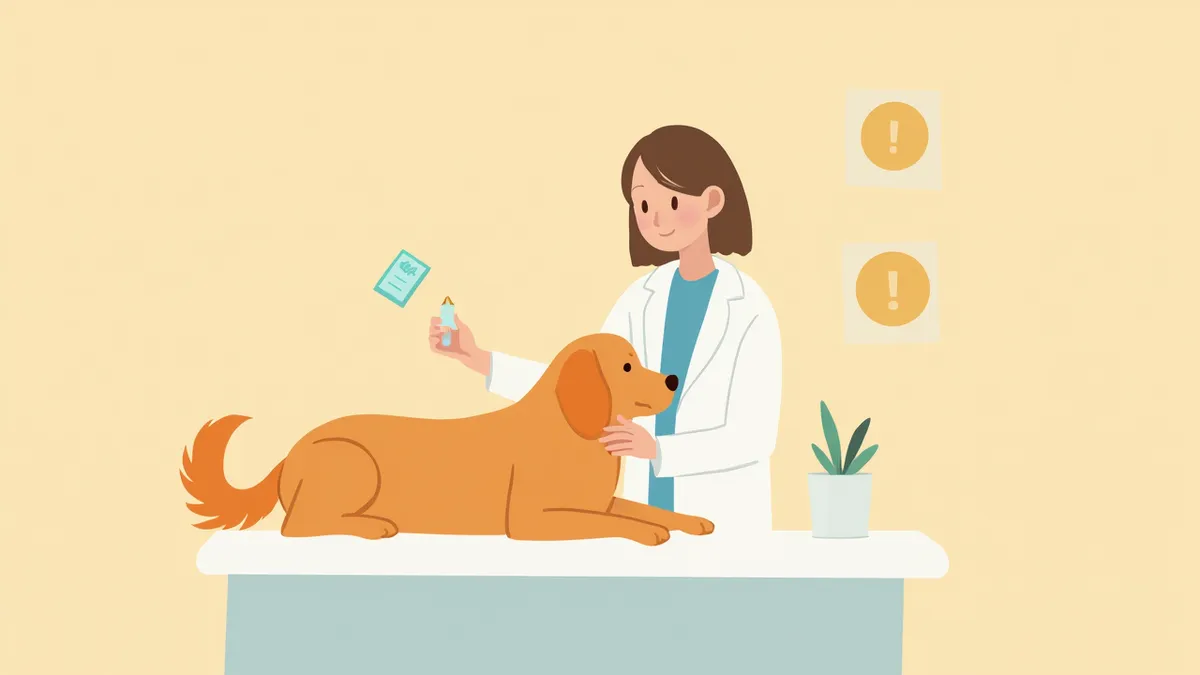
A veterinarian showing famotidine
Famotidine is an H2 receptor antagonist that reduces stomach acid production in dogs and cats. In Korea, it is also prescribed under the brand name "Hydroferan." The most important thing is to understand its proper use. It is used to lower stomach acid and protect the mucous membranes when there is repeated vomiting or suspected gastric ulcers or reflux esophagitis. Although it is the same active ingredient as the human medication Pepcid, the dosage for pets varies significantly depending on their weight and condition, so it must be used only after a veterinarian's prescription.

What Symptoms Is It Prescribed For?

Famotidine is primarily used when there is excessive stomach acid secretion or damage to the gastric mucosa. According to standard veterinary textbooks, its main indications are as follows: - Gastritis: Cases where inflammation of the gastric mucosa causes discomfort - Gastric ulcers and erosions: Adjunctive treatment for stress-induced or drug-induced (NSAID-related) ulcers - Reflux esophagitis: Protection of the esophageal mucosa - Chronic kidney disease: To alleviate gastritis and nausea caused by elevated gastrin levels (hypergastrinemia) - Gastrinoma: A rare condition characterized by excessive stomach acid secretion However, famotidine does not have direct antiemetic (vomiting-suppressing) effects, so it is not a first-line treatment for acute vomiting. If vomiting persists, famotidine may be used as an adjunct to reduce stomach acid and protect the mucosa, but identifying the underlying cause of the vomiting should always be the priority.

Famotidine vs. Other Antacids: A Comparison

ItemFamotidineOmeprazoleSucralfate
ClassH2 blockerProton pump inhibitorMucosal protectant
Mechanism of actionReduces gastric acid secretionBlocks gastric acid productionCoats the ulcer site
Duration of effectAbout 12 hoursAbout 24 hoursAbout 6–8 hours
Timing of administrationEmpty stomach before the first mealOnce daily on empty stomachEmpty stomach·spaced from other drugs
Acid suppression effectModerateStronger (superior pH elevation)Limited (coating-focused)

The actual prescription varies depending on the underlying disease and the individual's condition.

When and How to Administer for Best Results

Famotidine works best when given on an empty stomach before the first meal of the day. According to the Plum's Veterinary Medicine Handbook's owner guidelines, this medication is most effective when administered before the first daily meal. However, if your pet vomits or shows signs of discomfort after taking it on an empty stomach, it's fine to give it with a small amount of food or a treat. Famotidine is typically prescribed once or twice daily at 12- to 24-hour intervals, but it can also be effective with just once-daily dosing. The dosage based on weight should be determined by your veterinarian, who will consider your pet's condition and any concurrent medications, so please do not adjust it on your own. If you miss a dose, give it as soon as you remember, but if it's close to the next scheduled dose, skip the missed one and do not double up. Consistency is key, as missing doses can cause symptoms to return.
A pet owner administering medication on an empty stomach

Important Precautions to Keep in Mind

Intravenous administration of famotidine to cats has rarely been associated with intravascular hemolysis (hemolytic anemia) (de Brito Galvao & Trepanier, J Vet Intern Med 2008). Therefore, extra caution is required when administering the drug intravenously to cats. Additionally, pets with compromised kidney function may experience delayed drug elimination, so veterinarians adjust the dosage and dosing interval accordingly. If your pet is taking other medications, such as nonsteroidal anti-inflammatory drugs (NSAIDs) or other gastrointestinal medications, please inform your veterinarian before starting treatment. Never purchase human medications from a pharmacy and administer them to your pet without veterinary guidance, as this can be dangerous.

What Are the Side Effects?

Famotidine is generally considered a safe medication, but it may cause side effects such as the following: - Decreased appetite: Your pet may temporarily eat less (loss of appetite). - Vomiting: Vomiting may occur after administration. - Diarrhea: In rare cases, stools may become loose. - Discomfort after administration on an empty stomach: Some pets may vomit or show signs of stomach discomfort when given the medication on an empty stomach. Most of these reactions are mild. However, if your pet vomits after taking the medication or if symptoms worsen, stop administering the drug and contact your veterinarian. In cases where high doses are used for extended periods, your veterinarian may recommend blood tests to monitor your pet’s condition.
A lethargic cat resting quietly

Is Long-Term Use Safe?

The long-term effects of using H2 blockers like famotidine in cats are not yet fully understood (even veterinary textbooks list long-term effects as unknown). Therefore, it is more important to address the underlying disease rather than using the medication for longer than necessary. If your cat has chronic stomach acid issues, you might consider switching to a proton pump inhibitor like omeprazole, which has been shown in studies to be more effective at raising stomach pH (reducing acid) than famotidine. The key is to identify and treat the root cause, such as kidney disease or chronic enteritis. Avoid continuing the medication based on your own judgment, and always consult your veterinarian to determine the appropriate duration of treatment.

When to Go to the Vet Immediately

If your pet develops any of the following symptoms while taking famotidine, contact your veterinarian immediately. Black, tarry stools may indicate gastrointestinal bleeding and constitute a medical emergency. If vomiting contains blood, or if there is severe lethargy or difficulty breathing, stop the medication and seek veterinary care right away. Additionally, if your pet accidentally ingests multiple tablets at once, do not rely on your own judgment—contact your veterinarian immediately.

Reviewed by a veterinarian

Dr. Tony — Punnawat Phongkittirak

Dr. Tony — Punnawat Phongkittirak

Veterinarian

A veterinarian who majored in veterinary medicine at Khon Kaen University, Thailand, and completed the IVSA program at North Carolina State University in the United States. Drawing on clinical experience at animal hospitals, he works in the pet healthcare field and is dedicated to building a digital care environment that connects pet parents with veterinarians.

Frequently Asked Questions

Can I give my dog human Pepcid as is?
Although the active ingredients are the same, the dosages differ significantly. Because factors such as your pet’s body weight, kidney function, and any concurrent medications must be taken into account, administering this medication without a veterinarian’s prescription can be dangerous.
Can famotidine and omeprazole be given together?
Veterinarians typically prescribe one of these medications rather than both simultaneously. Studies have shown that omeprazole is more effective than famotidine at suppressing stomach acid (raising gastric pH), so vets may switch to omeprazole for chronic acid-related issues. The decision to use them together depends on the individual case and is determined by the veterinarian.
Is it okay to feed my pet right after giving them medication?
For best results, give it on an empty stomach 30 minutes to an hour before meals. However, if your pet vomits or seems uncomfortable after taking it on an empty stomach, you can administer it with a small amount of food.
How much should I give to see results?
The time it takes for the medication to take effect varies depending on the underlying condition and your pet’s individual health status. Stopping the medication prematurely can cause symptoms to return, so it’s important to continue administering it as directed. If there’s no improvement within the prescribed timeframe, a follow-up visit is necessary to investigate other potential causes.
Can pregnant or nursing pets also take this?
The safety during pregnancy and lactation has not been fully established. It should only be prescribed by a veterinarian when absolutely necessary, after carefully weighing the benefits and risks.

Share

Related Guides

References

[1] Plumb's Veterinary Drug Handbook, 10th Edition - Famotidine

[2] de Brito Galvao JF, Trepanier LA. Risk of hemolytic anemia with intravenous administration of famotidine to hospitalized cats. J Vet Intern Med. 2008;22:325-329.

[3] Small Animal Critical Care Medicine, 3rd Edition - Gastrointestinal Pharmacology

[4] The Cat, Clinical Medicine and Management, 2nd Edition - H2 Receptor Antagonists

This information is based on veterinary literature and does not replace diagnosis or treatment. Please consult a veterinarian for specific health concerns.

Metapet Co., Ltd. | CEO: Park Sung-yong | Business Reg. No. 417-88-02562 | Seoul, South Korea | Customer Center

Famotidine (Hydroferan): Stomach Acid Control for Pets | Meongsiljang