

Novel Protein Diets (Kangaroo, Duck, Salmon)
We’ve compiled a veterinary nutrition-based guide to the differences between novel protein diets (kangaroo, duck, salmon) for dogs suspected of having food allergies, along with proper transition and management methods.
What Is Novel-Protein Dog Food?

Why Is a Novel Protein Needed?
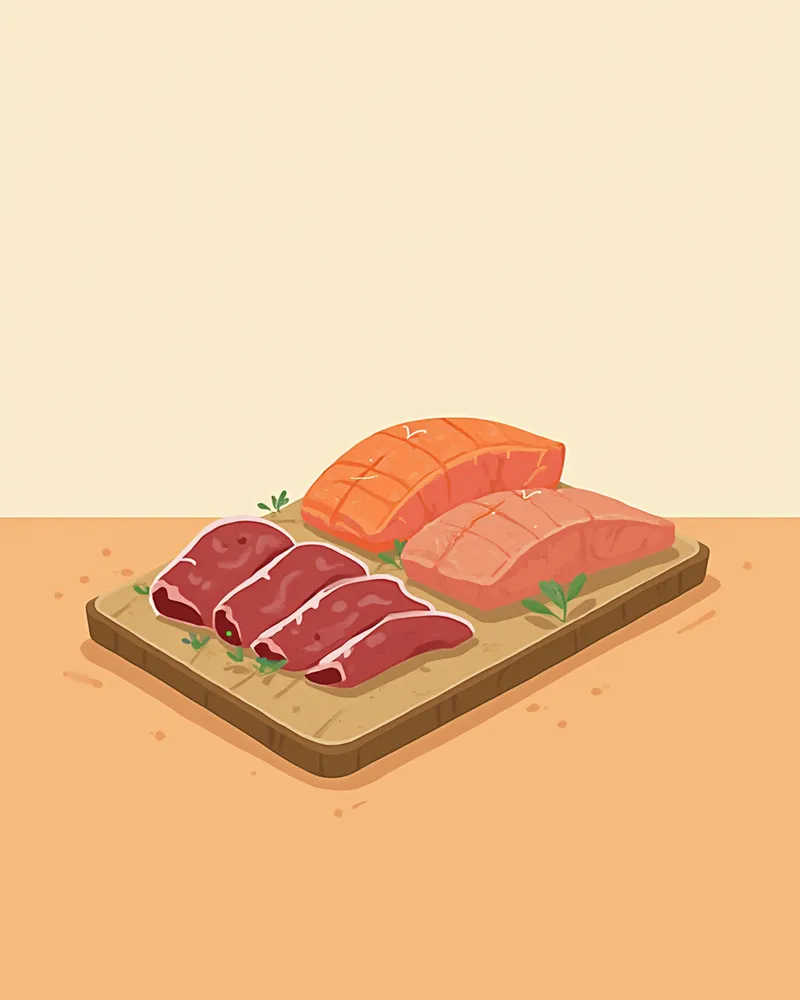
Kangaroo, Duck, and Salmon at a Glance
| Item | Kangaroo | Duck | Salmon |
|---|---|---|---|
| Key nutrients | Low fat/high iron | Omega-3/B vitamins | Omega-3 (EPA/DHA) |
| Recommended for dogs | Needing weight management | Improving skin/coat | Restoring skin barrier |
| Domestic availability | Limited | Common | Common |
| Price range | High | Medium | Medium |
| Novelty caution | Generally maintained | Frequently exposed as treats | Check history of salmon treats |
Whether an ingredient is 'novel' depends on the dog's individual history
Detailed Features by Ingredient
Self-Diagnosis at Home Is Risky
Switching to a new protein-based diet as a form of self-diagnosis is risky. To manage your pet’s condition effectively, it’s essential to determine whether the issue is a true food allergy, an environmental allergy, or caused by parasites or infection. A strict elimination diet trial lasting at least 8 to 12 weeks is required, during which all treats, chews, and supplements must also be controlled to contain only the new protein source. Always consult your veterinarian for a proper diagnosis first.
Proper Food Transition Method

Key Checkpoints When Purchasing
Return to the Clinic If These Symptoms Occur
After switching to a novel-protein diet, we typically reassess symptom changes at the 4- to 6-week mark. However, since many dogs take 8 to 12 weeks to show clear improvement, it’s premature to rule out a food allergy if itching, skin rashes, or chronic diarrhea persist around the 4-week point. If symptoms continue despite strictly adhering to an elimination diet for a minimum of 8 to 12 weeks, other causes such as environmental allergies (atopy), flea allergy, mange, or Malassezia dermatitis should be investigated. Conversely, if symptoms improve and then worsen again, hidden protein contamination—such as cross-contamination from shared production lines at the same manufacturing facility—should be suspected. In either case, it’s safer to have a veterinarian reevaluate the situation rather than relying on self-diagnosis.
Reviewed by a veterinarian

Dr. Tony — Punnawat Phongkittirak
VeterinarianA veterinarian who majored in veterinary medicine at Khon Kaen University, Thailand, and completed the IVSA program at North Carolina State University in the United States. Drawing on clinical experience at animal hospitals, he works in the pet healthcare field and is dedicated to building a digital care environment that connects pet parents with veterinarians.
Reviewed 2026-04-26
Frequently Asked Questions
Do I need to feed my pet a new protein-based diet for their entire life?
Should treats also be matched with the same protein source?
I heard that salmon-based pet food contains mercury. Is it safe?
Is insect protein also considered a novel protein?
How long does it take for the effects to appear?
Share
Related Guides

My Senior Cat Won’t Eat — A Complete Guide to Choosing Food for Cats with Weak Digestion

Top 5 Prescription Diets for Feline Pancreatitis Recommended by Veterinarians — Low-Fat, Highly Digestible Food Guide

Royal Canin vs Hill’s vs Purina vs Orijen — Which Brand Is Right for Your Pet, According to Veterinarians?

What If Your Cat Eats Onions or Garlic? — Key Facts on Red Blood Cell Destruction and Anemia Risk

Are Lilies Dangerous for Cats? — 12 Toxic Flowers and Plants That Cause Kidney Failure

My Cat Licked a Lily — Kidney Failure Risk and the 12-Hour Golden Window

15 Indoor Plants That Are Deadly to Dogs and Risk Levels by Symptoms

Can dogs eat avocado? — Risk levels by part: flesh and pit

How Much Chocolate Is Dangerous for Dogs? — Lethal Doses by Weight and Emergency Response

How Much Onion Is Dangerous for Dogs? — Toxic Doses by Weight and Anemia Signs
References
[1] Hand MS et al., Small Animal Clinical Nutrition, 5th Ed
[2] Fascetti AJ, Delaney SJ, Applied Veterinary Clinical Nutrition, 2nd Ed, Chapter 8 Commercial and Home-Prepared Diets
[3] Olivry T, Mueller RS, Critically appraised topic on adverse food reactions of companion animals, BMC Veterinary Research, 2015