Like
Share
멍실장
플레이 바우(놀이 자세) 의미와 행동 신호

Meaning and Behavioral Signals of the Play Bow

Brain & CognitionQ&AMeongsiljang Veterinary Advisory Board

The play bow is a classic canine invitation to play, where your dog lowers its front legs while lifting its hindquarters. Here’s how to interpret this signal based on its meaning and context.

What Is a Play Bow?
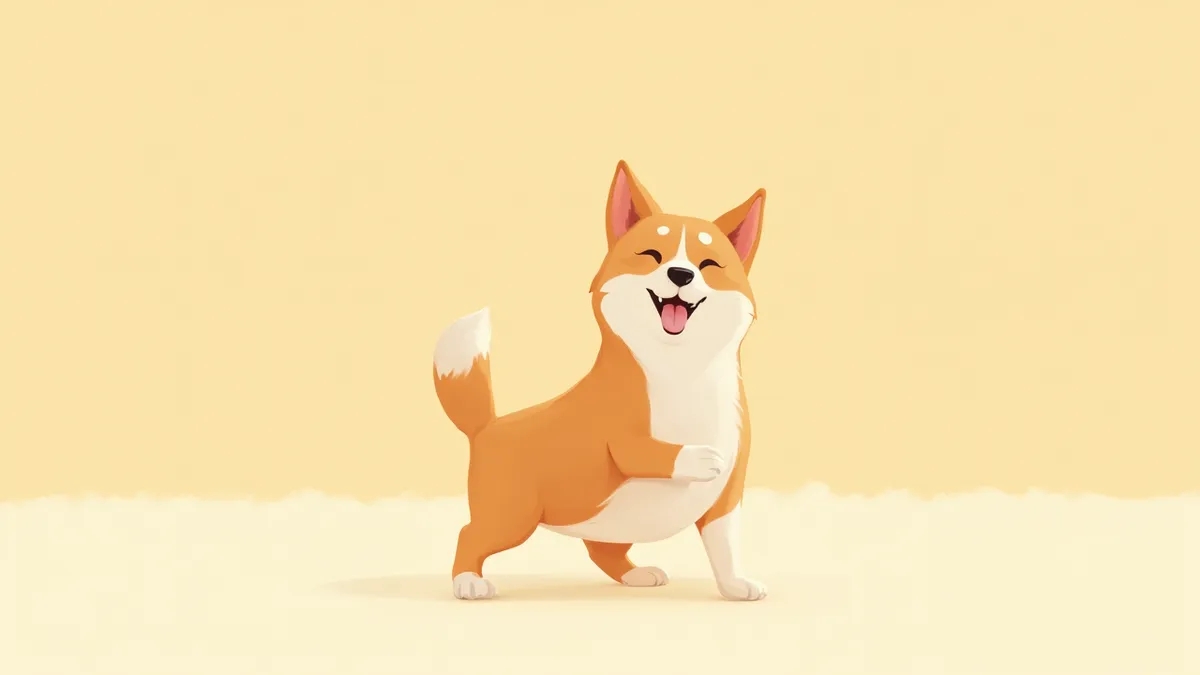
The classic play bow posture, with the front legs lowered and the hindquarters raised.
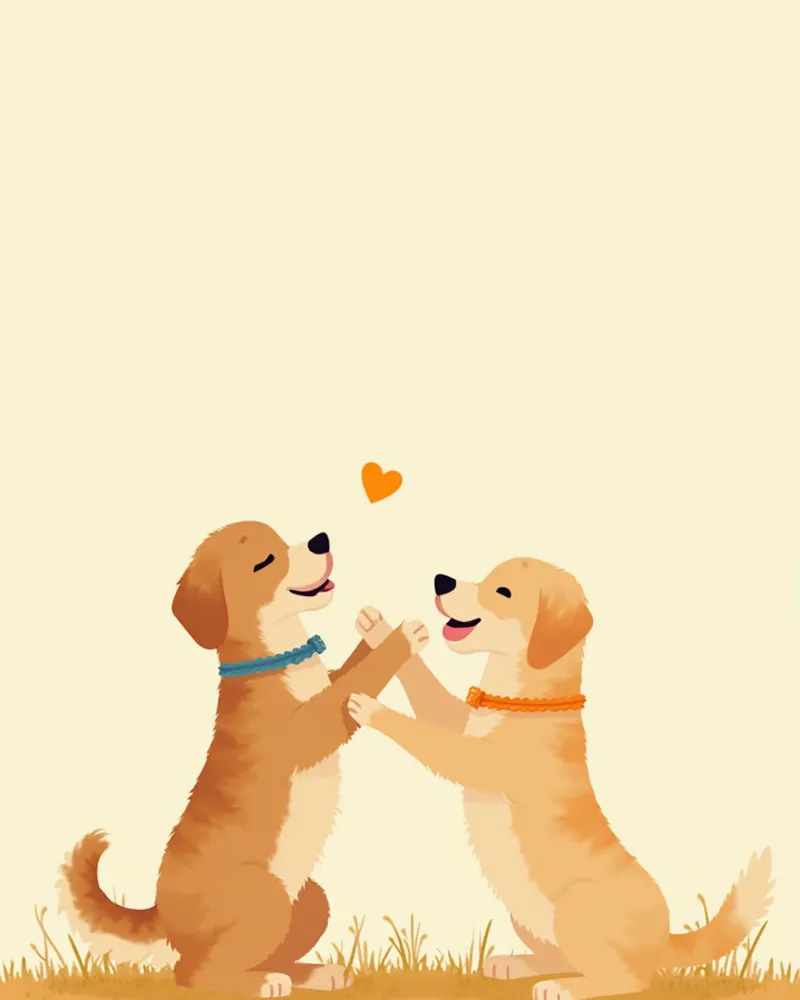
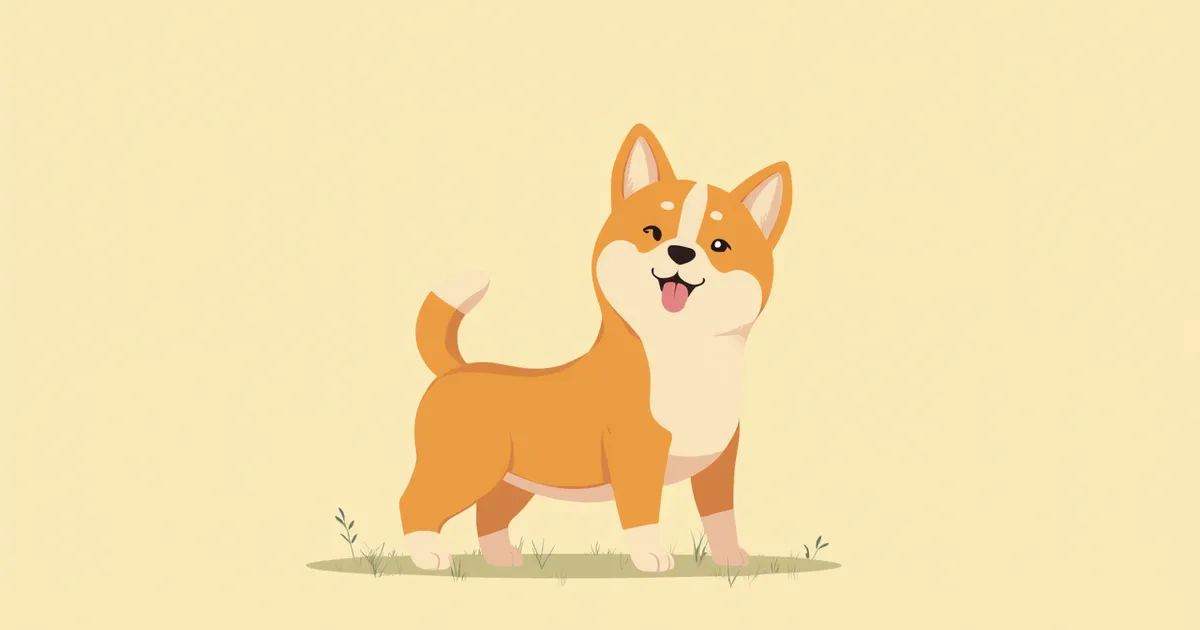
The play bow is a classic canine play signal: your dog lowers its front legs close to the ground while lifting its hindquarters high, clearly communicating, “What I’m about to do is play—let’s have fun together.” The key takeaway is that this posture serves as a declaration that any subsequent mock bites, lunges, or chasing are not aggressive. If you also see a wagging tail and a relaxed expression with a slightly open mouth, it’s a healthy social cue, so feel confident responding positively.

Why Does Your Dog Assume This Posture?

The play bow, where a dog lowers its front legs while raising its hindquarters, is widely recognized in animal behavior as a classic signal inviting play. Both other dogs and humans can easily interpret this posture as a clear message that the upcoming biting, chasing, and pouncing are not real aggression. Thus, the play bow serves to clearly communicate to the other party that there is no intent to cause harm. Dogs often use this posture at the start of play or when the excitement level rises, helping to prevent misunderstandings and ensuring that enjoyable play does not escalate into a real conflict.

Four Signals Conveyed by the Play Bow

A single play bow conveys multiple messages.
Play invitation: It’s the most basic signal for “Let’s play together.”
Non-aggression declaration: It lets the other party know that any rough behavior that follows isn’t meant as a fight.
Tension relief: If the play partner gets too worked up during play, returning to this posture helps calm the mood.
Attention request: It can also be used toward people or other pets to say, “Pay attention to me.”
Play-barking to invite another dog to play

Play Bow vs. Similar-Looking Postures

ItemPlay BowStretchingAbdominal Pain Posture
Front leg positionExtended, pressed flat to the floorExtended, pressed flat to the floorPressed to the floor or hunched
Hindquarter heightRaised highRaised highLow or trembling
TailWagging widely side to sideHanging relaxedTucked between the legs
Expression/mouthMouth open, as if smilingSometimes with a yawnTense, drooling
DurationBrief, repeated for 1-2 secondsAbout 5-10 secondsContinuous, posture held fixed
Following behaviorLunging/chasing/jumpingShaking the body or walkingVomiting/whimpering

If the posture of lowering the hindquarters and hunching as if the belly hurts lasts a long time, it may be a sign of a health problem such as abdominal pain rather than simple play or stretching. If you see this, it's safest to have your dog examined at the clinic.

When Your Dog Performs a Play Bow Toward You

If your dog performs a play bow in front of you, it’s a clear invitation to play. Throwing a toy or engaging in a brief game of chase at this moment can significantly deepen your bond. Spending time petting and playing together is known to reduce your dog’s stress and strengthen your relationship. However, it’s safer to wait until your dog has fully settled before starting play, especially right after meals or walks when they may still be catching their breath. Conversely, if you initiate the play bow, your dog will more easily enter “play mode.” Bending your knees and lowering your upper body can achieve a similar effect.

When It Might Not Be a Play Bow

Not every play bow indicates play. If your dog holds this position for an extended time while tucking its tail between its legs, trembling, or whining in pain, it may signal a health issue such as abdominal pain. This is especially urgent if the posture persists alongside vomiting, loss of appetite, or lethargy, requiring prompt veterinary care. Remember that a playful bow is typically brief, lasting only a few seconds, and is accompanied by a wagging tail and a relaxed, slightly open-mouthed expression. Please observe your pet closely and do not overlook any unusual postures.

How to Properly Respond to a Play Bow
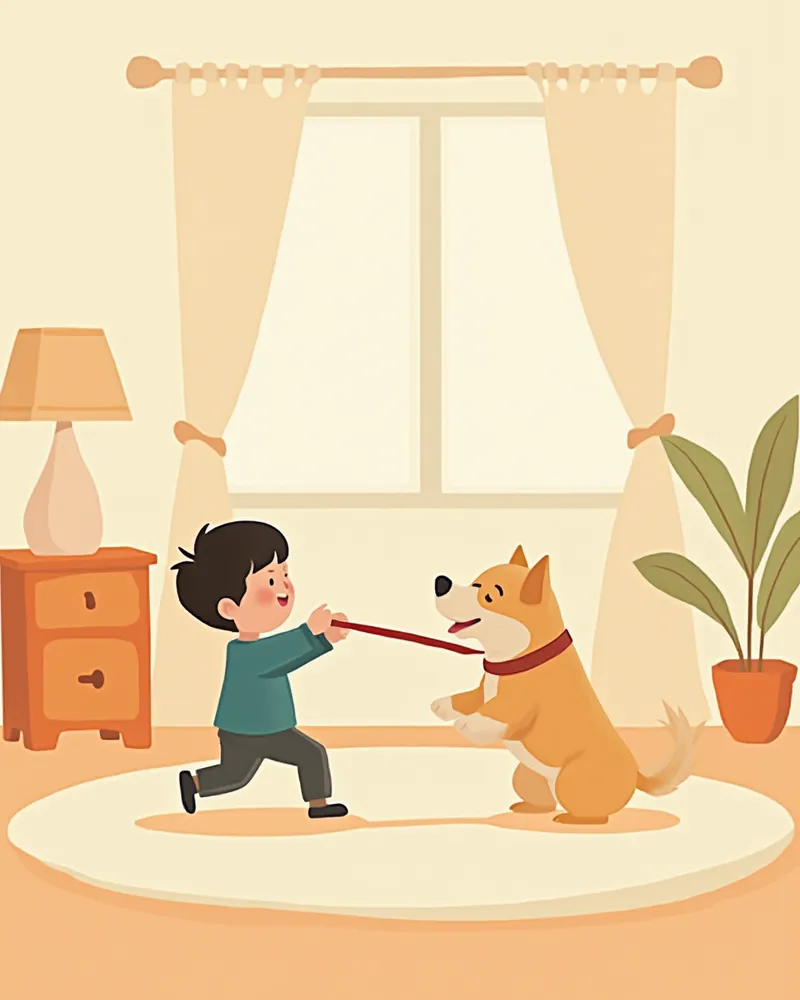
When your dog suggests play with a play bow, the response is simple.
Short play sessions of 5–15 minutes: Briefly repeat activities like fetch, tug-of-war, and hide-and-seek.
Watch for signs to stop playing: If your dog pants heavily or tries to leave, take a break immediately.
Manage overexcitement: If the biting becomes too hard, pause the game briefly using a “stop” cue.
Prioritize companionship over praise: Eye contact and gentle touch are more effective than words.
Aim for play sessions of about 10–15 minutes, divided into 2–3 times per day, which also helps distribute your dog’s energy.
A heartwarming scene of a pet owner and their puppy enjoying a game of tug-of-war.

Is It Okay If Your Dog Doesn’t Play Bow Well?

Puppies separated from their mother and littermates too early, senior dogs, and dogs in pain may not engage in play bows. Puppies learn how to interact with their own species by living with their mother and siblings for at least 6 to 8 weeks; if they miss this critical period, they may lack proper socialization, making misunderstandings more likely when they meet other dogs as adults. Additionally, dogs with joint or back pain may avoid the play bow because lowering their front legs is uncomfortable. If a dog that usually enjoys playing suddenly stops using this posture, it’s a good idea to check for any underlying health issues first.

Key Points to Know During the Socialization Period

Puppies that have plenty of playtime with other dogs and people during their critical socialization window (3–14 weeks of age) naturally learn to use play signals, including play bows. Attending puppy classes or meeting a variety of friends in safe environments during this period lays the foundation for lifelong social skills. If this window is missed, even adult dogs may become overly excited during play or fail to read their playmates’ signals, leading to conflicts.

Reviewed by a veterinarian

Dr. Tony — Punnawat Phongkittirak

Dr. Tony — Punnawat Phongkittirak

Veterinarian

A veterinarian who majored in veterinary medicine at Khon Kaen University, Thailand, and completed the IVSA program at North Carolina State University in the United States. Drawing on clinical experience at animal hospitals, he works in the pet healthcare field and is dedicated to building a digital care environment that connects pet parents with veterinarians.

Frequently Asked Questions

My dog only play-bows to people, not to other dogs. Is that okay?
It could be due to a lack of socialization or anxiety around other dogs. Many dogs are comfortable with people but haven’t learned how to play appropriately with other dogs. This can vary depending on whether the dog is spayed or neutered, past negative experiences, and individual temperament. We recommend starting with puppy classes or one-on-one meetings with compatible dogs, and gradually increasing social interactions.
My dog growls after playing fetch. Is it play or a fight?
Play growls are usually normal. If the growls are short and repetitive, the tail is wagging, and the dog’s expression is relaxed, it’s just play. On the other hand, if the growl is low and prolonged, the body becomes stiff, and the tail is rigid, it’s a genuine warning sign, so you should stop the play immediately. The key difference between a play growl and a warning growl lies in the quality of the sound and whether both dogs maintain relaxed expressions.
Do cats and rabbits play with PlayBows too?
The play bow is a classic play signal in dogs, and both other dogs and people can easily recognize it as an invitation to play. In contrast, animals like cats and rabbits communicate their desire to play in their own unique ways, so they don’t assume the same posture as dogs. Because different species may misinterpret each other’s signals, leading to misunderstandings, it’s safest for owners to supervise initial play sessions between animals of different species.
Do I need to play with my dog every time they bring me their PlayBowl?
You don’t need to respond every time. If you react too quickly, your pet may learn that this behavior always leads to play, which can reinforce demand-related behaviors. It’s best to establish set playtimes during the day (10–15 minutes, 2–3 times daily) and either gently ignore the behavior or redirect your pet to other activities outside of those times. This helps maintain a healthy balance.
Older dogs may suddenly stop playing fetch.
Senior dogs often stop playing bow because the motion of lowering their front legs becomes uncomfortable due to pain in their joints, back, or knees. As dogs age, it’s important to have their joint health and mobility checked during regular wellness exams. If you notice your dog moving more slowly or avoiding stairs, we recommend scheduling a veterinary visit right away.

Share

Related Guides

References

[1] Horowitz, A., Disambiguating the 'guilty look': Salient prompts to a familiar dog behaviour, Behavioural Processes, 2009

[2] Bekoff, M., Play signals as punctuation: The structure of social play in canids, Behaviour, 1995

[3] Beaver, B.V., Canine Behavior: Insights and Answers, 2nd Edition, Saunders

[4] Landsberg, G. et al., Handbook of Behavior Problems of the Dog and Cat, 3rd Edition

This information is based on veterinary literature and does not replace diagnosis or treatment. Please consult a veterinarian for specific health concerns.

Metapet Co., Ltd. | CEO: Park Sung-yong | Business Reg. No. 417-88-02562 | Seoul, South Korea | Customer Center

What Does a Play Bow Mean in Dogs? A Complete Guide to Play Signals | Meongsiljang