
Like
Share
멍실장
고양이 간 농양 자주 묻는 질문 Q&A — 보호자가 꼭 알아야 할 핵심

Frequently Asked Questions About Feline Liver Abscesses — Key Information Every Pet Owner Should Know

Liver HealthQ&AMeongsiljang Veterinary Advisory Board

Feline liver abscesses are conditions where early detection determines the success rate of treatment. We’ve compiled the essential information every pet owner should know in a Q&A format.

What is a feline liver abscess?

A feline hepatic abscess is a lesion caused by the accumulation of pus (purulent material) within liver tissue due to bacterial infection. Bacteria can reach the liver via the bloodstream, portal circulation, or bile ducts, triggering inflammation. As the abscess progresses, liver tissue becomes damaged; however, because the liver has significant functional reserve, clinical signs may remain subtle until substantial damage has occurred. Therefore, early detection through ultrasound and blood tests is crucial, as initiating treatment promptly leads to a better prognosis. If you notice any changes in your cat’s appetite or activity level, seek veterinary care without delay.
An anatomical illustration of a cat with a liver abscess

Why do cats develop liver abscesses?

Feline hepatic abscesses develop when bacteria enter the liver and cause an infection. These bacteria can reach the liver through the bloodstream, the portal circulation, or the biliary tract. The risk of infection is particularly elevated in cats with inflammatory hepatobiliary diseases such as pancreatitis, cholangiohepatitis, cholecystitis, or fatty liver disease. Since abscesses typically arise following penetrating injuries or infections, extra vigilance is required for cats with compromised immune systems or underlying health conditions. Given that multiple factors can interact to contribute to this condition, routine health care and regular veterinary check-ups are essential.
Microscopic image of bacteria in a cat's blood

What are the main symptoms of a liver abscess?

Common signs of a liver abscess in cats include loss of appetite and lethargy. Cats with hepatobiliary disease may also experience vomiting, diarrhea, decreased appetite, weakness, increased thirst, and increased urination. As the infection progresses, fever or a systemic inflammatory response may develop, and the abdomen may become distended or jaundice may appear. Abscesses often cause pain, so your cat may be sensitive when you touch its belly. If you notice a sudden decrease in activity or food intake, it’s important to seek veterinary care right away.
A cat lying down in a weakened state

Signs that require an immediate vet visit

If your cat suddenly loses its appetite, experiences chills, or has a swollen abdomen, you should take it to the vet immediately. These symptoms may indicate that an abscess has worsened or that liver function has deteriorated rapidly.

How is it diagnosed?
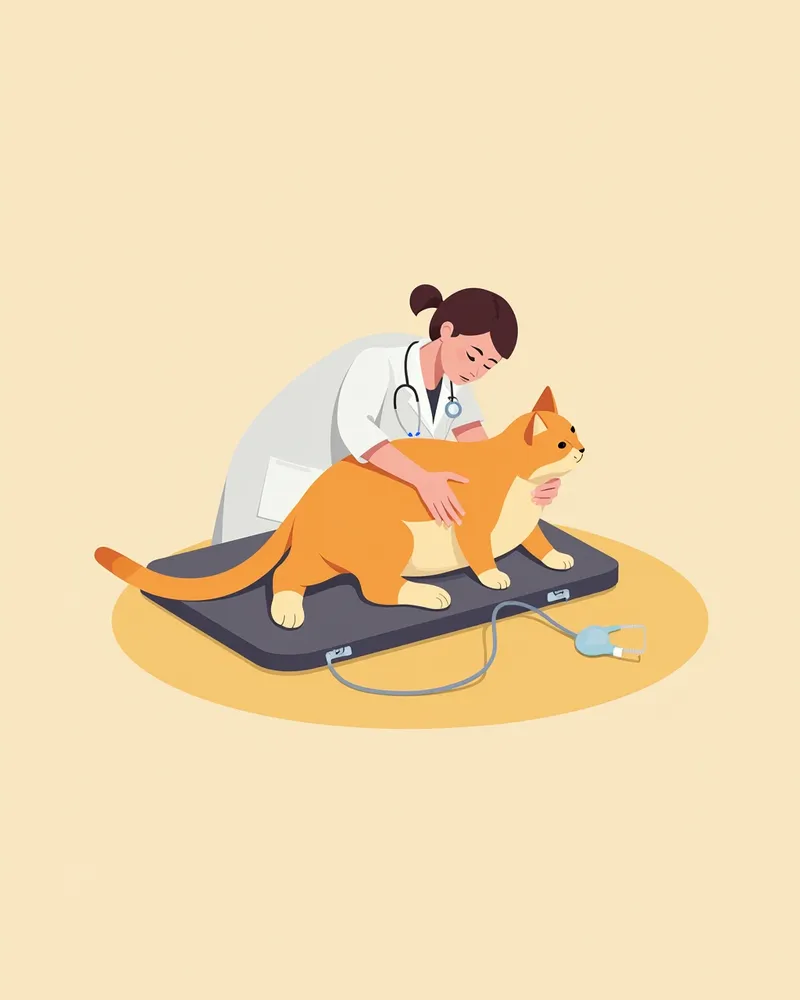
Feline liver abscesses are most accurately diagnosed through ultrasound, which allows us to detect the presence of pus within the liver and determine its size and location. Blood tests often reveal elevated inflammatory markers or increased liver enzymes. If necessary, we can aspirate pus from the abscess under ultrasound guidance for bacterial culture and sensitivity testing. This process helps identify the specific causative bacteria, enabling us to prescribe targeted antibiotic therapy. An accurate diagnosis is the crucial first step toward effective treatment.
A veterinarian performing an abdominal ultrasound on a cat

What are the treatment methods?

Treating a liver abscess centers on antibiotic therapy and draining the abscess. - Antibiotic therapy: Antibiotics are administered consistently for an adequate duration, guided by bacterial culture and susceptibility test results. Because anaerobic bacteria are often involved in liver abscesses, selecting the appropriate antibiotic is crucial, and it’s important to avoid interrupting the treatment course. - Abscess drainage: Pus is aspirated and drained under ultrasound guidance. If the abscess is large or responds poorly to treatment, surgical drainage may be considered. - Nutritional management: If appetite decreases, offer small, frequent meals. Throughout treatment, monitor your cat’s condition with regular check-ups, closely observe any changes, and maintain open communication with your veterinary team.
A cat receiving an intravenous injection at the hospital

How can you manage it at home?

During treatment, provide your cat with a quiet and warm environment. If their appetite decreases, offer small, frequent meals. It’s important to establish a consistent schedule for administering antibiotics, as they must be given at precise times. Always ensure fresh, clean water is available, and carefully monitor any changes in water consumption. Follow the instructions from your veterinarian closely, and contact them immediately if you notice any unusual symptoms. Proper home care plays a significant role in the success of the treatment.
A cat resting comfortably in its bed

Comparison of step-by-step responses for liver abscess treatment

ItemMain symptomsMain treatment methodsPrognosis
EarlyPoor appetite, lethargyCulture-based antibiotic administrationGood if detected early
IntermediateWeight loss, feverAntibiotics + ultrasound-guided drainageVaries with treatment response
SevereAbdominal distension, systemic inflammationSurgical drainage + intensive careUncertain

Because prognosis varies with the timing of treatment and the condition, early diagnosis is important.

Reviewed by a veterinarian

Dr. Tony — Punnawat Phongkittirak

Dr. Tony — Punnawat Phongkittirak

Veterinarian

A veterinarian who majored in veterinary medicine at Khon Kaen University, Thailand, and completed the IVSA program at North Carolina State University in the United States. Drawing on clinical experience at animal hospitals, he works in the pet healthcare field and is dedicated to building a digital care environment that connects pet parents with veterinarians.

Frequently Asked Questions

Can a cat liver abscess be treated?
With early diagnosis and appropriate antibiotic and drainage therapy, the prognosis is generally favorable. However, outcomes may vary depending on the severity of the condition and any underlying diseases.
Are liver abscesses common in cats?
While skin and subcutaneous abscesses are common in cats, liver abscesses are relatively rare. Extra caution is needed for cats with weakened immune systems or underlying hepatobiliary diseases, making early detection crucial.
Can a liver abscess recur?
If the underlying condition remains, inflammation of the hepatobiliary system can recur or progress. Regular check-ups and management of the underlying condition are necessary even after treatment.
Can a liver abscess be transmitted to humans?
Liver abscesses themselves are not known to be contagious to humans. However, certain bacteria, such as Pasteurella, which commonly reside in a cat's mouth, can cause infections in people through bites or scratches, so it's important to maintain good hygiene.
What ongoing care is needed for a cat that has had a liver abscess?
Regular blood tests and ultrasound exams are recommended to monitor liver function and check for recurrence. Managing diet, stress, and underlying conditions is also important.

Share

Related Guides

References

[1] Plumb's Veterinary Drug Handbook, 9th ed. (2022). Wiley-Blackwell.

[2] Feldman, B. F., & Nelson, R. W. (2013). Schalm's Veterinary Hematology, 6th ed. Wiley-Blackwell.

[3] National Research Council. (2006). Nutrient Requirements of Cats. National Academies Press.

This information is based on veterinary literature and does not replace diagnosis or treatment. Please consult a veterinarian for specific health concerns.

Metapet Co., Ltd. | CEO: Park Sung-yong | Business Reg. No. 417-88-02562 | Seoul, South Korea | Customer Center

Cat Liver Abscess: 5 Frequently Asked Questions | Meongsiljang