Like
Share
멍실장
강아지 베타차단제 심장 자주 묻는 질문 Q&A — 보호자가 꼭 알아야 할 핵심

Why Are Beta-Blockers Used for Dogs' Hearts? — Q&A on Effects and Precautions

HeartQ&AMeongsiljang Veterinary Advisory Board

Here’s a concise overview of the essential information pet owners need to know when their dog is prescribed beta-blockers for heart disease treatment. Get a clear, at-a-glance summary of potential side effects, proper administration methods, and important precautions.

What Are Beta-Blockers for Dogs?
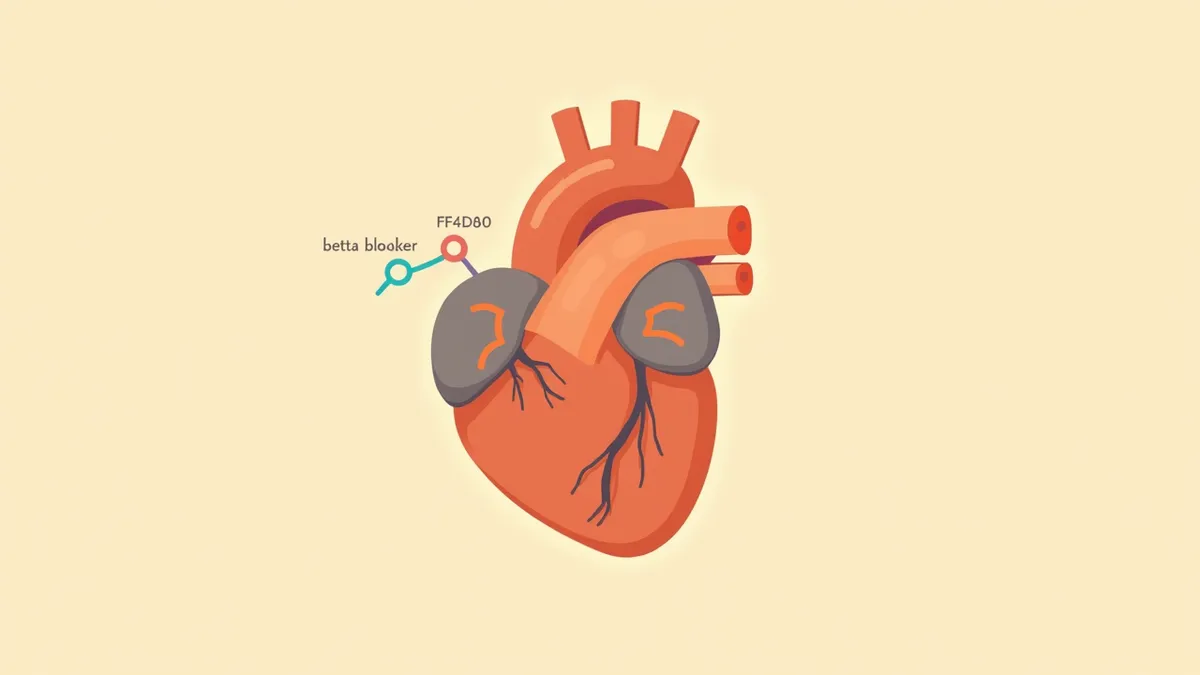
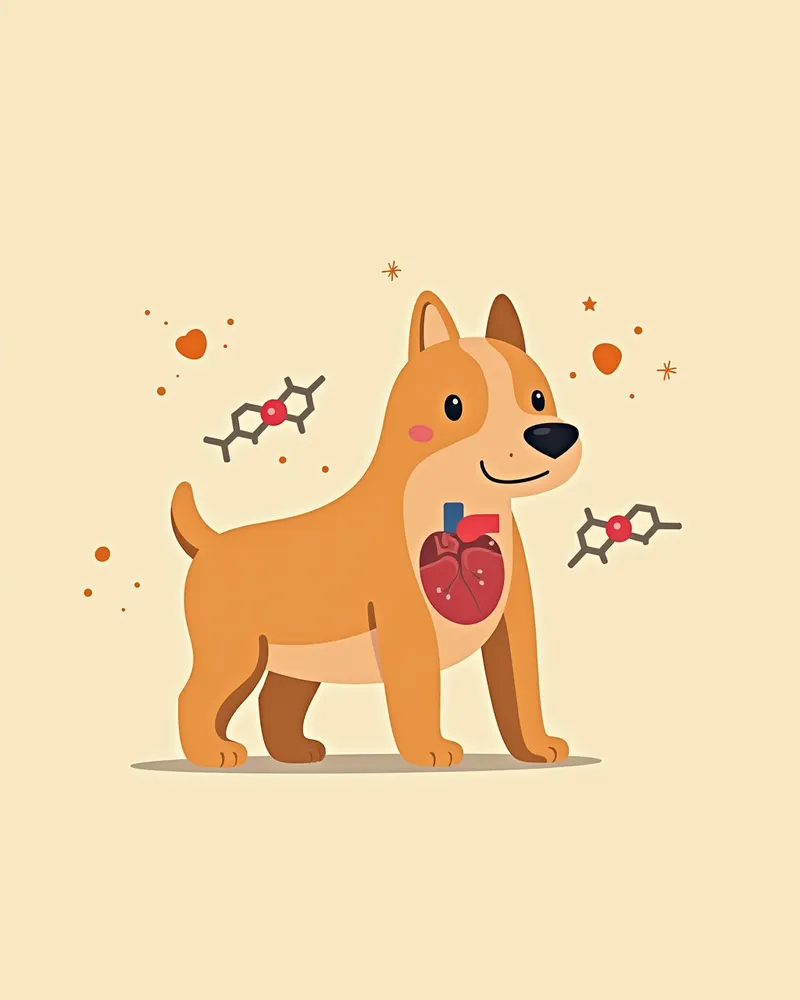
The image shows a beta-blocker molecule binding to a dog's heart.
Beta-blockers for dogs are medications used to manage heart conditions such as rapid arrhythmias and hypertension. They help stabilize an excessively fast heart rate and lower blood pressure. - Reduced cardiac workload: By preventing the heart from beating too hard, they decrease the heart’s oxygen demand. - Heart rate control: They are effective in regulating a rapid heart rate and arrhythmias to appropriate levels. - Blood pressure stabilization: They lower blood pressure by blocking sympathetic nerve (catecholamine) stimulation. - Arrhythmia management: Beta-blockers do not increase contractility; instead, they slow the heart rate (negative chronotropic effect). Veterinarians often prescribe them for conditions like atrial fibrillation or rapid ventricular rhythms. However, they are not recommended as standard therapy for dilated cardiomyopathy (DCM) in dogs.

How Do Beta-Blockers Work?

Beta-blockers competitively block the effects of catecholamines (such as adrenaline) on beta receptors in the heart, helping to reduce excessive heart rate. - Reduced cardiac workload: They decrease resting cardiac output and myocardial oxygen demand, thereby easing the burden on the heart. - Heart rate regulation: They lower the firing rate of the sinoatrial node and slow conduction through the atrioventricular node, stabilizing rapid heart rhythms. - Blood pressure reduction: By reducing sympathetic nervous system stimulation, they help lower blood pressure steadily. - Decreased contractility (negative inotropic effect): They reduce the force of heart contractions, making them useful for managing rapid arrhythmias such as ventricular tachycardia. However, caution is required in patients with compromised contractile function. They are an important prescribed treatment for conditions like atrial fibrillation or ventricular tachycardia.
The mechanism by which beta-blockers block cardiac receptors

5 Warning Signs to Watch for When Your Dog Takes Beta-Blockers
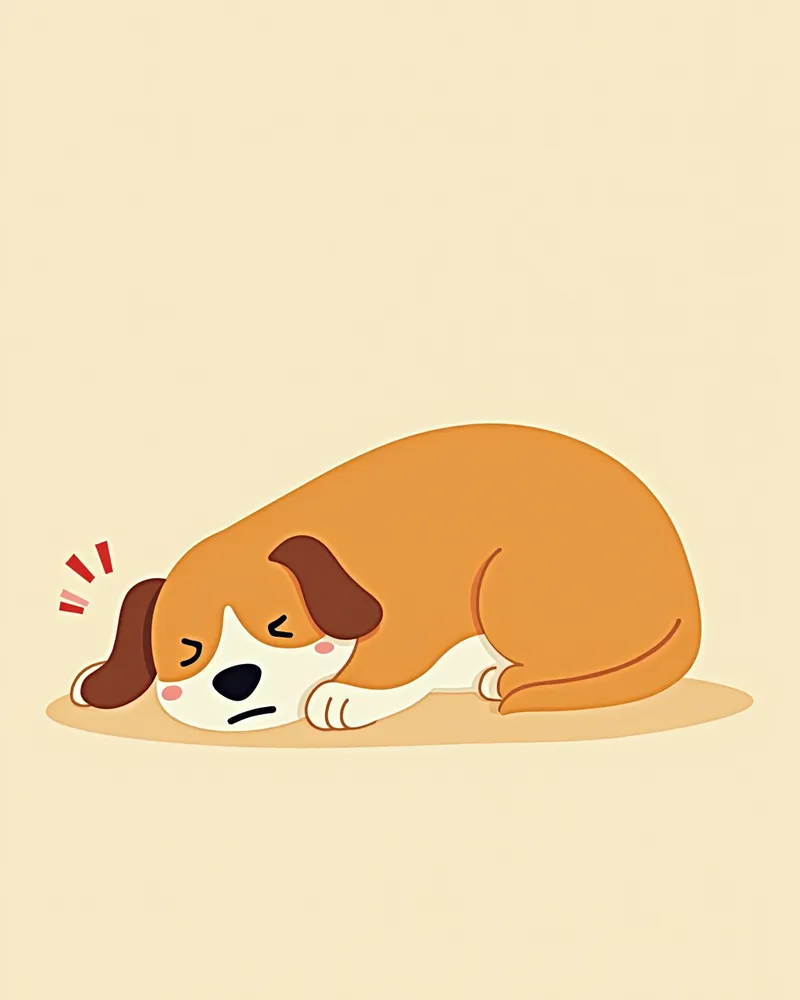
While your dog is taking beta-blockers, please watch closely for the following warning signs and contact your veterinarian immediately if they occur: Excessive decrease in heart rate (bradycardia): When the heartbeat becomes abnormally slower than usual. Fainting or signs of shock: When your dog suddenly collapses or loses consciousness. Difficulty breathing: When your dog appears short of breath or struggles to breathe due to bronchoconstriction. Lethargy and loss of appetite: When your dog remains inactive all day and refuses to eat. Recurring diarrhea or vomiting: When gastrointestinal symptoms persist or repeat.
A dog showing serious side effects while taking a beta-blocker

Emergency Situations Requiring Immediate Veterinary Care

If your pet develops an abnormally slow heart rate (bradycardia), faints, has difficulty breathing, or shows signs of severe shock (low blood pressure), seek veterinary care immediately. These can be life-threatening serious side effects.

Drug Interactions to Watch for When Taking Beta-Blockers
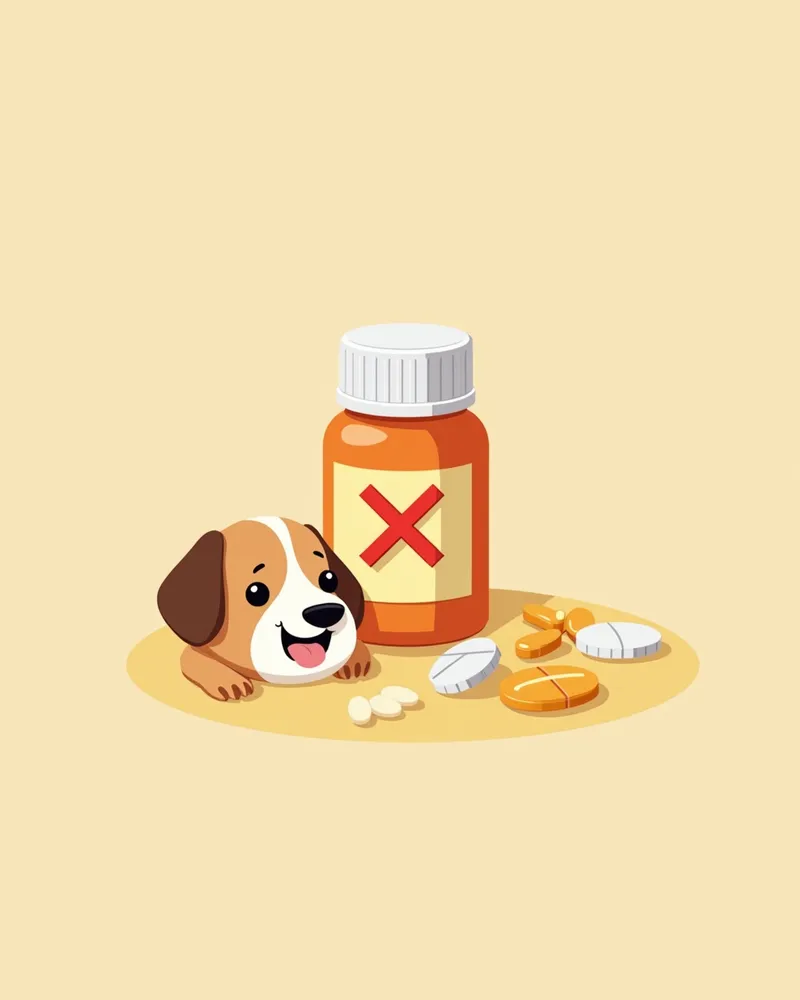
Beta-blockers can be dangerous when taken with certain other medications. - Interaction with calcium channel blockers: Both types of drugs lower heart rate and contractility, which may cause the heart rate to drop too low, so caution is advised. - Combination with antidepressants: Using beta-blockers alongside tricyclic antidepressants or MAO inhibitors (such as selegiline) can increase the toxicity of the beta-blocker. - Combination with diuretics: This combination can cause blood pressure to drop too low, potentially leading to dizziness or shock. - Caution with caffeine and chocolate (methylxanthines): Methylxanthine compounds can also affect the toxicity of beta-blockers. Always inform your veterinarian if your pet is taking any other medications or supplements. Please consult your veterinarian before administering any medication.
Risk of interactions between beta-blockers and other medications

How to Follow the Dosage and Schedule
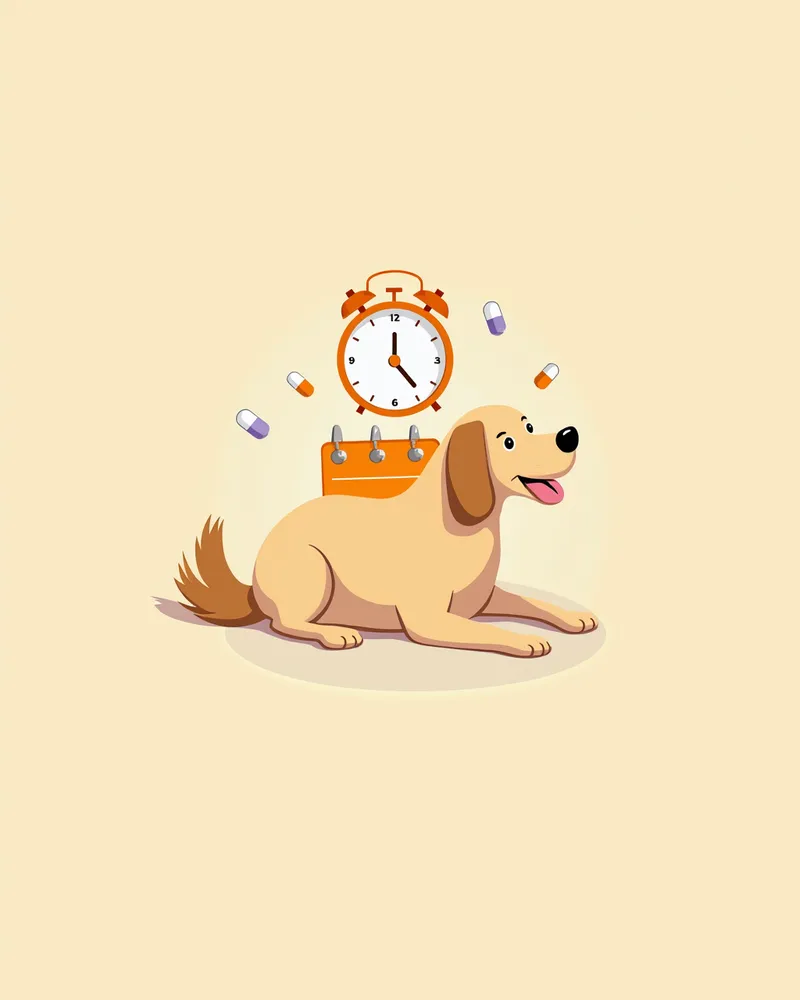
Beta-blockers must be administered exactly as prescribed by your veterinarian, following the specified dosage and schedule. - Administer at the same time each day: Establish a routine of giving the medication 1 to 2 times daily at the same time. - Can be given with or without food: In most cases, it can be administered regardless of whether your pet has eaten. - Do not miss doses: Skipping doses can lead to unstable heart function and worsen symptoms. - Store in the original container: Keep the medication in a cool place, away from moisture and direct sunlight. - Keep a medication log: Maintaining a record of administration will be helpful during consultations with your veterinarian. Consistent adherence to the medication schedule is key to successful treatment.
Calendar for Managing Your Dog’s Beta-Blocker Medication Schedule

Comparison of Features by Beta-Blocker Type

ItemSelectivityMajor Side EffectsPrecautions for Use
AtenololBeta-1 selectiveBradycardia, lethargyCaution when contractile function is reduced (heart failure)
SotalolNon-selectiveBronchoconstriction, hypotensionCaution in patients with respiratory disease
MetoprololAs per veterinary prescriptionDrowsiness, dizzinessDose adjustment if liver function is reduced

Beta-1 selective drugs (atenolol) are preferred over non-selective drugs because they carry less risk of bronchoconstriction, and the veterinarian determines the drug and dosage according to the patient's condition.

Contraindications and Precautions During Use

Beta-blockers may be contraindicated in cases of severe bradycardia, heart failure, hypotension, or respiratory disease. A veterinarian must thoroughly evaluate your pet’s overall health before starting treatment.

Reviewed by a veterinarian

Dr. Tony — Punnawat Phongkittirak

Dr. Tony — Punnawat Phongkittirak

Veterinarian

A veterinarian who majored in veterinary medicine at Khon Kaen University, Thailand, and completed the IVSA program at North Carolina State University in the United States. Drawing on clinical experience at animal hospitals, he works in the pet healthcare field and is dedicated to building a digital care environment that connects pet parents with veterinarians.

Frequently Asked Questions

What happens if you stop taking beta-blockers?
Stopping the medication abruptly can cause a rapid increase in heart rate and place additional strain on the heart. It is essential to taper the dosage gradually under your veterinarian’s guidance.
Is it okay if my pet gets sleepy after taking the medication?
Drowsiness or lethargy may occur when first starting the medication. These side effects usually resolve within 1–2 weeks as your pet adjusts, but if they persist, please consult your veterinarian.
Can it be given with meals?
Most beta-blockers can be taken regardless of meals. However, if your veterinarian has given specific instructions, please follow those.
What should I do if I miss a dose of medication?
If you remember, give the missed dose right away. However, if it's almost time for the next scheduled dose, skip the missed one and continue with the regular dosing schedule. Never give a double dose.
Is it safe to take this medication long-term?
Long-term medication is typically required for managing heart disease. Your veterinarian will regularly monitor your pet’s condition through cardiac exams and adjust the treatment plan as needed.

Share

Related Guides

References

[1] Plumb's Veterinary Drug Handbook, 9th Edition. Wiley-Blackwell, 2022.

[2] Lipman J, et al. Beta-blockers in canine heart disease: clinical applications and monitoring. J Vet Cardiol, 2021, 35: 123–135.

[3] American College of Veterinary Internal Medicine (ACVIM) Consensus Statement on the Use of Beta-blockers in Dogs with Heart Disease, 2020.

This information is based on veterinary literature and does not replace diagnosis or treatment. Please consult a veterinarian for specific health concerns.

Metapet Co., Ltd. | CEO: Park Sung-yong | Business Reg. No. 417-88-02562 | Seoul, South Korea | Customer Center

Why Beta-Blockers for Your Dog's Heart? Effects & Cautions | Meongsiljang