
Guide to Safe Storage of Pet Food and Treats
We’ve compiled veterinary nutrition guidelines on how to properly store pet food and treats to prevent rancidity, mold, and mite contamination. Learn everything you need to know, from shelf life after opening to refrigeration and freezing best practices.
What Is Safe Storage of Pet Food and Treats?
Why Is Storage Important?
Recommended Shelf Life After Opening by Food Type
| Item | Dry Food | Wet Food/Pouch | Freeze-Dried/Homemade Treats |
|---|---|---|---|
| Room Temperature Storage | 4–6 weeks | Not once opened | 2–3 weeks |
| Refrigerated Storage | Not recommended | 2–3 days | 2–4 weeks |
| Frozen Storage | 3 months when portioned | 1 month | 1–2 months |
| Keep in Original Packaging | True | True | True |
Writing the opening date on the packaging makes management easier. Room temperature refers to below 25°C and away from direct sunlight.
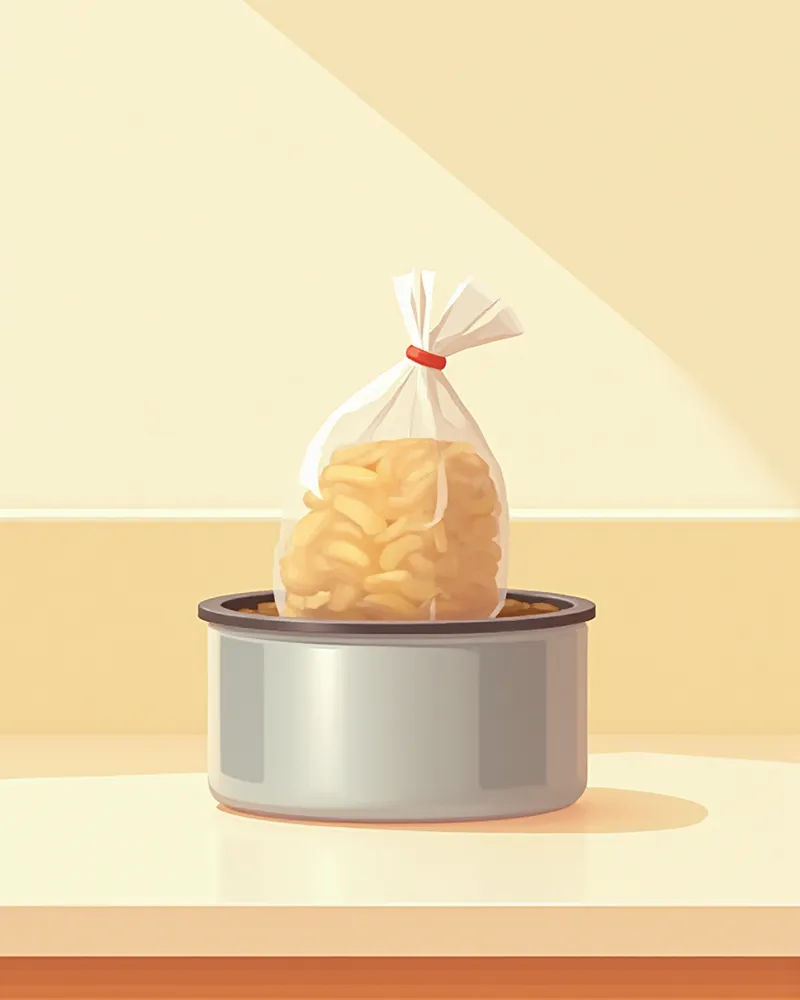
The Right Way: Store in Original Packaging, Not Separate Containers
Discard Pet Food Immediately If You Notice These Signs
Don’t feed rancid or moldy pet food, even if it feels wasteful. It poses a high risk of acute vomiting and liver toxicity. - Sour, oily, or unusually foul odor - White or green powdery residue on kibble (mold) - Damp, clumped, or sticky texture - Visible insects or mites - Past expiration date (even if unopened)
How to Refrigerate and Freeze
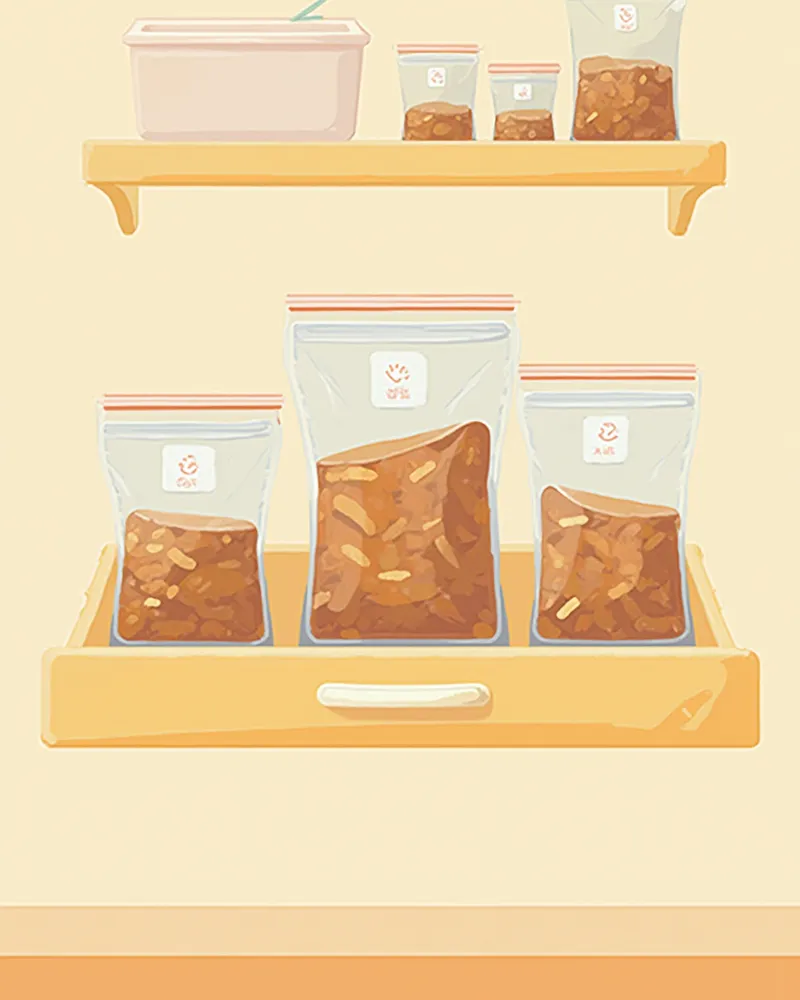
Storage Location: Follow These Conditions
Points for Cat Owners to Pay Special Attention To
Cats have a more sensitive sense of smell than dogs, so they will reject even slightly rancid food. Rather than assuming picky eating, first check the food’s odor, color, and texture. Additionally, because cats have high protein requirements, they are also affected by protein degradation in addition to fat rancidity. Therefore, it is best to purchase dry cat food in smaller quantities more frequently.
Reviewed by a veterinarian

Dr. Tony — Punnawat Phongkittirak
VeterinarianA veterinarian who majored in veterinary medicine at Khon Kaen University, Thailand, and completed the IVSA program at North Carolina State University in the United States. Drawing on clinical experience at animal hospitals, he works in the pet healthcare field and is dedicated to building a digital care environment that connects pet parents with veterinarians.
Reviewed 2026-04-29
Frequently Asked Questions
How should I store pet food if I buy it in large quantities?
How soon after opening a bag of treats should I finish feeding them to my pet?
If there are bugs in the pet food, is it okay to sift it through a strainer and feed it?
Is it okay to feed my pet food that has been stored in the refrigerator right away?
How safe is the food stored in an automatic feeder?
Share
Related Guides
My Senior Cat Won’t Eat — A Complete Guide to Choosing Food for Cats with Weak Digestion
Top 5 Prescription Diets for Feline Pancreatitis Recommended by Veterinarians — Low-Fat, Highly Digestible Food Guide
Royal Canin vs Hill’s vs Purina vs Orijen — Which Brand Is Right for Your Pet, According to Veterinarians?
Pros and Cons of Raw Diets for Dogs and Precautions
Guide to Choosing Puppy Food and Feeding Amounts
The Ultimate Guide to Choosing Cat Food: A Comprehensive Overview by Age and Body Type
The Complete Guide to Stages 1–4 of Patellar Luxation in Dogs

Symptoms and Management of Canine Bronchial Disease
Cruciate Ligament Rupture in Dogs: Symptoms and Rehabilitation Guide
Symptoms and Treatment of Canine Mammary Tumors
References
[1] Fascetti AJ, Delaney SJ. Applied Veterinary Clinical Nutrition, 2nd Ed — Chapter 8: Commercial and Home-Prepared Diets
[2] Hand MS et al. Small Animal Clinical Nutrition, 5th Ed — Commercial Pet Food Safety and Storage
[3] AAFCO Official Publication — Pet Food Labeling and Storage Guidelines